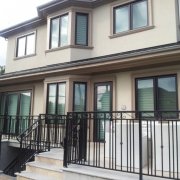
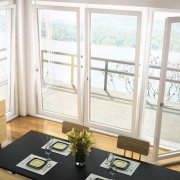
windows on cold snowy house

Tips for How to Reduce Noise Pollution at Home

Noise pollution is a common issue that affects our health, well-being, and overall quality of life. Whether it’s the sound of traffic, construction, or loud neighbors, excessive noise can disrupt sleep, increase stress levels, and make home life less enjoyable. Fortunately, there are several effective ways to reduce noise pollution in your home. From upgrading to soundproof windows to simple lifestyle changes, here’s how you can create a quieter, more peaceful living space.


Understanding Noise Pollution & Its Effects

Before tackling noise pollution, it’s essential to understand its sources and impact. Noise pollution refers to unwanted or disruptive sounds that interfere with daily activities and well-being. Prolonged exposure can lead to sleep disturbances, heightened stress, and even health issues like high blood pressure.

Common Sources of Household Noise

  • Traffic noise – Cars, motorcycles, and public transport.

  • Construction sounds – Ongoing projects near residential areas.

  • Loud neighbors – Music, conversations, pets.

  • Home appliances – Dishwashers, HVAC systems, laundry machines.

  • Internal echoes – Hard floors and empty walls amplifying sound.


Effective Ways to Reduce Noise Pollution at Home

1. Upgrade to Soundproof Windows

One of the most effective ways to minimize external noise is by installing soundproof windows. Double or triple-pane windows with insulated frames create a barrier that significantly reduces sound transmission. Vinyltek windows are designed with superior insulation and noise-blocking technology, making them an excellent investment for a quieter home. Additionally, laminated glass options can further reduce high-frequency noise, making your home even more peaceful.

2. Use Soundproof Curtains & Blinds

Heavy, dense curtains made of multiple layers can help absorb external noise. Blackout curtains, in particular, serve a dual purpose by blocking both sound and light. Consider curtains with noise-reducing linings for enhanced sound insulation. Combining thick curtains with blinds can offer an extra layer of protection from unwanted noise.

3. Seal Gaps & Cracks Around Windows and Doors

Small gaps can allow a surprising amount of noise to enter your home. Sealing these openings with weatherstripping or caulking is an inexpensive yet highly effective way to reduce sound infiltration. Door sweeps and draft stoppers can also help minimize airborne noise entering your home.

4. Install Acoustic Panels or Foam

Acoustic panels, commonly used in recording studios, can also help minimize noise at home. These foam or fabric-covered panels absorb sound waves and prevent them from bouncing around the room. For a more stylish approach, consider decorative acoustic wall panels that blend with your interior decor while reducing noise.

5. Add Rugs, Carpets, and Upholstered Furniture

Soft materials help absorb sound instead of letting it bounce off hard surfaces. Consider layering rugs or using carpets in high-traffic areas to dampen noise. Upholstered furniture, such as sofas and cushioned chairs, also contributes to sound absorption and can significantly reduce echoes in large rooms.

6. Rearrange Furniture to Block Noise

Strategically placing bookshelves or heavy furniture against walls can serve as an additional sound barrier. Bookshelves filled with books act as excellent noise dampeners. In bedrooms, upholstered headboards can help minimize noise from adjacent rooms, while thick tapestries or wall hangings can help absorb sound waves.

7. Soundproof Doors & Walls

Most interior doors are hollow, making them ineffective at blocking sound. Replacing them with solid-core doors or adding draft stoppers can significantly reduce noise. For walls, mass-loaded vinyl (MLV) and extra drywall layers can enhance soundproofing. Adding insulation between walls can also dramatically reduce noise transfer between rooms.

8. Landscaping for Noise Reduction

Well-placed trees, hedges, and fences can act as natural sound barriers. Consider dense greenery like evergreen shrubs or bamboo to absorb noise from outside sources. Water features like fountains can also help mask unwanted noise with soothing natural sounds.

9. Upgrade to Quieter Home Appliances

Older appliances tend to be noisier than newer, energy-efficient models. Look for low-noise appliances when replacing dishwashers, washing machines, and HVAC systems. Many modern appliances are specifically designed with noise reduction in mind, featuring vibration isolation technology and quiet motor operation.


Additional Lifestyle Tips for a Quieter Home

  • Use white noise machines to mask disruptive sounds.

  • Establish “quiet hours” in shared living spaces.

  • Encourage mindful noise habits among family members.

  • Play soft background music to counteract environmental noise.


Frequently Asked Questions (FAQs)

Q: How do I stop traffic noise from entering my home?
A: Installing soundproof windows, sealing gaps, and using thick curtains can significantly reduce traffic noise.

Q: Are soundproof windows worth it?
A: Absolutely! They not only reduce noise pollution but also improve energy efficiency by keeping indoor temperatures stable.

Q: What are the cheapest ways to reduce noise pollution?
A: Sealing gaps, using heavy curtains, adding rugs, and rearranging furniture are all budget-friendly solutions.

Q: Can plants help with noise pollution?
A: Yes! Dense plants and hedges, like bamboo or evergreens, can absorb and block sound from external sources.

Q: How can I soundproof a room without renovation?
A: Using area rugs, acoustic panels, and upholstered furniture can make a significant difference in sound absorption without any major renovations.


Final Thoughts

Reducing noise pollution at home is essential for maintaining a peaceful and comfortable living environment. Whether it’s investing in Vinyltek soundproof windows, adding rugs and curtains, or sealing gaps, these solutions can significantly enhance your home’s tranquility.

Looking for the best soundproof windows to block out unwanted noise? Explore Vinyltek’s range of high-quality, noise-reducing windows today!

What Is Solar Heat Gain Coefficient (SHGC) and Why It Matters

Winter Patio & Entry Door Maintenance Tips for the Season

Winter brings colder temperatures, increased moisture, and harsh conditions that can affect the performance of your home’s patio and entry doors. Proper maintenance not only keeps your doors functioning smoothly but also improves energy efficiency and enhances overall home comfort. Neglecting regular upkeep can lead to drafts, difficulty opening and closing doors, and even long-term structural damage.

To prevent issues, homeowners should take proactive steps to maintain their doors throughout the season. This guide outlines essential maintenance tasks to ensure your doors remain in top condition during the winter months.


1. Clean and Maintain Tracks & Frames

Sliding patio doors rely on smooth tracks for effortless operation, while entry doors need well-maintained frames to prevent warping and drafts. Dirt, dust, and debris can accumulate in these areas, causing friction, misalignment, and even damage over time.

How to Clean Tracks & Frames:

  1. Vacuum the tracks and frames – Use a narrow attachment to remove loose dirt and debris.
  2. Wipe down with a damp cloth – A mild detergent mixed with warm water works well for most door materials.
  3. Scrub stubborn grime – Use an old toothbrush or small scrub brush to clean hard-to-reach areas.
  4. Dry thoroughly – Moisture buildup can lead to corrosion or mold growth.

Benefits of Regular Upkeep:

  • Ensures doors open and close smoothly.
  • Prevents buildup that could cause damage.
  • Reduces the risk of drafts and energy loss.

For high-performance patio doors designed to withstand harsh weather, consider Vinyltek’s multi-stack patio doors.


2. Lubricate Moving Parts

To keep your sliding and entry doors operating efficiently, lubrication is crucial. Without it, doors can become difficult to maneuver due to friction and wear.

Best Lubricants for Winter Maintenance:

  • Silicone-based lubricants – Ideal for sliding door tracks as they don’t attract dirt.
  • Graphite lubricants – Excellent for door locks and hinges, especially in cold weather.
  • White lithium grease – Suitable for heavy-duty hinges and mechanisms.

How to Apply Lubricant:

  1. Clean the area first – Remove any dirt or residue before applying lubricant.
  2. Apply a light, even coat – Avoid excessive lubrication, which can attract dust.
  3. Move the door back and forth – This helps distribute the lubricant evenly.
  4. Wipe away excess – Prevent buildup that could lead to more grime accumulation.

Well-lubricated doors not only last longer but also provide a smoother and quieter operation throughout winter.


3. Keep the Glass Clean

Glass surfaces on patio and entry doors not only enhance visibility but also contribute to a home’s energy efficiency by allowing natural sunlight to warm interior spaces. However, dirt buildup and streaks can reduce light penetration and diminish the appearance of your doors.

Best Practices for Cleaning Glass:

  1. Use a streak-free cleaner – A mix of water and vinegar or a quality glass cleaner works best.
  2. Choose the right cloth – Microfiber or lint-free cloths prevent streaks.
  3. Clean both sides – Ensure the interior and exterior surfaces are spotless.
  4. Dry with a squeegee – Helps prevent water spots.

Why Clean Glass Matters in Winter:

  • Increases natural light, reducing the need for artificial heating.
  • Enhances curb appeal and keeps decorative entry doors looking great.
  • Prevents grime buildup that can be harder to remove in colder temperatures.

If your existing glass isn’t energy-efficient, consider upgrading to Vinyltek’s high-performance doors with energy-efficient glass.


4. Upgrade to Energy-Efficient Glass

Upgrading to energy-efficient glass is one of the best ways to improve insulation and reduce heating costs in winter. Traditional single-pane glass allows significant heat loss, while modern glass technology helps retain indoor warmth and block out cold air.

How Modern Glass Technology Improves Insulation

Energy-efficient doors and windows use advanced glazing techniques to enhance thermal insulation, including:

  • Low-E (low emissivity) coatings that reflect heat back into your home while still allowing natural light in.
  • Argon or krypton gas fills between glass panes to provide additional insulation.
  • Multi-pane glass construction for better temperature control and reduced condensation.

Double-Pane vs. Triple-Pane Glass

  • Double-pane glass: Consists of two glass layers with insulating gas in between. It offers good insulation and is a cost-effective option.
  • Triple-pane glass: Includes three layers of glass with two gas-filled spaces, providing superior insulation and noise reduction. Ideal for extremely cold climates.

When to Consider an Upgrade

  • If you notice drafts or cold spots near your patio or entry doors.
  • If condensation frequently builds up between glass panes.
  • If your heating bills are higher than usual due to poor insulation.

For high-quality, energy-efficient doors with advanced glazing, explore Vinyltek’s selection of patio and entry doors.


5. Inspect & Replace Weatherstripping

Weatherstripping is essential for sealing doors against drafts and preventing heat loss. Over time, it can wear out, crack, or become loose, compromising its effectiveness.

The Role of Weatherstripping in Preventing Drafts

  • Forms a barrier between the door and its frame to block cold air.
  • Helps maintain a consistent indoor temperature.
  • Reduces energy costs by improving heating efficiency.

Signs of Worn-Out Weatherstripping

  • Visible cracks or brittleness.
  • Gaps between the door and frame.
  • Increased drafts or temperature fluctuations.

How to Replace and Maintain Weatherstripping

  1. Remove the old weatherstripping – Gently peel it off and clean any adhesive residue.
  2. Measure and cut new weatherstripping – Ensure it fits the door’s perimeter snugly.
  3. Apply the new strips – Press them firmly into place for a tight seal.
  4. Regularly check for wear – Inspect weatherstripping every season for signs of damage.

By replacing worn weatherstripping, you can enhance comfort and keep your home warmer during winter.


6. Seal Gaps with Caulk

Even with weatherstripping in place, small gaps around your patio or entry door can allow drafts and moisture to seep in. Sealing these gaps with caulk is a simple yet effective way to improve energy efficiency.

Identifying Gaps That Contribute to Heat Loss

  • Check for light coming through cracks around the doorframe.
  • Feel for cold air leaking in on windy days.
  • Inspect for peeling or cracked caulk along the edges.

Proper Techniques for Applying Caulk

  1. Choose an exterior-grade caulk – Silicone or latex-based caulks work best for sealing doorframes.
  2. Clean the area – Remove old caulk and debris for better adhesion.
  3. Apply a smooth bead of caulk – Use a caulking gun for even application.
  4. Smooth the caulk – Use a damp finger or smoothing tool to ensure a clean finish.
  5. Allow it to dry completely – Check manufacturer instructions for curing time.

How Sealing Gaps Improves Energy Efficiency

  • Prevents cold air infiltration, reducing heating costs.
  • Blocks moisture that can lead to mold or wood rot.
  • Enhances the overall durability of your doors.

Regularly sealing gaps helps maintain a comfortable indoor environment throughout the winter.


Taking these steps to improve insulation, replace worn weatherstripping, and seal gaps will significantly enhance your home’s energy efficiency. Next, we’ll discuss when it’s time to replace old doors with modern, high-performance options.

7. Consider Replacing Old or Inefficient Doors

Even with regular maintenance, there comes a time when patio and entry doors no longer provide adequate insulation, security, or ease of use. If drafts persist, the glass is outdated, or structural damage is visible, it may be time to invest in new, energy-efficient doors.

When Maintenance Isn’t Enough

If you experience any of the following issues, replacing your doors might be the best solution:

  • Persistent drafts and temperature fluctuations despite sealing gaps and replacing weatherstripping.
  • Difficulty opening or closing due to warped frames or worn-out tracks.
  • Condensation between glass panes, indicating a broken seal.
  • Visible cracks, rot, or structural damage that compromises security and efficiency.

How Modern Patio and Entry Doors Improve Comfort and Efficiency

New doors are designed with advanced materials and insulation features that enhance energy efficiency and durability. Key benefits include:

  • Improved insulation with double or triple-pane glass, Low-E coatings, and gas-filled chambers.
  • Stronger, more durable frames that resist warping, moisture damage, and air leaks.
  • Enhanced security features, including multi-point locking systems and impact-resistant glass.
  • Smoother operation, thanks to high-performance rollers and hardware.

Explore Vinyltek’s High-Performance Doors

If your patio or entry doors need an upgrade, consider Vinyltek’s selection of premium doors. Our doors are engineered for superior insulation, durability, and modern aesthetics. Options include:


Winter maintenance for patio and entry doors is essential to keeping your home warm, energy-efficient, and secure. By following key maintenance steps—cleaning tracks and frames, lubricating moving parts, inspecting weatherstripping, sealing gaps, and considering energy-efficient upgrades—you can enhance comfort and reduce heating costs.

However, if maintenance is no longer enough, investing in high-performance doors is the best way to ensure long-term efficiency and durability. Vinyltek’s expertly crafted doors provide industry-leading insulation, sleek designs, and lasting performance to withstand harsh winter conditions.

Take action now before winter intensifies—inspect your doors and make the necessary upgrades for a warmer, more efficient home. Explore Vinyltek’s premium door collection today.

19th Avenue, Vancouver

What is Window Weatherstripping? Benefits & Installation Guide

Window weatherstripping is an essential home improvement solution designed to enhance energy efficiency, prevent drafts, and reduce utility costs. By sealing gaps between a window’s sash and frame, weatherstripping prevents air leaks, ensuring a comfortable indoor environment year-round. Whether you’re battling winter’s cold or summer’s heat, properly installed weatherstripping helps maintain consistent indoor temperatures while lowering heating and cooling expenses.

At Vinyltek, we understand the importance of high-quality window solutions. Our advanced window designs incorporate top-tier weatherstripping materials to provide superior insulation and long-lasting performance. With the right weatherstripping in place, homeowners can enjoy improved energy efficiency, enhanced comfort, and long-term savings on energy bills.

Understanding Window Weatherstripping

Window weatherstripping is a sealing material applied to the edges of windows to prevent unwanted air exchange between the interior and exterior of a home. Over time, small gaps can develop around window frames, allowing drafts to enter and conditioned air to escape. Weatherstripping acts as a barrier, effectively sealing these gaps to improve energy efficiency and indoor comfort.

Beyond just blocking air leaks, weatherstripping also plays a crucial role in preventing moisture intrusion, reducing noise pollution, and keeping pests from entering your home. By installing the appropriate type of weatherstripping, homeowners can significantly enhance their home’s thermal insulation and maintain a stable indoor climate throughout the year.


Benefits of Window Weatherstripping

Energy Efficiency & Lower Utility Bills

One of the primary benefits of weatherstripping is its ability to improve energy efficiency by reducing heat loss in winter and heat gain in summer. According to the U.S. Department of Energy, sealing leaks around doors and windows can reduce household energy bills by up to 20% annually. By minimizing air leaks, weatherstripping allows HVAC systems to work more efficiently, leading to lower energy consumption and cost savings.

Enhanced Indoor Comfort

Weatherstripping creates an airtight seal that eliminates drafts, ensuring a more comfortable living environment. Without proper sealing, cold air can seep through gaps in winter, making rooms feel chilly and unevenly heated. In summer, warm air can infiltrate, forcing air conditioning systems to work harder. Well-sealed windows help maintain stable indoor temperatures, reducing discomfort caused by sudden temperature fluctuations.

Protection Against Moisture & Pests

Beyond improving energy efficiency, weatherstripping also serves as a protective barrier against external elements. Properly installed weatherstripping prevents rain and moisture from seeping into window gaps, reducing the risk of mold growth and water damage. Additionally, it acts as a deterrent against small insects and pests that may try to enter through tiny openings in window frames.

Noise Reduction

Another often-overlooked benefit of weatherstripping is its ability to reduce noise pollution. If you live near a busy street, airport, or noisy neighborhood, outdoor sounds can easily penetrate through poorly sealed windows. High-quality weatherstripping materials, such as rubber or foam seals, help dampen sound transmission, creating a quieter and more peaceful indoor environment.


Types of Window Weatherstripping

Choosing the right type of weatherstripping is essential for maximizing energy efficiency and comfort in your home. Various materials are available, each offering different levels of durability, ease of installation, and insulation performance. Below is a breakdown of the most common types of window weatherstripping, along with their advantages and drawbacks.

Foam Tape

Foam tape is one of the most popular and budget-friendly weatherstripping options. Made from open-cell or closed-cell foam with an adhesive backing, it is easy to apply and works well for sealing irregular gaps.

✅ Pros:

  • Simple, peel-and-stick installation
  • Affordable and widely available
  • Ideal for uneven or small gaps

❌ Cons:

  • Wears out faster than other materials
  • Less effective in extreme weather conditions
  • May compress over time, reducing its sealing effectiveness

V-Strip (Tension Seal)

V-strip, also known as a tension seal, is a durable and flexible material that forms a tight seal along the sides of a window sash. It is typically made of metal or plastic and is an excellent choice for double-hung or sliding windows.

✅ Pros:

  • Highly durable and long-lasting
  • Excellent insulation properties
  • Maintains a tight seal even with frequent window use

❌ Cons:

  • Requires precise installation for effectiveness
  • Can be challenging to fit on certain window types
  • May need occasional adjustments over time

Felt Weatherstripping

Felt weatherstripping is one of the most cost-effective options available. It is typically made from wool, synthetic fibers, or a blend of both. It is often reinforced with a metal strip for added durability.

✅ Pros:

  • Inexpensive and easy to install
  • Works well on low-traffic windows
  • Provides basic draft protection

❌ Cons:

  • Not very durable—wears out quickly
  • Not suitable for high-humidity areas (can absorb moisture)
  • Less effective in blocking air leaks compared to other options

Rubber or Vinyl Seals

Rubber and vinyl weatherstripping offer excellent insulation and moisture resistance. These materials are often used in higher-end weatherstripping solutions and can be found in pre-formed shapes designed to fit specific window styles.

✅ Pros:

  • Provides a strong, long-lasting seal
  • Resistant to moisture, UV exposure, and temperature fluctuations
  • Ideal for areas with harsh weather conditions

❌ Cons:

  • Can be more expensive than foam or felt options
  • Requires precise cutting and installation
  • Some types may lose flexibility over time

Magnetic Weatherstripping

Magnetic weatherstripping functions similarly to the seal on a refrigerator door, using magnets to create an airtight seal around a window. It is one of the most effective options for preventing air leaks.

✅ Pros:

  • Provides an excellent, tight seal for superior insulation
  • Reduces heat loss and enhances energy efficiency
  • Long-lasting and highly effective in extreme temperatures

❌ Cons:

  • More expensive than other weatherstripping types
  • Requires proper alignment for effectiveness
  • May not be suitable for all window styles

How to Install Window Weatherstripping (Step-by-Step Guide)

Proper installation of weatherstripping is essential for maximizing its effectiveness in sealing gaps and improving energy efficiency. Follow this step-by-step guide to ensure a secure and long-lasting seal.

Step 1: Choose the Right Weatherstripping Material

Selecting the appropriate weatherstripping material depends on several factors, including:

  • Window Type – Double-hung windows work well with V-strip or foam tape, while casement windows may benefit more from rubber or vinyl seals.
  • Climate Conditions – Homes in extreme climates should opt for durable options like rubber, vinyl, or magnetic weatherstripping.
  • Budget & Durability – Foam tape is cost-effective but may need more frequent replacement, whereas rubber and magnetic seals offer long-term durability.

Consider your home’s needs before purchasing to ensure the best fit for your windows.

Step 2: Clean the Window Surface

Before applying weatherstripping, thoroughly clean the area where it will be installed. This step ensures proper adhesion and longevity.

  • Use a mild detergent or vinegar solution to remove dirt, dust, and grease.
  • Dry the surface completely to prevent moisture from interfering with the adhesive.
  • If applying to wooden windows, lightly sand any rough spots for a smoother seal.

A clean surface helps the weatherstripping stick more effectively, preventing it from peeling or shifting over time.

Step 3: Measure & Cut the Weatherstripping

Accurate measurements are crucial for an airtight seal. Follow these steps:

  • Use a measuring tape to determine the length of each window edge.
  • Cut the weatherstripping slightly longer than needed to allow for adjustments.
  • If using foam tape or rubber seals, use sharp scissors or a utility knife for a precise cut.
  • For V-strip, fold it along the center crease before cutting for better alignment.

Avoid stretching materials while cutting, as this can lead to improper sealing.

Step 4: Apply & Secure the Weatherstripping

The application process varies depending on the type of weatherstripping:

  • Foam Tape – Peel off the backing and firmly press the adhesive side along the window sash or frame.
  • V-Strip (Tension Seal) – Insert the folded edge along the sides of the window and secure it with small finishing nails or adhesive backing.
  • Felt Strips – Staple or nail into place along the frame for added security.
  • Rubber or Vinyl Seals – Attach using nails, adhesive, or a track system, depending on the manufacturer’s instructions.
  • Magnetic Weatherstripping – Align the magnetic strip with the window frame to create a tight, refrigerator-like seal.

Ensure that the material sits flush against the window to prevent air leaks.

Step 5: Test & Adjust for a Tight Seal

Once installed, test the window to confirm a secure seal:

  • Open and close the window to ensure smooth operation.
  • Check for gaps or areas where air still passes through using a candle or smoke test (watch for flickering).
  • Make any necessary adjustments, such as trimming excess material or reinforcing loose sections with additional adhesive.

A properly installed seal should close tightly without obstructing normal window use.


When to Replace Window Weatherstripping

Weatherstripping naturally wears out over time, reducing its effectiveness. Here are key signs that it’s time for a replacement:

  • Visible Damage – Cracks, peeling, or fraying indicate deterioration.
  • Increased Drafts – If you notice cold air seeping through closed windows, the seal may be failing.
  • Higher Energy Bills – A sudden spike in heating or cooling costs may be due to inefficient insulation.
  • Difficulty Opening or Closing Windows – Warped or worn weatherstripping can obstruct proper window function.

Inspect weatherstripping seasonally and replace it as needed to maintain optimal insulation and energy savings.


Window Weatherstripping vs. Caulking: What’s the Difference?

When sealing windows for energy efficiency and comfort, weatherstripping and caulking serve different purposes:

  • Weatherstripping is designed for movable parts of windows, such as sashes. It creates a flexible seal that allows the window to open and close while preventing air leaks.
  • Caulking is best for stationary gaps around window frames, such as the area where the window meets the wall. It provides a permanent, airtight seal that prevents moisture and drafts.

For maximum insulation, both weatherstripping and caulking should be used together—weatherstripping for movable sections and caulk for stationary joints and cracks.


Frequently Asked Questions (FAQs)

How long does weatherstripping last?

The lifespan of weatherstripping varies depending on the material and environmental exposure:

  • Foam Tape: 1–3 years (wears out quickly in extreme temperatures)
  • Felt Weatherstripping: 2–4 years (less durable, especially in humid conditions)
  • Rubber or Vinyl Seals: 5–10 years (resistant to moisture and temperature changes)
  • V-Strip (Tension Seal): 5–10 years (durable if properly installed)
  • Magnetic Weatherstripping: 10+ years (long-lasting with strong insulation properties)

Regular inspections can help determine when replacement is needed.

Can I install weatherstripping myself?

Yes! Most weatherstripping types are DIY-friendly and require only basic tools such as a measuring tape, scissors, and adhesive. However, professional installation may be beneficial for:

  • Large windows or custom-fitted seals
  • Ensuring maximum insulation efficiency
  • Longer-lasting durability with precise application

Homeowners comfortable with DIY projects can easily install foam tape, felt, or V-strips, while rubber seals and magnetic weatherstripping may require more expertise.

Does weatherstripping work in extreme weather?

Yes, but effectiveness depends on the material used:

  • Rubber and vinyl perform well in both cold and hot climates.
  • Foam tape may degrade faster in extreme heat or cold.
  • Magnetic weatherstripping provides excellent insulation in harsh weather conditions.

For regions with severe winters or hot summers, opt for high-quality rubber, vinyl, or magnetic seals to ensure long-term durability.

How often should I check or replace weatherstripping?

To maintain optimal insulation, seasonal inspections are recommended:

  • Before winter – Check for gaps to prevent cold drafts.
  • Before summer – Ensure seals are intact to keep heat out.
  • Every 2–3 years – Replace foam or felt weatherstripping.
  • Every 5–10 years – Inspect and replace rubber, vinyl, or magnetic strips as needed.

Routine maintenance ensures your home stays energy-efficient and comfortable year-round.

West 50th Avenue, Vancouver

How Long Do Vinyl Windows Last? A Complete Guide

Vinyl windows have become a popular choice among homeowners and builders due to their affordability, durability, and energy efficiency. But a common question that arises is: how long do vinyl windows last? Understanding the lifespan of vinyl windows is essential for homeowners making long-term investments and contractors looking to provide clients with reliable options.

Compared to traditional wood or aluminum windows, vinyl windows require minimal maintenance and can withstand harsh weather conditions. However, their longevity depends on several factors, including quality of materials, climate, installation, and maintenance.

In this guide, we’ll explore the average lifespan of vinyl windows, factors that influence their durability, and ways to maximize their longevity.


Average Lifespan of Vinyl Windows

How Long Do Vinyl Windows Typically Last?

On average, vinyl windows have a lifespan of 20 to 40 years. The actual durability depends on factors such as window quality, installation precision, climate conditions, and regular maintenance.

  • Standard Vinyl Windows: Typically last 20 to 30 years with proper care.
  • Premium Vinyl Windows: High-end options with reinforced frames and UV-resistant coatings can last 30 to 40+ years.

What Affects the Lifespan of Vinyl Windows?

Several factors play a role in how long vinyl windows last:

  • Material Quality: Higher-quality vinyl windows with multiple chambers, welded corners, and UV protection last longer.
  • Climate Conditions: Extreme weather, such as intense heat, freezing temperatures, or high humidity, can impact vinyl window durability.
  • Installation Quality: Poor installation can lead to air leaks, moisture infiltration, and premature deterioration.
  • Maintenance Practices: Regular cleaning and minor repairs help extend the lifespan of vinyl windows.

Manufacturer Warranties & Industry Expectations

Most manufacturers offer warranties between 20 and 30 years, reflecting the expected lifespan of vinyl windows. Some premium brands even offer lifetime warranties, indicating confidence in the product’s longevity.

  • Short-term warranties (10-20 years): Indicate lower-quality materials.
  • Lifetime warranties (30+ years): A sign of high-quality, durable vinyl windows.

Do Premium Vinyl Windows Last Longer?

Yes! Investing in premium vinyl windows with advanced insulation, reinforced frames, and high-performance glass can significantly extend their lifespan. Homeowners should look for:
✅ Multi-chambered frames for added strength.
✅ Fusion-welded corners to prevent air and water leaks.
✅ UV-resistant coatings to prevent fading and brittleness.
✅ Energy-efficient glass to reduce temperature fluctuations.

By choosing high-quality windows and maintaining them properly, homeowners can maximize their investment and enjoy long-lasting performance.


Factors That Affect Vinyl Window Longevity

Several factors influence how long vinyl windows last. While vinyl is known for its durability, certain aspects—such as material quality, installation, environmental exposure, and maintenance—can impact its longevity.


Quality of Materials & Manufacturing

The quality of the vinyl material and the manufacturing process plays a crucial role in how long the windows will last. Premium vinyl windows are built with advanced features that enhance their durability, making them more resistant to wear and tear over the years.

✅ Multi-Chambered Frames: These add strength and insulation, reducing warping and increasing energy efficiency.
✅ Fusion-Welded Corners: Unlike mechanically fastened corners, fusion-welded seams prevent air and water leaks, making the window more durable.
✅ UV-Resistant Coatings: Protect the vinyl from fading, cracking, and becoming brittle due to prolonged sun exposure.

💡 Why It Matters:
High-quality vinyl is designed to resist common issues such as warping, cracking, and fading. Choosing well-constructed vinyl windows ensures a longer lifespan and better performance over the years.


Installation Quality

Even the highest-quality vinyl windows can fail prematurely if they are not installed correctly. Proper installation ensures that the windows are sealed properly, structurally sound, and energy efficient.

✅ Why Professional Installation Matters:

  • Ensures airtight and watertight seals to prevent air leaks.
  • Prevents moisture intrusion, which can cause mold, rot, or frame damage.
  • Reduces structural stress that may lead to premature window failure.

❌ Risks of DIY or Poor Installation:

  • Gaps or improper sealing leading to drafts and water leaks.
  • Crooked or unlevel installation, causing operational issues.
  • Incorrect insulation, reducing energy efficiency.

💡 Tip: Always hire an experienced window installer to ensure your windows last their full lifespan.


Climate & Environmental Conditions

The environment where your vinyl windows are installed significantly impacts their longevity.

🌞 Extreme Temperatures (Hot Summers, Freezing Winters)

  • High heat can cause low-quality vinyl to soften and warp over time.
  • Cold temperatures may lead to brittle frames and contraction, affecting performance.
  • Premium vinyl is designed to withstand temperature fluctuations without warping or cracking.

🌅 UV Exposure & Sunlight

  • Over time, constant sun exposure can cause fading, discoloration, or brittleness in lower-quality vinyl windows.
  • UV-resistant vinyl and reflective coatings help prevent damage from prolonged sun exposure.

🌊 Moisture & Salt Exposure (Coastal Areas)

  • Homes near oceans or lakes experience higher humidity and salt exposure, which can corrode window components over time.
  • Impact-resistant and weather-resistant vinyl is ideal for coastal environments.

💡 Solution: Choosing weather-resistant vinyl windows with reinforced construction and UV protection helps extend their lifespan in extreme climates.


Maintenance & Care

Proper maintenance is essential to keep your vinyl windows in top condition and maximize their lifespan.

🧼 Regular Cleaning

  • Clean the frames and glass with mild soap and water to prevent dirt buildup.
  • Avoid using abrasive cleaners or harsh chemicals, as they can damage the vinyl surface.

🔧 Lubricating Moving Parts

  • Window tracks, hinges, and locks should be lubricated annually to ensure smooth operation.

🛠 Inspecting Seals & Weather Stripping

  • Check for cracked or worn-out seals that may lead to air leaks.
  • Replace damaged weather stripping to maintain energy efficiency.

💡 Key Takeaway: A little maintenance goes a long way—keeping your vinyl windows clean and properly lubricated helps them last longer and perform better.


Signs That Your Vinyl Windows Need Replacement

Even well-maintained vinyl windows will eventually show signs of wear and tear. Here are the most common indicators that it’s time for a replacement:

1. Drafts & Poor Insulation

  • Are your energy bills increasing? This could be due to air leaks from aging vinyl windows.
  • If you feel cold drafts near your windows, the seals may have failed, leading to reduced energy efficiency.

2. Condensation Between Glass Panes

  • If you notice fogging or moisture buildup between panes, the insulating gas or window seal has likely failed.
  • This reduces thermal efficiency and can lead to mold or mildew problems.

3. Cracks or Warping in the Frame

  • Vinyl windows should not bend, crack, or warp.
  • If you see visible damage, it means the window structure is compromised and needs to be replaced.

4. Difficulty Opening or Closing

  • Do your windows stick or refuse to close properly?
  • Warping, debris in the track, or frame expansion can cause operational issues.

5. Noticeable Fading or Yellowing

  • Over time, constant exposure to sunlight can cause vinyl to fade or turn yellow.
  • This not only affects appearance but also indicates material degradation, reducing durability.

💡 Final Tip: If your vinyl windows show multiple signs of wear, it may be more cost-effective to replace them than to continue making repairs.


Comparing Vinyl Windows to Other Window Materials

Choosing the right window material is essential for balancing durability, maintenance, cost, and aesthetics. Vinyl windows are a popular choice, but how do they compare to wood, aluminum, and fiberglass windows?

Vinyl vs. Wood Windows

Wood windows have long been a traditional choice due to their natural beauty and classic appeal. However, they come with higher maintenance demands compared to vinyl.

✅ Pros of Wood Windows:

  • Aesthetic appeal with rich, natural wood grain.
  • Can be custom-painted or stained for a personalized look.
  • Good insulation properties.

❌ Cons of Wood Windows:

  • Require frequent maintenance (painting, sealing, and sanding).
  • Vulnerable to moisture damage, leading to warping and rot.
  • More expensive than vinyl.

✅ Pros of Vinyl Windows:

  • More affordable than wood windows.
  • Low maintenance—no repainting or sealing required.
  • Resistant to moisture, warping, and rot.

💡 Verdict: Vinyl windows are the better choice for homeowners who want low-maintenance, budget-friendly, and long-lasting windows. Wood windows are ideal for historical homes or premium aesthetics, but they come with higher upkeep.


Vinyl vs. Aluminum Windows

Aluminum windows are known for their strength and modern, sleek appearance, but they don’t provide the same level of insulation as vinyl.

✅ Pros of Aluminum Windows:

  • Strong and lightweight, making them ideal for large window openings.
  • Sleek, modern appearance with narrow frames.
  • Resistant to rust and corrosion.

❌ Cons of Aluminum Windows:

  • Poor insulation properties—aluminum conducts heat and cold, making homes less energy-efficient.
  • More prone to condensation, leading to potential mold issues.
  • More expensive than standard vinyl windows.

✅ Pros of Vinyl Windows:

  • Better insulation, reducing energy costs.
  • Does not conduct heat or cold, keeping indoor temperatures more stable.
  • More affordable and low maintenance.

💡 Verdict: If you live in a mild climate and want a modern aesthetic, aluminum windows could work. However, for better insulation, lower energy bills, and lower maintenance, vinyl windows are the superior choice.


Vinyl vs. Fiberglass Windows

Fiberglass windows are one of the most durable options available, but they come with a higher price tag.

✅ Pros of Fiberglass Windows:

  • Extremely durable and resistant to warping, cracking, and moisture damage.
  • Better strength-to-weight ratio than vinyl.
  • Can be painted, unlike most vinyl windows.

❌ Cons of Fiberglass Windows:

  • Significantly more expensive than vinyl.
  • Limited availability compared to vinyl and wood.
  • Less flexible material, making installation more challenging.

✅ Pros of Vinyl Windows:

  • More affordable while still offering good durability.
  • Flexible and easy to install.
  • Requires little to no maintenance.

💡 Verdict: Fiberglass is a great option if you’re looking for maximum durability and have a higher budget. However, vinyl offers the best balance of affordability, performance, and longevity, making it the preferred choice for most homeowners.


Frequently Asked Questions (FAQs)

Q: What is the longest-lasting type of vinyl window?

A: High-quality, multi-chambered vinyl windows with UV protection and fusion-welded corners tend to last the longest. Look for reinforced frames and ENERGY STAR® ratings for maximum durability.

Q: Can vinyl windows last 50 years?

A: While the average lifespan of vinyl windows is 20 to 40 years, premium models with proper maintenance can last up to 50 years.

Q: Do vinyl windows warp over time?

A: Lower-quality vinyl can warp in extreme heat, but modern high-grade vinyl is reinforced to resist warping, cracking, or becoming brittle.

Q: How can I tell if my vinyl windows are energy-efficient?

A: Check for:

  • ENERGY STAR® certification
  • Low-E (low-emissivity) coatings to reduce heat transfer
  • Argon or krypton gas-filled panes for extra insulation
  • Multi-pane glass for better energy savings

Q: Should I replace all my windows at once?

A: If your windows are over 20 years old, inefficient, or showing multiple signs of damage, replacing them all at once can:

  • Improve home energy efficiency.
  • Provide a consistent aesthetic.
  • Save on labor costs compared to replacing them one by one.

Final Thoughts

Vinyl windows offer an excellent balance of affordability, durability, and energy efficiency, making them a smart investment for most homeowners. Compared to wood, aluminum, and fiberglass, vinyl stands out for its low maintenance, insulation properties, and cost-effectiveness.

If you’re considering upgrading your windows, Vinyltek offers high-quality, long-lasting vinyl windows designed for maximum performance.

7 Signs You Need New Windows

Let’s be honest—windows aren’t exactly the most exciting part of your home. You don’t wake up thinking, Wow, I can’t wait to replace my windows today! But here’s the thing: old, inefficient windows can sneakily drain your wallet, make your home feel drafty, and even drag down your home’s curb appeal. So, how do you know when it’s time to say goodbye to your old windows and welcome in some shiny new ones? Let’s talk about it.

Why Window Replacement Matters

Replacing your windows isn’t just about making your home look good (though, let’s be real, that’s a nice perk). Modern windows can actually make a big difference in your home’s comfort, energy efficiency, and noise levels. If you’ve ever felt a mysterious draft in the middle of winter or noticed your energy bills creeping up, your windows might be the culprit.

New windows can help trap heat in the winter and keep things cool in the summer, meaning your HVAC system doesn’t have to work as hard. That’s good for both your wallet and the planet. Plus, they help block outside noise, so you don’t have to listen to your neighbor’s dog barking at 6 AM.

Now, let’s get into the telltale signs that your windows are begging to be replaced.

7 Clear Signs You Need New Windows

1. Your Energy Bills Are Rising

Ever look at your energy bill and do a double take? If you feel like you’re paying to heat (or cool) the great outdoors, your windows could be at fault. Old, single-pane windows or ones with failing seals let air escape, making your HVAC system work overtime.

Upgrading to energy-efficient windows with Low-E coatings and double- or triple-pane glass can keep your home’s temperature stable and your bills under control. Learn more about energy-efficient windows here.

2. You Feel Drafts Near Windows

If you have to wear a sweater inside during the winter because of chilly drafts near your windows, that’s a problem. Damaged seals, warped frames, or old single-pane glass can let outside air creep in, making your home uncomfortable year-round.

New, well-insulated windows seal up those leaks and keep the temperature consistent from room to room. Check out our selection of well-insulated windows.

3. Windows Are Difficult to Open or Close

Struggling to open or close your windows? That’s not just annoying—it’s a sign of a bigger issue. Over time, window frames can warp, swell, or suffer from poor installation, making them tough to operate. This can also be a security risk since locked-shut (or always-open) windows can be dangerous in emergencies.

New, smooth-operating windows make life easier and your home safer. See our easy-to-operate window options.

4. Condensation Between Glass Panes

If your windows are constantly fogging up between the glass panes, it means the seal is broken, and moisture is sneaking in. This not only looks bad but also means your window’s insulating properties are shot.

Time for an upgrade! New windows with proper seals and insulating gases (like argon or krypton) will keep your home comfortable and fog-free. Find out more about our energy-efficient windows.

5. Outside Noise is More Noticeable

If it sounds like your neighbor’s conversations are happening inside your living room, your windows aren’t doing their job. Old or single-pane windows don’t block outside noise well, which can make your home feel less peaceful.

Upgrading to soundproof or laminated glass windows can dramatically cut down noise pollution and make your home feel like the quiet retreat it should be. Discover our noise-reducing window options.

6. Window Frames Are Warped, Cracked, or Rotting

Take a close look at your window frames. Do you see cracks, warping, or even soft spots in wooden frames? Water damage, rot, and warping can make windows less effective and even let pests sneak in.

Vinyl or fiberglass windows offer a durable, low-maintenance solution that stands up to the elements without the risk of rotting or cracking. Explore our durable window frames.

7. Your Home’s Curb Appeal is Outdated

Sometimes, windows just look old. Faded, discolored, or outdated window styles can make your whole home feel stuck in the past. New windows can instantly boost curb appeal and even increase resale value.

Modern window styles not only enhance your home’s look but also improve functionality and energy efficiency. Upgrade your home’s curb appeal with new windows.

How to Choose the Right Replacement Windows

So, you’ve decided it’s time for new windows—great! But now what? Here’s what to consider:

  • Frame Material: Vinyl (low-maintenance & energy-efficient), Fiberglass (durable & weather-resistant), Wood (classic & elegant), or Aluminum (sleek & modern).

  • Glass Type: Double-pane, triple-pane, Low-E coatings, or argon gas-filled for maximum efficiency.

  • Window Style: Casement, sliding, picture, bay—the right one depends on your home’s aesthetic and ventilation needs.

If you’re not sure what’s best for your home, a professional can help you decide. Speak with our experts today.

When to Contact a Professional for Window Replacement

If your windows show any of the signs above, it’s time to consider a replacement. While DIY fixes might work temporarily, professional installation ensures long-term performance, energy savings, and durability.

At Vinyltek, we specialize in high-quality, energy-efficient windows that keep your home comfortable and looking great. Our expert team can help you find the perfect windows for your space and install them seamlessly. Schedule a consultation now.

Final Thoughts

Your windows work hard every day—keeping your home comfortable, secure, and beautiful. But when they start failing, they can cost you in energy bills, comfort, and even home value. If you’ve noticed drafts, condensation, noise issues, or rising energy costs, it might be time for an upgrade.

Ready to give your home the windows it deserves? Check out Vinyltek’s selection of premium windows or schedule a consultation today! Your home (and your energy bill) will thank you.


How to Adjust a Patio Door

Patio doors are a valuable feature in any home, providing easy access to outdoor spaces and enhancing natural light. However, over time, they may require adjustments to maintain smooth operation and ensure proper functionality. Environmental factors like weather changes, regular wear and tear, or even improper installation can cause these doors to become misaligned or difficult to operate. Addressing these issues promptly can improve both the door’s performance and the overall energy efficiency of your home.

Some common problems that patio door adjustments can resolve include doors that don’t slide smoothly, drafts caused by gaps, misaligned locking mechanisms, and stiff or uneven operation. Understanding these issues and how to fix them ensures your patio door continues to operate seamlessly.


Identifying Common Problems with Patio Doors

Recognizing the symptoms of a misaligned or poorly functioning patio door is the first step in addressing the issue. Here are some of the most frequent problems homeowners encounter:

  1. Door Not Sliding Smoothly
    Over time, dirt, debris, or misaligned rollers can cause patio doors to stick or grind when opening and closing. This can make daily use frustrating and inconvenient.

  2. Gaps That Let in Drafts
    Gaps along the edges of the door allow unwanted air to flow into your home, reducing energy efficiency and increasing heating or cooling costs.

  3. Misalignment Affecting Locking Mechanisms
    If the door is not properly aligned, the locking mechanisms may not engage correctly, compromising the security of your home.

  4. Uneven or Stiff Opening and Closing
    When a patio door is difficult to move or does not close evenly, it can result from an imbalance in the frame or worn-out components.

Addressing these issues not only improves functionality but also extends the lifespan of your patio door.


Tools and Preparation

Before attempting to adjust your patio door, gather the necessary tools and prepare your workspace. Here’s a list of what you’ll need:

  1. Basic Tools

    • Screwdriver (Phillips or flathead, depending on the screws in your door).
    • Hex key or Allen wrench (for adjusting roller screws).
    • Level (to ensure proper alignment).
    • Lubricant (such as silicone spray) for the rollers and track.
  2. Safety Precautions

    • Wear gloves to protect your hands.
    • Be cautious when handling heavy or glass doors to avoid injury.
    • Work in a well-lit area to ensure accuracy.
  3. Check the User Manual
    Refer to the manufacturer’s user manual for specific adjustment points and procedures unique to your patio door model. If you have a Vinyltek patio door, these manuals are designed to simplify the adjustment process while maintaining long-term performance.


Adjusting the Rollers

When a patio door becomes difficult to slide or feels uneven, the issue often lies with the rollers. Adjusting them is a straightforward process if done with care.

Step-by-Step Guide to Adjusting Roller Screws

  1. Locate the Adjustment Screws

    • Look for small holes near the bottom edge of the door frame, usually on the sides. These holes give access to the roller adjustment screws.
    • Some doors may have caps covering the screws—use a screwdriver to remove them.
  2. Turn the Adjustment Screws

    • Use a screwdriver or hex key (depending on your door type) to turn the screws.
      • Turning clockwise raises the door.
      • Turning counterclockwise lowers the door.
    • Adjust both rollers evenly to maintain balance.
  3. Test the Door’s Movement

    • Slide the door back and forth after each adjustment to check for smooth operation.
    • Repeat adjustments as needed until the door moves freely and evenly.

Tips for Ensuring the Door is Level and Slides Smoothly

  • Use a level to confirm the door is properly aligned. A misaligned door can create unnecessary strain on the rollers.
  • Avoid over-tightening screws, as this can damage the rollers.
  • If the door still doesn’t slide smoothly, consider cleaning the track and applying a silicone-based lubricant.

Adjusting the Alignment

Patio doors can shift over time, leading to misalignment. Proper alignment is crucial for smooth operation, energy efficiency, and effective locking.

How to Inspect and Realign the Door Frame

  1. Check the Gaps
    • Examine the edges of the door to identify uneven gaps along the frame. This can indicate misalignment.
  2. Inspect the Lock Mechanism
    • If the lock doesn’t engage easily, it’s a sign that the door needs vertical or horizontal adjustments.

Adjusting Screws to Shift the Door

  1. Locate the Adjustment Points
    • Most patio doors have screws at the top and bottom corners of the frame. These allow for horizontal or vertical shifts.
  2. Make Adjustments
    • Use a screwdriver to tighten or loosen the screws:
      • Vertical Adjustment: Adjust the screws at the top or bottom.
      • Horizontal Adjustment: Adjust side screws to move the door closer to or away from the frame.
  3. Test the Fit
    • Open and close the door to confirm that the alignment feels smooth and that the lock engages properly.

Using a Level to Ensure Proper Balance

  • After making adjustments, place a level on the door to ensure it sits evenly.
  • Uneven doors can cause wear on the rollers and tracks, reducing the door’s lifespan.

Fixing Locking Mechanisms

A patio door’s locking mechanism is vital for security and energy efficiency. Over time, the lock and strike plate may become misaligned, making it difficult to secure the door.

Aligning the Lock and Strike Plate

  1. Inspect the Locking Mechanism

    • Open the door and carefully observe how the lock engages with the strike plate.
    • Misalignment will often show as uneven wear on the strike plate or a lock that doesn’t latch properly.
  2. Mark the Adjustment Points

    • Close the door slowly and mark where the lock contacts the strike plate. This will help identify where adjustments are needed.
  3. Adjust the Strike Plate

    • Use a screwdriver to loosen the screws holding the strike plate.
    • Shift the strike plate up, down, or sideways until it aligns perfectly with the lock.
    • Tighten the screws securely.

Tightening or Loosening Screws for a Secure Fit

  • If the lock itself feels loose, tighten the screws on the handle or locking mechanism.
  • For locks with adjustable parts, follow the door’s manual to ensure a precise fit.
  • Test the lock after each adjustment by opening and closing the door several times.

General Maintenance Tips for Patio Doors

Proper maintenance can prevent many common patio door issues, saving you time and money in the long run.

Regular Cleaning and Lubrication

  • Clean the Tracks: Remove debris and dirt from the door tracks using a vacuum or brush.
  • Lubricate Moving Parts: Apply a silicone-based lubricant to the rollers and tracks for smooth operation. Avoid oil-based lubricants, as they can attract dirt.

Inspecting Weatherstripping and Seals

  • Check for cracks, tears, or gaps in the weatherstripping around the door. Damaged seals can lead to energy loss and water leaks.
  • Replace any worn or damaged weatherstripping promptly to maintain energy efficiency.

Scheduling Periodic Checks

  • Inspect the door’s alignment, rollers, and locking mechanisms at least twice a year.
  • Address minor issues early to avoid more significant problems over time.

Properly adjusting your patio door ensures smooth operation, improved energy efficiency, and enhanced security. Regular maintenance, including cleaning and alignment checks, can extend the life of your door and keep it functioning at its best.

If you’re considering upgrading your patio doors, Vinyltek’s Multi-Stack Patio Door Celesta offers exceptional functionality, modern aesthetics, and easy adjustability. Explore Vinyltek’s full range of doors and windows to find solutions tailored to your needs. Visit Vinyltek’s website to learn more.

Let me know if you’d like further refinements or additional sections!

new vancouver home with new windows

Guide to Standard Window Sizes

When choosing new or replacement windows for your home, understanding standard window sizes is essential. Standard sizes simplify the selection process, making it easier to plan your installation, estimate costs, and reduce lead times. Whether you’re building a new home or replacing existing windows, knowing the most common dimensions can save time and help ensure a smooth project. While custom sizes are available for unique requirements, standard window sizes offer an efficient solution for most homes.


What Are Standard Window Sizes?

Standard window sizes refer to the dimensions commonly used in residential construction. These sizes are designed to fit standard wall openings, making them a practical choice for most homes. Manufacturers often produce these windows in popular configurations, which are easier to source and install.

While standard windows are highly versatile, they differ significantly from custom windows. Custom-sized windows are specifically tailored for unique openings or design preferences, often requiring precise measurements and extended production timelines. In contrast, standard windows provide a quicker, more cost-effective option, often available in a wide range of styles to meet various needs.


Benefits of Using Standard Window Sizes

  1. Cost Efficiency
    Standard window sizes are more affordable than custom options because they leverage economies of scale. Manufacturers produce these sizes in higher volumes, which reduces production costs and translates to lower prices for homeowners. Additionally, standard windows often have more predictable pricing, making it easier to budget for your project.

  2. Simplified Manufacturing and Installation
    With standard sizes, the design and manufacturing processes are streamlined. These windows are pre-engineered for common applications, minimizing the need for extensive customization. During installation, standard sizes eliminate the need for significant modifications to wall openings, which can save time and reduce labor costs.

  3. Faster Timelines for Delivery and Installation
    Since standard-sized windows are pre-configured and readily available, they typically have shorter lead times for production and delivery. This efficiency extends to installation, as contractors are accustomed to working with these dimensions, ensuring a quicker and smoother process.


How to Read Window Sizes

Understanding window size notation is essential for selecting the right window for your project. Manufacturers commonly use a four-digit numerical system to represent window dimensions. The first two digits refer to the width, while the last two represent the height. For example:

  • A window labeled 2438 indicates a width of 2 feet 4 inches (28 inches) and a height of 3 feet 8 inches (44 inches).

It’s important to note whether the size refers to the rough opening or the finished window size:

  • Rough Opening: This is the framed opening in the wall where the window will be installed. It accounts for additional space needed for shimming and insulation.
  • Finished Window Size: This refers to the actual dimensions of the window itself.

Verifying this distinction ensures proper fit and installation, especially for replacement projects where measurements must match the existing frame.


Standard Window Sizes by Type

Casement Windows

Casement windows, which swing outward from one side like a door, are available in a range of standard sizes. Common dimensions include:

  • 2’4″ x 3’6″ (2436)
  • 2’6″ x 4’0″ (2640)
  • 2’8″ x 5’0″ (2850)
  • 3’0″ x 6’0″ (3060)

Applications
Casement windows are ideal for areas where ventilation is a priority, such as kitchens and bathrooms. Their design provides an unobstructed view and easy operation.

Advantages

  • Maximum airflow when open.
  • Excellent energy efficiency due to a tight seal when closed.
  • Versatile in both modern and traditional designs.

Explore Vinyltek’s Boreal Casement & Awning Windows for durable and stylish options.


Single- and Double-Hung Windows

Single- and double-hung windows are taller than they are wide, making them a popular choice for bedrooms, living rooms, and hallways. Typical sizes include:

  • 2’0″ x 3’0″ (2030)
  • 2’0″ x 4’4″ (2044)
  • 2’8″ x 4’0″ (2840)
  • 2’8″ x 5’2″ (2852)

Ideal Room Placements
These windows are perfect for spaces where vertical functionality and traditional aesthetics are desired. Double-hung windows are especially beneficial for rooms requiring adjustable ventilation.

Explore Vinyltek’s Primera Single-Hung Windows and Boreal Single-Hung Windows** for elegant and energy-efficient options.


Awning Windows

Awning windows, hinged at the top and opening outward, are wider than they are tall. Common sizes include:

  • 3’0″ x 2’0″ (3020)
  • 4’0″ x 2’4″ (4024)
  • 5’0″ x 3’0″ (5030)

Use Cases
These windows are ideal for bathrooms, above kitchen sinks, or as transoms above doors. Their design allows ventilation even during light rain.

Advantages

  • Compact size for privacy-focused spaces.
  • Superior weatherproofing when open.

Browse Vinyltek’s Boreal Casement & Awning Windows for high-quality solutions.


Sliding Windows

Sliding windows are a versatile choice, offering a mix of width and height configurations. Popular dimensions include:

  • 3’0″ x 2’0″ (3020)
  • 3’0″ x 3’0″ (3030)
  • 5’0″ x 3’0″ (5030)
  • 6’0″ x 4’0″ (6040)

Applications
Perfect for areas with wide walls and low ventilation needs, such as living rooms, kitchens, and basements.

Explore Vinyltek’s Boreal Sliding Windows and Primera Sliding Windows** for smooth-operating designs.


Picture Windows

Picture windows are fixed, allowing light and an expansive view without operable features. Typical sizes include:

  • 3’0″ x 2’0″ (3020)
  • 5’0″ x 3’0″ (5030)
  • 6’0″ x 4’0″ (6040)
  • 4’0″ x 5’0″ (4050)

Applications
These windows are excellent for living rooms, stairwells, and spaces with high ceilings, offering a focal point and a flood of natural light.


Bay Windows

Bay windows consist of three panels—usually one large central window flanked by smaller side windows. Dimensions depend on the angle (typically 30 or 45 degrees) and configuration. For example:

  • 5’0″ total width with 2’0″ side panels.

Explore Vinyltek’s customizable solutions to create bay windows tailored to your space and design preferences.

Vinyltek’s range of high-quality, energy-efficient windows ensures you’ll find the perfect fit for any style or function. Visit Vinyltek Windows to discover more options.


Standard Window Sizes by Type

Casement Windows
Casement windows are typically taller than they are wide, with popular sizes such as 2’4” x 3’6” (2436) and 2’8” x 5’ (2850). These windows are ideal for spaces where maximum ventilation and unobstructed views are desired, such as kitchens or living rooms. Their sleek design allows them to swing outward, making them easy to clean.
👉 Explore Vinyltek’s Boreal Casement & Awning Windows

Single- and Double-Hung Windows
Common sizes for single- and double-hung windows include 2’ x 3’ (2030) and 2’8” x 4’ (2840). These versatile windows are perfect for bedrooms and hallways, offering easy operation and traditional appeal. Their vertical sliding design allows for efficient use in spaces where outward-opening windows are not feasible.
👉 Discover Vinyltek’s Primera and Boreal Single-Hung Windows

Awning Windows
Awning windows are wider than they are tall, with sizes like 3’ x 2’ (3020) and 4’ x 2’4” (4024). They are excellent for bathrooms and transoms, providing ventilation while maintaining privacy and keeping rain out when open.
👉 Check out Vinyltek’s Boreal Casement & Awning Windows

Sliding Windows
Sliding windows offer flexibility in both vertical and horizontal configurations, with popular sizes like 3’ x 3’ (3030) and 6’ x 4’ (6040). They work well in kitchens, living rooms, and modern designs where streamlined functionality is desired.
👉 Explore Vinyltek’s Boreal and Primera Slider Windows

Picture Windows
Picture windows are available in sizes such as 5’ x 3’ (5030) and 6’ x 4’ (6040). These non-operable windows maximize natural light and create a stunning focal point in living rooms or areas with high ceilings. They pair beautifully with other operable windows for a cohesive look.

Bay Windows
Bay windows combine multiple windows at specific angles, such as 30° or 45°. Dimensions vary based on configuration, but the center window is typically half the total width, flanked by two smaller side windows. These are ideal for living spaces, adding depth and character.
👉 Learn about Vinyltek’s Customizable Bay Windows


Standard Window Sizes by Room

Basements (Egress Windows)
Basement windows must meet egress requirements for safety, with minimum openings of 20 inches wide, 24 inches tall, and a net clear area of 5.7 square feet (5.0 square feet for grade-level windows). Vinyltek offers egress solutions that comply with local codes while providing attractive designs.

Bedrooms
Bedrooms also require egress-compliant windows unless a door leads directly outdoors. Standard single-hung or sliding windows are excellent choices for bedrooms, with sizes like 2’8” x 4’ (2840). Placement should ensure accessibility in case of emergencies.

Bathrooms
While not required by code, bathroom windows are common for natural light and ventilation. Awning windows, like 3’ x 2’ (3020), work well in bathrooms due to their privacy features and compact design.

Kitchens
Kitchens don’t have strict size requirements, but functionality is key. Casement or sliding windows are popular above sinks or counters, as they’re easy to operate. Choose sizes like 3’ x 2’ (3020) or 5’ x 3’ (5030) to complement your kitchen layout.


When to Choose Custom Sizes

Custom windows are ideal for unique architectural designs, irregular openings, or replacement projects where the existing frame does not match standard sizes. They provide precise fits and tailored aesthetics for challenging installations.

Vinyltek offers custom-sized windows manufactured with precision and durability, ensuring that every project receives a perfect fit. Custom options also allow for more flexibility in design, including special shapes, large formats, and specific glazing features.

Standard window sizes offer cost efficiency, quicker installation, and a wide variety of styles, making them an excellent choice for most homeowners. When standard sizes don’t meet your needs, custom solutions provide the flexibility to match unique architectural requirements.

Vinyltek offers a diverse range of standard and custom-sized windows to enhance any space in your home. With a commitment to quality, energy efficiency, and style, Vinyltek provides the perfect window solutions for every project.

👉 Explore Vinyltek’s Windows and Doors to find the perfect fit for your home!

Cortizo Folding Glass Doors –

A Guide to Window Parts & Their Names

Understanding the parts of a window is essential for anyone involved in homeownership, construction, or DIY projects. Windows are more than just panes of glass—they are carefully engineered systems designed to provide light, ventilation, insulation, and security. Familiarity with their components can help homeowners identify potential issues, make informed choices during renovations, and communicate effectively with contractors. For professionals, a thorough understanding of window anatomy is crucial for ensuring proper installation and maintenance.

By knowing the names and purposes of window parts, you can make better decisions about replacements, upgrades, or repairs, ultimately enhancing your home’s comfort and energy efficiency.


The Basic Anatomy of a Window

Windows come in a variety of styles, each designed to meet specific functional and aesthetic needs. Here’s a brief overview of common window types:

  • Casement Windows: Hinged at the side and open outward with a crank mechanism, casement windows provide excellent ventilation and a modern appearance.
  • Sliding Windows: These feature sashes that glide horizontally, making them easy to operate and space-efficient.
  • Tilt-and-Turn Windows: Offering dual functionality, these windows can tilt inward for ventilation or swing open like a door for easy cleaning and versatility.

While the designs may differ, all windows share several key components:

  • Frame: The outer structure that supports the entire window assembly.
  • Sash: The movable or fixed part of the window that holds the glass.
  • Glass: The transparent pane, which may consist of single or multiple layers for energy efficiency.
  • Hardware: Includes hinges, locks, and handles for operation and security.
  • Weatherstripping: A material that seals gaps to prevent air and water infiltration.

Each component plays a crucial role in the overall performance of the window, ensuring durability, ease of use, and energy efficiency. In the following sections, we’ll delve deeper into these parts and their specific functions.


Key Window Parts & Their Functions

Frame and Sash

  • Definitions and Purposes:
    The frame forms the outermost structure of a window, anchoring it to the wall. It provides stability and supports the entire window assembly. The sash is the part of the window that holds the glass and can either be fixed or movable, depending on the window type.
  • Materials and Design Considerations:
    Frames and sashes are commonly made from materials like vinyl, aluminum, wood, or composites. Vinyl is a popular choice for its durability, low maintenance, and energy efficiency. At Vinyltek, we offer a range of frames designed to maximize performance and aesthetic appeal, such as the Boreal Casement and Awning Windows, which combine modern design with robust functionality.

Glass

  • Types of Glass and Coatings:
    Modern windows often use double or triple-pane glass for enhanced insulation. Low-E (low-emissivity) coatings are applied to improve thermal performance by reflecting heat while allowing light to pass through. Laminated or tempered glass options add safety and durability.
  • Energy Efficiency and Insulation:
    Insulated glass units with argon or krypton gas fill provide superior energy efficiency by reducing heat transfer. These features help maintain a comfortable indoor environment while reducing energy costs.

Hardware

  • Hinges, Locks, and Handles:
    Hardware components are critical for the functionality, security, and aesthetics of a window. High-quality hinges ensure smooth operation, while durable locks enhance safety. Ergonomic handles provide easy access and operation.
  • Impact on Functionality and Security:
    Advanced hardware, such as that found in Vinyltek’s Tilt-and-Turn Windows, ensures a seamless combination of ventilation and security, giving homeowners peace of mind.

Weatherstripping and Seals

  • Role in Energy Efficiency and Weatherproofing:
    Weatherstripping minimizes air and water infiltration, playing a crucial role in maintaining indoor comfort and reducing energy waste.
  • Common Materials Used:
    Materials like foam, rubber, or silicone are commonly used for weatherstripping due to their flexibility and durability. Vinyltek windows feature precision-engineered seals to ensure long-lasting performance, such as those found in the Primera Single-Hung and Single-Slider Windows.

Specialized Components in Advanced Windows

Tilt-and-Turn Windows

  • Unique Hardware and Versatility:
    Tilt-and-turn windows are equipped with advanced multi-point locking systems and specialized hinges. These allow the window to tilt inward for ventilation or fully open inward for cleaning and emergency egress. This dual functionality, as seen in Vinyltek’s EuroTwist Tilt-and-Turn Windows, is perfect for modern homes prioritizing both aesthetics and practicality.

Sliding Windows

  • Track Systems and Rollers:
    Sliding windows rely on smooth track systems and durable rollers for effortless horizontal movement. Premium materials and precision engineering ensure quiet operation and longevity, making them ideal for spaces where outward-opening windows are impractical.

Casement Windows

  • Crank Mechanisms and Hinges:
    Casement windows use a crank mechanism for opening and closing, allowing precise control of ventilation. Their side-hinged design enables the sash to swing fully outward, offering unobstructed views and excellent airflow. Vinyltek’s Boreal Casement Windows showcase how this design can combine elegance with efficiency.

By understanding these specialized components, homeowners and contractors can choose the best window types for their unique requirements, ensuring long-term satisfaction and performance.


Choosing the Right Window Components

Factors to Consider for Different Climates and Needs

When selecting window components, it’s important to consider the climate and specific functional requirements of your home.

  • Cold Climates: Double or triple-pane glass with Low-E coatings and argon or krypton gas fills provide superior insulation, reducing heat loss and maintaining indoor comfort. Windows like Vinyltek’s Boreal Plus DoubleNature Series are designed to perform well in harsh weather conditions.
  • Humid or Coastal Areas: Materials resistant to moisture, like vinyl, and corrosion-resistant hardware are essential to prevent rust and swelling. Proper weatherstripping is also crucial to keep out water and drafts.
  • High-Wind Zones: Reinforced frames, impact-resistant glass, and secure locking systems are necessary to withstand strong winds and debris.

Importance of High-Quality Materials

The quality of the materials used in window components directly affects durability, performance, and aesthetics. High-quality materials:

  • Provide better insulation and energy efficiency.
  • Require less maintenance and last longer.
  • Enhance the safety and functionality of the windows.
    Vinyltek’s window products are made with premium materials, ensuring longevity and consistent performance for various climates and home styles.

Maintenance Tips for Window Components

Cleaning and Lubrication Guidelines

Regular maintenance keeps windows functional and extends their lifespan.

  • Frames and Sashes: Clean with mild soap and water to remove dirt and debris. Avoid abrasive cleaners that can damage finishes.
  • Glass: Use a non-streak glass cleaner or a mixture of vinegar and water to maintain clarity. Ensure proper drying to avoid streaks.
  • Hardware: Lubricate moving parts such as hinges, locks, and rollers with a silicone-based lubricant to ensure smooth operation.

Identifying and Addressing Wear and Tear

  • Inspect Weatherstripping: Check for cracks or wear in weatherstripping. Replace any compromised sections to maintain energy efficiency.
  • Monitor Seals: Look for condensation between glass panes, which may indicate a broken seal. Addressing this promptly can prevent further damage.
  • Examine Hardware: Loose or rusted hardware can affect window functionality and security. Tighten screws and replace damaged parts as needed.

Routine maintenance not only preserves the appearance and operation of your windows but also enhances energy efficiency and security. With proper care, high-quality windows, like those from Vinyltek, can provide lasting comfort and value to your home.


Enhancing Home Performance with Vinyltek Windows

Choosing the right windows is a crucial step in optimizing your home’s comfort, energy efficiency, and aesthetic appeal. Vinyltek windows are designed with precision and innovation, integrating advanced components that cater to a variety of needs and climates. From energy-efficient glass and robust frames to smooth-operating hardware and weatherproof seals, Vinyltek delivers superior performance across all its product lines.

Our Boreal Casement and Awning Windows offer modern design with exceptional ventilation, while the EuroTwist Tilt-and-Turn Windows provide unparalleled versatility and functionality. For homeowners in search of energy-efficient, stylish options, the Boreal Plus DoubleNature Windows are an excellent choice, combining advanced insulation with a natural wood-look finish.

With a commitment to quality and innovation, Vinyltek is here to help you find the perfect windows to suit your home’s style and performance needs. Explore our complete range of windows and doors to see how our products can transform your living space.

For more information or to request a consultation, visit Vinyltek today!

a home that recently replaced old windows with new ones

When To Repair New Windows

Modern windows are built with advanced technology, offering durability, energy efficiency, and an appealing aesthetic. However, no matter how new or robust they are, windows are not immune to wear and tear. Regular maintenance and timely repairs are essential to ensure your windows perform optimally and maintain their lifespan.


Signs That Your New Windows Need Repair

Even new windows can show signs of issues that require attention. Identifying these early can prevent larger, more expensive problems. Look out for:

  • Difficulty in Opening or Closing: If your windows are sticking or misaligned, the issue may stem from warped frames, improper installation, or hardware failure.
  • Condensation Between Glass Panes: Fogging or moisture trapped inside double or triple-pane windows indicates a broken seal, which compromises insulation.
  • Drafts or Increased Energy Bills: If you feel air leaks or notice spikes in energy costs, your windows may need sealing or weatherstripping repairs.
  • Visible Damage to Frames or Seals: Cracks, warping, or other visible damages not only affect aesthetics but can also impact functionality and insulation.

Causes of Damage in New Windows

Understanding the causes of window issues helps in planning appropriate repairs. Common causes include:

  • Environmental Factors: Extreme weather conditions like heavy rains, snow, or high humidity can strain even the sturdiest windows.
  • Improper Installation: Poor installation may lead to misalignment, compromised seals, or other issues that shorten window lifespan.
  • Accidental Damage or Misuse: Everyday use, such as slamming or forcing windows open, can cause minor damage over time.
  • Natural Wear Over Time: Even new materials settle and adjust, sometimes leading to issues with fit or functionality.

When to Repair vs. Replace

Determining whether to repair or replace a window depends on several factors. Careful consideration can help you make the most cost-effective and efficient choice. Evaluate the following:

  • Extent of Damage: Minor issues like broken seals, faulty hardware, or weatherstripping are often repairable. However, structural damage to the frame or glass may warrant replacement.
  • Age of the Window: For newer windows, repair is typically the better option since they are likely still within their expected lifespan.
  • Cost Comparison: Repairs are generally less expensive than replacement. However, if repeated repairs are needed, replacement might be more economical in the long run.
  • Energy Efficiency Impact: If damage compromises energy efficiency—leading to higher heating or cooling costs—repairs should focus on restoring insulation and seals. If efficiency cannot be restored, replacement may be necessary.

Scenarios Where Repair Is Ideal for New Windows
Repair is the best option for new windows in these cases:

  • The damage is localized, such as a cracked pane or worn-out hardware.
  • The window frame and seals remain intact and functional.
  • The window retains its energy efficiency after the repair.

Benefits of Timely Repairs

Addressing window issues promptly offers numerous benefits, ensuring your windows perform optimally for years to come.

  • Cost Savings: Small repairs are far less expensive than full window replacements or addressing compounded damage.
  • Enhanced Energy Efficiency: Fixing broken seals or drafts can immediately improve insulation, reducing heating and cooling costs.
  • Prolonged Lifespan of Your Windows: Routine maintenance and timely repairs ensure your windows remain functional and durable, extending their service life.
  • Maintaining Home Value and Aesthetics: Well-maintained windows enhance your home’s curb appeal and overall value.

Vinyltek’s High-Quality Window Solutions

Quality repairs and regular maintenance are essential to ensuring your windows remain efficient, functional, and aesthetically pleasing. Addressing minor issues early not only saves money but also enhances your home’s comfort and energy efficiency.

When repairs are no longer enough, it’s time to invest in windows that are built to last. Vinyltek offers a wide range of high-performance windows and doors tailored to meet your needs, from the modern functionality of Tilt-and-Turn systems to the classic durability of Casement and Awning Windows. Each product is designed with precision and crafted to provide exceptional insulation, durability, and style.

Ready to elevate your home with lasting solutions? Explore Vinyltek’s window offerings today and discover the perfect fit for your space. For professional guidance, our team is here to help you every step of the way.

Which Windows Are Most Energy Efficient?

Quick Answer

The most energy-efficient windows available in Vancouver are Vinyltek’s
Boréal Plus Casement & Awning Windows, which achieve ENERGY STAR Most
Efficient certification with U-factors as low as 0.17 W/m²K, among the
highest from any Canadian manufacturer. The EuroTwist Tilt-and-Turn series
with triple glazing achieves U-factors of 0.18–0.22 W/m²K, meeting BC Energy
Step Code Step 4. Both series qualify for CleanBC rebates of up to $9,500
for eligible Metro Vancouver homeowners.

Why Energy-Efficient Windows Matter in Vancouver

Energy-efficient windows are a must for modern BC homes. Windows account for
up to 26% of all heat loss from your home (US Department of Energy).
Replacing existing windows with energy-efficient alternatives can reduce
energy bills by 7% in existing homes and up to 12% in new builds. Vinyltek
is dedicated to crafting windows that combine innovative design with advanced
energy efficiency. Read more about

Vinyltek’s energy efficiency commitment
.

Key Takeaways

  • Vinyltek’s Boréal Plus casement achieves a U-factor of
    ≤0.17 W/m²K, the highest energy rating available from a
    Canadian vinyl window manufacturer.
  • Windows with ENERGY STAR Most Efficient certification qualify for
    CleanBC rebates of up to $9,500 for eligible Metro
    Vancouver homeowners.
  • BC Energy Step Code Step 3 requires U-factor ≤0.28 W/m²K; Step 4
    (Vancouver, Burnaby, North Van adopting 2026) requires
    ≤0.22 W/m²K.
  • Windows account for up to 26% of all home heat loss.
    Replacing them can cut heating bills by 7–12% annually (Natural Resources
    Canada).
  • For ENERGY STAR Most Efficient designation, windows must achieve
    U-factor ≤0.20 W/m²K and ER rating ≥34. Vinyltek holds
    this across 30+ configurations.
  • Low-E glass coatings reduce heat transfer while allowing visible light.
    A moderate SHGC of 0.25–0.35 is ideal for Vancouver’s
    climate, providing passive solar gain in winter without excessive
    overheating in summer.

Vinyltek’s Most Energy-Efficient Windows – Performance Comparison

All Vinyltek windows carry ENERGY STAR certification. For full certification
details, see our

ENERGY STAR Most Efficient certification page
.

Window Series U-Factor ER Rating Best For CleanBC Eligible
Boréal Plus Casement & Awning ≤0.17 W/m²K 38–44 Maximum efficiency, new builds, Passive House Yes, ENERGY STAR Most Efficient
EuroTwist Tilt & Turn ≤0.20 W/m²K 36–42 Strata, high-rise, Passive House, inside cleaning Yes, ENERGY STAR Most Efficient
Boréal Single-Hung/Slider ≤0.23 W/m²K 32–38 Townhomes, standard renovation Yes, ENERGY STAR
Primera Single-Hung/Slider ≤0.25 W/m²K 30–36 Secondary suites, entry-level renovation Yes, ENERGY STAR

Frame Materials and Energy Performance

The frame material significantly impacts a window’s thermal performance.
Vinyltek uses

P.H. Tech’s exclusive 100% virgin uPVC compound

with more chambers than any competing product in Canada. Wood provides natural
insulation but requires significant maintenance in Vancouver’s wet climate.
Aluminum conducts heat and requires thermal breaks for competitive performance.

Double-Pane vs Triple-Pane Glass

Double-pane with Low-E coatings and argon gas fill is the standard for ENERGY
STAR certification and BC Energy Step Code Step 3. Triple-pane adds a third
barrier necessary for Step 4 compliance and

Passive House construction in BC
.
Vinyltek’s EuroTwist accommodates glass up to 44.5mm thick, making it
triple-pane ready.

Advanced Glazing Technology – How It Works

All Vinyltek windows use

Cardinal Glass Low-E coatings
,
reflecting heat while allowing visible light to pass through. Inert gas fills
(argon standard, krypton for premium) between panes improve insulation beyond
air-filled units. Warm-edge spacers minimise heat transfer at the glass edge,
important in Metro Vancouver’s humid climate to reduce condensation risk.
To understand how to read U-factor and ER ratings, see

Understanding Window Ratings: Decoding ENERGY STAR Labels and CSA Standards
.
For SHGC specifics, see

Solar Heat Gain Coefficient: Why It Matters for Vancouver Homes
.

Window Styles and Energy Efficiency

Casement and Awning Windows

Casement and awning windows feature a compression seal that minimises air
leakage, making them one of the most energy-efficient operable options.
Explore

Vinyltek’s Boréal Casement & Awning Windows

for superior insulation.

Fixed / Picture Windows

A non-operable design eliminates air leakage entirely, providing maximum
insulation. These windows are best for areas where ventilation is not
required, including large view panes and high-level transoms.

Single-Hung and Slider Windows

Slider windows require high-quality seals to prevent air infiltration.
Vinyltek’s

Boréal Single-Hung & Slider Windows

and

Primera Single-Hung Windows

use triple-layer weatherstripping for excellent efficiency.

Tilt-and-Turn Windows

The 17-chamber frame and 6–8 point perimeter locking of our

EuroTwist Tilt-and-Turn Windows

make them particularly well-suited to strata buildings in Richmond and
Vancouver where minimal air infiltration and inside cleaning are priorities.

BC Energy Step Code – What It Means for Window Selection in Vancouver

The BC Energy Step Code sets minimum performance thresholds for new
construction.

Step Code Level U-Factor Required Achievable With Metro Vancouver Status
Step 3 ≤0.28 W/m²K Boréal casement/slider with double-pane Low-E argon Current standard most new construction
Step 4 ≤0.22 W/m²K Boréal Plus or EuroTwist with triple glazing Vancouver, Burnaby, North Vancouver adopting 2026
Step 5 / Near Zero ≤0.18 W/m²K EuroTwist with advanced glazing (Passive House) Passive House / Net Zero standard

Making Energy-Efficient Windows More Affordable

Vancouver homeowners can access

CleanBC rebates of up to $9,500

when replacing windows with ENERGY STAR Most Efficient certified products.
Financial example: A typical Vancouver home replacing 15 windows at
$600/window = $9,000 gross cost. After a $4,000–$9,500 CleanBC rebate, net
cost can be as low as $0–$5,000. See the

ROI of window replacement in Metro Vancouver

for full payback analysis.

How to Read a Canadian Window Energy Rating Label

U-Factor (Thermal Transmittance)

Measures how quickly heat passes through the window;
lower is better. BC Energy Step Code Step 3 threshold:
≤0.28 W/m²K. Vinyltek’s premium windows achieve as low as 0.17 W/m²K. See

U-values vs R-values explained

for a plain-language breakdown.

ER (Energy Rating)

Canada’s composite energy rating; higher is better.
ENERGY STAR Most Efficient requires ER ≥34. For a full explanation, see

Understanding Window Ratings: Decoding ENERGY STAR Labels
.

SHGC (Solar Heat Gain Coefficient)

For Vancouver’s climate, a moderate SHGC of 0.25–0.35 is ideal. Vinyltek uses

Cardinal Glass Low-E coatings

optimised for BC’s climate zone. Full guide:

Solar Heat Gain Coefficient – Why It Matters
.

Conclusion

By focusing on low U-factors, ENERGY STAR Most Efficient ratings, Cardinal
Glass Low-E coatings, and warm-edge spacers, Vancouver homeowners can
dramatically reduce heating costs.

Contact Vinyltek for a free energy-efficiency consultation
,
or read the

ROI of window replacement in Metro Vancouver

to understand the financial case.

Frequently Asked Questions


  1. What are the most energy-efficient windows available in Vancouver?

    The most energy-efficient vinyl windows in Vancouver are Vinyltek’s

    Boréal Plus Casement & Awning Windows
    ,
    achieving ENERGY STAR Most Efficient certification with U-factors as low
    as 0.17 W/m²K. The

    EuroTwist Tilt-and-Turn Windows

    with triple glazing achieves U-factors of 0.18–0.22 W/m²K, meeting BC
    Energy Step Code Step 4.

  2. What U-factor should windows have in Vancouver BC?

    BC Energy Step Code Step 3: ≤0.28 W/m²K. Step 4: ≤0.22 W/m²K. For CleanBC
    rebate eligibility, windows must be ENERGY STAR certified. Vinyltek’s
    premium series achieves 0.17–0.25 W/m²K.

  3. Are energy-efficient windows worth it in Vancouver?

    Yes. Energy-efficient windows reduce heating costs by 7–12% annually in
    Vancouver’s climate. With

    CleanBC rebates of up to $9,500
    ,
    payback periods of 5–8 years are typical. See the

    ROI of window replacement guide

    for full financial analysis.


  4. What is the ENERGY STAR Most Efficient rating for windows in Canada?

    ENERGY STAR Most Efficient requires U-factor ≤0.20 W/m²K and ER ≥34.
    Vinyltek’s Boréal series holds this across 30+ configurations. See our

    ENERGY STAR Most Efficient certification page
    .


  5. Do energy-efficient windows qualify for CleanBC rebates in Vancouver?

    Yes. ENERGY STAR Most Efficient certified windows qualify for

    CleanBC rebates of up to $9,500
    .
    Vinyltek’s Boréal Plus and EuroTwist series qualify at this highest tier.

Primera Single Slider Single hung vinyl Windows

What Is a Window Rail? Understanding Its Role in Window Design

Windows are more than just functional openings in a wall; they are an integral component of any building’s architecture and design. Each element of a window contributes to its overall performance, durability, and aesthetic appeal. Among these components, window rails play a pivotal role, often going unnoticed despite their importance in maintaining the window’s structure and functionality.

In this blog, we’ll delve into what a window rail is, how it functions, and why it’s an essential part of window design.


The Anatomy of a Window

To fully understand the role of a window rail, it’s essential to first explore the anatomy of a window. A window is made up of several key components that work together to provide structural support, insulation, and usability. These components include:

1. Frame

The outermost structure that holds the entire window in place. It is attached to the wall and provides the foundation for the window’s design.

2. Sash

The movable or fixed part of the window that holds the glass panes. Sashes are crucial for functionality, as they determine whether a window can open or remain stationary.

3. Panes

The transparent glass surfaces that allow light to enter while providing a barrier to the elements.

4. Rails

Rails are horizontal elements within the sash, providing structural support and facilitating movement in certain types of windows. They are critical in ensuring the stability and alignment of the sash.

5. Stiles

Vertical elements within the sash that, together with rails, form the frame holding the glass in place.


Differentiating Horizontal and Vertical Components

Window components are often categorized based on their orientation. Stiles are vertical, whereas rails are horizontal. This distinction is important because each type of component plays a unique role in the overall stability and functionality of the window. For example:

  • Horizontal Rails: These distribute weight evenly and often serve as meeting points for movable parts, such as in sliding windows.
  • Vertical Stiles: These provide structural strength and ensure the sash remains securely in place.

Importance of Components Working Together

A window functions as a cohesive system where each component complements the others. Without properly designed and installed rails, for instance, the sash may warp or fail to align, compromising the entire window’s integrity. By understanding these components, homeowners can make informed decisions when selecting windows, ensuring both performance and aesthetic appeal.

Vinyltek windows, such as those in the Boreal Casement & Awning series, exemplify this harmonious design, with precision-engineered components that enhance both functionality and style.

Discover the versatility of Vinyltek’s EuroTwist Tilt-and-Turn Windows with rail systems designed for modern functionality.


Understanding Window Rails

Definition of a Window Rail

A window rail is a horizontal component of a window sash that provides structural support and alignment. It serves as a key element in maintaining the functionality and stability of the window while contributing to its overall design.

Horizontal Elements in Window Sashes

Window rails are horizontal elements within the sash that play critical roles depending on their position. Each type of rail is engineered to serve a specific purpose:

  • Top Rail: The uppermost horizontal piece of the sash. It provides structural support and helps define the window’s shape.
  • Bottom Rail: The horizontal piece at the bottom of the sash. In some designs, such as single-hung or sliding windows, it interacts with the frame to facilitate smooth movement.
  • Meeting Rail: Found in windows with two sashes (such as double-hung or sliding windows), the meeting rail is where the two sashes meet. It is crucial for creating a secure seal and ensuring proper alignment.

Materials Commonly Used for Window Rails

Window rails can be crafted from various materials, each with unique benefits:

  • Wood: Traditional and aesthetically pleasing, wood rails offer natural insulation but require regular maintenance to prevent warping or decay.
  • Vinyl: A durable and low-maintenance option, vinyl rails are weather-resistant and cost-effective, making them a popular choice for modern windows.
  • Aluminum: Lightweight and resistant to corrosion, aluminum is often used in windows designed for strength and durability.

Vinyltek windows, such as the EuroTwist Tilt-and-Turn series, use advanced materials like vinyl to provide superior performance and long-lasting durability.


The Function of Window Rails

Role in Structural Integrity and Stability

Window rails form a key part of the sash, ensuring that it remains stable and securely holds the glass panes in place. Without sturdy rails, the window may lose its shape, leading to issues such as improper sealing or difficulty in operation.

Contribution to the Window’s Aesthetic Appeal

In addition to their functional role, window rails contribute to the overall look of a window. Sleek, well-designed rails enhance the clean lines and symmetry of the window, complementing the building’s architecture. For example, modern window designs like Vinyltek’s Boreal Plus DoubleNature series feature rails that blend seamlessly with both traditional and contemporary aesthetics.

How Rails Facilitate Window Movement

In windows with movable sashes, such as sliding or single-hung windows, the rails are engineered to allow smooth, effortless operation. For instance:

  • In sliding windows, the bottom rail glides along tracks within the frame.
  • In double-hung windows, meeting rails ensure secure alignment when the sashes are raised or lowered.

By incorporating high-quality materials and precision engineering, Vinyltek’s Single-Hung and Single-Slider windows ensure that window rails not only support functionality but also enhance durability and ease of use.


Common Window Styles and Their Rails

Different window styles feature distinct rail designs, tailored to meet their specific functional and aesthetic needs. Here are examples of how rails play a role in various window types:

Casement and Awning Windows: Minimalistic Rail Features

Casement and awning windows typically have a clean, modern look with minimalistic rail designs. In these windows:

  • Rails are often less prominent because the sash opens outward, supported by hinges rather than tracks or sliding mechanisms.
  • This simplicity enhances the window’s sleek appearance, making it ideal for contemporary architectural designs.

Explore the Boreal Casement & Awning Windows by Vinyltek for high-performance options with minimalistic yet functional rail designs.

Single-Hung and Single-Slider Windows: Prominent Meeting Rails

In single-hung and single-slider windows, the meeting rails are critical for functionality:

  • These rails ensure smooth vertical or horizontal movement while maintaining a secure seal when the window is closed.
  • The prominence of the rails adds to the structural strength of the sash, making them a popular choice for high-traffic areas.

Check out Vinyltek’s Primera Single-Hung and Single-Slider Windows for expertly designed rail systems that provide effortless operation and lasting durability.

Tilt-and-Turn Windows: Unique Rail Design for Dual Opening Modes

Tilt-and-turn windows feature innovative rail designs to accommodate their dual opening capabilities:

  • Horizontal rails work in tandem with advanced hardware to allow the sash to tilt inward for ventilation or swing open for easy cleaning and emergency exits.
  • These rails are engineered for precision, ensuring a tight seal and smooth operation.

Discover the versatility of Vinyltek’s EuroTwist Tilt-and-Turn Windows with rail systems designed for modern functionality.


Maintenance and Care of Window Rails

Proper maintenance is key to extending the lifespan and functionality of window rails. Here’s how to care for them effectively:

How to Clean and Maintain Window Rails

  • Regular Cleaning: Remove dirt and debris from rails using a vacuum or soft brush, followed by wiping with a damp cloth.
  • Lubrication: For sliding windows, apply a silicone-based lubricant to the rails to ensure smooth movement and reduce wear.
  • Inspection: Periodically inspect the rails for signs of rust, warping, or damage, especially in areas exposed to the elements.

Common Issues and How to Address Them

  • Dirt Buildup: Dirt can obstruct the smooth operation of sliding or meeting rails. Regular cleaning prevents this.
  • Wear and Tear: Over time, rails may experience minor damage. Replacing worn components promptly ensures the window remains functional.
  • Material-Specific Issues:
    • Vinyl rails may warp under extreme heat—selecting high-quality materials like those used in Vinyltek products minimizes this risk.
    • Aluminum rails can corrode if not treated; proper coatings and cleaning prevent this.

Importance of High-Quality Materials

Investing in windows with premium rail materials significantly reduces maintenance needs and increases the window’s lifespan. Vinyltek windows are built with durable, weather-resistant materials that ensure longevity with minimal upkeep.


Window rails are indispensable for both the functionality and aesthetic appeal of modern windows. They provide structural stability, facilitate smooth operation, and enhance the overall design. Whether it’s the precision of meeting rails in single-slider windows or the innovative rail design in tilt-and-turn windows, quality materials and craftsmanship are essential.

Vinyltek offers a wide range of premium windows and doors, all featuring expertly engineered rails designed for durability and performance. Explore our window collection to find the perfect solution for your home, and experience the difference that high-quality rail systems can make in both functionality and style.

windows with window weep

What Are Weep Holes in Windows?

Windows are a critical feature of any home, designed to provide natural light, ventilation, and insulation. Beyond their visible features, the unseen components of windows play a significant role in maintaining their functionality and protecting the structure of your home. Drainage is one of the key factors in ensuring windows remain effective over time.

Weep holes are a small but essential feature in modern window design, created to manage moisture and maintain window performance. Understanding what weep holes are and their importance can help homeowners appreciate how these inconspicuous details protect their investment.


Definition of Weep Holes

Weep holes are small openings strategically placed in the frame of a window. Their primary purpose is to allow water that collects in the window track or frame to drain out. Without these openings, water could accumulate, leading to damage, mold growth, and reduced window efficiency.

Typically, weep holes are found at the bottom of the exterior window frame. They are carefully engineered to be inconspicuous while efficiently directing water away from the home’s interior and structural elements.


Purpose of Weep Holes

Managing Water Drainage:
Weep holes provide a clear pathway for rainwater or condensation to exit the window frame. When windows are exposed to water, whether from weather or condensation, some of it can seep into the tracks or frames. Weep holes ensure this water doesn’t accumulate but instead drains effectively to the outside.

Preventing Water Damage and Condensation Build-Up:
Accumulated water within a window frame can cause significant damage over time, including rotting, mold growth, and even structural issues in extreme cases. By facilitating proper drainage, weep holes prevent such issues and maintain the integrity of the window and surrounding walls.

Contributing to the Longevity of Windows:
Windows are a long-term investment, and features like weep holes play a crucial role in their durability. By preventing internal water damage, these small openings extend the lifespan of the windows and maintain their functionality and appearance over the years.


How Weep Holes Work

The functionality of weep holes is rooted in simple principles of gravity and pressure. When water enters the window frame due to rain or condensation, it naturally flows downward. Weep holes, strategically located at the bottom of the frame, act as exit points, allowing this water to drain outside.

Air pressure differences between the inside and outside of the window frame assist in pushing the water out through the weep holes. This process ensures the frame remains free of standing water, preventing damage and maintaining the structural integrity of the window.


Common Issues with Weep Holes

Blockages from Debris or Dirt:
Weep holes, though essential for drainage, can sometimes become blocked by dirt, debris, or insect nests. This blockage can lead to water accumulation within the frame, causing potential damage to the window and surrounding structure. Regular cleaning is critical to ensure they remain unobstructed.

Maintenance Tips:

  • Regular Inspection: Check the weep holes periodically to ensure they are clear and functioning properly.
  • Cleaning Tools: Use a small brush, pipe cleaner, or compressed air to remove any debris from the holes.
  • Preventive Measures: Installing weep hole covers or shields can help keep larger debris and insects out without blocking water flow.

Benefits of Weep Holes in Windows

Protection Against Structural Damage:
By preventing water from pooling within the window frame, weep holes protect the frame and surrounding areas from rot, corrosion, and mold growth. This is crucial for maintaining the longevity of the window and the structural stability of the home.

Enhanced Energy Efficiency:
Accumulated moisture can compromise the insulation properties of a window. Properly functioning weep holes help keep the frame dry, ensuring the window retains its energy efficiency and keeps your home comfortable.

Improved Indoor Air Quality:
Moisture trapped within a window frame can lead to mold and mildew, which not only damage the window but also impact the air quality inside your home. By facilitating drainage, weep holes help minimize these risks, promoting a healthier indoor environment.


Weep Holes in Vinyltek Windows

Vinyltek windows are designed with precision engineering, ensuring that every detail, including weep hole placement, enhances both functionality and durability. Weep hole technology in Vinyltek windows is carefully integrated to maximize water drainage while maintaining the sleek aesthetic of the window frame.

How Vinyltek Incorporates Weep Hole Technology:
Vinyltek’s weep hole systems are strategically positioned in the window frames to allow efficient drainage of rainwater and condensation. This ensures that water does not accumulate in the frame, reducing the risk of mold, rot, and structural damage. The placement and design of these weep holes also minimize the entry of debris, helping to maintain smooth operation over time.

Specific Examples from Vinyltek’s Collections:

  1. Boreal Collection:
    Vinyltek’s Boreal Casement and Awning windows are engineered with robust drainage systems, including well-designed weep holes. These windows prioritize protection from harsh weather, making them ideal for areas prone to heavy rainfall.
    Explore Boreal Casement and Awning Windows

  2. EuroTwist Tilt and Turn Windows:
    Known for their versatility and advanced design, the EuroTwist windows also incorporate weep holes as part of their superior drainage system. These windows combine European styling with innovative features, ensuring water is efficiently drained without compromising the sleek design.
    Explore EuroTwist Tilt and Turn Windows


Conclusion

Weep holes are an essential feature in modern windows, playing a crucial role in preventing water damage, enhancing energy efficiency, and improving indoor air quality. Proper drainage is vital for maintaining the longevity and functionality of windows, and well-designed weep holes ensure this protection is reliable and effective.

Vinyltek understands the importance of these small yet significant details. By integrating advanced weep hole technology into products like the Boreal and EuroTwist collections, Vinyltek ensures that their windows not only look great but also perform exceptionally in protecting your home. For high-quality, durable windows designed with expert craftsmanship and functionality, explore the full range of Vinyltek products.

Discover Vinyltek Windows
Contact Vinyltek for More Information

a house that is passive house and net zero energy certified

The Best Window Types for Your Home

Windows are more than just functional features of a house—they define the style, comfort, and efficiency of your home. Selecting the right window type is essential, as it impacts ventilation, energy savings, and aesthetics. Whether you’re building a new home or considering a replacement, understanding your options can help you make an informed decision. From sliding windows to casements, each style offers unique advantages tailored to specific needs and spaces.


Sliding Windows

Sliding windows are a versatile and space-efficient option for modern homes. These windows feature a sleek design, gliding horizontally along tracks, making them an ideal choice for areas where space is limited.

Benefits:

  • Space-Saving Design: Their horizontal movement means they don’t protrude into your interior or exterior spaces.
  • Ease of Operation: Sliding mechanisms are smooth and simple to use, requiring minimal effort.
  • Improved Ventilation: They open wide, providing excellent airflow and natural light.

Applications: Sliding windows are especially popular in:

  • Bedrooms for their clean and unobtrusive look.
  • Bathrooms where space might be tight.
  • Kitchens to allow fresh air circulation while saving countertop space.

For a premium sliding window solution, explore Vinyltek’s Primera Single Hung and Slider Windows, offering enhanced durability and energy efficiency.


Casement Windows

Casement windows are hinged on one side and swing outward, typically operated with a hand crank. Their practical and stylish design makes them a favorite for both modern and traditional homes.

Benefits:

  • Energy Efficiency: The tight seal when closed helps improve insulation, reducing energy costs.
  • Ease of Use: Perfect for hard-to-reach spaces, such as above sinks or counters, where accessibility is crucial.
  • Versatile Styles: Casement windows can suit a variety of home designs, from minimalist to classic.

Applications: Casement windows are ideal for:

  • Kitchens, where their easy-to-operate crank mechanism is especially useful above sinks or counters.
  • Living Rooms for their unobstructed views and ability to let in ample fresh air.
  • Bedrooms for a mix of style and ventilation.

Consider Vinyltek’s Boreal Casement and Awning Windows for a high-quality option designed to elevate your home’s energy efficiency and aesthetics.


Awning Windows

Awning windows are a practical and stylish option for homeowners seeking ventilation in high-moisture areas. These windows are hinged at the top and open outward from the bottom, resembling an awning when open.

Benefits:

  • Weather-Resistant Ventilation: Their unique design allows you to keep them open even during light rain, ensuring consistent airflow without letting water in.
  • Moisture Management: Perfect for areas prone to humidity, such as bathrooms and kitchens, as they help prevent moisture build-up and mold growth.
  • Complementary Design: Awning windows are often paired with fixed windows to create a customized, polished look.

Applications:

  • Bathrooms, where they provide both ventilation and privacy.
  • Kitchens, where their outward-opening feature ensures a breeze while keeping rain out.

Explore Vinyltek’s Boreal Casement and Awning Windows for a reliable and energy-efficient solution to match any interior style.


Bay and Bow Windows

Bay and bow windows are architectural highlights that extend outward from your home’s exterior, creating a stunning focal point and adding functional indoor space.

Description:

  • Bay Windows: Typically consist of three panels—a large center window flanked by two smaller ones.
  • Bow Windows: Feature four or more panels for a graceful, curved appearance.

Benefits:

  • Increased Interior Space: Create a cozy nook or additional seating area.
  • Panoramic Views: Their multi-panel design offers wide-angle views and abundant natural light.
  • Aesthetic Upgrade: These windows add a timeless charm to both the interior and exterior of your home.

Applications:

  • Living Rooms, where their expansive views and added natural light create a welcoming atmosphere.
  • Dining Rooms, where the extra space and ambiance enhance the overall dining experience.

To transform your space, Vinyltek offers custom bay and bow window solutions that combine beauty with modern energy efficiency. Learn more about our window options here.


Picture Windows

Picture windows are designed to frame outdoor views like a work of art. These large, fixed windows do not open but are highly effective in brightening spaces and improving energy efficiency.

Benefits:

  • Scenic Views: Their expansive glass panes make them perfect for capturing outdoor landscapes or city skylines.
  • Natural Light: Flood your space with daylight, reducing the need for artificial lighting.
  • Energy Efficiency: With no moving parts, picture windows are sealed tightly, ensuring minimal heat loss and maximum comfort.

Applications:

  • Living Rooms, where they serve as a striking centerpiece that connects the indoors with the outdoors.
  • Dining Areas, adding light and creating an airy, open feel.

Discover the unmatched quality and energy efficiency of Vinyltek’s picture windows by exploring our window selection here.


Custom-Shaped Windows

For those seeking a unique and personalized look, custom-shaped windows are an excellent option. These windows are designed to break free from traditional rectangular or square frames, offering a wide array of shapes and designs to match your vision.

Benefits:

  • Personalization: Tailored to your specific design preferences, custom-shaped windows allow for a distinctive aesthetic that complements your home’s architecture.
  • Visual Interest: Unconventional shapes like circles, hexagons, or arches can serve as artistic focal points, enhancing curb appeal.
  • Energy Efficiency: Like picture windows, custom shapes are fixed and tightly sealed, providing excellent insulation and reducing energy costs.

Applications:

  • Accent Areas: Highlight unique architectural features or add a touch of elegance to staircases, hallways, or sitting rooms.
  • Entryways: Create a grand first impression with custom-shaped windows above or alongside your front door.

Vinyltek offers expertly crafted custom-shaped windows with a focus on quality and energy efficiency. Explore our custom window options here.


Vinyltek Windows: A Reliable Choice

Vinyltek is a trusted name in the window and door industry, offering a wide range of high-performance products designed to meet the needs of modern homeowners. Whether you’re looking for sliding, casement, awning, or custom-shaped windows, Vinyltek has a solution that combines durability, energy efficiency, and aesthetic appeal.

Why Choose Vinyltek?

  • Energy Efficiency: Our windows are designed with advanced insulation technology to reduce energy consumption and keep your home comfortable year-round.
  • Durability: Built to last, Vinyltek windows withstand the elements while maintaining their structural integrity and beauty.
  • Customization: Choose from a variety of styles, finishes, and configurations to create a look that reflects your personal style.

Ready to elevate your home? Explore our full range of windows and doors to find the perfect match for your project.


Choosing the right window type is an important decision that impacts your home’s comfort, efficiency, and visual appeal. From sliding and casement windows to custom-shaped designs, there’s a style for every need and aesthetic. By understanding the unique benefits and applications of each window type, you can make a choice that enhances your living space and suits your lifestyle.

Vinyltek offers a comprehensive selection of windows and doors, combining superior craftsmanship with innovative designs. Visit Vinyltek’s website to explore our high-quality options and discover how we can help transform your home with expertly crafted solutions tailored to your needs.

Double-Pane or Triple-Pane Windows – Which is Right for You?

Understanding Window Panes

What Are Window Panes?

Window panes refer to the sheets of glass that make up the primary structure of a window. Modern windows often feature multiple panes of glass, separated by insulating layers of air or gas, to improve energy efficiency and thermal performance. These layers create a barrier that reduces heat transfer and helps maintain consistent indoor temperatures.

Overview of Double-Pane and Triple-Pane Windows

  • Double-Pane Windows: Constructed with two layers of glass separated by an insulating gas-filled space, double-pane windows are a popular choice for their balance of performance and affordability.
  • Triple-Pane Windows: Built with three layers of glass and two insulating gas-filled spaces, triple-pane windows take insulation and soundproofing to the next level, offering unmatched performance in extreme climates.

Key Components of Modern Multi-Pane Windows

  1. Glass Layers: The number of glass layers directly impacts the window’s insulation capabilities. More layers mean better energy efficiency.

  2. Gas Fills: Between the glass layers, inert gases like argon or krypton are used to enhance thermal performance. These gases are denser than air, reducing heat transfer and improving overall insulation.

  3. Spacers: Spacers keep the glass panes at an optimal distance, ensuring the insulating gas remains effective while minimizing condensation. High-quality spacers are also critical for long-term durability and performance.

Understanding these components helps clarify how multi-pane windows contribute to energy efficiency, comfort, and noise reduction, setting the stage for choosing between double-pane and triple-pane options.


Double-Pane Windows

What Are Double-Pane Windows and How Do They Work?

Double-pane windows consist of two layers of glass separated by an insulating gap, typically filled with an inert gas like argon or krypton. These layers work together to reduce heat transfer, keeping warm air inside during the winter and outside during the summer. The result is improved energy efficiency and a more comfortable indoor environment.

Benefits of Double-Pane Windows

  1. Affordability
    Double-pane windows are often more budget-friendly compared to triple-pane options, making them an excellent choice for homeowners looking for cost-effective solutions without compromising on performance.

  2. Good Insulation for Most Climates
    Double-pane windows provide sufficient insulation for moderate climates, helping to lower energy bills and reduce environmental impact.

  3. Lighter Weight and Easier Installation
    With only two glass layers, double-pane windows are lighter and easier to install. This makes them a practical choice for both new builds and retrofit projects.

Ideal Situations for Double-Pane Windows

  • Homes located in mild to moderate climates.
  • Budget-conscious homeowners looking for energy-efficient upgrades.
  • Retrofit projects where minimizing structural changes is necessary.

To explore high-quality double-pane window options, consider Vinyltek’s Boreal Casement & Awning Windows or Primera Single-Hung & Single-Slider Windows, designed for energy efficiency and modern aesthetics.


Triple-Pane Windows

What Are Triple-Pane Windows and How Are They Constructed?

Triple-pane windows feature three layers of glass separated by two insulating gaps filled with inert gases. This advanced construction delivers superior thermal and acoustic insulation, making these windows ideal for extreme climates and high-performance home designs.

Benefits of Triple-Pane Windows

  1. Superior Insulation and Energy Efficiency
    With an additional glass layer and gas-filled gap, triple-pane windows minimize heat transfer more effectively than double-pane options. They help maintain stable indoor temperatures and significantly reduce heating and cooling costs.

  2. Enhanced Noise Reduction
    The extra layer of glass creates an additional barrier to sound, making triple-pane windows perfect for homes in noisy urban or suburban areas.

  3. Better for Extreme Climates
    In regions with harsh winters or intense summers, triple-pane windows provide unmatched insulation, ensuring year-round comfort.

Ideal Situations for Triple-Pane Windows

  • Homes in extreme climates where energy efficiency is critical.
  • Urban environments requiring superior noise reduction.
  • Projects where long-term savings and performance outweigh initial costs.

For advanced triple-pane solutions, consider Vinyltek’s innovative EuroTwist Tilt & Turn Windows or Boreal Plus DoubleNature Windows, offering premium insulation and modern design flexibility.

By carefully weighing the benefits of double-pane and triple-pane windows, you can make an informed decision tailored to your home’s unique needs. Explore more options on Vinyltek’s Windows Page to find the perfect fit for your project.


Choosing the Right Option for Your Home

Selecting the right windows for your home requires a balance of practicality, comfort, and budget. Both double-pane and triple-pane windows have their strengths, but understanding your specific needs can make the decision clearer.

Factors to Consider

  1. Climate and Regional Needs

    • For moderate climates, double-pane windows often provide sufficient insulation to maintain comfort and reduce energy costs.
    • In areas with extreme weather conditions, triple-pane windows offer superior insulation and enhanced energy efficiency, making them the better investment.
  2. Budget and Energy Savings Potential

    • Double-pane windows are generally more affordable upfront and provide good energy savings in milder climates.
    • Triple-pane windows come with a higher initial cost but can deliver greater long-term savings by reducing heating and cooling expenses, especially in harsh climates.
  3. Desired Noise Reduction

    • If noise pollution is a concern, triple-pane windows outperform double-pane options by providing an additional sound barrier. This makes them ideal for homes near busy roads, airports, or urban areas.
  4. Common Misconceptions

    • Myth: Triple-pane windows are always better than double-pane windows.
      Reality: The “best” option depends on your climate, budget, and priorities. Triple-pane windows may be unnecessary in mild climates.
    • Myth: Double-pane windows can’t provide adequate insulation.
      Reality: Modern double-pane windows, especially those with advanced gas fills and spacers, offer excellent insulation for most homes.


Why Vinyltek Windows Stand Out

Both double-pane and triple-pane windows offer distinct advantages, and Vinyltek makes it easy to find a solution tailored to your needs. With a wide range of cutting-edge window options, Vinyltek provides homeowners with exceptional quality and energy efficiency.

Vinyltek’s Advanced Window Solutions

Vinyltek’s commitment to quality ensures each product is designed to meet the highest standards of durability, energy efficiency, and aesthetics.

To find the perfect fit for your home, explore Vinyltek’s full range of windows or contact our team directly for personalized advice. Visit Vinyltek’s contact page today to start your journey toward a more energy-efficient, comfortable home.

6 Ways New Windows Can Change Your Life

Windows do much more than let light into our homes. They play a crucial role in energy efficiency, comfort, safety, and even our overall happiness. Old or outdated windows often come with drafty panes, high maintenance needs, and insufficient insulation, costing more in energy bills and reducing your home’s comfort. Upgrading to new windows, however, can completely transform your living experience. With advanced features designed to improve your home inside and out, new windows are more than just an aesthetic update—they’re a lifestyle upgrade.

Let’s explore six incredible ways that new windows can positively impact your life.

1. Enhanced Energy Efficiency

New windows are built with advanced technologies that can significantly reduce your energy costs by improving insulation and weatherproofing. With double or triple glazing, Low-E (low-emissivity) coatings, and gas-filled chambers between panes, these windows keep your home warmer in winter and cooler in summer. Double and triple glazing adds multiple layers of glass, which provide an extra barrier against heat transfer, while Low-E coatings reflect heat back into the room, keeping it inside during colder months and outside during warmer months. Gas fills, such as argon or krypton, further reduce thermal transfer, making your home more energy-efficient.

The result? Not only will your energy bills be lower, but you’ll also reduce your carbon footprint, helping both your wallet and the environment.

2. Improved Home Comfort

New windows make your home a more comfortable place to be, helping reduce drafts, noise, and outdoor temperature fluctuations. Older windows often allow drafts and cold air to enter, creating inconsistent indoor temperatures that lead to uncomfortable “hot” and “cold” spots in your home. Newer windows with advanced sealing and insulation prevent these drafts, keeping the temperature consistent throughout your living spaces.

In addition to temperature control, modern windows offer noise-canceling features, which is ideal if you live in a busy city or near a high-traffic area. These noise-reducing benefits come from multiple glazing layers and tightly sealed frames, which together block outside noise, creating a quieter, more peaceful indoor environment.

By maintaining steady indoor temperatures and reducing noise, high-quality windows make your home a sanctuary of comfort and coziness.


3. Boosted Home Value

New windows aren’t just about improving your daily life—they’re an investment that can increase the overall value of your home. Stylish, energy-efficient windows enhance curb appeal, which is key for making a positive first impression. Since windows are a highly visible element of both the exterior and interior, they can set the tone for your home’s aesthetic. Attractive, modern windows with clean lines, updated finishes, and quality materials can give your home a fresh, updated look that buyers will notice.

Statistics show that new windows can offer a strong return on investment (ROI), with homeowners often recouping a significant portion of their window replacement costs in property value. For example, studies have estimated that energy-efficient windows can deliver up to a 70% ROI. By investing in new windows, you’re not only enhancing your daily comfort but also increasing your home’s market value, making it more appealing to potential buyers.

4. Reduced Maintenance Needs

Today’s windows are designed with low-maintenance materials like vinyl and fiberglass, which are durable and resistant to issues like warping, rotting, and fading. Unlike traditional wooden frames that may require regular painting or staining, vinyl and fiberglass retain their appearance over time with minimal upkeep. These materials are also more resistant to weather elements, ensuring they stay looking new for years.

Additionally, modern windows often come with features like easy-clean glass coatings and tilt-in designs, making window cleaning easier and faster. Easy-clean glass coatings are engineered to repel dirt and water, reducing the frequency and effort needed to keep them spotless. Tilt-in windows allow you to clean both the interior and exterior panes from inside your home, eliminating the need for ladders or hiring professional window cleaners.

With these low-maintenance features, new windows reduce the time and cost associated with upkeep, giving you more time to enjoy your home and less time worrying about maintenance.

5. Enhanced Safety and Security

New windows offer a significant boost in home security, thanks to advanced locking mechanisms and impact-resistant glass. Older windows, often with outdated single locks or flimsy latches, can be vulnerable to break-ins, especially if they show signs of wear and tear. Modern windows, however, feature multi-point locking systems that secure the window at multiple points, making it much harder for potential intruders to force them open. Additionally, impact-resistant or laminated glass is designed to withstand high impact, so it won’t shatter easily, offering extra protection against break-ins and extreme weather.

Impact-resistant glass is also valuable for those living in areas prone to severe weather, as it can reduce the risk of breakage from debris or hail, keeping your home safe during storms. With these enhanced safety features, new windows provide peace of mind by creating a strong, secure barrier between your home and the outside world.

6. Better Natural Light and View Enhancement

One of the most instantly noticeable benefits of new windows is the amount of natural light they can bring into your home. Modern window designs feature slimmer frames and larger glass panes, which not only make your home look more open and inviting but also allow for more natural light to flow in. The increased daylight can brighten up your interiors, reducing the need for artificial lighting and helping you save on energy costs.

The health benefits of natural light are well-documented: exposure to natural light has been shown to improve mood, enhance focus, and even boost productivity. New windows also come with high-quality glass that is clearer and reduces glare, allowing you to enjoy a more vibrant, uninterrupted view of the outdoors. This connection with nature can make your living space feel more open, calming, and connected to the world outside.

With these benefits, new windows do more than just update your home’s appearance—they create a living space that’s lighter, brighter, and better for your well-being.

Conclusion

Upgrading to new windows is more than just a home improvement project; it’s a lifestyle upgrade. With enhanced energy efficiency, greater comfort, increased home value, reduced maintenance, improved safety, and a boost in natural light, the transformative benefits of new windows go far beyond aesthetics. They’re an investment that pays off daily, making your home more comfortable, beautiful, and secure.

If you’re ready to experience these life-enhancing advantages, now is the perfect time to explore your options. Schedule a consultation or browse our range of window options to find the ideal fit for your home. Take the first step toward a brighter, more efficient, and secure living space with new windows that truly change the way you live.

windows on cold snowy house

Winter Window Tips: Preparing for the Cold

As temperatures start to drop, preparing your home’s windows for winter becomes a priority. Well-maintained windows help to create a more comfortable indoor environment by keeping the cold out and the warmth in. This not only enhances your home’s energy efficiency but also reduces heating costs. Ensuring your windows are properly sealed, insulated, and free of drafts can significantly improve your home’s ability to retain heat, keeping energy bills lower during the colder months.

Inspecting Windows for Drafts and Leaks

The first step in winterizing your windows is identifying any drafts or air leaks. Drafts usually occur when there are gaps in the window seals or if the frame itself is not properly insulated. You can use simple tools, like a candle or a smoke pencil, to detect drafts. Hold the candle or smoke pencil near the edges of the window—if the flame flickers or smoke sways, it indicates an air leak.

Addressing drafts as soon as you notice them is crucial. Even small leaks can allow a significant amount of cold air to enter your home, forcing your heating system to work harder. Sealing leaks promptly will prevent unnecessary heat loss and help maintain a stable indoor temperature, leading to reduced energy consumption and costs.

Sealing Gaps and Adding Insulation

Once you’ve identified the gaps, it’s time to seal them. Caulking and weatherstripping are two of the most effective methods for closing gaps around windows. Use caulking for fixed joints and seams, while weatherstripping works well on movable parts like window sashes. These materials act as barriers, blocking cold drafts from entering your home.

For an extra layer of insulation, consider applying an insulation film to your windows. This clear film is easily applied and creates an additional barrier against the cold, without obstructing the view. Insulating the window frame is equally important. Frames, especially older wooden ones, are prone to heat loss. Using foam sealants or thermal barriers can help retain heat and improve energy efficiency.

Upgrading to Energy-Efficient Windows

One of the most effective ways to prepare your home for winter is by upgrading to energy-efficient windows. Double and triple-glazed windows offer improved insulation by creating an additional thermal barrier between the interior and exterior of your home. These windows help retain heat, reduce cold spots near windows, and limit condensation, leading to greater energy savings and a more comfortable indoor environment.

Consider options like casement and awning windows, which are particularly effective for insulation. Casement windows, for example, provide a tight seal when closed, making them an ideal choice for cold climates. Awning windows, which open outward from the bottom, offer similar benefits and allow ventilation even during light rain or snow. Vinyltek’s Boreal Casement & Awning Windows are designed to withstand harsh winter conditions while maintaining optimal energy efficiency. For those seeking a more natural wood look, the Boreal Plus DoubleNature Windows offer a blend of thermal performance and aesthetic appeal.

Switching to energy-efficient windows not only enhances comfort but also adds value to your home. With better insulation and reduced heat loss, you’ll experience a noticeable decrease in energy consumption, resulting in lower heating bills throughout the winter months.

Maintaining Window Functionality in Winter

Ensuring your windows remain fully functional during the colder months is crucial for both safety and energy efficiency. Start by checking that all windows open and close smoothly. Sticking windows can result from a build-up of dirt, debris, or moisture, which can freeze in colder temperatures. Lubricating window tracks with a silicone-based lubricant can prevent this issue.

Keep window tracks clean to reduce the chance of freezing. Regularly remove any dirt, dust, or debris from tracks using a vacuum or brush. This helps windows seal properly when closed, preventing drafts and enhancing insulation.

Condensation and ice buildup are common winter problems that can damage windows and frames over time. To prevent this, keep indoor humidity levels in check using a dehumidifier, and ensure adequate ventilation in areas prone to moisture, like kitchens and bathrooms. If condensation persists, consider investing in a window insulation kit or upgrading to double-glazed windows to improve thermal performance.

Regular Cleaning for Clear Views

Keeping your windows clean in winter isn’t just about aesthetics—it also helps maximize natural light and warmth. Clear windows allow more sunlight to enter your home, which can help maintain a warmer indoor environment during the day. Natural light also has mood-boosting benefits, which can be especially welcome during the shorter, darker days of winter.

To achieve the best results when cleaning windows in winter, use a cleaning solution that contains a small amount of rubbing alcohol or vinegar, which helps prevent freezing on the glass. Clean the interior first, as exterior cleaning may be more challenging in freezing conditions. Use a squeegee or a lint-free cloth to avoid streaks, ensuring the glass is fully dry to prevent frost from forming overnight. If conditions permit, you can also clean exterior windows on milder winter days when temperatures are above freezing.

Maintaining clean windows also reduces the chance of mold and mildew buildup, which can thrive in the cold, damp environment near windows. By incorporating regular cleaning into your winter routine, you’ll help ensure a warmer, brighter home throughout the season.

Using Window Coverings for Additional Insulation

Window coverings can add an extra layer of insulation to keep your home warmer during the winter. Thermal curtains, for instance, are designed to trap heat indoors and reduce drafts. They have a dense, insulated lining that helps block cold air from seeping through window panes. For best results, use thermal curtains that extend beyond the edges of the window frame, ensuring a tight seal when closed.

Blinds, particularly cellular shades, are another effective window covering for winter insulation. These shades feature a honeycomb design that traps air, creating a thermal barrier that helps regulate indoor temperatures. They can be adjusted to allow sunlight in during the day, while providing added insulation when closed at night.

Pairing these coverings with energy-efficient windows further enhances their effectiveness. For example, installing Vinyltek’s Boreal Casement & Awning Windows alongside thermal curtains or cellular shades can offer optimal protection against heat loss. The combination of high-quality window design and proper window coverings helps maintain a stable indoor temperature, reducing the need for additional heating and lowering energy bills.

Vinyltek Windows for Ultimate Winter Protection

When it comes to winterizing your home, upgrading to the right windows can make a significant difference. Vinyltek offers a range of windows specifically designed to perform well in cold climates, helping you maintain a warm, energy-efficient home throughout the season.

  • Boreal Casement & Awning Windows: These windows are engineered to provide a tight seal, offering excellent thermal performance. They feature a multi-chamber frame that helps retain heat, making them an ideal choice for harsh winter conditions. Boreal windows are also available with triple glazing for superior insulation and noise reduction. Learn more about them here.
  • Boreal Plus DoubleNature Windows: This line combines the energy efficiency of vinyl with the natural look of wood. With the same superior insulation properties as Boreal Casement Windows, the Boreal Plus DoubleNature option offers enhanced thermal performance while adding a warm, wood-like appearance to your interiors. They provide an ideal blend of style and function, helping maintain indoor warmth even during the coldest months. Discover more here.
  • EuroTwist Tilt & Turn Windows: These windows offer unique versatility, opening inward for easy cleaning and efficient ventilation. They also provide a secure, tight seal when closed, making them well-suited for winter climates. With their robust design and superior thermal insulation, EuroTwist windows are a popular choice for homeowners seeking both functionality and performance. Learn more about EuroTwist windows here.

Vinyltek windows are designed to maximize energy efficiency, reduce drafts, and prevent heat loss, helping you maintain a warm, comfortable home throughout winter.

Conclusion

Preparing your windows for winter is an essential step in ensuring a warm and energy-efficient home. From inspecting for drafts and sealing gaps to cleaning windows and using additional insulation, each step contributes to improved comfort and reduced energy costs. Upgrading to energy-efficient windows can offer even greater benefits, providing lasting protection against the cold.

If you’re looking to enhance your home’s winter performance, Vinyltek’s range of energy-efficient windows is worth exploring. With products like the Boreal Casement Windows, Boreal Plus DoubleNature, and EuroTwist Tilt & Turn Windows, Vinyltek provides durable, high-performance solutions tailored for cold climates. Visit the Vinyltek website to find the best window options for your home and enjoy a warmer, more comfortable winter.

a home with brickmold on their windows

How to Decide Between Window Replacement & Repair

Windows play a crucial role in maintaining the comfort, energy efficiency, and aesthetics of your home. Over time, however, even the most well-built windows can develop issues such as drafts, condensation, or physical damage. This leads to the common homeowner dilemma: should you repair your windows or replace them entirely? Both options have their advantages, but the best decision depends on a few key factors.

When Window Repair is the Right Choice

In many cases, a simple repair can restore a window’s function and prolong its lifespan. Repairing is often the most cost-effective option if the problem is relatively minor. Here are some common scenarios where repairs make sense:

  • Drafty windows: If you notice drafts around the frame, it could be due to damaged seals or weatherstripping. These issues can typically be fixed without replacing the entire window.
  • Condensation between panes: When moisture builds up inside double-pane windows, it often means the seal is broken. While this impacts energy efficiency, a professional can often reseal or replace the affected pane without changing the whole window.
  • Minor frame damage: Small cracks or chips in the frame may only need minor patchwork, especially if the damage hasn’t affected the structural integrity of the window.

Repairing is usually preferable when the window is relatively new, the damage is localized, or the issue doesn’t significantly affect energy efficiency.

Signs That It’s Time for a Full Window Replacement

While repairs can be quick fixes, there are times when replacement is the smarter choice. Here are some signs that suggest a full window replacement might be necessary:

  • Extensive damage: If your window frames are rotting, warping, or cracking, a repair may not be enough. Structural issues like these can lead to ongoing problems that compromise your home’s insulation and safety.
  • Repeated repairs: When you find yourself frequently repairing the same window, the cumulative costs may surpass the price of a new window. At this point, replacement offers a more reliable and long-term solution.
  • Poor energy efficiency: Older windows, especially single-pane varieties, often allow significant heat transfer, leading to higher energy bills. If you’ve noticed increasing utility costs, replacing your windows with more energy-efficient options can save you money in the long run while boosting home comfort.

Replacing older or damaged windows can lead to immediate improvements in both energy savings and the overall aesthetics of your home.

Factors to Consider in Your Decision

Making the decision between window repair or replacement isn’t always straightforward. A few factors to consider include:

  • Age of the windows: If your windows are more than 15-20 years old, replacement is often the best option, as newer windows offer significantly improved energy efficiency and durability.
  • Cost comparison: Compare the cost of repair vs. replacement, taking into account the likelihood of needing additional repairs in the future. Sometimes the upfront cost of replacement is offset by long-term savings in energy bills and maintenance.
  • Energy efficiency: New windows can dramatically improve your home’s insulation. Energy-efficient windows, such as double or triple-pane models with Low-E coatings, help reduce heat transfer, cutting down on energy use and costs.
  • Aesthetic and functionality upgrades: Replacement windows offer an opportunity to upgrade the look and function of your home. For example, Vinyltek’s Boreal Casement and Awning Windows provide a sleek design with excellent weather performance, while Tilt-and-Turn windows from the EuroTwist line offer innovative ventilation options.

Choosing the Right Windows for Replacement

If you’ve decided on replacement, selecting the right type of window is essential. Modern windows offer a range of benefits, including enhanced insulation, ease of operation, and aesthetic customization. At Vinyltek, we offer several window types to suit your needs:

  • Casement and Awning Windows: Ideal for maximizing ventilation and weather protection, with durable frames that stand the test of time.
  • Single-Hung and Slider Windows: Traditional options that are easy to operate and perfect for spaces where horizontal or vertical sliding is preferred.
  • Tilt-and-Turn Windows: Versatile windows offering both secure ventilation and effortless cleaning access, available through the EuroTwist collection.
  • Boreal Plus DoubleNature Windows: These combine natural wood aesthetics with durable vinyl performance, offering both beauty and efficiency.

Each type of window offers unique advantages, whether you’re looking for a traditional appearance or cutting-edge functionality.

Making the Best Decision for Your Home

Ultimately, the decision between window repair or replacement depends on the severity of the damage, the age of your current windows, and your long-term home improvement goals. Repairing small issues can be a quick fix, but investing in high-quality replacement windows often provides significant benefits in terms of energy efficiency, comfort, and aesthetics.

If you decide that replacement is the best route, Vinyltek offers a wide range of premium window options designed to enhance your home’s performance and curb appeal. Our windows, such as the Boreal Casement or EuroTwist Tilt-and-Turn, are built for longevity and energy savings, ensuring you get the most value for your investment.

Explore our full range of windows at Vinyltek and find the perfect fit for your home.

nafs windows

How to Prevent Condensation on Windows in Vancouver’s Humid Climate

Vancouver is known for its beautiful scenery, lush landscapes, and, of course, its consistently wet and humid climate. The high humidity levels, especially during the fall and winter months, can significantly impact homes, particularly when it comes to windows. Condensation on windows is a common issue in this environment, where moisture accumulates on the glass, leading to foggy views and, potentially, longer-term damage if left unaddressed.

Condensation occurs when warm, moist air comes into contact with a cooler surface, such as a windowpane. This causes the moisture in the air to cool and turn into liquid droplets on the surface. While this might seem like a minor inconvenience, persistent condensation can damage window seals, promote mold growth, and reduce indoor air quality. It’s essential to prevent and manage window condensation effectively to protect your windows and maintain a healthy indoor environment.

1. Understanding Condensation

Condensation is the process where water vapor in the air converts into liquid when it touches a cooler surface. This is often visible on windows during colder months when the outdoor temperature is significantly lower than the indoor temperature. Windows, being the primary point of contact between the interior and exterior environments, frequently serve as surfaces where condensation forms.

In Vancouver, the impact of condensation is more pronounced due to the city’s high humidity levels. With frequent rainfall and a generally moist atmosphere, the air inside homes often holds a high amount of moisture, which, when combined with cooler outdoor temperatures, leads to condensation.

The temperature difference between the inside and outside of a home plays a crucial role. When warm, humid indoor air meets the cooler surface of a window, the moisture in the air condenses and forms water droplets. While this phenomenon is natural, it can be managed by understanding its underlying causes and implementing preventative measures.

2. Causes of Window Condensation in Vancouver

Condensation on windows in Vancouver can result from several factors. Some of the most common contributors include:

– High Outdoor Humidity Levels: Vancouver’s coastal climate ensures that outdoor humidity levels remain high throughout the year, particularly during fall and winter. This increases the likelihood of moisture transferring to windows when there is a temperature differential.

– Poor Ventilation in Homes: Insufficient airflow is a significant cause of condensation. When moist air becomes trapped inside, it settles on the coldest surfaces, typically windows. Without proper ventilation systems or practices, homes are prone to higher levels of moisture accumulation.

– Inefficient or Outdated Windows: Older or single-pane windows lack the insulation needed to keep indoor glass surfaces warmer. This results in a greater temperature differential between the interior and exterior surfaces, which promotes condensation.

– Interior Activities That Raise Indoor Humidity: Everyday household activities like cooking, taking hot showers, or using dryers can significantly increase the moisture levels in the air. Without adequate ventilation or moisture control, these activities contribute to condensation on windows.

3. Effective Strategies to Reduce Condensation

Condensation on windows can be effectively managed and reduced through a combination of strategies aimed at improving ventilation, controlling indoor humidity, and upgrading to more efficient windows. Here’s how you can implement these solutions:

Improve Ventilation:
– Install or Use Exhaust Fans in Kitchens and Bathrooms: These are high-humidity areas in any home. Exhaust fans help to expel moist air directly outside, preventing it from settling on windows and other surfaces.

– Open Windows Briefly to Promote Air Circulation: During drier parts of the day, opening windows for a few minutes can help release humid air and introduce fresh, drier air into the home. This simple practice can significantly reduce condensation.

– Consider a Mechanical Ventilation System: In homes with chronic moisture issues, a mechanical ventilation system, such as a heat recovery ventilator (HRV), can be an effective long-term solution. These systems provide consistent air circulation while minimizing heat loss, ensuring a balance between indoor and outdoor humidity levels.

Control Indoor Humidity:
– Use a Dehumidifier During the Wetter Months: A dehumidifier can be a valuable tool in Vancouver’s humid climate, particularly during fall and winter. It actively reduces indoor moisture levels, minimizing the chance of condensation forming on windows.

– Maintain Indoor Humidity Levels Between 30-50%: Keeping your home’s humidity levels within this range ensures comfort while reducing the risk of condensation. Humidity monitors are inexpensive and can help you track and maintain optimal conditions.

– Use Houseplants That Help Absorb Moisture: Certain plants, like peace lilies and Boston ferns, can naturally absorb moisture from the air, helping to keep indoor humidity levels in check.

Upgrade to Efficient Windows:
– Invest in Double or Triple-Glazed Windows: These types of windows provide better insulation, reducing the temperature difference between the indoor and outdoor surfaces. This minimizes the formation of condensation on the glass.

– Features Like Argon Gas Fill and Low-E Coatings: Argon gas between the panes and Low-E (low-emissivity) coatings are designed to improve thermal insulation. Argon gas helps reduce heat transfer, while Low-E coatings reflect indoor heat back into the room, keeping window surfaces warmer and preventing condensation.

4. Selecting the Right Windows for Vancouver’s Climate

Choosing the right windows is crucial for preventing condensation, especially in a climate as humid as Vancouver’s. Here’s an overview of the ideal window types and features that are effective in reducing condensation:

– Double-Glazed and Triple-Glazed Windows: These windows provide an extra layer of insulation, reducing the temperature differential that often leads to condensation. In Vancouver’s climate, triple-glazed windows can be particularly beneficial for maximum thermal efficiency.

– Low-Emissivity (Low-E) Coatings and Thermal Break Technology: Low-E coatings reflect heat back into the room, helping to maintain a warmer indoor glass surface. Meanwhile, thermal break technology in window frames minimizes the transfer of cold from the outside to the inside, further reducing the chance of condensation.

Highlighting Vinyltek’s Boreal and Boreal Plus Series Windows:
Vinyltek offers high-performance windows specifically designed for efficiency and climate resilience, perfect for Vancouver’s humid conditions. The Boreal and Boreal Plus series are excellent examples of windows equipped with advanced features like double and triple glazing, Low-E coatings, and argon gas fill. These products are engineered to minimize temperature differences and enhance insulation, effectively reducing condensation risks while maintaining energy efficiency.

5. Maintenance Tips for Window Longevity and Performance

Preventing condensation not only involves proper installation and choosing the right products but also ongoing maintenance. Regular upkeep ensures that your windows remain efficient and last longer, even in Vancouver’s demanding climate. Here are a few essential maintenance tips:

– Regularly Inspect and Clean Window Frames and Seals: Dirt, grime, and moisture can accumulate in window frames and seals, compromising their effectiveness. Regular cleaning helps maintain their integrity, ensuring that they continue to insulate properly and reduce condensation risks.

– Use Moisture Absorbers or Anti-Condensation Sprays as Temporary Solutions: For immediate relief from condensation, consider using moisture absorbers near windows or applying anti-condensation sprays on the glass. While these are not long-term solutions, they can provide temporary relief during particularly humid periods.

– Ensure Proper Caulking and Insulation Around Window Frames to Prevent Drafts: Gaps or deteriorated caulking around windows can allow cold air to seep in, increasing the likelihood of condensation. Inspect the caulking and insulation around your windows regularly, and repair any cracks or gaps to keep the warm air inside and minimize temperature differentials.

Conclusion

Condensation on windows is a common challenge in Vancouver’s humid climate, but it’s not an insurmountable one. By understanding the causes and implementing strategies like improving ventilation, controlling indoor humidity, and investing in efficient windows, you can effectively manage and reduce condensation. Regular maintenance also plays a key role in ensuring your windows remain in optimal condition, preventing moisture buildup and prolonging their lifespan.

Vinyltek’s Boreal and Primera series windows are specifically designed to withstand Vancouver’s humid conditions, offering advanced insulation technology to minimize temperature differences and reduce the likelihood of condensation. These high-performance windows provide long-term solutions for maintaining clear views and a comfortable indoor environment.

If you’re looking to enhance your home’s efficiency and reduce condensation, explore Vinyltek’s range of high-quality windows designed for Vancouver’s unique climate. Visit Vinyltek to find the perfect window solution for your home today.

Vinyltek Windows Doors on HGTV Celebrity IOU

Essential Window Cleaning Tips for a Brighter, Cleaner Home

Windows are one of the most essential components of any home, providing natural light, ventilation, and an overall connection to the outside world. However, they also require regular maintenance to ensure they remain in top condition. Regular window cleaning is not just about aesthetics; it plays a crucial role in extending the lifespan of your windows by removing dirt, grime, and debris that can lead to wear and damage over time. Clean windows enhance the overall appearance of your home, making it look more inviting and well-maintained, while also improving the indoor environment by allowing more natural light to penetrate. When windows are free of streaks and smudges, they let in more light, which can boost your mood and even reduce energy consumption by relying more on natural daylight.

Essential Tools for Window Cleaning

To achieve spotless windows, having the right tools is key. A basic window cleaning toolkit should include:

  • Microfiber cloths: Perfect for wiping down windows without leaving streaks or lint behind.
  • Squeegee: Essential for efficiently removing cleaning solutions from the glass and preventing streaks.
  • Bucket: For holding water and cleaning solutions.
  • Dish soap and water: A simple but effective solution for cleaning most windows.

For those hard-to-reach areas, consider adding some optional tools to your kit:

  • Extendable pole: To clean windows that are higher up or difficult to access.
  • Ladder: To safely reach second-story windows or those in tricky locations.
  • Specialized cleaning solutions: Useful for tougher stains or mineral buildup, though often, household solutions like vinegar can also do the trick.

It’s important to always use non-abrasive materials, like microfiber cloths, to avoid scratching the glass or damaging the window frame. Using proper tools and cleaning solutions will ensure your windows stay in good shape for years to come.

Best Practices for Effective Window Cleaning

Cleaning windows may seem straightforward, but following a clear step-by-step process will yield the best results while minimizing streaks and smudges.

  1. Preparing the Window
    • Begin by removing dust, dirt, and debris from the window surface and frame. This step is crucial as it prevents dirt from scratching the glass during cleaning.
    • Use a soft brush or a vacuum cleaner with a brush attachment to clear out any dust or cobwebs from window frames, tracks, and sills.
  2. Applying Cleaning Solution
    • Mix a simple cleaning solution of dish soap and water in your bucket. For more stubborn grime, you can add a little white vinegar.
    • Using a sponge or microfiber cloth, gently apply the solution to the window, starting at the top and working your way down. This ensures that dirt doesn’t drip down onto already-cleaned areas.
  3. Using a Squeegee
    • After applying the cleaning solution, use a squeegee to remove the soapy water. Start at the top of the window and pull the squeegee down in a straight line.
    • Wipe the squeegee blade after each pass to avoid streaking.
  4. Drying the Edges
    • To avoid watermarks or streaks, dry the edges of the window with a microfiber cloth. Pay close attention to the corners and edges where water can pool.
  5. Timing for Optimal Results
    • Cleaning windows on a cloudy day is often better than on a sunny day. Direct sunlight can cause the cleaning solution to dry too quickly, leaving streaks. On cloudy days, the solution remains wet longer, allowing you to wipe it off without streaking.
  6. Cleaning Window Frames and Tracks
    • While cleaning the glass, don’t neglect the window frames and tracks. Use a damp cloth to wipe down frames, and for tracks, a vacuum cleaner or a small brush can help clear out dirt and debris. Afterward, use a cloth with some soapy water to give the tracks a thorough clean.

Dealing with Stubborn Stains and Hard Water Spots

Sometimes, windows accumulate stubborn stains like bird droppings, sap, or paint splatter, which require extra attention.

  1. Tackling Tougher Stains
    • For bird droppings, sap, or paint spots, allow the cleaning solution to soak on the stain for a few minutes before scrubbing gently with a non-abrasive pad or sponge. Avoid using metal scrapers or hard sponges as they can scratch the glass.
  2. Handling Hard Water Spots
    • Hard water spots are caused by mineral buildup and can be difficult to remove with basic cleaning solutions. A mixture of white vinegar and water can help dissolve these spots. Apply the solution, let it sit for a few minutes, then scrub gently.
    • For more severe cases, use a specialized window cleaner designed to remove mineral deposits.
  3. Avoiding Harsh Chemicals
    • While it may be tempting to use harsh chemicals to remove tough stains, these can damage the window glass, seals, and frames over time. Always opt for mild solutions, and when in doubt, test a small inconspicuous area first.

Safety Tips for Window Cleaning

Cleaning windows, especially on higher floors, comes with its own set of safety challenges. Taking proper precautions is essential to avoid accidents.

  1. Cleaning Second-Story Windows
    • When cleaning second-story windows, it’s essential to use an extendable pole or a sturdy ladder. Ensure the ladder is positioned securely on even ground.
    • If possible, use a safety harness or have someone hold the ladder for additional security.
  2. Using Ladders Safely
    • Make sure to select a ladder that is tall enough so you don’t have to overreach. Overreaching can lead to instability, increasing the risk of falls.
    • Always maintain three points of contact (two hands and one foot or two feet and one hand) while on a ladder.
  3. Avoid Leaning Out of Windows
    • When cleaning from inside the home, avoid leaning out of windows to clean the exterior. If windows tilt inward, such as Vinyltek’s EuroTwist Tilt and Turn windows, this task is significantly easier and safer.
    • If your windows do not have this feature, consider using a professional window cleaner for high or difficult-to-reach windows.

By following these best practices and safety tips, you can keep your windows spotless while maintaining safety.

Frequency and Maintenance Tips

The frequency with which you clean your windows can significantly impact both their appearance and longevity. For best results, aim to clean your windows at least twice a year, typically in the spring and fall. These are the seasons when windows are most likely to collect pollen, dirt, and other debris due to weather changes, making it an ideal time to give them a thorough cleaning.

Seasonal Cleaning Recommendations:

  • Spring Cleaning: During the spring, windows accumulate pollen, dust, and dirt from the increased outdoor activity and budding plants. A detailed cleaning at this time will ensure your home stays bright and fresh as the weather warms up.
  • Fall Cleaning: After summer storms and increased outdoor use, windows may have dirt and watermarks. Cleaning them before winter helps ensure they remain clear and functional through the colder months, especially if snow or rain is common.

In addition to regular cleaning, here are some maintenance tasks to help keep your windows in top shape:

  • Lubricating Window Tracks: Dust and grime can build up in window tracks, causing them to become sticky or hard to open and close. Lubricate the tracks regularly to keep them operating smoothly. Silicone-based lubricants work well without attracting dirt.
  • Inspecting for Damage: While cleaning, check your windows for any signs of damage, such as cracks in the glass, worn seals, or broken locks. Addressing these issues early can prevent bigger problems like drafts or water damage.

Conclusion

Maintaining clean windows doesn’t just enhance the beauty of your home—it also extends the life of your windows and improves the indoor environment by letting in more natural light. Following the tips we’ve outlined, from using the right tools to scheduling regular cleanings, will ensure your windows remain spotless and in good condition year-round.

When it comes to windows that are easy to clean and maintain, Vinyltek’s Boreal Casement and Awning windows stand out with their durable and high-performance design. Built for efficiency and ease of use, these windows make cleaning simple, whether you’re dealing with everyday grime or tough stains.

For homeowners looking for more versatile options, Vinyltek’s EuroTwist Tilt and Turn windows offer an innovative design that allows for easy cleaning from inside the home, ensuring safety and convenience.

Explore Vinyltek’s complete range of high-quality window products here to find the perfect fit for your home. Whether you’re upgrading your current windows or building a new home, Vinyltek has a solution that will keep your space looking bright and beautiful with minimal effort.

For more information, check out Vinyltek’s Boreal Collection here and the EuroTwist Tilt and Turn Collection here.

I See Water on the Sill of the Window. What Should I Do?

Discovering water on the window sill can be a concerning issue, especially if you’re unsure of its source. It’s a sign that something isn’t functioning properly, whether it’s related to the window itself, the surrounding environment, or structural elements of your home. While a few drops might seem insignificant, ignoring this issue can lead to larger problems over time.

Addressing water intrusion quickly is essential to prevent severe damage. Prolonged moisture exposure can cause mold growth, warping of window frames, and even structural damage to your walls or floors. If left unchecked, these problems can escalate, resulting in costly repairs and potential health hazards for you and your family.

Identify the Source of the Water

When you notice water on the sill, the first step is to identify the source of the moisture. The root cause could range from minor to severe, and accurate diagnosis is crucial in determining the appropriate solution.

Here are some common reasons for water accumulation on a window sill:

  • Condensation from inside the house: This is a frequent occurrence, especially in colder climates, where warm indoor air meets the cooler surface of the window. Condensation can drip down and pool on the sill, creating the appearance of a leak.
  • Rainwater leakage due to damaged seals: Over time, the seals around your window may deteriorate or crack, allowing rainwater to seep inside. This is especially likely during heavy storms when the window is exposed to direct rainfall.
  • Faulty or improperly installed windows: Poor installation can create gaps or misalignments in the window frame, providing a pathway for water to enter your home. Even new windows can leak if they haven’t been installed correctly.

Diagnosing the exact cause is key to avoiding missteps in the repair process. Taking the time to carefully assess the issue ensures the right solution is applied, preventing future complications.

Immediate Steps to Take

Once you’ve spotted water on the sill, it’s crucial to take immediate action to mitigate any potential damage.

  • Dry the area: The first thing you should do is remove any standing water from the sill. Use a towel or a sponge to dry the area as thoroughly as possible to prevent the water from soaking into the surrounding wood or wall.
  • Check for visible signs of damage: Inspect the window and the sill closely for any cracks, gaps, or signs of wear. Pay attention to the seals and weatherstripping around the window frame, as these are often the first areas to degrade over time.
  • Inspect other windows: It’s a good idea to walk through your home and check the condition of other windows. This can help you determine whether the issue is isolated to one window or if it’s a sign of a broader problem, such as humidity or poor insulation throughout your home.

By following these immediate steps, you can minimize damage and gain insight into what might be causing the issue.

Common Causes of Window Leaks

There are several potential causes of water leaks on or around your window. Understanding the most common reasons can help you determine the appropriate solution for your situation.

  • Condensation: Condensation forms when warm, moist air inside your home comes into contact with the colder surface of the window. This is a frequent issue in homes with poor insulation or high humidity levels. The condensation drips down and collects on the sill, giving the appearance of a leak. While it might not indicate a structural issue, it can lead to mold growth or damage if not addressed.
  • Faulty Window Installation: If a window isn’t properly installed, it may leave gaps that allow water to enter. Poor installation can also prevent proper sealing, leading to water infiltration during rainfall. In such cases, the window may need to be reinstalled or corrected by a professional.
  • Damaged Seals or Weatherstripping: Over time, the seals and weatherstripping around your windows can deteriorate due to age or exposure to the elements. Damaged seals allow rainwater to seep inside, creating a water buildup on the sill. Regularly inspecting the seals for cracks or gaps is key to preventing leaks.
  • Clogged Drainage Channels: Many sliding windows have built-in drainage systems designed to channel water away from the frame. If these drainage channels become clogged with debris, water can back up and pool inside the window track, eventually making its way to the sill. Keeping these channels clear is essential to avoid leakage.

How to Address Window Leaks

Once you’ve identified the cause of the water leak, there are several steps you can take to address the issue effectively.

  • Fixing Condensation Issues: If condensation is the culprit, improving ventilation in your home can help regulate humidity levels. Using a dehumidifier in problem areas, especially in kitchens and bathrooms, can significantly reduce indoor moisture. Additionally, upgrading to double or triple-glazed windows can provide better insulation, reducing the occurrence of condensation.
  • Seal Repair or Replacement: If you notice damaged or worn seals, it’s essential to replace them. You can often do this yourself by applying new weatherstripping or using sealant to close gaps. However, if the damage is extensive, hiring a professional for seal replacement may be necessary to ensure a long-lasting fix.
  • Reinstalling or Replacing Faulty Windows: In cases of poor installation, it may be necessary to have the window reinstalled properly by a professional. If the window is old or severely damaged, replacement might be the best option. High-quality windows, such as Vinyltek’s Boreal Casement and Awning Windows, are designed to prevent water infiltration and ensure durability.
  • Cleaning Drainage Channels: For sliding windows, regularly cleaning the drainage channels can prevent water from pooling inside the window frame. Use a small brush or compressed air to clear out any dirt or debris that may be blocking the channels.

When to Call a Professional

While some window leaks can be fixed with simple maintenance, there are times when the problem is more serious and requires professional attention. Here are some signs that you should call in a window specialist:

  • Persistent water damage: If water continues to appear on the sill despite your efforts, it may indicate a deeper issue such as improper installation, structural damage, or a more significant leak that needs expert evaluation.
  • Structural issues or rot around the window frame: Prolonged exposure to water can cause wood rot, warping, or other structural problems around the window. This kind of damage can compromise the integrity of the window frame and needs to be addressed by a professional.
  • Mold growth: Water leaks can lead to the growth of mold, which poses health risks and can spread quickly. If you notice mold around the window or on the sill, it’s crucial to call a specialist to properly remediate the problem and eliminate the source of moisture.

Consulting with a window specialist can save you time and money in the long run by ensuring the issue is handled correctly. Vinyltek offers a range of high-quality window solutions and professional installation services to prevent future leaks and maintain the integrity of your home’s windows. You can explore options such as the EuroTwist Tilt and Turn Windows, which are known for their superior weather resistance and durability.

Choosing Quality Window Replacements

When it comes to resolving window leaks, sometimes the best solution is to invest in high-quality replacement windows that are specifically designed to withstand the elements. Vinyltek offers premium window products that provide superior performance and durability, making them an ideal choice for preventing water-related issues.

Vinyltek’s Boreal Casement and Awning Windows and EuroTwist Tilt and Turn Windows are designed with advanced features that offer superior water resistance. These windows are engineered to prevent leaks and withstand harsh weather conditions, ensuring long-lasting protection for your home.

  • Boreal Casement and Awning Windows: These windows offer excellent weatherproofing due to their secure sealing mechanisms and multi-point locking systems. The design minimizes the risk of water infiltration, making them a great option for homes in areas with heavy rainfall. In addition, they feature high-performance glazing options, including double and triple glazing, which provide both energy efficiency and additional protection against moisture.
    You can explore more about the Boreal Casement and Awning windows here.
  • EuroTwist Tilt and Turn Windows: Known for their innovative design, these windows provide excellent ventilation options while maintaining a strong seal when closed. The tilt function allows for ventilation without fully opening the window, reducing the chance of rainwater entering. In addition to their water-resistant design, the EuroTwist windows are energy-efficient, offering double or triple glazing for enhanced insulation.
    For more information on the EuroTwist windows, you can visit the product page here.

These features, combined with Vinyltek’s commitment to quality materials and craftsmanship, ensure that their windows will protect your home from water damage while enhancing energy efficiency and overall comfort.

Spotting water on your window sill is not an issue that should be ignored. Addressing the problem promptly can prevent larger issues such as mold growth, wood rot, or structural damage. Begin by identifying the source of the leak, whether it’s condensation, damaged seals, or a faulty installation. Implement immediate measures such as drying the area and checking other windows, and take steps to address the specific cause of the leak.

When necessary, consult a professional to evaluate and fix persistent issues. If replacement is required, consider investing in high-quality windows that are designed to prevent leaks and enhance the overall energy efficiency of your home. Vinyltek’s Boreal Casement and Awning Windows and EuroTwist Tilt and Turn Windows are excellent choices for homes in need of superior water resistance and long-term reliability.

For expert advice, professional installation services, and to explore Vinyltek’s full range of premium windows, visit our contact page for further assistance.

silensia patio door

Advantages and Disadvantages Between French Doors and Patio Doors

Choosing the right type of door for your home is an important decision that impacts both the aesthetics and functionality of your living space. Doors serve as more than just entry points; they play a significant role in defining the style, energy efficiency, and overall flow between indoor and outdoor areas. Among the various options available, French doors and patio doors stand out as popular choices for homeowners looking to enhance their indoor-outdoor living experience. Each type offers distinct benefits and design features that can complement different home styles and needs. Understanding these differences is key to making an informed decision that best suits your lifestyle and space requirements.

What are French Doors?

French doors are characterized by their elegant, double-door design, typically featuring large glass panes that extend most of the door’s length. These doors swing open on hinges, either inward or outward, allowing for a wide, unobstructed opening. The design often includes multiple panes of glass separated by muntins, giving them a classic, timeless appearance that suits a variety of architectural styles, from traditional to contemporary.

Commonly crafted from materials such as wood, fiberglass, or metal with glass inserts, French doors are not only visually appealing but also functional, allowing natural light to flood into the room while providing a seamless connection between indoor and outdoor spaces. They are often used as exterior doors leading to patios, gardens, or balconies, and can also serve as stylish interior doors separating rooms or creating a grand entrance to a dining or living area. French doors are an excellent choice for those looking to add a touch of elegance and openness to their home.

What are Patio Doors?

Patio doors, commonly known as sliding doors, are designed with a large glass panel that slides horizontally along a track rather than swinging open. This sliding mechanism allows for a sleek and space-saving operation, making patio doors an ideal choice for areas where space is limited. Typically made from materials such as aluminum, vinyl, wood, or fiberglass, patio doors offer a modern aesthetic that complements contemporary home designs.

These doors are available in various styles, including traditional sliding glass doors and more advanced multi-slide and bi-fold options that provide wider openings and enhanced flexibility. Patio doors are often used in areas where maximizing the view and natural light is a priority, such as living rooms, kitchens, or bedrooms leading to decks, patios, or gardens. Their large glass panels provide an expansive view of the outdoors, creating a seamless connection between indoor and outdoor living spaces.

Advantages of French Doors

Aesthetic Appeal and Classic Design:
French doors are renowned for their timeless and elegant appearance, which can enhance the overall aesthetic of any home. Their classic design, with multiple glass panes and a solid frame, adds a touch of sophistication and charm that is hard to match. Whether your home style is traditional or modern, French doors can be a beautiful focal point that elevates the look of your space.

Natural Light Enhancement and Versatility:
One of the key advantages of French doors is their ability to flood a room with natural light. The large glass panes allow sunlight to pour into the interior, creating a bright and welcoming atmosphere. Additionally, French doors are highly versatile and can be customized with various glass options, finishes, and hardware to suit your specific needs and preferences.

Ability to Create a Wide, Unobstructed Opening:
French doors offer the flexibility to open both doors fully, providing a wide and unobstructed entryway. This feature is particularly beneficial for creating a seamless indoor-outdoor transition, allowing easy access for large gatherings, moving furniture, or simply enjoying a more expansive view. The wide opening also enhances ventilation and airflow, contributing to a more comfortable living environment.

Disadvantages of French Doors

Space Requirements for Swinging Operation:
One of the main drawbacks of French doors is the space required for their operation. Because they swing open on hinges, they need ample room either inside or outside to function properly. This can be a limitation in smaller spaces or areas where furniture placement is tight, making them less suitable for compact rooms or narrow patios.

Potential Energy Efficiency Concerns:
While French doors can be fitted with energy-efficient glass, their design often includes more gaps compared to sliding doors, which can lead to potential heat loss or drafts if not properly installed and sealed. Homeowners need to consider the insulation properties of the materials and ensure proper weatherstripping to maintain energy efficiency.

Maintenance Considerations:
French doors require regular maintenance to keep them functioning smoothly. The hinges and hardware can wear over time, leading to issues with alignment or operation. Additionally, if made from wood, French doors may need periodic refinishing or painting to protect against weathering and maintain their appearance. This level of upkeep can be more demanding compared to other door options like patio doors.

Advantages of Patio Doors

Space-Saving Sliding Mechanism:
One of the most significant advantages of patio doors is their sliding mechanism, which does not require any additional space to open or close. This makes them an excellent choice for rooms where space is at a premium, as they can be installed in tight areas without obstructing furniture or walkways. The sliding feature allows for smooth operation and easy access, making them a practical option for both small and large spaces.

Modern Look and Large Glass Panels for Maximum Light:
Patio doors are known for their sleek, modern design and expansive glass panels that maximize natural light in any room. The large, uninterrupted panes create a clean, contemporary aesthetic that complements modern architectural styles and provides unobstructed views of the outdoors. This design not only enhances the visual appeal of the home but also helps blur the line between indoor and outdoor spaces, creating a seamless, airy feel.

Typically Better Insulation and Energy Efficiency:
Patio doors generally offer better insulation and energy efficiency compared to French doors. Many patio doors are equipped with advanced glazing options, such as double or triple-pane glass with low-E coatings, which help reduce heat transfer and improve energy performance. Additionally, the tight seal of the sliding mechanism minimizes drafts and helps maintain a consistent indoor temperature, contributing to lower energy bills and increased comfort.

Disadvantages of Patio Doors

Limited Opening Space Due to Sliding Mechanism:
While the sliding mechanism of patio doors is convenient and space-saving, it does limit the opening size compared to French doors. Typically, only one panel can be moved to create an opening, which means that the full width of the door cannot be utilized. This can restrict access and may not be ideal for situations where a wider opening is desired, such as moving large items in and out or creating a more open flow between indoor and outdoor areas.

Potential Issues with Tracks and Rollers:
Patio doors rely on tracks and rollers for smooth operation, and these components can sometimes present challenges. Over time, dirt, debris, or damage to the tracks can cause the door to become difficult to slide or even derail. Regular cleaning and maintenance are necessary to keep the tracks and rollers in good condition, and in some cases, repairs or replacements may be required, adding to the long-term upkeep of patio doors.

Less Traditional Aesthetic Compared to French Doors:
While patio doors offer a modern look that suits contemporary homes, they may lack the traditional charm and character of French doors. The streamlined design of patio doors, with their large glass panels and minimal framing, may not align with more classic or rustic architectural styles. For homeowners seeking a more traditional or decorative door option, French doors might be a better fit in terms of aesthetic appeal.

Choosing the Right Door for Your Home

When deciding between French doors and patio doors, it’s essential to consider several factors to determine which option best fits your home and lifestyle. Key aspects to evaluate include space, style, functionality, and budget:

  • Space: Evaluate the space where the doors will be installed. If you have ample room and prefer a wide opening, French doors might be ideal. However, if space is limited, patio doors with their sliding mechanism can be a more practical choice, offering easy access without needing additional clearance.
  • Style: Consider the architectural style of your home. French doors are perfect for adding a classic, elegant touch, while patio doors provide a sleek, modern look. If your home leans toward traditional aesthetics, French doors may complement it better, whereas contemporary designs might be enhanced by the minimalist appeal of patio doors.
  • Functionality: Think about how you will use the doors. For high-traffic areas or spaces where you frequently entertain, French doors can provide a grand entrance and a wide passage. In contrast, patio doors are excellent for maximizing views and natural light, with the added benefit of a streamlined operation that won’t interfere with indoor or outdoor furnishings.
  • Budget: Both French and patio doors come in a range of prices, depending on materials and custom features. Generally, patio doors can be more cost-effective, especially if you opt for standard models. French doors, with their intricate designs and additional hardware, may require a larger investment. Consider your budget alongside your other priorities to make the most cost-effective decision.

Specific Scenarios:

  • If you have a small balcony or deck, patio doors are likely the better option due to their space-saving design.
  • For expansive patios or gardens where you want to create a seamless indoor-outdoor flow, French doors might be the preferred choice.
  • For rooms that benefit from maximum natural light and views, patio doors with large glass panels are ideal.
  • In homes with a traditional or classic design scheme, French doors can enhance the aesthetic appeal and serve as a statement piece.

Conclusion

Both French doors and patio doors offer distinct advantages and disadvantages, making them suitable for different spaces and needs. While French doors bring a timeless elegance and a wide, welcoming opening, patio doors offer a modern, space-efficient solution with excellent light and energy efficiency. By carefully considering your specific requirements, such as space, style, functionality, and budget, you can select the door that perfectly suits your home.

Vinyltek provides a range of high-quality door products that cater to both French and patio door styles, allowing you to find the perfect fit for your home. Whether you are drawn to the classic charm of French doors or the sleek functionality of patio doors, Vinyltek offers tailored solutions to meet your needs. Explore Vinyltek’s doors to discover options that align with your vision and enhance your living space. With Vinyltek, you can trust in superior craftsmanship and innovative design to elevate your home’s indoor-outdoor connection.

silensia patio door

What Should I Do If There’s Moisture in the Windows Glass?

Moisture between window panes is a common issue that many homeowners encounter, often manifesting as foggy or cloudy glass that obstructs the view. This problem typically arises in double or triple-pane windows and can be both a nuisance and a sign of underlying issues with your windows. Not only does moisture inside the glass affect the aesthetics of your home, but it can also indicate compromised window efficiency, leading to potential energy loss and further deterioration. Understanding why this happens and how to address it is crucial for maintaining the integrity of your windows and the comfort of your home.

Understanding the Causes of Moisture Between Window Panes

Double and triple-pane windows are designed to provide superior insulation compared to single-pane windows. They achieve this by trapping air or gas, such as argon or krypton, between the panes, which serves as an insulating barrier. This design helps to reduce heat transfer, making your home more energy-efficient. However, when the seal around these panes fails, it allows outside air and moisture to enter the space between the panes, resulting in condensation.

Several factors can contribute to moisture buildup between window panes:

  1. Broken Seals: The most common cause of moisture between panes is a broken seal. Seals can break due to the natural expansion and contraction of windows with temperature changes, or they can be damaged by manufacturing defects or improper installation.
  2. Age of the Windows: Over time, window seals degrade naturally. As windows age, the likelihood of seal failure increases, making older windows more prone to moisture issues.
  3. Environmental Factors: High humidity levels, extreme weather conditions, and significant temperature fluctuations can all stress window seals, leading to their failure over time.

Addressing these causes promptly is essential to prevent further issues such as mold growth, decreased window efficiency, and the potential need for complete window replacement.

Immediate Steps to Take When You Notice Moisture

When you first notice moisture between your window panes, taking immediate steps can help manage the situation and potentially prevent further damage:

  1. Inspect the Windows: Begin by inspecting your windows thoroughly to confirm that the moisture is indeed between the panes and not simply on the surface. Check both the interior and exterior of the window to rule out condensation caused by indoor humidity or external weather conditions.
  2. Check for Visible Damage: Look for visible damage to the seals or frames. Cracks, gaps, or warping can indicate that the seals have failed, allowing moisture to seep in.
  3. Temporary Solutions: While waiting for a professional evaluation, you can use temporary measures to reduce fogging:
    • Dehumidifiers: Using a dehumidifier can help reduce the overall humidity in your home, which might lessen the condensation between panes temporarily.
    • Defogging Sprays: Some products are designed to clear up fogging between window panes temporarily, but these are not long-term solutions and often only mask the problem rather than resolving it.

Taking these immediate steps can help you manage the issue in the short term, but a long-term solution will often involve repairing or replacing the affected windows, especially if the seals are significantly damaged.

Long-Term Solutions for Moisture Problems

Addressing moisture between window panes requires more than just temporary fixes. Depending on the extent of the problem, you may need to consider either repairing or replacing your windows. Here’s how to determine the best course of action:

  1. When to Consider Window Repair vs. Replacement:
    • Repair: If the moisture issue is caught early and is due to minor seal damage, a repair might be possible. Some professionals can reseal the panes or replace the glass unit if the damage is minimal. However, these repairs are often only temporary solutions, as the seal integrity is already compromised.
    • Replacement: If the windows are old, have significant seal damage, or if the repair costs approach the price of new windows, replacement is usually the best option. Replacing the window will restore the full efficiency and appearance, providing a long-term solution to the moisture problem.
  2. The Benefits of Replacing Old or Damaged Windows:
    • New windows offer better insulation, improved energy efficiency, and a fresh appearance, which can enhance the overall comfort and aesthetics of your home. They also come with advanced technologies designed to prevent seal failure and moisture issues in the future.
    • Replacement windows can save on energy costs in the long run by reducing heat loss in the winter and heat gain in the summer, maintaining a consistent indoor temperature.
  3. The Importance of Professional Assessment:
    • It’s crucial to have a professional assess your windows if you notice moisture issues. Professionals can accurately diagnose the problem, suggest the most effective solutions, and ensure that any repairs or replacements are done correctly. Attempting DIY fixes might provide a short-term solution but can often lead to more significant issues if not done properly.

Preventing Future Moisture Buildup

Preventing moisture issues from occurring in the first place involves proactive maintenance and selecting high-quality windows. Here are some tips to keep your windows in top condition:

  1. Tips on Maintaining Windows to Prevent Seal Damage:
    • Regularly clean your windows and inspect the seals for any signs of wear or damage. Keep the frames free of debris and ensure that water doesn’t pool around the window edges, as this can degrade the seals over time.
    • Avoid applying excessive pressure or harsh chemicals when cleaning the glass, as these can damage the seals.
  2. Importance of Regular Inspections and Maintenance:
    • Conduct regular inspections, especially after extreme weather conditions, to check for any visible signs of damage to the window seals or frames. Addressing minor issues early can prevent them from becoming larger problems.
    • Schedule professional maintenance checks every few years to ensure that the windows are functioning correctly and that the seals remain intact.
  3. Upgrading to Windows with Better Insulation and Sealing Technology:
    • Consider upgrading to windows that feature advanced insulation and sealing technologies, such as those with multi-chambered frames, low-emissivity (Low-E) glass coatings, and gas-filled panes. These features enhance energy efficiency and reduce the risk of moisture buildup by providing superior thermal performance and tighter seals.

Why High-Quality Windows Matter

Investing in high-quality windows is essential for minimizing moisture issues and ensuring the longevity of your windows. Here’s why superior window designs make a difference:

  1. How Superior Window Designs Can Minimize Moisture Issues:
    • High-quality windows are engineered with advanced materials and construction techniques that provide better insulation and stronger seals. This minimizes the chances of seal failure and helps maintain a dry, fog-free space between panes.
    • Features like double or triple glazing, high-performance sealants, and durable frames reduce the stress on the window seals, making them more resistant to environmental factors that can cause seal degradation.
  2. Comparison of Different Window Technologies and Their Effectiveness in Preventing Moisture:
    • Standard Double-Pane Windows: While effective, these are more prone to seal failures over time, especially in harsh climates or older installations.
    • Triple-Pane Windows: Offer enhanced insulation and durability, significantly reducing the chances of moisture buildup due to their superior thermal performance.
    • Windows with Low-E Glass: These windows have a special coating that reflects infrared light, keeping heat inside during winter and outside during summer, which also helps reduce condensation and moisture issues.

Choosing high-quality windows not only addresses current moisture problems but also prevents them from occurring in the future, ensuring your home remains comfortable and energy-efficient.

Vinyltek Windows: The Solution to Moisture Problems

When it comes to solving moisture problems between window panes, choosing the right windows is essential. Vinyltek’s high-performance windows are designed with cutting-edge technology to prevent moisture buildup, enhance energy efficiency, and provide lasting comfort for your home. With a commitment to quality and innovation, Vinyltek offers a range of window solutions tailored to meet the diverse needs of homeowners.

Features of Vinyltek Windows That Help Prevent Moisture Buildup

Vinyltek windows are built with advanced sealing and insulation technologies that minimize the risk of moisture between panes. Here are some standout products that excel in preventing moisture issues:

  1. Boreal Casement & Awning Windows:
    • These windows feature robust multi-chambered frames and high-performance seals that provide superior insulation. The casement and awning designs offer tight closures that significantly reduce the chances of air and moisture infiltration.
    • Boreal Casement & Awning Windows also come with optional Low-E glass and gas fills that enhance thermal performance, making them an ideal choice for preventing condensation and moisture buildup.
  2. EuroTwist Tilt and Turn Windows:
    • EuroTwist windows combine versatility and efficiency with their unique tilt and turn functionality, allowing for excellent ventilation control and secure sealing when closed. This design helps to maintain a balanced indoor environment, reducing the likelihood of moisture problems.
    • The advanced sealing systems used in EuroTwist windows ensure airtight performance, providing a durable barrier against the elements and further minimizing the risk of condensation between panes.

Highlighting the Benefits of Upgrading to Vinyltek Products

Upgrading to Vinyltek windows not only addresses current moisture issues but also provides a long-term solution that enhances your home’s energy efficiency and comfort. Vinyltek windows are designed to withstand various environmental conditions, offering durability, superior insulation, and a sleek aesthetic. By choosing Vinyltek, homeowners can benefit from:

  • Improved Energy Efficiency: Vinyltek windows are engineered with advanced insulation properties that reduce heat transfer, helping to lower energy bills and maintain a consistent indoor temperature.
  • Enhanced Durability: With premium materials and innovative sealing technologies, Vinyltek windows are built to last, providing long-term resistance to moisture and environmental wear.

Peace of Mind: Vinyltek’s commitment to quality means that every window is manufactured to the highest standards, ensuring that your home is protected against moisture and other common window issues.

Altamont Crescent, West Vancouver

Does a Warmer House in Winter Mean a Hotter House in Summer? Understanding Seasonal Insulation and Home Efficiency

As a homeowner, you may have noticed that if your house stays warm and cozy during the winter months, it can also feel stiflingly hot during the summer. This observation often leads to the question: If my home retains heat in the winter, does that mean it will be uncomfortably hot in the summer? The answer is both yes and no, depending on how well your home’s insulation, windows, and overall design are optimized. Let’s explore the relationship between winter warmth and summer heat to understand how insulation and energy efficiency work year-round.

How Insulation Works Year-Round

Insulation plays a critical role in managing your home’s temperature in all seasons. Essentially, insulation works by slowing the transfer of heat between the inside and outside of your home. In winter, insulation keeps heat generated by your heating system inside, preventing it from escaping through walls, windows, and the roof. During the summer, insulation serves the opposite function—it keeps the outdoor heat from infiltrating your cool, air-conditioned interior.

Rather than thinking of insulation as something that simply traps heat, it’s better to view it as a temperature regulator. Quality insulation maintains consistent indoor temperatures, reducing the workload on your heating and cooling systems. So, while insulation does help retain warmth in the winter, it is equally effective in keeping excessive heat out during the summer, provided that the overall system is well-balanced.

The Impact of Window Design and Placement

Windows play a significant role in controlling the temperature within your home throughout the year. Modern windows, equipped with features like low-E (low-emissivity) glass and double or triple glazing, are specifically designed to manage the amount of heat that enters or escapes your home. Low-E glass is coated with a microscopic layer that reflects infrared light, which keeps heat inside during the winter while blocking it out during the summer. Combined with double or triple glazing, which adds extra layers of glass and insulating gas, these features dramatically improve energy efficiency by reducing unwanted heat transfer.

However, even the best window technology can be undermined by improper placement or outdated designs. Homes with large, unshaded windows facing south or west can experience significant heat gain during the summer months, making rooms uncomfortably warm. Conversely, poor window placement can lead to insufficient natural light and warmth in the winter. Effective window placement is all about balancing sunlight and shade, allowing for warmth when needed but preventing overheating in the hotter months.

Ventilation and Airflow Considerations

Ventilation is another crucial factor in maintaining a comfortable indoor environment year-round. Proper airflow helps dissipate heat during the summer, while ensuring fresh air circulation and preventing stuffiness. Windows with versatile designs, such as tilt-and-turn or awning windows, are particularly effective in promoting good airflow.

Tilt-and-turn windows, for instance, offer dual functionality—tilting inward at the top for gentle ventilation or swinging fully open for maximum airflow. This flexibility allows homeowners to manage ventilation based on their needs, whether it’s a slight breeze on a warm day or full cooling during a heatwave. Awning windows, which open outward from the bottom, are also ideal for maintaining airflow even during rainy weather, making them a practical option for summer cooling. These modern window designs not only enhance comfort but also contribute to energy efficiency by reducing reliance on mechanical cooling systems.

By integrating effective window designs and thoughtful placement, along with ventilation strategies, homeowners can significantly improve temperature regulation in their homes, regardless of the season.

The Role of Shading and Window Treatments

While insulation and window design are critical for maintaining a comfortable home environment, effective shading and window treatments also play a vital role. Exterior shading options, like awnings, exterior blinds, and strategically placed trees, help block direct sunlight before it even reaches your windows, reducing heat gain in the summer. For instance, retractable awnings can be extended to provide shade during the hottest part of the day and retracted during winter to allow more sunlight in.

Interior treatments, such as reflective blinds or thermal curtains, offer an additional layer of control. Reflective blinds are designed to bounce sunlight back outside, keeping rooms cooler in the summer while still allowing for natural light. In winter, these treatments can be adjusted to let in more sunlight, adding warmth and reducing heating costs. The key is versatility—choosing solutions that adapt to different seasonal needs without compromising on comfort.

Choosing the Right Products for Year-Round Comfort

To achieve true year-round comfort, selecting the right windows and doors is essential. Vinyltek offers a range of energy-efficient solutions designed to keep your home warm in winter and cool in summer.

For instance, the Boreal Casement & Awning Windows are designed with advanced glazing technology, providing excellent insulation while allowing for effective ventilation. Their design minimizes air leakage and enhances energy efficiency, making them an ideal choice for maintaining a consistent indoor temperature throughout the year.

For homeowners looking to improve both temperature control and sound insulation, Vinyltek’s Silensia Doors offer outstanding performance. These doors feature multi-chamber profiles and advanced seals, providing a strong barrier against temperature fluctuations and noise. Whether it’s cold drafts in winter or excess heat in summer, Silensia Doors ensure your home remains comfortable, regardless of the season.

Conclusion

Managing home temperatures year-round requires a combination of proper insulation, smart window design, effective shading, and well-chosen window treatments. By integrating these elements, homeowners can achieve balanced indoor comfort in both summer and winter. Vinyltek’s energy-efficient windows and doors are specifically engineered to meet these demands, offering solutions tailored to keep your home warm in the winter and cool in the summer. With the right products and strategies in place, your home can be a haven of comfort all year long.

For more information on how Vinyltek’s products can enhance your home’s energy efficiency and comfort, visit our Windows and Doors pages.

What is a U-Value and Why It Matters?

Energy efficiency has become a critical consideration in modern building design and renovation. As energy costs rise and environmental concerns grow, homeowners and builders alike are increasingly focused on minimizing energy consumption. One of the key aspects of achieving this goal is through effective insulation, particularly in windows and doors. The ability of these elements to prevent heat loss or gain plays a significant role in maintaining indoor comfort and reducing energy bills. This is where understanding the concept of U-Value becomes essential.

U-Value is a crucial metric that helps determine the energy efficiency of windows and doors. By understanding what U-Value is and how it affects your home’s insulation, you can make informed decisions that lead to a more comfortable living environment and lower energy costs.

What is U-Value?

U-Value, also known as thermal transmittance, is a measure of how well a material allows heat to pass through it. Specifically, it quantifies the rate at which heat is lost or gained through a window or door, expressed in units of watts per square meter per degree Kelvin (W/m²K). The lower the U-Value, the better the material is at insulating, meaning it allows less heat to pass through.

How U-Value is Measured

U-Value is calculated by measuring the amount of heat that passes through one square meter of a material for every degree of temperature difference between the inside and outside environments. This measurement takes into account various factors, including the thermal conductivity of the materials used, the thickness of the layers, and the presence of any insulating features, such as gas fillings between glass panes.

The Science Behind U-Value

At its core, U-Value is about understanding heat transfer, specifically conduction. Heat naturally flows from warmer areas to cooler areas, and materials that conduct heat easily, such as metals, have higher U-Values. On the other hand, materials that resist heat flow, such as insulating glass or vinyl frames, have lower U-Values. This resistance to heat flow is what makes a window or door more energy-efficient, as it reduces the amount of heat that escapes during winter or enters during summer.

U-Value vs. R-Value

While U-Value measures heat transfer, R-Value is a measure of resistance to heat flow. R-Value is commonly used in the context of insulation materials, with higher values indicating better insulating properties. In essence, U-Value and R-Value are inversely related: as the R-Value increases, the U-Value decreases. This means that materials with high R-Values (good insulation) will have low U-Values, making them effective at reducing energy loss.

How U-Value and R-Value Complement Each Other

In building materials, U-Value and R-Value work together to provide a comprehensive picture of energy efficiency. For example, in a well-insulated window, the frame might have a high R-Value to resist heat transfer, while the overall window unit has a low U-Value to minimize heat loss. By considering both U-Value and R-Value, builders and homeowners can choose materials that optimize energy efficiency, comfort, and sustainability in their homes.

This understanding of U-Value and its relationship with R-Value is fundamental when selecting windows and doors that contribute to a home’s overall energy efficiency.

Why U-Value Matters in Windows and Doors

Impact on Energy Efficiency and Heating/Cooling Costs

The U-Value of windows and doors is a critical factor in determining how energy-efficient a building is. Lower U-Values indicate better insulation, meaning that less heat escapes during the winter and less heat enters during the summer. This directly translates to lower energy consumption for heating and cooling, which can significantly reduce your utility bills. In a world where energy costs are a growing concern, investing in windows and doors with low U-Values is an effective way to keep your home comfortable year-round while also saving money.

Role in Maintaining Indoor Comfort

Windows and doors with low U-Values contribute to a more stable indoor environment by reducing the amount of heat that is lost or gained through these openings. This helps maintain a consistent indoor temperature, preventing drafts and cold spots during the winter, and minimizing overheating during the summer. As a result, your home remains comfortable without over-relying on your HVAC system, leading to both energy savings and enhanced living comfort.

Significance in Eco-Friendly Building Design and Regulations

Incorporating windows and doors with low U-Values is not just about comfort and cost savings; it also aligns with eco-friendly building practices. Many modern building codes and certifications, such as LEED (Leadership in Energy and Environmental Design) and Energy Star, emphasize the importance of energy efficiency. Meeting these standards often requires the use of windows and doors with specific U-Value ratings. By choosing products that meet or exceed these standards, you not only contribute to a more sustainable environment but may also increase the value of your property and qualify for various incentives or rebates.

Factors Affecting U-Value in Windows and Doors

Material of Frames (Vinyl, Aluminum, Wood, etc.)

The material used for window and door frames plays a significant role in determining the overall U-Value. For instance, vinyl and wood are excellent insulators, typically resulting in lower U-Values compared to aluminum, which is a better conductor of heat. Modern aluminum frames, however, often include thermal breaks to reduce heat transfer, thereby improving their U-Value. Choosing the right frame material is crucial for achieving the desired balance between durability, aesthetics, and energy efficiency.

Type of Glass (Double Glazing, Triple Glazing, Low-E Coatings)

The glass used in windows and doors is another key factor in determining the U-Value. Double-glazed windows, which consist of two layers of glass with a space between them, have a lower U-Value than single-glazed windows. Triple glazing goes even further, providing additional insulation. Low-E (low-emissivity) coatings, which are thin metallic layers applied to the glass, reflect heat back into the room during winter and block heat from entering during summer, further reducing the U-Value.

Spacers and Seals Between Panes

The spacers and seals used in multi-pane windows also affect the U-Value. High-performance spacers reduce the amount of heat that passes through the edges of the glass panes, while durable, airtight seals prevent air leakage, which can otherwise compromise the insulating properties of the window. Modern windows often use warm-edge spacers made of materials that reduce heat transfer compared to traditional aluminum spacers, thereby lowering the U-Value.

Gas Fillings Between Glass Panes (Argon, Krypton)

In double or triple-glazed windows, the space between the glass panes is often filled with inert gases like argon or krypton. These gases are denser than air and have lower thermal conductivity, which reduces heat transfer through the window, thus lowering the U-Value. Krypton, while more expensive than argon, offers even better insulation, making it an excellent choice for achieving very low U-Values in high-performance windows.

How to Choose the Right U-Value for Your Home

Ideal U-Value Ranges for Different Climates

The ideal U-Value for your windows and doors depends largely on your local climate. In colder climates, where heating costs are a primary concern, lower U-Values (e.g., 0.20 W/m²K or lower) are desirable to minimize heat loss. In warmer climates, while a lower U-Value is still beneficial, other factors such as solar heat gain might also be considered to prevent overheating. Generally, a U-Value between 0.25 and 0.30 W/m²K is considered good for most climates.

Balancing U-Value with Other Factors Like Light Transmission and Aesthetics

While a low U-Value is important for energy efficiency, it’s also essential to balance this with other factors such as light transmission and aesthetics. For example, windows with very low U-Values might have thicker glass or more layers, which could reduce the amount of natural light entering your home. Additionally, the appearance of the window or door should complement your home’s design. Striking the right balance ensures that you achieve energy efficiency without compromising on other important aspects.

Tips on Reading and Understanding U-Value Labels on Products

When choosing windows and doors, it’s important to carefully read and understand the U-Value labels provided by manufacturers. Look for certified ratings from recognized bodies, such as the National Fenestration Rating Council (NFRC), which ensures that the U-Values are independently verified. Pay attention to whether the U-Value listed applies to the entire window unit (including the frame) or just the center of the glass, as this can significantly affect the overall performance. Understanding these labels will help you make informed decisions and choose products that meet your specific energy efficiency needs.

Vinyltek’s Commitment to Energy Efficiency

Vinyltek’s Energy-Efficient Window and Door Products

At Vinyltek, we are dedicated to providing our customers with the highest quality windows and doors that not only enhance the aesthetics of their homes but also significantly improve energy efficiency. Our products are designed with advanced materials and cutting-edge technology to ensure they meet or exceed industry standards for thermal performance. Whether you’re building a new home or upgrading existing windows and doors, Vinyltek offers a range of solutions that help reduce energy consumption and maintain a comfortable indoor environment.

Highlight Specific Products with Industry-Leading U-Values

One of our standout offerings is the Boreal Casement and Awning Windows. These windows are engineered to deliver exceptional thermal performance, featuring low U-Values that minimize heat transfer and enhance insulation. With options for triple glazing and low-E coatings, these windows are ideal for homeowners looking to maximize energy savings in colder climates.

Another excellent product is our Silensia Doors, which are designed to provide superior energy efficiency while offering a sleek, modern aesthetic. These doors incorporate advanced materials and construction techniques to achieve low U-Values, ensuring that your home remains well-insulated, reducing the need for excessive heating or cooling.

For those seeking versatile solutions, our Boreal Plus DoubleNature™ windows offer the best of both worlds with their natural wood-like appearance and the energy efficiency of high-performance vinyl. These windows are a perfect blend of style and sustainability, with industry-leading U-Values that contribute to a more eco-friendly home.

Benefits of Choosing Vinyltek for Sustainable and Energy-Efficient Home Solutions

Choosing Vinyltek means investing in products that are not only durable and aesthetically pleasing but also contribute to a sustainable future. Our commitment to energy efficiency means that our windows and doors help reduce your carbon footprint by minimizing energy consumption. This not only leads to cost savings but also supports global efforts to combat climate change. Additionally, our products are designed to meet or exceed the stringent requirements of energy efficiency certifications, ensuring that your home is equipped with the best possible solutions for long-term sustainability.

Understanding the importance of U-Value in windows and doors is crucial for anyone looking to enhance their home’s energy efficiency. By selecting products with low U-Values, you can significantly reduce your heating and cooling costs, improve indoor comfort, and contribute to a more sustainable environment.

Vinyltek’s range of high-performance windows and doors offers some of the best U-Values in the industry, making them an excellent choice for homeowners who prioritize energy efficiency. Whether you’re interested in our Boreal Casement and Awning Windows, Silensia Doors, or any of our other energy-efficient products, Vinyltek has the solutions you need to create a more comfortable and eco-friendly home.

Explore Vinyltek’s comprehensive range of products today to find the perfect windows and doors that meet your energy efficiency needs and elevate the comfort and style of your home. Visit our website to learn more and start your journey toward a more sustainable living environment.

Difference between nail flanges and renovation flanges

Window installation is a critical aspect of both new construction and renovation projects, ensuring that homes are protected from the elements while maintaining energy efficiency and aesthetic appeal. A crucial component in this process is the flange, a type of attachment feature that secures the window to the structure. Understanding the different types of flanges and their applications can significantly impact the success of an installation.

This blog aims to clarify the differences between two commonly used flange types: nail flanges and renovation flanges. By the end of this discussion, you will have a clear understanding of when and why to use each type, aiding in making informed decisions for your window installation projects.

What is a Nail Flange?

A nail flange, also known as a nailing fin, is an integral part of window design, especially in new construction. It is a thin strip of metal or vinyl that extends outward from the window frame. This flange is used to secure the window to the rough opening in the wall by nailing it directly into the studs.

Common Uses and Scenarios Where Nail Flange is Preferred

Nail flanges are predominantly used in new construction projects. They provide a robust method for installing windows as they allow for a secure and permanent attachment to the framing of the building. This method is beneficial because it integrates the window into the structural components of the house, ensuring stability and durability.

Advantages of Using Nail Flange

  1. Secure Installation: Nail flanges provide a solid attachment to the building’s structure, which helps in maintaining the integrity of the window installation over time.
  2. Weatherproofing: They facilitate better sealing against water and air infiltration, contributing to improved energy efficiency and protection from the elements.
  3. Ease of Installation: For new construction, nail flanges simplify the installation process, making it quicker and more straightforward for builders and installers.
  4. Compatibility: Nail flanges are compatible with a wide range of building materials and window types, offering versatility in various construction scenarios.

In the next sections, we will explore the renovation flange, its uses, and how it differs from the nail flange to help you determine the best option for your specific needs.

What is a Renovation Flange?

A renovation flange, also known as a retrofit flange, is specifically designed for use in window replacement projects rather than new construction. This type of flange allows the new window to be installed without removing the existing window frame, making it an ideal solution for upgrading old windows with minimal disruption.

Common Uses and Scenarios Where Renovation Flange is Preferred

Renovation flanges are typically used in retrofit projects where homeowners want to replace their windows but retain the original window frames. This approach is beneficial in preserving the exterior siding and interior trim, which can significantly reduce labor and material costs. Renovation flanges are particularly useful in historical homes or buildings where maintaining the original appearance is crucial.

Advantages of Using Renovation Flange

  1. Minimized Disruption: The existing window frame remains intact, reducing the amount of construction work needed and preserving interior and exterior finishes.
  2. Cost-Effective: Lower labor and material costs due to the less invasive installation process.
  3. Time-Saving: Faster installation process compared to replacing the entire window frame.
  4. Aesthetic Preservation: Ideal for historical renovations where maintaining the original look of the building is important.

Key Differences Between Nail Flange and Renovation Flanges

Comparison of Installation Processes

  • Nail Flange: Involves nailing the flange directly into the building’s studs during the framing stage of new construction. This process requires access to the rough opening and typically involves the removal of siding and trim.
  • Renovation Flange: The window is fitted into the existing frame, and the flange is used to secure it in place. This process is less invasive and does not require access to the building’s studs, making it suitable for retrofit projects.

Differences in Material and Construction

  • Nail Flange: Usually integrated into the window frame during manufacturing, made from durable materials such as vinyl or metal. It is designed to withstand the rigors of new construction environments.
  • Renovation Flange: Often added to the window frame after it is manufactured, made from similar materials but designed for easy installation over existing structures.

Variations in Application Scenarios

  • Nail Flange: Best suited for new construction where the building’s structure is exposed, allowing for a secure attachment to the framing. Ideal for projects where complete replacement of windows and frames is planned.
  • Renovation Flange: Ideal for retrofit projects where the existing window frame is in good condition and can be reused. Perfect for historical buildings or scenarios where preserving the existing exterior and interior finishes is desired.

Understanding these differences can help homeowners, builders, and renovators choose the appropriate flange type for their specific project needs. In the next section, we will discuss how to choose the right flange for your project and common considerations to keep in mind.

How to Choose the Right Flange for Your Project

Factors to Consider When Selecting a Flange

  1. Type of Project: Determine whether you are working on new construction or a renovation project. Nail flanges are suitable for new builds, while renovation flanges are ideal for retrofit projects.
  2. Condition of Existing Frames: Evaluate the condition of the current window frames. If they are in good condition and you want to preserve them, a renovation flange is the way to go.
  3. Building Structure: Consider the building materials and structural components. Nail flanges require access to the building’s studs, which might not be feasible in all scenarios.
  4. Aesthetic Requirements: For historical or aesthetic preservation, renovation flanges minimize disruption to the existing design.
  5. Budget and Time Constraints: Assess your budget and time constraints. Renovation flanges often result in lower costs and quicker installation compared to nail flanges.

Common Mistakes to Avoid

  1. Incorrect Flange Selection: Choosing a nail flange for a retrofit project or a renovation flange for new construction can lead to improper installation and potential issues down the line.
  2. Ignoring Frame Condition: Failing to assess the condition of existing frames can result in poor installation outcomes if the frames are not suitable for renovation flanges.
  3. Underestimating Installation Complexity: Overlooking the complexities of installation can lead to delays and additional costs. Proper planning and understanding of the installation process are crucial.
  4. Skipping Professional Advice: Not consulting with professionals can result in suboptimal choices. Professional guidance can ensure you select the right flange for your project’s specific needs.

Case Studies or Examples of Projects Using Each Type of Flange

  1. New Construction with Nail Flanges:
    • A new residential development used nail flanges for all window installations. This method ensured a secure and permanent attachment to the building’s framing, providing excellent stability and weatherproofing.
  2. Renovation with Renovation Flanges:
    • A historical home renovation project utilized renovation flanges to replace old windows while preserving the original window frames. This approach maintained the home’s aesthetic integrity and reduced labor costs significantly.

Conclusion

Understanding the main differences between nail flanges and renovation flanges is crucial for the success of any window installation project. Nail flanges provide a robust solution for new construction, ensuring secure and weatherproof installations. Renovation flanges, on the other hand, offer a cost-effective and minimally invasive option for retrofit projects, preserving existing frames and aesthetics.

Choosing the right flange involves careful consideration of project type, frame condition, building structure, aesthetic requirements, and budget constraints. Avoiding common mistakes and seeking professional advice can further ensure the success of your installation.

Vinyltek offers a comprehensive range of windows and doors with both nail flange and renovation flange options. Our products are designed to meet the diverse needs of new construction and renovation projects alike. For expert guidance and high-quality solutions, visit Vinyltek and explore our offerings to find the perfect fit for your project.

Visit Vinyltek for professional advice and high-quality products. Explore our range of windows and doors to find the ideal solution for your next project.

nafs windows

What is NAFS?

The North American Fenestration Standard (NAFS) is a critical set of guidelines that ensures the performance and quality of windows, doors, and skylights in North America. Understanding NAFS is essential for homeowners and builders alike, as it impacts the durability, safety, and energy efficiency of fenestration products. This standard provides a reliable benchmark for evaluating and selecting high-quality products, making it a crucial factor in construction and renovation projects.

Definition of NAFS (North American Fenestration Standard)

NAFS, or the North American Fenestration Standard, is a comprehensive set of performance requirements for windows, doors, and skylights. It was developed to provide a unified standard across North America, ensuring that fenestration products meet consistent and rigorous criteria for structural integrity, water resistance, air leakage, and forced entry resistance.

Historical Background and Development

NAFS was created through a collaboration between the American Architectural Manufacturers Association (AAMA), the Canadian Standards Association (CSA), and the Window and Door Manufacturers Association (WDMA). This collaboration aimed to harmonize the various regional standards into a single, cohesive set of requirements. The result is a robust standard that addresses the diverse climatic and environmental conditions across North America, ensuring that products are reliable and perform well in various settings.

Purpose of NAFS

Ensuring Product Performance

One of the primary purposes of NAFS is to ensure the consistent performance of fenestration products. By adhering to NAFS standards, manufacturers can guarantee that their products will withstand the demands of real-world conditions, providing long-lasting durability and reliability.

Providing Uniform Standards Across North America

NAFS provides a uniform standard that applies to all regions of North America. This uniformity simplifies the selection process for builders and homeowners, as they can trust that NAFS-certified products will meet the necessary performance criteria, regardless of where they are used.

Enhancing Consumer Confidence

For consumers, NAFS certification is a mark of quality and trust. Products that meet NAFS standards have undergone rigorous testing and evaluation, giving homeowners confidence in their performance and safety. This certification helps consumers make informed decisions when purchasing windows, doors, and skylights.

Components of NAFS

Structural Performance

Structural performance is a key component of NAFS. It ensures that fenestration products can withstand the loads and stresses they will encounter, including wind pressure and impact. Products are tested for their ability to maintain structural integrity under these conditions.

Water Penetration Resistance

Water penetration resistance is another critical aspect of NAFS. This component ensures that windows, doors, and skylights can prevent water from entering a building during severe weather conditions, protecting the interior from water damage.

Air Leakage

NAFS standards also address air leakage, ensuring that fenestration products are energy-efficient. Products are tested for their ability to prevent air infiltration, which can significantly impact heating and cooling costs.

Forced Entry Resistance

Finally, NAFS includes requirements for forced entry resistance. This component ensures that windows, doors, and skylights are secure and can withstand attempts at unauthorized entry, enhancing the safety and security of a building.

Testing and Certification

Overview of Testing Procedures

NAFS requires a series of rigorous testing procedures to evaluate the performance of windows, doors, and skylights. These tests simulate various environmental conditions and stresses that products will face in real-world applications. Key tests include:

  • Structural Load Testing: Assessing the product’s ability to withstand wind pressure and other structural loads.
  • Water Penetration Testing: Evaluating the product’s resistance to water intrusion under specific pressure conditions.
  • Air Infiltration Testing: Measuring the rate of air leakage through the product.
  • Forced Entry Resistance Testing: Testing the product’s ability to resist forced entry attempts.

These tests are conducted in controlled laboratory environments to ensure accuracy and consistency.

Certification Process

The certification process for NAFS involves several steps. Manufacturers must submit their products for testing at accredited laboratories. After passing the required tests, the products are reviewed and certified by recognized certification bodies. Certified products are then allowed to carry the NAFS certification label, indicating that they meet or exceed the standard’s requirements.

Importance of Certification for Manufacturers

For manufacturers, obtaining NAFS certification is crucial. It demonstrates their commitment to producing high-quality, reliable products that meet stringent performance standards. Certification also enhances their marketability, as builders and consumers increasingly seek NAFS-certified products for their projects. Additionally, it can provide a competitive advantage by ensuring compliance with regional building codes and regulations.

NAFS Ratings and Labels

Explanation of NAFS Ratings

NAFS ratings are numerical values assigned to fenestration products based on their performance in various tests. These ratings cover aspects such as structural performance, water penetration resistance, air leakage, and forced entry resistance. Higher ratings indicate better performance and reliability.

How to Read NAFS Labels

NAFS labels provide detailed information about a product’s performance. They typically include:

  • Product Type: Identifying the specific type of window, door, or skylight.
  • Performance Ratings: Numeric values for structural load, water penetration, air infiltration, and forced entry resistance.
  • Manufacturer Information: Details about the manufacturer and the certification body.

Understanding these labels helps consumers and builders make informed decisions based on the specific performance characteristics of the product.

Importance of NAFS Labels for Consumers

NAFS labels are essential for consumers as they provide a clear and standardized way to assess the quality and performance of fenestration products. These labels help consumers compare products and choose those that best meet their needs for durability, energy efficiency, and security. Trusting NAFS labels ensures that the selected products will perform reliably in various environmental conditions.

Impact of NAFS on the Industry

Influence on Window and Door Design

NAFS has a significant influence on the design of windows and doors. Manufacturers must consider the standard’s requirements during the design phase to ensure their products meet the necessary performance criteria. This often leads to innovative design solutions that enhance product performance and durability.

Impact on Manufacturing Processes

The implementation of NAFS standards has led to improvements in manufacturing processes. Manufacturers must adopt advanced production techniques and quality control measures to produce NAFS-compliant products. This focus on precision and consistency results in higher-quality products and more efficient manufacturing operations.

Benefits for Builders and Contractors

For builders and contractors, NAFS provides a reliable benchmark for selecting fenestration products. Using NAFS-certified products ensures that construction projects meet local building codes and performance expectations. This reduces the risk of issues related to structural integrity, water intrusion, and energy inefficiency, ultimately leading to higher customer satisfaction.

NAFS and Energy Efficiency

Role of NAFS in Promoting Energy-Efficient Products

NAFS plays a crucial role in promoting energy-efficient fenestration products. By setting strict standards for air leakage and thermal performance, NAFS encourages manufacturers to develop products that reduce energy consumption and enhance building comfort. Energy-efficient windows and doors help lower heating and cooling costs, contributing to overall energy savings.

Connection with Other Energy Standards (e.g., ENERGY STAR)

NAFS works in conjunction with other energy standards, such as ENERGY STAR. Products that meet NAFS requirements often align with ENERGY STAR criteria for energy efficiency. This dual compliance ensures that consumers benefit from high-performance products that also contribute to energy conservation and environmental sustainability.

Compliance and Regulation

How NAFS is Enforced in Different Regions

NAFS compliance is enforced through regional building codes and regulatory bodies. In the United States and Canada, local jurisdictions adopt NAFS as part of their building codes, ensuring that all new construction and renovation projects adhere to these standards. Enforcement mechanisms include mandatory inspections, certification requirements for builders and manufacturers, and penalties for non-compliance. This regional enforcement ensures that NAFS standards are consistently applied across different climates and geographic areas, providing a uniform level of performance and safety.

Relationship with Local Building Codes

NAFS is closely integrated with local building codes, which often reference NAFS standards directly. This integration simplifies the regulatory process for builders and manufacturers, as meeting NAFS standards generally means compliance with local codes. For example, in Canada, the National Building Code (NBC) incorporates NAFS requirements, making it a mandatory standard for fenestration products. In the United States, various state and local codes similarly incorporate NAFS, ensuring that products meet the necessary performance criteria for structural integrity, energy efficiency, and safety.

Conclusion

Recap of Key Points

NAFS, the North American Fenestration Standard, is a comprehensive set of guidelines ensuring the performance and quality of windows, doors, and skylights across North America. It provides a uniform standard that simplifies product selection for homeowners and builders, ensuring that products meet rigorous criteria for structural performance, water penetration resistance, air leakage, and forced entry resistance. Understanding NAFS is crucial for making informed decisions that impact the durability, safety, and energy efficiency of fenestration products.

Importance of Choosing NAFS-Certified Products

Choosing NAFS-certified products is essential for ensuring the highest standards of quality and performance. These products have undergone rigorous testing and certification processes, providing confidence in their ability to withstand real-world conditions. NAFS certification also ensures compliance with local building codes, reducing the risk of issues related to structural integrity, water intrusion, and energy inefficiency.

Mention of Vinyltek’s Commitment to Quality and Compliance with NAFS Standards

At Vinyltek, we are committed to providing high-quality fenestration products that meet and exceed NAFS standards. Our range of windows and doors undergoes rigorous testing to ensure they deliver exceptional performance, durability, and energy efficiency. By choosing Vinyltek products, you can trust that you are investing in superior quality and compliance with the highest industry standards.

Explore Vinyltek’s range of windows and doors to find the perfect solution for your next project. Our commitment to quality and performance ensures that our products will meet your needs for durability, safety, and energy efficiency. Visit our product pages to learn more and see our full range of offerings:

For more information, visit our website at Vinyltek or contact us directly to speak with a representative about your specific needs.

Vinyltek Windows Doors on HGTV Celebrity IOU

Casement or Awning Windows: Which Are Better?

Windows play a crucial role in home design, contributing to the overall aesthetics, ventilation, and energy efficiency of a house. They come in various types, each with its unique features and benefits. Among the popular choices are casement and awning windows, both known for their functionality and design versatility. Understanding the differences between these two types can help homeowners make an informed decision that best suits their needs and preferences.

Understanding Casement Windows

Definition and Design Features

Casement windows are hinged at the side and open outward, typically using a crank mechanism. This design allows for maximum ventilation and unobstructed views, making them a popular choice for many homeowners.

Common Uses and Placement in Homes

Casement windows are commonly used in areas where maximum ventilation is desired, such as kitchens and living rooms. They are also ideal for spaces where an unobstructed view of the outdoors is preferred.

Advantages of Casement Windows

Ventilation Benefits: Casement windows can be fully opened, allowing for optimal airflow and ventilation, which is particularly beneficial in warm climates or during the summer months.

Energy Efficiency: When closed, casement windows create a tight seal, reducing air leakage and enhancing energy efficiency. This can lead to lower heating and cooling costs.

Unobstructed Views: The design of casement windows provides a clear, unobstructed view of the outside, which can enhance the aesthetic appeal of a home.

Potential Drawbacks

While casement windows offer many benefits, they also have some drawbacks. Their outward-opening design may not be suitable for areas with heavy foot traffic outside, and the crank mechanism can sometimes be prone to wear and tear.

Exploring Awning Windows

Definition and Design Features

Awning windows are hinged at the top and open outward from the bottom, creating an awning-like effect. This unique design provides excellent weather protection and allows for ventilation even during rainy conditions.

Common Uses and Placement in Homes

Awning windows are often used in bathrooms, basements, and other areas where privacy and weather protection are important. They are also a popular choice for bedrooms and living areas that need to maintain privacy while allowing airflow.

Advantages of Awning Windows

Weather Protection: The top-hinged design of awning windows allows them to be left open during rain, providing ventilation without letting water into the home.

Energy Efficiency: Similar to casement windows, awning windows offer a tight seal when closed, enhancing energy efficiency and helping to maintain indoor temperatures.

Privacy Benefits: Awning windows can be placed higher on walls, providing ventilation while maintaining privacy. This makes them an excellent choice for bathrooms and bedrooms.

Potential Drawbacks

Awning windows, while highly functional, may not provide as much ventilation as casement windows due to their smaller opening angle. Additionally, their outward-opening design can also be a consideration in areas with external obstructions.

Comparative Analysis

When deciding between casement and awning windows, a side-by-side comparison can help highlight their respective strengths and weaknesses. Here are key factors to consider:

Ventilation

Casement Windows: Casement windows excel in providing maximum ventilation. Their full opening capability allows for significant airflow, making them ideal for areas that require excellent ventilation, such as kitchens and living rooms.

Awning Windows: While awning windows do provide ventilation, their opening angle is more limited compared to casement windows. However, their top-hinged design allows them to remain open during rain, offering ventilation without letting water in.

Energy Efficiency

Casement Windows: Casement windows are known for their superior energy efficiency. When closed, the sash presses firmly against the frame, creating a tight seal that minimizes air leakage and improves thermal performance.

Awning Windows: Awning windows also offer good energy efficiency. Their design ensures a solid seal when closed, which helps in maintaining indoor temperatures and reducing energy costs.

Ease of Use and Maintenance

Casement Windows: The crank mechanism of casement windows makes them easy to open and close. However, the hardware can sometimes require maintenance or replacement over time. Cleaning the exterior can be challenging if the windows are on upper floors.

Awning Windows: Awning windows are also operated with a crank, which is generally easy to use. Their outward-opening design makes them easier to clean from the inside, especially when installed on higher floors.

Cost Considerations

Casement Windows: Typically, casement windows can be more expensive than awning windows due to their larger size and the complexity of their hardware. However, the energy savings they provide can offset the initial cost over time.

Awning Windows: Awning windows are generally more affordable upfront. They offer good value for money, particularly in areas where constant ventilation during adverse weather conditions is a priority.

Situations Where One Type May Be Preferred Over the Other

Casement Windows:

  • Ideal for areas needing maximum ventilation, such as kitchens and living rooms.
  • Best for unobstructed views and large window openings.
  • Suitable for homes where energy efficiency is a top priority.

Awning Windows:

  • Perfect for areas requiring privacy and ventilation, such as bathrooms and bedrooms.
  • Suitable for regions with frequent rain, as they can remain open without letting water in.
  • Great for spaces where higher wall placement is needed for privacy.

Vinyltek’s Casement and Awning Window Options

Overview of Vinyltek’s Boreal Casement & Awning Windows

Vinyltek offers a range of high-quality casement and awning windows under its Boreal collection. These windows are designed to combine aesthetic appeal with superior functionality, making them an excellent choice for any home.

Highlight Features and Benefits of Vinyltek Products

Durability: Vinyltek’s Boreal windows are built to last, featuring robust construction and high-quality materials that withstand various weather conditions and regular use.

Customization Options: Homeowners can choose from a wide range of customization options, including different sizes, finishes, and hardware choices, ensuring the windows fit perfectly with the overall design of their home.

Energy Efficiency: The Boreal collection is designed with energy efficiency in mind. These windows provide excellent insulation, reducing heat loss in the winter and keeping the home cooler in the summer, which can lead to significant energy savings.

For more information, visit the product page: Boreal Casement & Awning Windows.

Conclusion

Both casement and awning windows offer distinct advantages that cater to different needs and preferences. Casement windows are ideal for areas requiring maximum ventilation and unobstructed views, while awning windows are perfect for spaces needing privacy and weather protection.

When choosing between the two, consider factors such as ventilation needs, energy efficiency, ease of use, and specific room requirements. Vinyltek’s Boreal Casement and Awning Windows provide excellent options for both types, offering durability, customization, and energy efficiency.

For high-quality, reliable window solutions, consider Vinyltek. Explore our full range of windows and doors to find the perfect fit for your home.

Visit our product pages for more details:

vancouver vinyltek windows

Advantages of Tilt & Turn Windows

Tilt & Turn windows have gained significant popularity in modern home design due to their unique functionality and versatile features. These windows are designed with a dual-action mechanism that allows them to tilt inwards from the top or swing open from the side. This innovative design not only enhances the aesthetic appeal of a home but also offers practical benefits that traditional windows cannot match.

Choosing the right windows for your home is crucial for several reasons. Windows play a key role in the overall design and appearance of a house, contributing to both its interior and exterior aesthetics. More importantly, windows are integral to the functionality of a home, affecting ventilation, energy efficiency, security, and ease of maintenance. By selecting high-quality windows, homeowners can improve their living experience and increase the value of their property.

Versatile Functionality

One of the standout features of Tilt & Turn windows is their dual-action mechanism. This design allows the window to operate in two distinct ways: tilting and turning. When the window is tilted, it opens inward from the top, creating a small gap that allows for controlled ventilation. This is particularly useful for maintaining airflow while keeping the window secure and minimizing the risk of rain entering the home. The tilt position is ideal for homes in areas with unpredictable weather, as it enables fresh air circulation without compromising security.

The turn position, on the other hand, allows the window to swing open entirely from the side, similar to a door. This feature is highly beneficial for several reasons. First, it makes cleaning the exterior of the window much easier, as the fully open window provides direct access to both sides of the glass. This eliminates the need for dangerous ladders or long-handled cleaning tools. Second, the turn function serves as an excellent emergency exit, providing a large opening that can be easily accessed in case of a fire or other emergency situations. This added safety feature is particularly important for bedrooms and other living spaces where quick egress might be necessary.

By combining these two functions, Tilt & Turn windows offer unmatched versatility and convenience. Homeowners can enjoy the benefits of excellent ventilation, enhanced security, and easy maintenance, all in one stylish and functional window design.

Enhanced Security

Tilt & Turn windows are renowned for their superior security features, making them an excellent choice for homeowners who prioritize safety. One of the key elements that contribute to their enhanced security is the multi-point locking system. Unlike traditional windows that often rely on a single latch, Tilt & Turn windows are equipped with multiple locking points distributed along the frame. This system ensures a tight seal when the window is closed, making it significantly more difficult for potential intruders to force the window open.

In addition to the multi-point locking system, Tilt & Turn windows feature robust frames and sturdy designs. The materials used in these windows are often high-quality and durable, capable of withstanding considerable force and wear over time. The strong construction of the frame adds another layer of security, as it provides a solid barrier against break-ins.

When compared to traditional window types, Tilt & Turn windows offer a noticeable improvement in security. Standard windows, such as single-hung or sliding windows, typically have fewer locking points and less robust frames, making them more vulnerable to tampering and forced entry. The advanced locking mechanisms and durable construction of Tilt & Turn windows make them a more secure option for homeowners looking to protect their properties.

Improved Energy Efficiency

Tilt & Turn windows are also highly regarded for their energy efficiency, which can lead to significant savings on energy costs and contribute to a more sustainable home environment. One of the main reasons for their superior energy performance is their excellent insulation properties. These windows are designed to create an airtight seal when closed, preventing drafts and minimizing heat transfer between the interior and exterior of the home. This effective insulation helps maintain a consistent indoor temperature, reducing the need for excessive heating or cooling.

As a result of their insulation capabilities, Tilt & Turn windows can significantly reduce energy costs. By keeping the indoor climate stable, these windows lessen the strain on HVAC systems, leading to lower energy consumption and, consequently, lower utility bills. Homeowners can enjoy a comfortable living environment without worrying about escalating energy expenses.

The energy efficiency of Tilt & Turn windows contributes to a more sustainable home. By reducing the amount of energy required to heat or cool a house, these windows help decrease the overall carbon footprint of the home. This environmental benefit aligns with the growing emphasis on sustainability and energy conservation in modern building practices. Investing in energy-efficient windows like Tilt & Turn models is a practical step towards creating an eco-friendly home that not only saves money but also supports broader environmental goals.

Aesthetic Appeal

Tilt & Turn windows are not only functional but also enhance the visual appeal of any home. Their modern and sleek design is a major selling point, fitting seamlessly into contemporary architectural styles while also complementing more traditional home designs. The clean lines and minimalist look of these windows can elevate the overall aesthetic of a property, making it look more stylish and sophisticated.

Additionally, Tilt & Turn windows offer a wide range of customization options, allowing homeowners to tailor their windows to match their personal style and the specific needs of their home. From various frame colors and finishes to different glazing options, the flexibility in design ensures that each window can be uniquely suited to the homeowner’s preferences. This level of customization helps create a cohesive look throughout the home, enhancing its overall aesthetic value.

The impact of Tilt & Turn windows on a home’s aesthetics goes beyond just their appearance. Their functionality can also contribute to a cleaner, more organized interior. For instance, the easy-to-clean design means that windows remain spotless and clear, allowing more natural light to enter the home. This increased natural lighting can make spaces feel larger, brighter, and more welcoming. The combination of aesthetic appeal and practical benefits makes Tilt & Turn windows a valuable addition to any home.

Durability and Low Maintenance

Tilt & Turn windows are built to last, using high-quality materials that ensure long-term durability and minimal upkeep. These windows are typically made from robust materials such as uPVC or aluminum, which are known for their strength and longevity. These materials can withstand the rigors of daily use and exposure to various weather conditions without deteriorating.

One of the significant advantages of Tilt & Turn windows is their resistance to weather conditions. Whether facing extreme heat, cold, wind, or rain, these windows maintain their structural integrity and appearance. This resilience means that homeowners do not have to worry about frequent repairs or replacements, which can be both time-consuming and costly.

Moreover, the low maintenance requirements of Tilt & Turn windows add to their appeal. The materials used are not prone to warping, rotting, or rusting, which means that they require minimal upkeep to stay in good condition. Regular cleaning with standard household products is usually sufficient to keep them looking new. This ease of maintenance makes Tilt & Turn windows a practical choice for homeowners who want to enjoy the benefits of high-quality windows without the hassle of extensive maintenance routines.

Conclusion

In summary, Tilt & Turn windows offer a range of significant advantages that make them an excellent choice for modern homes. Their versatile functionality, enhanced security features, and improved energy efficiency provide practical benefits that enhance the comfort and safety of any living space. Additionally, their aesthetic appeal and customizable design options allow homeowners to create a stylish and cohesive look throughout their home. The durability and low maintenance requirements further add to their value, making them a cost-effective long-term investment.

Vinyltek offers a comprehensive range of Tilt & Turn windows that embody these advantages. Our products are designed with the highest quality materials and craftsmanship to ensure that they meet the diverse needs of homeowners. Explore Vinyltek’s collection of Tilt & Turn windows to find the perfect solution for your home. Visit Vinyltek Windows to learn more about our high-quality window solutions and how they can enhance your living space.

Primera Single Slider Single hung vinyl Windows

Vinyl vs. Aluminum Windows

Quick Answer

For most Metro Vancouver homes, vinyl windows are the better choice. They achieve U-factors as low as 0.17 W/m²K, qualify for CleanBC rebates of up to $9,500, last 30–50 years with minimal maintenance, and perform well in Vancouver’s 192-day annual rainfall climate without corrosion risk. Aluminum windows are better suited to large-format contemporary applications, folding glass walls, and floor-to-ceiling glazing where slim profiles are architecturally required and a higher budget is available.

For Metro Vancouver homeowners, the vinyl vs aluminum decision has a local context most comparison guides ignore: 192 annual rainy days, salt-air exposure on the North Shore and coastal areas, and BC’s Energy Step Code requirements that set minimum window performance thresholds. This guide compares both materials specifically for BC conditions. For rebate eligibility for either material, see our BC window rebate guide .

Windows not only enhance the appearance of a home but also play a significant role in comfort and energy savings. This guide provides a detailed comparison to help you make an informed decision for your Vancouver home. For the full technical picture on Vinyltek’s manufacturing standards, visit our vinyl window quality page .

Key Takeaways

  • Vinyl windows last 30–50 years in Metro Vancouver’s climate; aluminum typically lasts 20–30 years.
  • Vinyltek’s Boréal Plus casement achieves a U-factor of ≤0.17 W/m²K, among the highest energy ratings from any Canadian vinyl manufacturer.
  • Both materials can qualify for CleanBC rebates of up to $9,500 with ENERGY STAR Most Efficient certification.
  • Vinyl is non-corrosive, with no salt-air degradation in coastal Metro Vancouver neighbourhoods such as White Rock, West Vancouver, and the Richmond waterfront.
  • Aluminum is better for floor-to-ceiling glass, with profiles 40–60% slimmer than vinyl, making it ideal for folding glass walls and large contemporary glazing.
  • Vinyl windows are manufactured locally in Delta, BC since 1986, with no overseas shipping delays or import markups.

Quick Comparison: Vinyl vs Aluminum Windows for BC Homes

Factor Vinyl Windows Aluminum Windows Winner for BC
Energy Efficiency (U-factor) ≤0.17 W/m²K (Boréal Plus) Good with thermal break Vinyl
Coastal Salt-Air Resistance Excellent, non-corrosive PVC Excellent, powder-coated Tie
Maintenance Soap and water only Annual coating inspection Vinyl
Slim Profiles / Large Glass Thicker frames needed 40–60% slimmer profiles Aluminum
BC Energy Step Code Meets Step 3 + Step 4 (premium) Meets Step 4 with thermal break Both
Cost – BC Market $300–$800/window installed $500–$1,500/window installed Vinyl
CleanBC Rebate Eligible Yes, ENERGY STAR Most Efficient Yes, if ENERGY STAR certified Both
Typical Lifespan 30–50 years (premium uPVC) 20–30 years Vinyl

What Are Vinyl Windows?

Vinyl windows are made from polyvinyl chloride (PVC), a highly durable and versatile plastic. Vinyltek uses 100% virgin uPVC from P.H. Tech’s exclusive UV-stabilized compound , which is more resistant to discolouration, impact, and warping than standard or recycled PVC. Our frames are used in products like our Boréal Casement & Awning Windows and EuroTwist Tilt-and-Turn Windows .

What Are Aluminum Windows?

Aluminum windows are favored for their slim profiles and larger glass areas. They are less effective as insulators without thermal breaks. Vinyltek’s Cortizo European aluminum door systems use polyamide thermal breaks suitable for floor-to-ceiling applications where slim profiles are architecturally required.

Durability

Vinyl Windows

Vinyl windows resist moisture, UV rays, and extreme temperatures; they will not warp, crack, or corrode. In Metro Vancouver’s coastal climate, this matters: homes in West Vancouver, Richmond waterfront, and White Rock experience salt-air exposure that corrodes uncoated metals. Vinyl is entirely non-reactive to salt air. See how long Vinyltek vinyl windows last in Vancouver for a full lifespan comparison.

Aluminum Windows

Aluminum windows are strong and durable. Aluminum conducts heat and can be prone to condensation. Untreated aluminum corrodes in coastal salt-air environments without protective powder coating. Modern aluminum windows incorporate thermal breaks to improve insulation properties.

Maintenance

Vinyl Windows

Vinyl windows require minimal maintenance: soap and water twice yearly. No painting, sealing, or coating inspection is needed. For step-by-step maintenance guidance, see our guide to maintaining vinyl windows for longevity .

Aluminum Windows

While generally low-maintenance, aluminum windows require periodic inspection of protective coatings, especially in coastal Metro Vancouver. Any scratches exposing bare aluminum should be addressed promptly to prevent corrosion.

Energy Efficiency and Insulation

Vinyl Windows

Vinyltek’s multichamber uPVC design amplifies vinyl’s natural insulating properties. Our Boréal Plus casement achieves U-factors as low as 0.17 W/m²K, among the highest from any Canadian vinyl manufacturer. All Vinyltek windows hold ENERGY STAR Most Efficient certification , the highest tier from Natural Resources Canada. Learn more about what makes a window energy-efficient for Vancouver homes .

Aluminum Windows

Aluminum has higher thermal conductivity than vinyl. Premium thermally-broken aluminum systems can achieve comparable U-factors, typically at 50–100% higher cost. For large-format applications, Vinyltek’s Cortizo folding glass door systems incorporate polyamide thermal breaks.

Design Flexibility and Aesthetics

Vinyl Windows

Vinyltek’s vinyl windows are available in a wide range of colours and finishes. For heritage homes, our DoubleNature simulated wood-look series provides a wood appearance with vinyl performance, popular for Fort Langley, Steveston, and Oak Bay renovations.

Aluminum Windows

Aluminum’s structural strength allows profiles 40–60% slimmer than vinyl, enabling larger unobstructed glass areas—a growing preference in West Vancouver and Whistler luxury builds.

Environmental Impact

Vinyl Windows

Vinyl windows are recyclable at end of life. Vinyltek manufactures locally on Annacis Island in Delta, BC, eliminating overseas shipping emissions. See our sustainability initiatives page .

Aluminum

Aluminum is highly recyclable; recycled aluminum requires only 5% of the energy of primary production. However, primary aluminum production is energy-intensive.

Which Is Right for Your Vancouver Home? – Use Cases by Property Type

Choose Vinyl When:

Choose Aluminum When:

  • Floor-to-ceiling glass walls or a folding glass system is required – Cortizo Eclipse folding doors .
  • Contemporary architecture requires slim frames – West Vancouver or Whistler luxury builds where minimalism is specified.

CleanBC Window Rebates – Vinyl vs Aluminum in Vancouver

Both vinyl and aluminum windows can qualify for CleanBC rebates of up to $9,500 with ENERGY STAR Most Efficient certification. Vinyltek’s full vinyl range, including the Boréal casement and awning series and EuroTwist tilt-and-turn windows , qualifies at the highest tier. FortisBC customers may also qualify for additional natural gas efficiency rebates.

Conclusion

For most Metro Vancouver homeowners, vinyl windows offer the optimal combination of energy efficiency, CleanBC rebate eligibility, low maintenance, and longevity. Aluminum is the right choice for large-format contemporary architectural applications. Contact Vinyltek for a free consultation , or explore our full vinyl window range to find the right product.

Frequently Asked Questions

  1. Are vinyl or aluminum windows better for Vancouver’s wet climate?

    For most residential applications in Metro Vancouver, vinyl is the better choice: non-corrosive, ENERGY STAR Most Efficient certified, and qualifying for CleanBC rebates of up to $9,500 . Aluminum is better for large-format contemporary glazing where slim profiles are architecturally required. See our guide to the most energy-efficient windows in Vancouver for energy performance comparisons.

  2. What is the cost difference between vinyl and aluminum windows in Vancouver?

    Vinyl windows typically cost $300–$800 per window installed; aluminum $500–$1,500. Vinyl also qualifies for CleanBC rebates of up to $9,500 , substantially reducing the net cost difference for most Metro Vancouver homeowners.

  3. Do aluminum windows qualify for CleanBC rebates in BC?

    Aluminum windows can qualify for CleanBC rebates if they carry ENERGY STAR Most Efficient certification. Standard aluminum without thermal breaks typically does not meet ENERGY STAR thresholds. Confirm certification before purchasing. See the BC window rebate guide for eligibility requirements.

  4. Which window material meets BC Energy Step Code requirements?

    Both vinyl and aluminum can meet BC Energy Step Code Step 3 and Step 4 with the correct glazing. Vinyltek’s Boréal Plus meets Step 4 (U-factor ≤0.22 W/m²K).

  5. How long do vinyl windows last compared to aluminum in Vancouver?

    Quality vinyl windows last 30–50 years in Metro Vancouver. Aluminum typically lasts 20–30 years. Vinyltek’s premium uPVC windows are backed by a lifetime limited warranty. Read the full vinyl window lifespan guide for Vancouver .

Cooper Cove Road, West Vancouver with window sills

What Is a Window Sill?

A window sill, often an overlooked component in window installations, plays a crucial role in both the functionality and aesthetics of a window. Essentially, it is the horizontal structure at the base of the window frame. Window sills come in various materials and designs, each contributing to the overall look and performance of the window system.

Importance of Window Sills in Window Installation and Home Design

Window sills are not just structural elements; they significantly impact the overall efficiency and appeal of a home. Properly designed and installed window sills enhance the durability of windows, provide protection against water damage, and add to the aesthetic value of the home. Whether in a residential or commercial setting, window sills are integral to ensuring the longevity and visual appeal of windows.

Definition and Function of a Window Sill

Clear Definition of a Window Sill

A window sill is the flat, horizontal surface located at the bottom of a window. It can be found on both the interior and exterior of the window, serving as a ledge that protrudes slightly from the wall. The window sill is a critical component that not only supports the window itself but also provides a finished look to the installation.

Key Functions of a Window Sill

  1. Structural Support for Windows: The window sill acts as a foundational element, bearing the weight of the window and ensuring it remains securely in place. This support is crucial for the stability and proper functioning of the window, particularly in preventing sagging or shifting over time.
  2. Protection Against Water Infiltration: One of the primary functions of a window sill is to direct water away from the window. By channeling rainwater and condensation away from the window frame and the building structure, window sills help prevent water damage, mold growth, and deterioration of the window components.
  3. Aesthetic Enhancement: Beyond its practical roles, a window sill contributes to the overall aesthetic appeal of a window. Interior window sills can be styled to complement the interior décor, while exterior sills enhance the architectural detail of the building. They can be painted, stained, or adorned with decorative elements to match the design preferences of the homeowner.

Types of Window Sills

Interior Window Sills

Interior window sills are found inside the home and serve both functional and decorative purposes. They provide a platform for displaying items, such as plants or decorative objects, and enhance the overall look of the window area.

Materials Commonly Used
  1. Wood:
    • Traditional and warm aesthetic
    • Can be painted or stained to match interior decor
    • Requires regular maintenance to prevent warping or damage from moisture
  2. MDF (Medium-Density Fiberboard):
    • Cost-effective and easy to work with
    • Can be painted to match any color scheme
    • Less resistant to moisture compared to solid wood
Design Considerations
  • Finish: Choosing between paint, stain, or varnish to match the room’s decor.
  • Shape and Size: Sills can be custom-made to fit any window size and design preference, from simple, clean lines to more ornate, detailed edges.
  • Integration: Ensuring the sill complements other interior elements like window trims and wall colors.

Exterior Window Sills

Exterior window sills are located outside the home and must withstand the elements. Their primary role is to protect the building from water infiltration and contribute to the exterior design.

Materials Commonly Used
  1. Stone:
    • Highly durable and weather-resistant
    • Offers a classic, timeless look
    • Can be expensive and heavy, requiring proper support
  2. Concrete:
    • Very durable and can be molded into various shapes
    • Cost-effective compared to stone
    • Requires sealing to prevent water absorption and staining
  3. Metal:
    • Often made from aluminum or galvanized steel
    • Lightweight and resistant to rust (if properly treated)
    • Can be noisy in rain and may dent under impact
Durability and Weather Resistance
  • Stone: Naturally weather-resistant but can be prone to staining and moss growth if not maintained.
  • Concrete: Needs to be sealed and occasionally resealed to prevent cracking and water damage.
  • Metal: Requires protective coatings to prevent rust and corrosion; aluminum is inherently rust-resistant.

Materials Used in Window Sills

Overview of Common Materials

  1. Wood:
    • Advantages: Aesthetic versatility, warm and natural look, easy to work with.
    • Disadvantages: Susceptible to moisture damage, requires regular maintenance.
  2. Stone:
    • Advantages: Extremely durable, resistant to weather and heavy impacts, aesthetically pleasing.
    • Disadvantages: Heavy, expensive, requires professional installation.
  3. Metal:
    • Advantages: Lightweight, resistant to rust (aluminum), low maintenance.
    • Disadvantages: Can be prone to denting, may be noisy during rain, potential for rust if not properly treated.
  4. Composite Materials:
    • Advantages: Combines benefits of other materials, often highly durable and low maintenance, can mimic the look of wood or stone.
    • Disadvantages: Can be more expensive than single-material options, may not offer the same aesthetic authenticity as natural materials.

Each material choice for window sills comes with its own set of advantages and disadvantages, influencing both the performance and the visual appeal of the window installation. Understanding these differences helps in making informed decisions tailored to specific needs and preferences.

Installation and Maintenance of Window Sills

Basic Installation Process

  1. Preparation:
    • Measure the window opening accurately to ensure the sill fits perfectly.
    • Choose the appropriate material based on interior or exterior use.
  2. Cutting:
    • Cut the sill material to the required dimensions, considering any overhangs needed for exterior sills.
  3. Placement:
    • Place the sill in the window opening, ensuring it is level and properly aligned.
    • For exterior sills, ensure there is a slight slope away from the window to direct water runoff.
  4. Securing:
    • Secure the sill using appropriate fasteners. For wood, screws or nails may be used; for stone or concrete, masonry anchors are needed.
    • Apply sealant around the edges to prevent water infiltration.
  5. Finishing:
    • Sand and finish wood sills to smooth out any rough edges.
    • Apply paint, stain, or varnish as required.

Tips for Proper Maintenance

  1. Regular Cleaning:
    • Dust and clean interior sills regularly to prevent buildup of dirt and grime.
    • For exterior sills, wash periodically to remove dirt, algae, or moss.
  2. Inspect for Damage:
    • Check for signs of wear and tear, such as cracks, warping, or water damage.
    • Promptly repair any damage to prevent further deterioration.
  3. Reapply Sealant:
    • Exterior sills need periodic resealing to maintain water resistance.
    • Check and reapply sealant every few years, especially after harsh weather conditions.

Common Issues and How to Address Them

  1. Water Damage:
    • Identify and fix leaks promptly.
    • Replace damaged sections of wooden sills and reseal to prevent future issues.
  2. Warping:
    • Ensure proper ventilation around interior sills to prevent moisture buildup.
    • Use high-quality materials resistant to warping, such as treated wood or composites.
  3. Cracks and Chips:
    • Fill minor cracks with appropriate filler material.
    • For extensive damage, consider replacing the sill.

Enhancing Home Design with Window Sills

Decorative Options for Window Sills

  1. Paint and Finishes:
    • Use high-quality paint or stain to match or contrast with your interior or exterior decor.
    • Consider finishes that enhance the natural beauty of the material, such as clear varnishes for wood.
  2. Adding Trim and Molding:
    • Install decorative trim or molding around the window sill to add elegance and detail.
    • Choose styles that complement the overall design of the room or building.

Functional Enhancements

  1. Using Window Sills as Shelves or Plant Stands:
    • Interior window sills can double as shelves for books, decorative items, or potted plants.
    • Ensure the sill is strong enough to support the weight of items placed on it.

Window sills are vital components in window installations, providing structural support, protection from water infiltration, and aesthetic enhancements. Their proper installation and maintenance are essential for the longevity and performance of windows.

Vinyltek offers a wide range of high-quality window and door products, designed with durability and style in mind. Our window sills are crafted to meet the highest standards, ensuring your home remains beautiful and functional.

Explore Vinyltek products for premium window solutions that combine quality, design, and durability. Enhance your home with our expertly crafted window sills and experience the difference Vinyltek makes.

Additional Resources

For more information on our products and services, visit our website or contact us directly. We’re here to help you find the perfect window and door solutions for your home.

EuroTwist tile and turn door

Guide to Maintaining Your Exterior Doors

Maintaining your exterior doors is essential for several reasons. First, well-maintained doors enhance the curb appeal of your home, creating a welcoming first impression. Second, they ensure security, as properly functioning doors are harder to break into. Third, they improve energy efficiency by preventing drafts and maintaining indoor temperature. Neglecting door maintenance can lead to costly repairs or replacements, which can be easily avoided with regular upkeep.

Overview of Common Door Types and Materials

Exterior doors come in various types and materials, each with its own set of maintenance needs. Common door types include:

  1. Wood Doors: Known for their classic and elegant appearance, wood doors require regular staining or painting to protect them from the elements.
  2. Metal Doors: Often made from steel or aluminum, these doors are durable and provide excellent security but can be prone to rust if not properly maintained.
  3. Vinyl Doors: Vinyl doors are low maintenance and resistant to weather conditions, making them a popular choice for modern homes.
  4. Glass Doors: These doors, often used in patio or entryways, offer aesthetic appeal and natural light but require frequent cleaning to keep them looking pristine.

Routine Cleaning and Inspection

Regular cleaning and inspection are fundamental to maintaining the longevity and functionality of your exterior doors.

Cleaning Techniques for Different Materials

  1. Wood: Clean wood doors with a mixture of mild soap and water. Avoid harsh chemicals that can damage the finish. Dry the door thoroughly to prevent moisture damage.
  2. Metal: Use a mild detergent and water solution for cleaning metal doors. Rinse well and dry to prevent water spots and rust formation. For stubborn stains, a mixture of vinegar and water can be effective.
  3. Vinyl: Vinyl doors can be cleaned with a mild soap and water solution. Rinse thoroughly and dry with a soft cloth. Avoid abrasive cleaners that can scratch the surface.
  4. Glass: Clean glass panels with a commercial glass cleaner or a mixture of vinegar and water. Use a soft cloth or sponge to avoid scratching the glass.

Tools and Cleaning Solutions to Use

  • Soft cloths or sponges
  • Mild soap or detergent
  • Vinegar and water solution
  • Commercial glass cleaner
  • Non-abrasive scrubbers

Inspecting for Damage or Wear

Regularly inspect your doors for signs of damage or wear. Look for the following:

  • Cracks or Splits: Especially in wood doors, check for any visible cracks or splits that could indicate structural issues.
  • Rust or Corrosion: Inspect metal doors for rust spots or corrosion, particularly around hinges and locks.
  • Warping or Swelling: Ensure that the door closes properly and is not warped or swollen, which can affect its fit and function.
  • Seal Integrity: Check the weatherstripping and seals around the door to ensure they are intact and not allowing drafts or moisture in.

By incorporating these routine cleaning and inspection practices, you can extend the life of your exterior doors and keep them looking and functioning their best.

Weatherstripping and Sealing

Importance of Weatherstripping and Sealing

Weatherstripping and sealing are crucial for maintaining the energy efficiency and comfort of your home. Proper weatherstripping prevents drafts, reducing the strain on your heating and cooling systems. It also helps keep out moisture, dust, and insects, protecting your home’s interior from potential damage. Sealing gaps around doors enhances security by ensuring the door fits snugly in its frame, making it harder for intruders to force entry.

How to Inspect and Replace Weatherstripping

Inspecting weatherstripping regularly ensures it remains effective. Follow these steps for a thorough inspection:

  1. Visual Inspection: Check for any visible signs of wear, such as cracks, tears, or gaps in the weatherstripping.
  2. Touch Test: Run your hand along the edges of the closed door to feel for drafts. Any noticeable air flow indicates worn or damaged weatherstripping.
  3. Light Test: At night, have someone shine a flashlight around the edges of the closed door. If you see light coming through, the weatherstripping needs attention.

To replace weatherstripping:

  1. Remove Old Weatherstripping: Gently peel away the old weatherstripping. Use a putty knife if it’s difficult to remove.
  2. Clean the Surface: Ensure the surface is clean and dry before applying new weatherstripping.
  3. Apply New Weatherstripping: Measure and cut the new weatherstripping to fit. Press it firmly into place, ensuring it creates a tight seal when the door is closed.

Checking and Maintaining Door Seals

Door seals are another critical component in maintaining your exterior doors. To check and maintain door seals:

  1. Inspect Seals Regularly: Look for cracks, gaps, or signs of wear. Ensure the seal is continuous and provides a tight closure.
  2. Clean Seals: Regularly clean door seals with a damp cloth to remove dirt and debris that can degrade the material.
  3. Replace Worn Seals: If the seals are damaged or not functioning correctly, replace them promptly. Purchase seals that match the door’s specifications for the best fit.

Hardware Maintenance

Types of Door Hardware and Their Maintenance

Door hardware includes hinges, locks, handles, and other components that allow the door to function correctly. Regular maintenance of these parts ensures smooth operation and prolongs the door’s life.

Lubricating Hinges and Locks

  1. Hinges: Apply a few drops of lubricating oil to the hinges to prevent squeaking and ensure smooth operation. Open and close the door several times to work the oil into the hinge.
  2. Locks: Use graphite powder or a silicone-based lubricant for locks. Avoid using oil-based lubricants, as they can attract dust and dirt. Apply the lubricant to the keyhole and insert the key, turning it to distribute the lubricant.

Tightening Screws and Checking Alignment

  1. Tighten Screws: Over time, screws can become loose, affecting the door’s alignment and operation. Use a screwdriver to tighten any loose screws on hinges, handles, and locks.
  2. Check Alignment: Ensure the door is properly aligned with the frame. Misalignment can cause difficulty in opening and closing the door and can lead to damage. If the door is not aligned, adjust the hinges or contact a professional for assistance.

Regular weatherstripping, sealing, and hardware maintenance not only enhance the performance and lifespan of your exterior doors but also contribute to the overall comfort and security of your home. By following these steps, you can ensure your doors remain in optimal condition year-round.

Addressing Common Issues

Fixing Squeaky Doors

Squeaky doors are a common issue that can usually be resolved with a few simple steps:

  1. Lubricate Hinges: Apply a few drops of lubricating oil or silicone spray to the hinges. Open and close the door several times to distribute the lubricant.
  2. Tighten Hinges: Ensure that all screws on the hinges are tight. Loose screws can cause the door to shift, leading to squeaking.
  3. Replace Hinges: If lubrication and tightening don’t resolve the issue, consider replacing the hinges, as they may be worn out.

Repairing Minor Dents and Scratches

Minor dents and scratches can detract from the appearance of your exterior doors. Here’s how to address them:

  1. Wood Doors: For small scratches, use a wood filler or wax stick that matches the door’s finish. Sand lightly and apply a matching stain or paint. For dents, use a damp cloth and an iron to steam the wood back into shape.
  2. Metal Doors: Sand down the scratched area and apply a primer. Once dry, paint over the area with a matching paint.
  3. Vinyl Doors: Use a vinyl repair kit to fix scratches and small dents. Follow the manufacturer’s instructions for the best results.

Dealing with Swelling or Warping

Swelling and warping can affect the door’s fit and function. Address these issues promptly:

  1. Inspect and Identify: Determine the cause of the swelling or warping. Common causes include moisture exposure or improper sealing.
  2. Sand and Seal: Sand down the swollen or warped area to restore the door’s original shape. Apply a sealant or paint to protect the door from further moisture damage.
  3. Replace if Necessary: In severe cases, it might be necessary to replace the affected section of the door or the entire door to ensure proper function and fit.

Seasonal Maintenance Tips

Preparing Doors for Winter

Winter can be harsh on exterior doors. Prepare them with these steps:

  1. Check Weatherstripping: Ensure all weatherstripping is intact and replace any worn sections to prevent drafts.
  2. Seal Gaps: Use caulk to seal any gaps around the door frame to keep out cold air.
  3. Lubricate Locks and Hinges: Apply a suitable lubricant to prevent freezing and ensure smooth operation.

Maintenance Tips for Extreme Weather Conditions

Extreme weather can take a toll on your exterior doors. Follow these tips to keep them in good condition:

  1. Regular Inspections: Inspect doors frequently during extreme weather conditions for any signs of damage or wear.
  2. Protective Coatings: Apply protective coatings to wood doors to shield them from moisture and UV rays.
  3. Storm Doors: Consider installing storm doors for added protection against harsh weather.

Best Practices for Long-Term Care

  1. Regular Cleaning: Keep doors clean and free from dirt and debris that can cause damage over time.
  2. Routine Inspections: Regularly inspect weatherstripping, seals, and hardware for signs of wear and address any issues promptly.
  3. Timely Repairs: Address minor issues immediately to prevent them from becoming major problems.

Conclusion

Regular maintenance of your exterior doors is essential for their longevity and functionality. By following the steps outlined in this guide, you can ensure your doors remain in top condition, enhancing the security, energy efficiency, and curb appeal of your home.

Vinyltek offers a wide range of high-quality exterior doors designed for durability and ease of maintenance. Our products include the Silensia doors and Cortizo exterior folding doors, which are engineered to withstand the elements while providing exceptional performance and aesthetic appeal.

Explore our full range of exterior doors and discover how Vinyltek can help you achieve hassle-free maintenance and long-lasting beauty for your home.

slidng doors

5 Reasons Why Sliding Doors Are a Must for Your Modern Home

Sliding doors have become a staple in modern home design, offering both functional and aesthetic advantages that are hard to match with traditional hinged doors. Their sleek design and practical benefits make them an ideal choice for homeowners looking to enhance their living spaces. As more people seek to create open, airy environments within their homes, the popularity of sliding doors continues to rise. These doors not only save space but also contribute to a contemporary and stylish look that can elevate any home’s interior.

1. Space Efficiency

One of the most significant advantages of sliding doors is their ability to save space. Unlike traditional hinged doors that require a clear swing path, sliding doors operate along a track, sliding parallel to the wall. This mechanism allows homeowners to maximize their usable space, making sliding doors an excellent solution for small or narrow areas where every square foot counts.

For example, sliding doors are particularly beneficial in areas such as closets, bathrooms, and hallways where space is often limited. In these environments, the space-saving design of sliding doors can make a noticeable difference, providing easier access and a cleaner, more streamlined appearance.

2. Enhanced Natural Light

Sliding doors are renowned for their large glass panels, which can significantly enhance the amount of natural light that enters a home. By allowing more sunlight to filter through, these doors create a brighter and more inviting atmosphere. Natural light not only improves the overall ambiance of a home but also has numerous health benefits, including boosting mood and increasing energy levels.

Moreover, the increased natural light can lead to greater energy efficiency. With more sunlight streaming in, homeowners can reduce their reliance on artificial lighting during the day, which can lower energy consumption and decrease utility bills. Sliding doors with high-quality glass also offer superior insulation, helping to maintain a comfortable indoor temperature and further improving energy efficiency.

3. Indoor-Outdoor Connection

Sliding doors are exceptional at creating a seamless transition between indoor and outdoor living spaces. By incorporating expansive glass panels that slide open effortlessly, these doors effectively blur the boundaries between the inside of your home and the outside environment. This design not only extends your living area but also enhances the flow and functionality of your home.

Popular uses for sliding doors include connecting the main living space to patios, balconies, and gardens. For instance, in homes with patios, sliding doors provide easy access and an unobstructed view of the outdoor area, making it perfect for entertaining guests or enjoying a quiet evening outside. Similarly, for apartments or homes with balconies, sliding doors maximize the connection to the outdoor space, offering a sense of openness and freedom. In garden settings, sliding doors allow for an uninterrupted view of greenery and nature, creating a tranquil and relaxing atmosphere right at your doorstep.

4. Energy Efficiency

Modern sliding doors are designed with advanced features that significantly enhance insulation and energy efficiency. One of the key aspects of these doors is their ability to provide a strong thermal barrier, preventing heat loss during the winter and minimizing heat gain during the summer. This improved thermal performance is largely due to the use of high-quality materials and innovative technologies.

For example, many contemporary sliding doors are made with double or triple glazing, which consists of multiple layers of glass with insulating gas in between. This design effectively reduces heat transfer and improves the overall energy efficiency of the home. Additionally, frames made from materials such as vinyl or thermally broken aluminum contribute to better insulation, as they are less conductive than traditional materials like wood or single-pane glass.

These energy-efficient features not only help maintain a comfortable indoor temperature year-round but also contribute to lower energy bills and a reduced carbon footprint. Homeowners can enjoy the benefits of natural light and an open design without compromising on energy efficiency, making sliding doors a smart and sustainable choice for modern homes.

5. Aesthetic Appeal

Sliding doors are synonymous with a sleek and modern look that enhances the aesthetic appeal of any home. Their minimalist design, characterized by large glass panels and narrow frames, creates a clean and contemporary appearance that complements various architectural styles. Whether your home exudes a traditional charm or a modern vibe, sliding doors can seamlessly blend with your interior and exterior design.

The customization options available for sliding doors are vast, allowing homeowners to tailor the doors to their specific preferences and home decor. From different frame materials and colors to various glass types and finishes, the possibilities are nearly endless. For instance, you can choose from materials like aluminum, vinyl, or wood, each offering unique benefits and visual appeal. Additionally, you can opt for frosted or tinted glass to enhance privacy or select decorative glass designs for added flair.

Handles and hardware also come in a variety of styles and finishes, enabling further personalization. This level of customization ensures that sliding doors not only fit perfectly within the architectural framework of your home but also reflect your personal taste and style.

Why Sliding Doors Are a Must for Your Modern Home

Sliding doors offer numerous benefits that make them a must-have for modern homes. From space efficiency and enhanced natural light to creating seamless indoor-outdoor connections and improving energy efficiency, these doors are both functional and stylish. Their sleek design and customizable options make them suitable for any home style, adding a touch of elegance and sophistication.

For those seeking quality and style in their home renovation projects, Vinyltek offers an impressive range of sliding doors. Our products are designed to meet the highest standards of performance and aesthetics, ensuring that you get the best of both worlds. Explore our selection of sliding doors here and take the first step towards transforming your living space.

a home with new Renovation Flanges

What are Renovation Flanges?

Home renovations are a vital part of maintaining and enhancing the value, comfort, and aesthetic appeal of your property. Whether you’re updating an older home or making improvements to a newer one, renovations can significantly impact your living space’s functionality and beauty. One crucial component often overlooked in window and door installations during renovations is the renovation flange.

What are Renovation Flanges?

Definition of Renovation Flanges: Renovation flanges, also known as retrofit flanges or replacement flanges, are specialized extensions used in the installation of windows and doors. They are designed to bridge the gap between the new window or door frame and the existing structure, ensuring a secure and seamless fit.

Purpose and Importance in Window and Door Installations: The primary purpose of renovation flanges is to provide a sturdy anchor point for new windows or doors when the original framing cannot be removed or altered. They ensure that the new installations are securely attached to the building, enhancing structural integrity. Additionally, renovation flanges help to prevent water infiltration and air leakage, contributing to better energy efficiency and protection against weather elements.

Types of Renovation Flanges

Different Materials Used: Renovation flanges come in various materials, each offering unique benefits:

  • Vinyl: Durable, low-maintenance, and resistant to moisture and insects.
  • Aluminum: Strong, lightweight, and corrosion-resistant, ideal for modern architectural styles.

Various Designs and Their Specific Uses: Renovation flanges are available in different designs to suit various installation needs:

  • Flush Flanges: Ideal for smooth, even surfaces, providing a sleek finish.
  • Offset Flanges: Designed for applications where the window or door frame needs to be positioned slightly away from the existing structure.
  • Integral Flanges: Built into the window or door frame, offering a clean look and easy installation.

Benefits of Using Renovation Flanges

Improved Structural Integrity: Renovation flanges play a crucial role in reinforcing the attachment of windows and doors to the existing structure. By creating a solid anchor point, they help distribute the load evenly and prevent potential movement or shifting over time. This ensures that your windows and doors remain securely in place, contributing to the overall stability and safety of your home.

Enhanced Weather Resistance: One of the primary functions of renovation flanges is to create a tight seal around the perimeter of the window or door. This seal effectively blocks out moisture, drafts, and external elements, enhancing the weather resistance of your installations. By preventing water infiltration and air leakage, renovation flanges help maintain a consistent indoor environment, reduce energy consumption, and protect your home from potential water damage.

Better Aesthetic Finish: Renovation flanges provide a clean and polished look by covering gaps and transitions between the new window or door frame and the existing structure. This seamless integration enhances the overall appearance of your installations, giving them a professional finish. Whether you’re updating the exterior or interior of your home, renovation flanges contribute to a more aesthetically pleasing and cohesive look.

Installation Process

Step-by-Step Guide to Installing Renovation Flanges:

  1. Preparation:
    • Measure the opening and the new window or door to ensure a proper fit.
    • Remove any old caulking, debris, or obstructions from the installation area.
    • Dry fit the new window or door to verify dimensions and alignment.
  2. Attach the Flange:
    • Apply a continuous bead of high-quality exterior-grade sealant along the backside of the flange.
    • Position the flange against the window or door frame, ensuring it is flush and aligned.
    • Secure the flange in place using screws or nails, following the manufacturer’s recommendations.
  3. Install the Window or Door:
    • Carefully insert the window or door into the prepared opening.
    • Adjust the position to ensure it is level and plumb.
    • Fasten the window or door in place, attaching it through the flange into the surrounding framing.
  4. Seal the Edges:
    • Apply a continuous bead of sealant around the perimeter of the flange where it meets the existing structure.
    • Smooth the sealant to ensure a tight, even seal, paying extra attention to corners and joints.
  5. Final Adjustments:
    • Check the operation of the window or door to ensure it opens and closes smoothly.
    • Make any necessary adjustments to ensure proper alignment and functionality.

Common Challenges and How to Overcome Them:

  1. Mismatched Dimensions:
    • Solution: Always double-check measurements before purchasing or installing the window or door. Custom flanges may be required for unique openings.
  2. Difficulty Achieving a Tight Seal:
    • Solution: Use high-quality sealants and follow the manufacturer’s guidelines for application. Ensure the surfaces are clean and dry before sealing.
  3. Improper Alignment:
    • Solution: Use shims and a level to adjust the window or door position during installation. Take your time to ensure everything is plumb and square.
  4. Inadequate Fastening:
    • Solution: Follow the manufacturer’s instructions for the type and spacing of fasteners. Use appropriate hardware to ensure a secure attachment.

Choosing the Right Renovation Flange

Factors to Consider When Selecting Renovation Flanges:

  1. Material Compatibility:
    • Ensure the flange material matches the window or door frame material. For example, vinyl flanges are ideal for vinyl windows and doors, while aluminum flanges suit aluminum frames.
  2. Design and Fit:
    • Choose a flange design that fits the specific installation needs, whether it’s flush, offset, or integral. Consider the depth and width of the flange to ensure it provides adequate coverage and support.
  3. Environmental Conditions:
    • Consider the local climate and environmental factors. Flanges should offer resistance to moisture, UV exposure, and temperature fluctuations to maintain performance over time.
  4. Aesthetic Requirements:
    • Select flanges that blend seamlessly with the existing structure and enhance the visual appeal of the installation. Some flanges are designed to be concealed, while others may be more visible.

How to Match Flanges with Specific Window and Door Types:

  1. Casement and Awning Windows:
    • Use integral or flush flanges that align with the window’s operation and provide a tight seal against the elements. Vinyltek’s Boreal Casement and Awning Windows are excellent examples.
  2. Single-Hung and Single-Slider Windows:
    • Opt for offset flanges that accommodate the sliding mechanism while ensuring a secure fit. Vinyltek’s Boreal and Primera Single-Hung and Single-Slider Windows are designed with these needs in mind.
  3. Tilt-and-Turn Windows:
    • Choose flanges that allow for the unique opening mechanisms of tilt-and-turn windows, providing stability and weatherproofing. Vinyltek’s EuroTwist Tilt-and-Turn Windows are a great match.
  4. Doors:
    • Select flanges that reinforce the door frame and enhance durability. For folding or multi-stack patio doors like Vinyltek’s Cortizo Exterior Folding Doors and Celesta Multi-Stack Patio Door, ensure the flanges support the door’s weight and movement.

Vinyltek Products Featuring Renovation Flanges

Highlight Relevant Vinyltek Windows and Doors:

Conclusion

Renovation flanges are essential components in window and door installations, providing improved structural integrity, enhanced weather resistance, and a better aesthetic finish. Selecting the right flange involves considering material compatibility, design, environmental conditions, and aesthetic requirements. Vinyltek offers a range of high-quality windows and doors equipped with reliable renovation flanges to ensure long-lasting and efficient installations.

The Role of Vinyltek in Providing High-Quality Renovation Solutions: Vinyltek is committed to delivering top-notch renovation products that meet the highest standards of quality and performance. With a diverse range of windows and doors designed for various installation needs, Vinyltek ensures that every renovation project is successful and enduring.

Explore Vinyltek’s extensive product offerings to find the perfect windows and doors for your renovation needs. Visit Vinyltek today to discover more about our innovative solutions and how they can transform your home.

What Is Solar Heat Gain Coefficient (SHGC) and Why It Matters

What Is Solar Heat Gain Coefficient (SHGC) and Why It Matters

Understanding Solar Heat Gain Coefficient (SHGC) is essential for anyone looking to optimize the energy performance of their home or commercial building, particularly when selecting windows and glazing options. This article delves into what SHGC is, why it matters, and how it impacts your building’s energy efficiency.

What Is Solar Heat Gain Coefficient (SHGC)?

The Solar Heat Gain Coefficient (SHGC) is a numerical value that represents the fraction of solar radiation admitted through a window, both directly transmitted and absorbed and subsequently released inward. It is a measure of how well a window can block heat from the sun.

Definition of SHGC: SHGC is defined as the ratio of solar heat gain through a window to the total solar radiation incident on the window. It is expressed as a number between 0 and 1. A lower SHGC indicates that less solar heat is being transmitted, making it more effective at reducing cooling loads during hot weather.

How SHGC is Measured: SHGC is determined through standardized testing procedures that measure the solar heat gain through a window under controlled conditions. This involves calculating the heat gain from both direct sunlight and heat absorbed by the window materials that is later released into the building. These measurements are typically conducted by independent laboratories following industry standards.

Typical Values and What They Represent:

  • Low SHGC (0.25 – 0.40): Ideal for hot climates where reducing cooling loads is a priority. These windows block a significant amount of solar heat, helping to keep indoor spaces cooler.
  • Medium SHGC (0.40 – 0.60): Suitable for climates with moderate temperatures where both heating and cooling are required. These windows balance solar heat gain and natural light transmission.
  • High SHGC (0.60 – 0.85): Best for cold climates where maximizing solar heat gain can help reduce heating costs. These windows allow more solar heat to enter the building, providing passive solar heating.

Understanding these values and selecting the appropriate SHGC for your specific climate and building needs is essential for optimizing energy efficiency and indoor comfort. In the next sections, we will explore how SHGC affects your home and how to choose the right windows with optimal SHGC ratings.

How SHGC Affects Your Home

Impact on Energy Efficiency

The Solar Heat Gain Coefficient (SHGC) significantly influences a building’s overall energy efficiency. By controlling the amount of solar radiation that passes through windows, SHGC directly affects the internal heat gain and cooling load of a building. Windows with a low SHGC can reduce the need for air conditioning in hot climates, leading to lower energy consumption and reduced utility bills. Conversely, windows with a high SHGC can help utilize solar heat to warm indoor spaces in colder climates, reducing the need for heating.

Influence on Indoor Temperature Regulation

Windows with the appropriate SHGC play a crucial role in maintaining comfortable indoor temperatures throughout the year. In summer, windows with a low SHGC prevent excessive solar heat from entering, keeping indoor spaces cooler. This helps maintain a consistent indoor temperature, reducing the reliance on air conditioning systems. In winter, windows with a high SHGC allow more solar heat to enter, which can help to warm the indoor environment naturally and reduce the demand on heating systems.

Effect on HVAC System Workload and Energy Bills

The SHGC of your windows directly impacts the workload of your HVAC system. By selecting windows with an optimal SHGC for your climate, you can minimize the strain on your heating and cooling systems. In hot climates, low SHGC windows reduce the cooling load, which can extend the lifespan of your air conditioning system and decrease maintenance costs. Similarly, in cold climates, high SHGC windows reduce the heating load, resulting in lower energy bills and less frequent use of the heating system. Overall, the right SHGC can lead to significant savings on energy bills and a more sustainable building operation.

SHGC in Different Climates

Importance of SHGC in Hot Climates

In hot climates, managing solar heat gain is critical to maintaining a comfortable indoor environment. Windows with a low SHGC are essential as they block a significant portion of solar radiation, preventing it from entering the building. This reduces the need for air conditioning, leading to lower energy consumption and cooling costs. Additionally, low SHGC windows can improve indoor comfort by maintaining a stable temperature and reducing overheating.

Importance of SHGC in Cold Climates

In cold climates, maximizing solar heat gain can be beneficial for reducing heating costs. Windows with a high SHGC allow more solar radiation to enter, providing natural warmth and reducing the reliance on heating systems. This passive solar heating can significantly improve energy efficiency in cold weather, leading to lower heating bills and enhanced indoor comfort. High SHGC windows help harness the sun’s energy to maintain a warmer indoor environment during the colder months.

Balancing SHGC with Other Window Performance Metrics

While SHGC is an important factor in window selection, it is essential to consider it in conjunction with other performance metrics such as U-factor and visible transmittance (VT). The U-factor measures the rate of heat transfer through a window, with lower values indicating better insulation properties. Visible transmittance (VT) measures the amount of visible light that passes through a window, affecting natural daylighting and indoor lighting requirements.

Balancing SHGC with these metrics ensures that you choose windows that not only control solar heat gain but also provide good insulation and adequate natural light. For example, in mixed climates, windows with a moderate SHGC, low U-factor, and high VT can offer a balance between energy efficiency, indoor comfort, and natural lighting.

Choosing Windows with the Right SHGC

Factors to Consider When Selecting Windows

When selecting windows, several factors should be taken into account to ensure optimal performance and energy efficiency:

  1. Climate: Determine whether you need windows that reduce heat gain in hot climates or maximize it in cold climates.
  2. Building Orientation: Consider the direction your windows face. South-facing windows in the Northern Hemisphere receive more solar radiation, so SHGC values should be carefully chosen for these.
  3. Window Size and Placement: Larger windows can admit more solar heat, influencing the choice of SHGC.
  4. Shading: External shading devices or architectural features can impact the effectiveness of SHGC.
  5. U-factor and Visible Transmittance (VT): Balance SHGC with other performance metrics like insulation properties and natural light transmission.

Examples of Different SHGC Ratings and Their Ideal Applications

  • Low SHGC (0.25 – 0.40): Ideal for hot climates to reduce cooling loads and prevent overheating.
  • Medium SHGC (0.40 – 0.60): Suitable for moderate climates where both heating and cooling are needed, providing a balance between solar heat gain and natural light.
  • High SHGC (0.60 – 0.85): Best for cold climates to allow maximum solar heat gain, reducing the need for artificial heating.

Benefits of Optimal SHGC in Vinyltek Products

Enhanced Comfort and Energy Savings

Windows with the right SHGC provide superior indoor comfort by maintaining consistent indoor temperatures. This reduces the reliance on HVAC systems, leading to significant energy savings and lower utility bills.

Durability and Performance of Vinyltek Windows

Vinyltek windows are designed with durability and high performance in mind. They are crafted from high-quality materials that withstand various environmental conditions, ensuring long-lasting performance and minimal maintenance.

Conclusion

Recap of the Importance of SHGC

Understanding and selecting the right SHGC for your windows is essential for optimizing energy efficiency, improving indoor comfort, and reducing energy costs. SHGC plays a vital role in controlling solar heat gain, which directly impacts your building’s thermal performance.

Final Thoughts on Selecting the Right Windows

Choosing windows with the appropriate SHGC involves considering your climate, building orientation, and other performance metrics. Vinyltek offers a range of windows tailored to meet these needs, ensuring you can find the perfect solution for your home or building.

Explore Vinyltek’s range of high-performance windows and doors to achieve optimal energy efficiency and comfort in your building. Visit our website to learn more about our products and find the ideal windows for your needs.

a house that is passive house and net zero energy certified

Passive house and Net Zero Energy. What are they?

In recent years, the focus on energy efficiency in building design has gained significant momentum. With increasing concerns about climate change and rising energy costs, architects, builders, and homeowners are seeking ways to reduce energy consumption and minimize environmental impact. Two prominent concepts that have emerged in this context are Passive House and Net Zero Energy buildings. These standards offer pathways to creating highly efficient and sustainable structures.

Defining Passive House

Explanation of the Passive House Standard

The Passive House standard is a rigorous, voluntary standard for energy efficiency in buildings. It aims to significantly reduce the building’s ecological footprint and result in ultra-low energy buildings that require little energy for space heating or cooling. The standard originated in Germany and has since been adopted worldwide due to its effectiveness in promoting sustainable construction practices.

Key Principles of Passive House Design

  1. Super-Insulation
    • Passive House buildings utilize thick layers of insulation to reduce heat loss in winter and heat gain in summer. This super-insulation ensures that the building maintains a consistent indoor temperature with minimal energy input.
  2. Airtight Construction
    • An airtight building envelope is essential in Passive House design. This prevents unwanted air leakage, which can lead to energy loss and reduced indoor air quality. Special attention is given to sealing all joints, seams, and penetrations in the building structure.
  3. Thermal Bridge-Free Design
    • Thermal bridges are areas in the building envelope where heat can bypass insulation, leading to energy loss. Passive House design eliminates thermal bridges through careful detailing and the use of thermal breaks, ensuring continuous insulation around the building.
  4. High-Performance Windows
    • Windows play a crucial role in Passive House buildings. High-performance windows with advanced glazing, low-emissivity coatings, and insulated frames are used to maximize energy efficiency. These windows help maintain indoor comfort while minimizing heat loss and gain.
  5. Heat Recovery Ventilation
    • Passive House buildings incorporate mechanical ventilation systems with heat recovery. These systems ensure a constant supply of fresh air while recovering heat from exhaust air, reducing the energy needed to heat or cool incoming air.

Benefits of Passive House Buildings

  • Energy Savings: Passive House buildings can reduce heating and cooling energy use by up to 90% compared to conventional buildings.
  • Comfort: The design principles ensure consistent indoor temperatures and high air quality, enhancing occupant comfort.
  • Environmental Impact: By reducing energy consumption, Passive House buildings contribute to lower greenhouse gas emissions.
  • Cost-Effectiveness: Although initial construction costs may be higher, the significant energy savings over the building’s lifetime can offset these expenses, making Passive House buildings economically advantageous in the long run.

Defining Net Zero Energy

Explanation of Net Zero Energy Buildings

Net Zero Energy buildings, also known as Zero Energy Buildings (ZEBs), are designed to produce as much energy as they consume over the course of a year. This is achieved through a combination of energy efficiency measures and on-site renewable energy generation. The goal is to achieve a balance where the total amount of energy used by the building annually is equal to the amount of renewable energy created on-site.

Key Principles of Net Zero Energy Design

  1. Energy Efficiency Measures
    • The first step in achieving Net Zero Energy is reducing the building’s energy demand through efficient design and technology. This includes using high-performance insulation, energy-efficient windows, and advanced heating and cooling systems. Efficient lighting, appliances, and building automation systems also play a crucial role in minimizing energy consumption.
  2. Renewable Energy Generation
    • To achieve net zero energy status, buildings must generate renewable energy on-site. Common methods include solar photovoltaic (PV) panels, wind turbines, and solar thermal systems. The energy produced by these systems offsets the building’s energy consumption from non-renewable sources.
  3. Energy Storage Solutions
    • Energy storage systems, such as batteries, are essential for balancing energy production and consumption. These systems store excess energy generated during peak production times for use when energy demand exceeds on-site generation. This ensures a consistent energy supply and enhances the building’s resilience.

Benefits of Net Zero Energy Buildings

  • Energy Independence: By generating their own energy, Net Zero Energy buildings reduce reliance on external energy sources and are less vulnerable to energy price fluctuations.
  • Environmental Impact: These buildings significantly reduce greenhouse gas emissions by minimizing fossil fuel consumption.
  • Cost Savings: Over time, the savings on energy bills can outweigh the initial investment in energy efficiency and renewable energy systems.
  • Resilience: With integrated energy storage, Net Zero Energy buildings are better prepared to handle power outages and energy supply disruptions.

Comparison of Passive House and Net Zero Energy

Similarities Between the Two Approaches

  • Energy Efficiency Focus: Both Passive House and Net Zero Energy buildings prioritize reducing energy consumption through efficient design and technology.
  • Environmental Benefits: Both standards aim to reduce the environmental impact of buildings by lowering energy use and greenhouse gas emissions.
  • Comfort and Quality: Buildings designed to either standard typically provide superior indoor comfort and air quality due to their emphasis on airtight construction and high-performance systems.

Differences in Goals and Methods

  • Energy Balance vs. Consumption Reduction: The primary goal of Net Zero Energy buildings is to achieve an energy balance by generating as much energy as they consume. In contrast, Passive House buildings focus on minimizing energy consumption through super-insulation and airtight construction without necessarily achieving energy self-sufficiency.
  • Renewable Energy Integration: Net Zero Energy buildings must incorporate on-site renewable energy generation, whereas Passive House standards do not require this, though it can be included.
  • Design Flexibility: Passive House standards are prescriptive, requiring specific design elements and performance criteria. Net Zero Energy buildings offer more flexibility in how energy efficiency and renewable energy goals are achieved.
  • Cost Considerations: The initial costs for Net Zero Energy buildings may be higher due to the need for renewable energy systems, while Passive House buildings focus more on the building envelope and efficiency measures, potentially leading to different cost profiles.

The Role of Windows and Doors in Energy Efficiency

Importance of High-Performance Windows and Doors in Achieving Passive House and Net Zero Energy Standards

High-performance windows and doors are critical components in achieving the stringent energy efficiency goals of both Passive House and Net Zero Energy standards. These elements play a crucial role in minimizing heat loss and gain, maintaining airtightness, and enhancing overall thermal performance. By incorporating advanced technologies and materials, high-performance windows and doors ensure that buildings can achieve and maintain the desired energy efficiency levels.

Overview of Vinyltek Products that Support Energy-Efficient Building Design

Vinyltek offers a range of high-performance windows and doors designed to meet the needs of energy-efficient building projects. Here are some key products that can help achieve Passive House and Net Zero Energy standards:

  1. Boreal Casement and Awning Windows
    • These windows provide excellent thermal performance and airtightness, making them ideal for reducing energy consumption. They feature multi-point locking systems and advanced weatherstripping to ensure minimal air leakage.
  2. Boreal Single Hung and Single Slider Windows
    • These windows offer a balance of energy efficiency and ease of operation. They are designed with high-performance glazing and insulated frames to reduce thermal transfer and enhance overall energy performance.
  3. EuroTwist Tilt and Turn Windows
    • Known for their versatility and superior thermal insulation, these windows allow for both tilt and turn functions, providing excellent ventilation control while maintaining airtightness and energy efficiency.
  4. Boreal Plus DoubleNature Windows
    • Featuring advanced materials and design, these windows provide enhanced insulation and durability. They are ideal for projects aiming to meet the highest standards of energy efficiency.
  5. Primera Single Hung and Single Slider Windows
    • Designed with energy efficiency in mind, these windows incorporate advanced glazing technologies and insulated frames to reduce energy loss and improve thermal comfort.
  6. Silensia Doors
    • These high-performance doors offer superior insulation and airtightness, making them an excellent choice for energy-efficient homes. They are designed to minimize thermal bridging and enhance overall energy performance.
  7. Tilt and Turn Doors
    • Similar to the EuroTwist windows, these doors offer excellent thermal performance and versatile operation, contributing to both energy efficiency and indoor comfort.
  8. Cortizo Exterior Folding Doors
    • These doors provide a seamless connection between indoor and outdoor spaces while maintaining high levels of insulation and airtightness, supporting overall energy efficiency goals.
  9. Multi-Stack Patio Door Celesta
    • These patio doors are designed to maximize natural light while maintaining excellent thermal performance. They feature advanced glazing and insulated frames to reduce energy loss.

Conclusion

In summary, both Passive House and Net Zero Energy standards represent important strides towards sustainable building practices. They focus on reducing energy consumption and minimizing environmental impact through innovative design and high-performance building components.

Vinyltek’s range of high-performance windows and doors plays a vital role in achieving these standards. By incorporating advanced technologies and materials, Vinyltek products help create buildings that are not only energy-efficient but also comfortable and durable.

For those looking to achieve the highest levels of energy efficiency in their building projects, consider Vinyltek’s range of products. With a commitment to quality and innovation, Vinyltek can help you meet your sustainability goals and create a more energy-efficient future. Visit Vinyltek to explore our offerings and start your journey towards sustainable building today.

A home Maximizing Natural Light that used Strategic Window Placement Tips

Maximizing Your Home’s Natural Light with Strategic Window Placement

Beyond its ability to make spaces appear larger and more welcoming, natural light reduces the reliance on artificial lighting, cutting down energy costs and minimizing environmental impact. The key to maximizing natural light lies in the strategic placement of windows throughout the home.

Understanding the movement of the sun throughout the day and across seasons can guide the placement and size of windows in a new build or renovation. Proper window placement not only enhances the brightness and warmth of a home but also contributes to its energy efficiency by leveraging natural heat and light to reduce heating, cooling, and lighting needs. This dual benefit of enhancing aesthetic appeal while reducing utility costs makes strategic window placement a critical consideration in home design.

Understanding Sun Path

The path of the sun varies significantly depending on location, time of year, and time of day. In the northern hemisphere, for instance, the sun is at its highest in the sky during summer and travels a longer and higher arc compared to winter, when it’s lower. This basic understanding is crucial for positioning windows in the most effective way.

By considering the sun’s trajectory, homeowners can decide on the placement of windows to capture maximum sunlight during the winter months while minimizing overheating during the summer. North-facing windows, for example, provide even natural light with little glare, while south-facing windows can be beneficial for passive solar heating in the winter. The strategic placement not only enhances natural light but also influences the thermal comfort within the house, playing a crucial role in energy consumption and sustainability.

Window Types and Their Impact on Natural Lighting

Choosing the right type of window is crucial for maximizing natural lighting in a home. Each style of window not only offers different aesthetic qualities but also varies in functionality and the amount of light it can admit. Here’s a look at some common window types and how they can be used effectively:

  • Casement Windows: These are hinged on the side and open outward. Casement windows are ideal for catching side breezes and can be positioned to channel more light into deep rooms. Their ability to pivot can allow for nearly complete aperture opening, which maximizes light entry and ventilation.
  • Awning Windows: Hinged at the top and opening outward from the bottom, awning windows are effective in rainy climates as they prevent water from entering while still allowing light and air. They are excellent for placing high on walls in living areas or bathrooms, allowing for light and privacy.
  • Slider Windows: Sliding windows are practical for spaces where external projections are a concern. They provide a wide horizontal view and ample light. They are particularly effective in contemporary designs where large, unobstructed glass areas are desired.
  • Tilt and Turn Windows: These windows, which can tilt inwards from the top for ventilation or swing in like a door, offer tremendous flexibility in managing ventilation and light. They are particularly effective in climates with variable weather, allowing for control of air and light entry based on different conditions.

Room-Specific Strategies

Strategic window placement can be tailored to the specific functions of rooms, enhancing both their usability and ambiance:

  • Living Rooms: Often the center of activity, living rooms benefit from large windows or even floor-to-ceiling glass panels that provide expansive views and ample sunlight. South-facing windows can capture maximum light throughout the day; however, in hot climates, it’s crucial to incorporate shading features to mitigate excessive heat during peak hours.
  • Kitchens: Natural light in kitchens not only helps in food preparation but also enhances the mood. East-facing windows capture morning sunlight, making them ideal for breakfast nooks. Consider skylights if the kitchen has limited wall space.
  • Bedrooms: For bedrooms, the placement of windows should consider both light and privacy. North-facing windows can provide soft, consistent light with minimal glare. Consider higher placement or the use of light-diffusing glass to maintain privacy without sacrificing natural light.

By aligning window types and placements with the specific needs and orientations of each room, homeowners can create spaces that are not only bright and inviting but also functional and energy-efficient. Next, we will explore how to balance these benefits with privacy needs and discuss options for window treatments that can offer the best of both worlds.

Considerations for Privacy and Light

Balancing the influx of natural light with maintaining privacy can be challenging but is essential, especially in residential areas where homes are in close proximity. Here are some strategies to achieve this balance:

  • Tinted Glass: Tinted windows reduce visibility from the outside while allowing natural light to enter. This is particularly useful for areas requiring both light and privacy, such as bathrooms and ground-floor rooms facing the street. Tinted glass also helps in reducing glare and can provide additional UV protection, preserving furniture and floors from sun damage.
  • Strategic Window Coverings: The use of blinds, shades, and curtains can provide control over privacy and light. These can be adjusted throughout the day to accommodate changing lighting conditions and privacy needs. For a more modern and seamless approach, consider integrated blinds that can be installed between double-glazing panels.
  • Frosted or Etched Glass: Offering a permanent solution to privacy while still allowing light to pass through, frosted or etched glass can be used in specific areas of the home like sidelights next to front doors or bathroom windows.
  • Placement and Size of Windows: Placing windows higher up on walls or opting for skylights can enhance privacy without compromising on light. Smaller, strategically placed windows can also illuminate a room sufficiently while minimizing exposure to passersby.

Energy Efficiency and Window Placement

Proper window placement is not only pivotal for maximizing natural light but also plays a significant role in a home’s energy efficiency:

  • Optimal Orientation: Windows facing south (in the northern hemisphere) can capture maximum sunlight during the winter, reducing the need for artificial heating. In contrast, minimizing unshaded south-facing windows in hot climates can help keep a home cooler. Using trees, awnings, and overhangs can provide shade during the summer while still allowing winter sunlight to enter.
  • Energy-Efficient Windows: Modern advancements in window technology include double or triple glazing, low-emissivity (low-E) coatings, and inert gas fills between panes which greatly enhance thermal performance. Vinyltek’s DoubleNature windows offer superior energy efficiency with aesthetic appeal, featuring advanced glazing options that keep heat in during winter and out during summer.

By choosing the right types of windows and considering their placement relative to the sun’s path and local climate, homeowners can significantly decrease their energy expenses. The next section will introduce innovative products and solutions that can further enhance light and efficiency in modern homes.

Innovative Products and Solutions

To further enhance the natural lighting and energy efficiency in homes, it’s essential to consider innovative window technologies that combine functionality with style. Vinyltek offers a range of advanced products that cater to these needs:

  • Tilt and Turn Windows: Vinyltek’s Tilt and Turn windows provide a versatile option for both ventilation and security. These windows can tilt inward at the top for secure ventilation and turn to open fully like a door, offering flexibility in managing airflow and light. Their European design not only adds a contemporary look to any home but also provides excellent thermal insulation properties due to their dual-functioning capabilities.
  • DoubleNature Windows: The DoubleNature windows by Vinyltek are designed to mimic the aesthetic of wood while retaining the benefits of high-performance vinyl. These windows offer superior energy efficiency through advanced glazing techniques and are ideal for those seeking a natural wood look without the maintenance. Their energy-efficient design helps in reducing heating and cooling costs, thereby enhancing the overall energy profile of a home.

These innovative products demonstrate Vinyltek’s commitment to providing solutions that not only meet the aesthetic desires of homeowners but also address functional efficiency and environmental considerations.

Conclusion

Strategic window placement plays a pivotal role in maximizing natural light, enhancing living spaces, and improving energy efficiency in homes. By understanding the sun’s path, choosing the right types of windows, and considering room-specific strategies, homeowners can significantly enhance their living environment. Vinyltek’s range of products, including Tilt and Turn and DoubleNature windows, offers cutting-edge solutions that combine style with functionality.

Vinyltek is dedicated to assisting customers in choosing and installing the right windows to meet their specific needs. With a focus on innovation and quality, Vinyltek ensures that every installation maximizes a home’s natural light and contributes to a sustainable and energy-efficient future. For more information on how Vinyltek can enhance your home, visit our website or contact us directly for a consultation.

A home that is Maintaining their Vinyl Windows for Longevity

A Guide to Maintaining Your Vinyl Windows for Longevity

Maintaining your vinyl windows is essential for preserving their appearance, functionality, and energy efficiency. Regular maintenance not only extends the life of your windows but also enhances the overall comfort and aesthetics of your home. By dedicating a little time and effort to upkeep, you can avoid costly repairs and replacements in the future.

Importance of Regular Maintenance for Vinyl Windows Longevity

Regular maintenance is crucial for preventing common issues such as frame degradation, seal failures, and hardware malfunctions. Over time, exposure to weather elements can affect the performance of vinyl windows, leading to drafts, leaks, and reduced energy efficiency. Routine care helps in early detection of potential problems, ensuring your windows remain in optimal condition.

Benefits of Well-Maintained Windows

Well-maintained vinyl windows offer several advantages:


Enhanced Durability: Proper upkeep ensures the materials last longer, providing reliable performance over the years.

Improved Energy Efficiency: Regular maintenance helps in maintaining the integrity of seals and weatherstripping, reducing energy loss.

Aesthetic Appeal: Clean and well-maintained windows contribute to the overall beauty of your home.

Cost Savings: Preventive maintenance minimizes the need for expensive repairs or replacements.

Regular Cleaning Routine

Recommended Cleaning Products and Tools

To effectively clean your vinyl windows, it’s important to use the right products and tools. Here are some recommendations:

Mild Soap or Detergent: Use a gentle soap solution to avoid damaging the vinyl surface.

Soft Cloth or Sponge: Opt for non-abrasive materials to prevent scratches.

Soft-Bristle Brush: Useful for removing dirt from crevices and tracks.

Water Hose or Spray Bottle: For rinsing away soap residue.

Vacuum Cleaner with Brush Attachment: Ideal for cleaning window tracks.

Step-by-Step Cleaning Process

Dust and Vacuum: Begin by removing loose dirt and debris from the window frame and tracks using a vacuum cleaner with a brush attachment.

Prepare Cleaning Solution: Mix a few drops of mild soap or detergent with warm water in a bucket or spray bottle.

Wipe Down Frames and Sashes: Dip a soft cloth or sponge into the cleaning solution and gently wipe the vinyl surfaces, including the frame and sashes.

Clean Window Tracks: Use a soft-bristle brush to scrub the tracks, removing any accumulated dirt or grime.

Rinse Thoroughly: Rinse the cleaned areas with clean water from a hose or spray bottle to remove soap residue.

Dry Completely: Use a dry, soft cloth to wipe down the windows, ensuring no water spots or streaks are left behind.

Tips for Avoiding Common Cleaning Mistakes

Avoid Harsh Chemicals: Do not use abrasive cleaners, solvents, or bleach, as they can damage the vinyl surface.

Prevent Excess Water Use: Excessive water can seep into window seals and cause damage; use a moderate amount.

Gentle Pressure: Apply light pressure when cleaning to avoid scratching or damaging the vinyl.

Regular Cleaning Schedule: Establish a routine cleaning schedule to keep your windows in top condition year-round.

Inspecting for Damage

Identifying Signs of Wear and Tear

Regular inspection of your vinyl windows is crucial for early detection of potential issues. Here’s what to look for:

Cracks or Splits: Examine the window frames for any visible cracks or splits in the vinyl, which can compromise the window’s integrity.

Discoloration: Look for any unusual fading or discoloration, which may indicate UV damage or material degradation.

Warping: Check for any warping or bending in the frames, as this can affect the window’s ability to open and close properly.

Difficulty Operating: Note any stiffness or resistance when opening or closing the windows, as this can signal issues with the hardware or alignment.

Checking for Seal Integrity and Frame Condition

Maintaining seal integrity is vital for energy efficiency and preventing water infiltration. Here’s how to check:

Inspect Weatherstripping: Examine the weatherstripping around the window for any signs of wear, cracks, or gaps.

Test Seal Tightness: On a windy day, hold a lit candle or incense stick near the edges of the window. If the flame flickers or smoke moves erratically, there may be an air leak.

Examine Caulking: Check the caulking around the exterior frame for cracks or gaps that could allow moisture to seep in.

Check for Moisture: Look for any signs of condensation or water damage around the window frame, indicating potential seal failures.

Importance of Early Damage Detection

Early detection of damage is essential for:

Preventing Escalation: Small issues, if left unchecked, can develop into major problems requiring costly repairs.

Maintaining Energy Efficiency: Ensuring seals and frames are intact helps prevent air leaks, reducing energy loss.

Preserving Aesthetic Appeal: Addressing damage promptly maintains the visual appeal of your windows.

Extending Lifespan: Regular inspections and timely repairs contribute to the longevity of your windows.

Lubricating Moving Parts

Key Components That Require Lubrication

To ensure smooth operation and prevent wear, lubricate the following components:

Hinges: Vital for casement and awning windows to operate smoothly.

Locks and Latches: Ensure secure locking mechanisms function without resistance.

Tracks and Rollers: Essential for sliding windows to glide effortlessly.

Crank Mechanisms: Important for crank-operated windows to turn easily.

Recommended Lubricants and Application Tips

Choosing the right lubricant and applying it correctly is key:

Silicone-Based Lubricants: Ideal for vinyl windows as they do not attract dust and dirt.

Non-Petroleum Lubricants: Avoid petroleum-based products as they can degrade vinyl over time.

Application Tips:

Clean First: Ensure all components are clean and free of dust before applying lubricant.

Apply Sparingly: Use a small amount of lubricant to avoid excess buildup.

Wipe Off Excess: After application, wipe away any excess lubricant to prevent accumulation of dirt.

Frequency of Lubrication

Regular lubrication is crucial for maintaining smooth operation:

Every Six Months: A biannual lubrication schedule is recommended for optimal performance.

During Seasonal Changes: Additional lubrication before winter and summer can help cope with temperature extremes.

As Needed: If you notice increased resistance or noise during operation, apply lubricant as required.

Weatherproofing and Sealing

Checking and Maintaining Weatherstripping

Weatherstripping plays a crucial role in preventing drafts and maintaining energy efficiency. Here’s how to check and maintain it:

Visual Inspection: Examine the weatherstripping for any signs of wear, cracks, or compression.

Feel for Drafts: Run your hand around the edges of the window to detect any cold air seeping through.

Replace Worn Weatherstripping: If you notice any damage, replace the weatherstripping with new material to ensure a tight seal.

Re-sealing Techniques for Windows

Proper sealing is essential to prevent air and water infiltration. Follow these steps to re-seal your windows:

Remove Old Caulking: Use a putty knife or caulk remover to carefully remove old, cracked caulking from the window frame.

Clean the Surface: Ensure the area is clean and dry before applying new sealant.

Apply New Caulk: Use a high-quality exterior-grade caulk. Apply a continuous bead along the joints where the window meets the frame and the frame meets the wall.

Smooth the Caulk: Use a caulk smoothing tool or your finger dipped in water to smooth the bead and ensure a tight seal.

Allow to Cure: Let the caulk cure for the recommended time before exposing it to water or heavy use.

Importance of Proper Sealing for Energy Efficiency

Proper sealing of windows is critical for:

Reducing Energy Costs: Effective seals prevent air leaks, enhancing insulation and reducing heating and cooling costs.

Enhancing Comfort: Eliminates drafts, maintaining a consistent indoor temperature.

Preventing Moisture Infiltration: Reduces the risk of water damage and mold growth.

Improving Window Longevity: Protects the window components from weather-related wear and tear.

Preventing Condensation

Causes of Window Condensation

Condensation occurs when moist air comes into contact with a cooler surface, such as a window pane. Common causes include:

High Indoor Humidity: Excessive moisture in the air from cooking, showering, or humidifiers.

Poor Ventilation: Lack of airflow to carry away moisture.

Temperature Differences: Cold weather outside combined with warm indoor temperatures.

Solutions for Reducing Moisture Buildup

To minimize condensation, consider these solutions:

Use Dehumidifiers: Helps to reduce indoor humidity levels, especially in areas prone to moisture buildup.

Install Exhaust Fans: Use in kitchens and bathrooms to expel humid air outside.

Seal Air Leaks: Ensure windows and doors are properly sealed to prevent cold air from meeting warm indoor air.

Ventilation and Humidity Control Tips

Effective ventilation and humidity control are key to preventing condensation:

Open Windows Periodically: Allow fresh air to circulate and reduce indoor humidity.

Use Ceiling Fans: Helps to distribute air and reduce moisture buildup on windows.

Maintain Balanced Humidity: Keep indoor humidity levels between 30-50% to prevent excessive moisture.

Install Vent Covers: Ensure vents are not blocked by furniture or drapes, allowing for proper airflow.


Implementing these weatherproofing and condensation prevention techniques will help maintain the efficiency and durability of your vinyl windows. For high-quality, energy-efficient windows, explore the options available from Vinyltek. Discover Vinyltek Windows.

Seasonal Maintenance Tips

Specific Maintenance Tasks for Different Seasons

To ensure your vinyl windows remain in optimal condition throughout the year, perform these specific seasonal maintenance tasks:

Spring

Deep Cleaning: Thoroughly clean the window frames, glass, and tracks to remove winter debris.

Inspect for Winter Damage: Check for any damage caused by ice or snow, such as cracks or warping.

Lubricate Moving Parts: Apply lubricant to hinges, locks, and tracks to ensure smooth operation.

Summer

Check Seals and Caulking: Inspect and repair any gaps or cracks in the caulking and seals.

Screen Maintenance: Clean and inspect window screens for tears or damage, and replace if necessary.

Ventilation Check: Ensure windows open and close easily to allow for proper ventilation during hot weather.

Fall

Weatherproofing: Replace worn weatherstripping and re-caulk as needed to prepare for colder weather.

Inspect Hardware: Check locks, latches, and handles for wear and ensure they are functioning properly.

Clean Drainage Channels: Clear any debris from window drainage channels to prevent water buildup.

Winter

Check for Drafts: Use draft stoppers or additional weatherstripping to prevent cold air infiltration.

Condensation Prevention: Monitor humidity levels and use dehumidifiers to reduce condensation.

Snow and Ice Removal: Gently clear snow and ice from windows and sills to prevent damage.

Preparing Windows for Extreme Weather Conditions

To safeguard your windows against extreme weather, follow these preparation steps:

Storm Shutters or Covers: Install protective coverings for windows in regions prone to severe storms or hurricanes.

Reinforce Seals: Double-check and reinforce window seals to withstand heavy rain or wind.

Check for Leaks: Inspect for any potential leaks and repair them promptly to prevent water damage.

Trim Surrounding Vegetation: Cut back any branches or foliage that could damage windows during storms.


Seasonal Inspection Checklist

Ensure thorough maintenance with this seasonal inspection checklist:

  • Clean window frames, glass, and tracks.
  • Inspect for cracks, warping, and other damage.
  • Check and replace weatherstripping and caulking.
  • Lubricate hinges, locks, and moving parts.
  • Test seals for air and water leaks.
  • Ensure proper operation of locks and latches.
  • Monitor and control indoor humidity levels.
  • Prepare for extreme weather with storm covers or additional sealing.
  • For reliable, durable, and energy-efficient windows, trust Vinyltek’s range of premium vinyl windows. Explore our products and services to enhance your home’s comfort and efficiency. Discover Vinyltek Windows and Services.

a home with brickmold on their windows

What is Brickmould on a Window?

Window trim plays a crucial role in both the installation and the aesthetic finish of window frames. Often overlooked, this component not only ensures that the window fits securely but also enhances the visual appeal of the space. It acts as a bridge between the window and the surrounding wall, helping to create a seamless look that complements the architectural style of any building. Whether for functional protection or decorative enhancement, understanding the various elements of window trim, including brickmould, is essential for homeowners and builders alike.

What is Brickmould?

Brickmould is a type of trim used around exterior doors and windows that serves several purposes, primarily designed to close the gap between the wall and the window frame. Traditionally made from wood, brickmould today is also fabricated from more durable materials like vinyl and composite, offering longevity and ease of maintenance.

The term “brickmould” itself has historical roots, dating back to times when it was commonly used to frame windows in brick buildings. It was designed to bridge the gap between the window frame and the masonry, hence the name. This moulding was essential in ensuring that the window unit was both structurally integrated and weatherproofed, which are considerations just as critical today. In modern applications, brickmould can be seen in various types of construction, not just those involving brick, making it a universal solution for creating a polished and durable exterior window finish.

Understanding the foundational elements of window installation and the roles of components like brickmould can significantly impact both the functionality and curb appeal of a home. As we move forward, we’ll explore the diverse functions and benefits of integrating brickmould into contemporary window designs, especially how Vinyltek enhances their products with this feature.

Functions of Brickmould

Brickmould fulfills several key functions that enhance the integrity and appearance of window installations:

Protection from the Elements: Brickmould seals the gap between the window frame and the exterior wall, preventing water, wind, and other environmental elements from entering the home. This barrier is crucial for preventing moisture-related damage and maintaining the structural integrity of the window and surrounding wall.

Enhancing the Aesthetic Appeal: Brickmould adds a layer of visual interest to windows, framing them with a distinct outline that can complement both modern and traditional architectural styles. It helps define the windows against the siding or brickwork, making them more pronounced and visually appealing.

Providing a Finished Look and Acting as a Frame for the Window: By surrounding the edges of the window, brickmould completes the look of the installation, giving it a neat, finished appearance. It also helps in smoothing the transition from the window to the wall, ensuring that the installation looks cohesive with the building’s overall design.

Materials Used in Brickmould

Brickmould can be made from a variety of materials, each offering different benefits and aesthetic options:

Wood: Traditional and versatile, wood brickmould can be painted or stained to match any decor but requires regular maintenance to prevent decay.

Vinyl: Vinyl brickmould is durable, resistant to moisture and decay, and requires minimal upkeep, making it an ideal choice for many homeowners.

Aluminum: Often used for its strength and rust resistance, aluminum can be finished in a variety of colors but may conduct heat and cold.

Composite: Composite materials offer the appearance of wood without the maintenance, being resistant to rot and decay while still allowing for a range of finishes.

Advantages of Using Vinyl Brickmould

At Vinyltek, our vinyl brickmould offers several distinct advantages, making it a superior choice for both new constructions and renovations:

Durability: Our vinyl brickmould is designed to withstand harsh weather conditions without warping, rotting, or corroding, which ensures long-lasting performance.

Low Maintenance: Unlike wood, our vinyl does not require painting or staining. It cleans easily and maintains its appearance over time.

Energy Efficiency: Vinyl provides excellent insulation, helping to seal out drafts and reduce heating and cooling costs. This is especially beneficial in climates that experience extreme weather.

Aesthetic Flexibility: Vinyltek’s brickmould comes in a variety of styles and colors to match our extensive range of window products. This flexibility allows homeowners to achieve the perfect look for their homes, enhancing both its value and curb appeal.

By choosing Vinyltek’s vinyl brickmould, homeowners benefit from an aesthetically pleasing, highly functional, and durable window trim solution that enhances the overall quality and efficiency of their window installations. Explore our options such as the Boreal Casement & Awning Windows and Primera Single Hung & Slider Windows to see how brickmould can elevate your home’s design.

Installing Brickmould

Installing brickmould around a window is a straightforward process, but it requires precision and attention to detail to ensure a tight, weatherproof seal and a polished appearance. Here are the basic steps involved:

Measurement and Cutting: Measure the perimeter of the window to determine the length of brickmould required. Cut the brickmould to fit each side of the window, ensuring tight joints at the corners.

Securing the Brickmould: Apply a bead of caulking along the edge where the brickmould will meet the window frame. Attach the brickmould using nails or screws, making sure it’s flush against the wall and the window frame.

Sealing and Finishing: Once the brickmould is secured, seal the edges with caulking to prevent water ingress. If necessary, paint or finish the brickmould to match the surrounding trim and the window frame.

When to Consider Professional Installation

While DIY installation is possible, certain situations call for professional expertise:

Complex Designs: Windows with complex shapes or large dimensions might require custom-fit brickmould, which can be challenging to install correctly without professional tools and experience.

Structural Concerns: If there are any concerns about the structural integrity of the area around the window, or if the replacement involves significant modifications, professional installation is advisable.

Warranty Considerations: Professional installation might be required to maintain warranty coverage on windows and brickmould, ensuring that all components perform as expected without compromising their longevity.

Maintenance and Care for Brickmould

Maintaining vinyl brickmould is straightforward and doesn’t require extensive effort, which is part of its appeal. Here are some tips to ensure your vinyl brickmould remains in top condition, extending its life and preserving its new look:

Regular Cleaning: Vinyl brickmould should be cleaned regularly to remove dirt, debris, and any environmental residues that might accumulate. Use a soft cloth or a soft-bristle brush with mild soapy water to gently cleanse the surface. Avoid abrasive cleaners or harsh chemicals that can damage the vinyl.

Inspect for Damage: Periodically inspect the brickmould for any signs of damage such as cracks, warping, or discoloration. Early detection of these issues can prevent more extensive damage and costly repairs.

Reapply Caulk as Needed: Check the caulking around the brickmould annually. If you notice any cracks or gaps, remove the old caulk, clean the area thoroughly, and apply new caulk to ensure continued protection from moisture and drafts.

Check for Paint Needs: Although vinyl brickmould typically does not require painting, some homeowners may choose to paint it to match or refresh the home’s exterior aesthetics. If your brickmould is painted, check periodically for chips or peeling and retouch as needed to maintain its appearance.

By following these simple maintenance steps, you can help ensure that your brickmould continues to perform its protective function and retain its aesthetic value for years to come.

Conclusion

Brickmould enhances the durability of window installations by protecting against environmental elements and helps in achieving a finished, polished appearance that can significantly boost the curb appeal of any property.

We at Vinyltek are committed to providing high-quality window solutions that incorporate these benefits. Our range of windows with optional and standard brickmould options is designed to meet diverse architectural styles and personal preferences, ensuring that every installation is as beautiful as it is durable.

For homeowners looking to upgrade their windows or embark on new construction projects, exploring the options available at Vinyltek can provide both functional improvements and aesthetic enhancements. Visit the Vinyltek website to explore our full range of windows featuring brickmould and discover how our products can transform the look and feel of your home, enhancing both its value and your living experience.

a vancouver home with sliding doors

Choosing the Right Door for your Vancouver Home

Doors are the gateways to our homes, setting the tone for guests and providing that first impression that speaks volumes about our personal style. Moreover, they play a pivotal role in the comfort and energy efficiency of our homes, especially in a climate as varied as Vancouver’s.

In this guide, we explore three popular door types that cater to different needs and architectural styles: bifold, swing, and sliding doors. Each type offers unique benefits and can significantly enhance how you interact with your home’s spaces. Whether you’re renovating a classic Vancouver Craftsman, modernizing a mid-century bungalow, or simply looking to improve your home’s accessibility and flow, understanding the nuances of these door options will help you make an informed decision. From the expansive allure of bifold doors to the traditional charm of swing doors and the sleek functionality of sliding doors, we’ll delve into what makes each choice ideal for specific scenarios in Vancouver homes.

Understanding Different Door Types

When selecting a door for your Vancouver home, understanding the mechanics and benefits of different door types is crucial. Here, we explore three popular options—bifold, swing, and sliding doors—each offering unique advantages depending on your home’s design and your lifestyle needs.

Bifold Doors

Bifold doors consist of multiple panels that fold against each other, resembling a concertina effect. This design allows the doors to open in a seamless, sweeping motion, creating a large opening that blends indoor and outdoor spaces effectively. At Vinyltek, our Bifold Doors are crafted to enhance this experience, offering a smooth transition perfect for homes that boast patio or garden views. Ideal for entertaining, these doors allow for a flexible use of space and natural light, enhancing the livability and ambiance of your home.

Swing Doors

Swing doors are among the most traditional types and include both single doors and French doors. They operate on hinges and can swing inward or outward, depending on the configuration. Vinyltek’s range of swing doors, including elegant options like our Silensia Swing Doors, are known for their durability and classic appeal. These doors are best suited for homes that value a timeless look with the functional ease of single or double-door access. They work exceptionally well in formal entries or as patio doors in homes that do not require the space-saving features of sliding or bifold doors.

Sliding Doors

Sliding doors feature panels that glide horizontally on tracks rather than swinging open. This design is ideal for areas with limited space since it requires no clearance for the door arc. Vinyltek’s Sliding Doors are designed to provide not only space efficiency but also enhanced security and weather resistance, which are critical for Vancouver’s diverse weather conditions. They are particularly practical for modern homes looking to maximize their view and natural light without compromising on space or energy efficiency.

Each of these door types offers unique advantages that can enhance your living experience, from maximizing space to enhancing natural light and improving access to outdoor living areas. With Vinyltek’s range of products, you can find the perfect fit that not only meets your functional needs but also complements the aesthetic of your Vancouver home.

Factors to Consider When Choosing Doors

Selecting the right door for your home involves considering various factors that influence not just the door’s performance but also how it fits into your daily life and home’s design. Here are three crucial aspects to think about:

Climate Considerations

Weatherproofing and Energy Efficiency: Vancouver’s climate can be challenging, with wet winters and mild summers. 

Choosing doors with good weatherproofing and energy efficiency is crucial. Look for doors with tight seals, insulated frames, and energy-efficient glazing to reduce drafts and heat loss, keeping your home comfortable and your energy bills lower.

Space and Layout

How Door Choice Impacts Space Utilization and Flow in the Home: The type of door you choose can significantly affect how space is used and perceived in your home. 

For example, sliding doors are excellent for areas with limited space as they do not require swing room. Bifold doors can open up an entire wall, ideal for merging indoor and outdoor spaces effectively. Meanwhile, swing doors might be more suitable for formal or divided spaces, where a clear delineation between areas is desired.

Aesthetic and Style

Matching Door Styles to Home Architecture: The style of the door should complement the architectural character of your home. 

Modern homes might benefit from the sleek, minimal profiles of sliding doors, while traditional homes might look best with classic swing or French doors. Bifold doors can suit both modern and traditional aesthetics, depending on the frame and pane design.

Benefits of Each Door Type for Vancouver Homes

Each door type brings distinct advantages to a Vancouver home, catering to different preferences and functional needs:

Bifold Doors: These doors are perfect for homeowners looking to maximize their space and enhance the integration between indoor and outdoor living. They are particularly suitable for homes with scenic backyards or patios, providing an expansive, unobstructed opening that brings the outdoors in.

Swing Doors: Offering a traditional appeal and versatility, swing doors are a classic choice that never goes out of style. They are ideal for creating an elegant, formal entryway or for use as patio doors in classic or colonial-style homes.

Sliding Doors: With their contemporary look and efficient use of space, sliding doors are a great option for modern homes. They slide parallel to the wall and do not require any swing space, making them ideal for tight spaces or for rooms with a view, as they provide large, uninterrupted glass panes that showcase the outside scenery.

Maintenance and Durability

Maintaining your doors properly ensures they continue to function effectively and look good over time. Here are some maintenance tips and insights into the durability of different types of doors, especially considering the Pacific Northwest climate:

Maintenance Tips for Different Door Types

Bifold Doors: Regularly check the tracks and hinges to ensure they are free from debris that could impede smooth operation. Lubricate the tracks and hinges periodically to keep movement smooth and effortless. Also, clean the glass and frame with suitable cleaners to prevent dirt build-up which can affect both function and aesthetics.

Swing Doors: Inspect the hinges and locks regularly to ensure they are secure and properly aligned. Wooden swing doors may require more maintenance, such as sealing or painting to prevent water damage and warping. Weatherstripping should also be checked and replaced as necessary to maintain energy efficiency.

Sliding Doors: Keep the tracks clean from dirt and debris to prevent damage to the rollers, which can affect the sliding mechanism. Like bifold doors, lubrication of the tracks and rollers will help maintain a smooth operation. Regular cleaning of the glass and frame helps maintain visibility and appearance.

Expected Lifespan and Durability

In the Pacific Northwest, where the climate can be harsh with lots of rain and variable temperatures, the durability of your doors is crucial. Properly maintained metal or vinyl doors are generally more resistant to weather-related damage compared to wood doors, which may require more frequent upkeep to ward off decay. With proper maintenance, most high-quality doors can last several decades. The key factors affecting the lifespan include the material quality, installation precision, and regular maintenance.

Conclusion

Choosing the right door for your Vancouver home involves considering various factors such as design, functionality, space requirements, and climate resilience. Whether you opt for bifold, swing, or sliding doors, each type offers unique benefits that can enhance both the practicality and aesthetic appeal of your home. Maintenance is essential to ensure longevity and performance, particularly in the challenging weather conditions of the Pacific Northwest.


Vinyltek has been at the forefront of providing high-quality door solutions tailored to the specific needs of homes in Vancouver. With a focus on innovation, durability, and customer satisfaction, Vinyltek can help you choose the perfect door that not only meets your expectations but also enhances your home’s energy efficiency and style.

a window with low-e coating

Learn the Differences in Low-E Coatings

Low-emissivity (Low-E) coatings on windows may not be visible to the eye, but their impact on a home’s comfort and energy efficiency is profound. Applied to glass, these microscopic coatings play a pivotal role in controlling the temperature within buildings, thereby enhancing the living environment. By reflecting interior temperatures back inside during the winter and blocking excessive heat from entering during the summer, Low-E coatings make significant strides in energy conservation. Additionally, these coatings also help filter out harmful UV rays, protecting both the health of the occupants and the longevity of the interior furnishings.

What is Low-E Coating?

Low-E, or low-emissivity, coating is a thin metallic layer applied to glass that improves the window’s insulation properties. In simpler terms, it acts much like a thermos—a barrier between outside temperatures and indoor conditions, reflecting heat back to its source. This technology hinges on the use of metals like silver or tin oxide, which are capable of reflecting heat while still allowing light to pass through. The effectiveness of Low-E coatings in reducing energy consumption is significant; they reduce the heat flow through the glass, thereby cutting down on heating and cooling costs and creating a more energy-efficient building.

Types of Low-E Coatings

Hard-Coat (Pyrolytic)

Hard-coat Low-E coatings, also known as Low-E 180, are manufactured through a process called pyrolytic coating. This involves applying the metallic oxide layer to the glass surface during the glass manufacturing process while the glass is still hot. The coating fuses to the glass, creating a strong bond that is very durable and resistant to wear. This type of coating is typically used in applications where the windows may be exposed to harsh weather conditions or where cleaning and maintenance could be abrasive. The robust nature of hard-coat Low-E glass makes it ideal for use in commercial buildings and in residential settings where more resilience is required.

Soft-Coat (Sputtered)

Soft-coat Low-E coatings, known in the industry as Low-E 270 and Low-E 366, are applied in a different manner. This type of coating is applied to the glass in a vacuum chamber, a process known as sputtering. Multiple layers of silver are deposited onto the glass, allowing for greater control over the coating’s properties. The result is a coating that has superior thermal and optical performance compared to hard-coat Low-E glasses. Because of their high efficiency in controlling heat flow and blocking UV rays while maintaining high levels of natural light, soft-coat Low-E coatings are preferred for residential applications. They are particularly effective in climates where both heating and cooling costs are a concern, providing excellent insulation against both heat loss and heat gain through windows.

Performance Differences

Thermal Insulation

Both types of Low-E coatings excel in thermal insulation but in slightly different ways. Hard-coat Low-E 180 coatings are generally more effective at retaining heat within a room, making them ideal for colder climates where interior warmth is a priority. They reflect the indoor heat back inside, reducing the need for additional heating. On the other hand, soft-coat Low-E 270 and 366 provide superior performance in minimizing heat gain from outside, which is crucial in warmer climates to keep interiors cool without overworking the air conditioning systems.

UV Protection

When it comes to UV protection, soft-coat Low-E coatings typically outperform their hard-coat counterparts. The multiple layers of silver in soft-coat Low-E 270 and 366 coatings are more efficient at blocking harmful UV rays, thereby preventing fading and damage to furniture, carpets, and draperies. Hard-coat Low-E 180 coatings also block UV rays but to a lesser extent, making them more suitable for areas where intense sunlight is less of a concern.

Visibility and Light Transmittance

Visibility and light transmittance are crucial factors for window glass. Soft-coat Low-E coatings (Low-E 270 and 366) are designed to maximize light penetration while reducing glare, offering clearer views and brighter spaces. This makes them preferred in residential settings where natural light is desired without the accompanying heat. Hard-coat Low-E 180, while still allowing significant light transmission, may slightly tint the glass, which can alter the natural color perception from the inside.

Factors Influencing Coating Choice

Climate

The choice of Low-E coating is significantly influenced by the local climate. In colder regions, a hard-coat Low-E 180 is advantageous for its heat retention properties, while in warmer regions, a soft-coat Low-E 270 or 366 is beneficial for its ability to reject solar heat.

Window Orientation

The orientation of a building’s windows also affects the choice of Low-E coating. South-facing windows, for instance, might benefit more from soft-coat Low-E coatings to prevent heat gain in sunny climates, whereas north-facing windows in cooler climates could use hard-coat Low-E to maximize heat retention.

Aesthetic Considerations

Finally, the aesthetic impact of Low-E coatings cannot be overlooked. Soft-coat Low-E glass typically offers a clearer, more neutral appearance, making it suitable for homes where aesthetics are as important as performance. Hard-coat Low-E glass can have a slight coloration, which might be considered if it complements the architectural style of the building.

Conclusion

Throughout this discussion on Low-E coatings, we’ve explored the differences between hard-coat and soft-coat technologies—each serving distinct purposes based on their thermal insulation capabilities, UV protection, and light transmittance qualities. Whether it’s enhancing heat retention in cooler climates with hard-coat Low-E 180, or reducing heat gain and protecting against UV rays in warmer regions with soft-coat Low-E 270 and 366, selecting the right type of Low-E coating is crucial for maximizing energy efficiency and comfort. We encourage homeowners and project managers alike to consider how these advanced technologies can be integrated into their properties to reap long-term benefits in energy savings and interior comfort.

About Vinyltek

Vinyltek has been at the forefront of window technology, providing high-quality solutions tailored to the unique needs of our clients. With our advanced Low-E coating options, Vinyltek windows not only enhance the aesthetic appeal of your home but also contribute significantly to its energy efficiency and protection against environmental elements. We invite you to explore our diverse range of products and discover how Vinyltek can transform your living or work spaces. For more personalized advice and to find the perfect window solutions for your needs, don’t hesitate to contact us. Our team of experts is ready to assist you in making informed decisions that align with your goals.