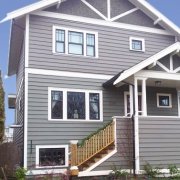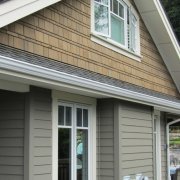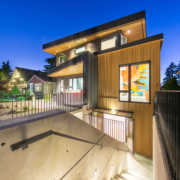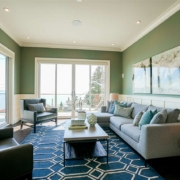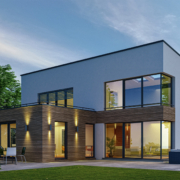
a house that is passive house and net zero energy certified

The ROI of Window Replacement: Understanding Real Returns on Your Investment

Let’s talk honestly about window replacement ROI. You’ll find plenty of articles claiming 80% or even 85% returns, but the reality is more nuanced than marketing materials suggest. Window replacement is a solid investment, but understanding what you actually get back – and when – helps you make smart decisions.

After 35+ years in the Vancouver window business, we’ve seen how windows affect home value, energy bills, comfort, and quality of life. The return goes beyond simple resale calculations, but you deserve to know the real numbers before investing thousands of dollars.

This guide breaks down actual returns you can expect, what factors affect ROI, and how to think about window replacement as both a financial and lifestyle investment.

The Resale Value Reality

What the Data Actually Shows

According to the latest remodeling cost surveys, the average return on investment for new windows falls in the 70% to 80% range. That means if you spend $12,000 on replacement windows, you’ll probably see $8,400 to $9,600 of that reflected in your home’s resale value.

Let’s be clear: you won’t get back every dollar you spend. Few home improvements do. But 70-80% recovery is genuinely strong compared to most renovations.

You can expect to recoup approximately 60%–70% of your window replacement costs when selling your home, according to Remodeling’s Cost vs. Value Report. Different studies show slightly different numbers, but the range consistently falls between 60-80%.

What Affects Your Specific ROI

Your actual return depends heavily on what you’re replacing. Replacing very old or failing windows gives you a bigger bang for your buck than swapping out relatively new ones. If you have 40-year-old single-pane aluminum windows, replacement delivers dramatic improvement. If you have 10-year-old double-pane windows, the gains are modest.

Market conditions matter enormously. In hot real estate markets where buyers compete for properties, quality windows help your home stand out. In slower markets, windows might not command the same premium.

Home value plays a role too. A $15,000 window investment in a $300,000 home makes sense. That same investment in a $150,000 home might be over-improvement for the neighborhood.

Local climate affects buyer perception. In Vancouver’s rainy, temperate climate, energy-efficient windows that prevent condensation and handle moisture get noticed. In Arizona, buyers focus on different features.

The Appraisal vs. Sale Price Question

Here’s something important: window replacement might not directly increase your home’s appraised value dollar-for-dollar. Appraisers work from comparable sales data, and they may not add significant value just for new windows.

However, quality windows definitely affect sale price in practice. Buyers comparing similar homes often pay more for the one with new windows because they’re avoiding an immediate expense and getting known performance.

Think of it this way: new windows might not officially add $10,000 to your appraised value, but they can absolutely be the difference between accepting an offer at asking price versus negotiating down because buyers factor in replacement costs.

Energy Savings: The Ongoing Return

Realistic Savings Expectations

You can expect to save up to 13% on energy bills with new windows, but only if you choose the right frame materials, features, and installation company. That “up to” matters – your actual savings depend on what you’re replacing and your home’s overall efficiency.

Replacing single-pane windows with quality double-pane Low-E windows can genuinely slash heating costs. Replacing 15-year-old double-pane windows with new ones delivers much smaller savings.

For a Vancouver home with $2,000 annual heating costs, 13% savings equals $260 per year. Over 10 years, that’s $2,600 in your pocket. Over 20 years, $5,200. These numbers add up, especially when combined with resale value.

The Whole-House Context

Windows exist within your home’s complete thermal envelope. If you have great windows but poor wall insulation and air sealing, your savings will disappoint. If windows were the weak point in an otherwise efficient home, replacement savings will exceed expectations.

Your heating system efficiency matters too. Heat pump owners might see bigger percentage savings than those with older furnaces, because the system operates more efficiently when not fighting heat loss through windows.

Usage patterns affect savings. If you keep your home at 15°C all winter, savings will be modest. If you maintain 21°C throughout a large home, better windows make a bigger impact.

Metro Vancouver Specific Considerations

Our moderate climate means we don’t see the dramatic heating savings that prairie homeowners experience. However, our persistent rain and humidity create condensation problems that quality windows solve.

The value of eliminating condensation, preventing mold, and avoiding water damage to sills and walls doesn’t show up in simple energy calculations but absolutely affects long-term costs and home preservation.

Our damp climate also accelerates degradation of poor-quality windows, meaning quality replacements deliver longer-lasting performance and avoid the replacement cycle that inferior products require.

Maintenance Cost Reduction

The Hidden Ongoing Expense

Old windows demand attention. Painting, scraping, reglazing, hardware repair, weatherstripping replacement – these tasks accumulate costs over years.

This maintenance avoidance typically saves $100-$200 annually when factoring in materials and labor costs, contributing significantly to the long-term ROI calculation.

If you’re not doing maintenance yourself, professional services add up quickly. A painter charging $1,500 to prep and paint all your window trim every 5 years costs $300 annually when amortized.

Material Differences Matter

Vinyl windows require essentially zero maintenance beyond occasional cleaning. Wood windows need regular painting and sealing to prevent deterioration.

This maintenance differential continues for the window’s entire lifespan. Over 30 years, the maintenance savings from vinyl versus wood can exceed several thousand dollars.

Metal windows can corrode, particularly in Vancouver’s coastal climate. Replacement with corrosion-resistant materials eliminates this degradation and associated repair costs.

Comfort and Quality of Life Benefits

The Unquantifiable Returns

While harder to quantify financially, the comfort improvements from new windows enhance your daily living experience. Modern windows eliminate drafts, cold spots and hot zones near windows.

How much is it worth to sit comfortably by your living room window in January without feeling cold air? What’s the value of a quiet bedroom in an urban area? These benefits don’t appear in ROI calculations but absolutely affect your life.

Condensation elimination alone transforms homes. No more wiping windows every morning, no mold developing on frames, no musty smell from persistent moisture. These quality-of-life improvements are real even if they’re not easily measured financially.

Natural light transmission improves with clean, new glass and advanced coatings that maximize visible light while controlling heat. Brighter interiors particularly matter during Vancouver’s dark winter months.

UV Protection Saves Furnishings

Quality replacement windows with UV-filtering technology protect your flooring, furniture, artwork and fabrics from sun damage. This preservation of interior investments extends the life of expensive furnishings by years.

Hardwood floors, expensive rugs, leather furniture, artwork – these items can represent tens of thousands of dollars. Protecting them from UV degradation saves replacement costs that often aren’t considered when calculating window ROI.

Time Horizon Matters Enormously

Short-Term vs. Long-Term Thinking

If you’re selling within a year, window replacement ROI focuses almost entirely on resale value and immediate buyer appeal. The 70-80% resale recovery is your primary metric.

If you’re staying 10+ years, the calculation changes completely. Energy savings accumulate. Maintenance avoidance compounds. Comfort benefits extend over thousands of days. The total return can significantly exceed initial cost.

Consider a $15,000 window investment with these returns:

  • Resale value increase: $10,500 (70%)
  • Energy savings over 10 years: $2,600
  • Maintenance avoidance over 10 years: $1,500
  • Total return: $14,600 (97% of investment)

Add another 10 years and the energy and maintenance savings continue accumulating while the windows still perform well.

The Break-Even Point

The comprehensive ROI calculation for window replacement generally supports moving forward with the investment. The combination of immediate home value increase, ongoing energy savings, reduced maintenance costs, and improved marketability typically results in windows paying for themselves within 8-12 years.

This timeframe assumes you capture both resale value and ongoing savings. If you’re planning to stay in your home at least 8-10 years, window replacement typically makes strong financial sense even before considering comfort benefits.

Maximizing Your Window Replacement ROI

Choose Appropriate Performance Levels

Don’t overspend on extreme performance you don’t need. For Vancouver’s moderate climate, U-factors of 0.20-0.28 deliver excellent performance without the premium cost of ultra-high-performance windows designed for prairie winters.

Triple-pane windows cost significantly more than quality double-pane options but deliver modest additional benefit in our climate. The cost difference rarely pays back through energy savings.

Installation Quality Makes or Breaks Returns

Poor installation undermines even the best windows. Air leaks, water infiltration, and operational problems eliminate energy savings and can cause damage that reduces home value.

Professional installation ensures proper weatherproofing, correct operation, and warranty protection. The installation cost is part of your investment – don’t undermine returns by cutting corners here.

Consider Phasing Strategically

If budget limits prevent whole-house replacement, prioritize strategically. Replace the worst-performing windows first – typically those with failed seals, operational problems, or obvious drafts.

South and west-facing windows deliver maximum energy impact. Living areas and bedrooms provide maximum comfort benefits. Visible windows from the street deliver maximum curb appeal impact.

Document Everything for Resale

Keep detailed records of your window investment including:

  • Product specifications and energy ratings
  • Installation date and contractor information
  • Warranty documentation
  • Before and after photos

When selling, these documents demonstrate the investment and validate performance claims to buyers. Many buyers specifically ask about window age and specifications.

When Window Replacement Makes Most Sense

Clear Financial Winners

Window replacement delivers strongest financial returns when:

Replacing very old windows: Single-pane or early double-pane windows from 30+ years ago provide dramatic improvement. The performance gap is substantial and obvious to buyers.

Selling within 2-3 years: You capture resale value while windows are essentially new. Buyers pay premium for turnkey homes without immediate improvement needs.

Windows are failing: Fogged glass, stuck sashes, rot, or air leaks signal failure. These problems actively hurt home value and must be addressed anyway.

High energy costs: If heating/cooling costs are substantial, the percentage savings translate to meaningful dollars. Combined with resale value, returns accelerate.

Less Clear Financial Cases

Window replacement becomes financially questionable when:

Current windows are less than 15 years old: Unless they have specific problems, relatively new windows may not provide enough improvement to justify replacement cost.

Home value is low relative to investment: Over-improving for your neighborhood means not recovering investment. If comparable homes don’t have premium windows, buyers won’t pay for yours.

Very short time horizon: Selling within 6 months doesn’t allow time to capture energy savings, and you’re absorbing the 20-30% loss between cost and resale value.

The Vinyltek Advantage for ROI

Quality That Holds Value

Vinyltek’s 35+ years of manufacturing in Vancouver means proven longevity. Windows that perform excellently for decades protect your investment far better than products requiring replacement after 15-20 years.

Our ENERGY STAR Most Efficient ratings in 30+ configurations demonstrate performance that delivers the energy savings crucial to long-term ROI.

Comprehensive Warranty Protection

Lifetime warranty coverage backed by local manufacturing means your investment stays protected. Warranties only have value if the company honors them – and remains in business to do so.

Our 35+ years of operations and local presence provide confidence that warranty coverage will be there when needed, protecting your investment throughout the windows’ lifespan.

Engineered for Vancouver’s Climate

Windows specifically engineered for Pacific Northwest conditions deliver the performance that matters here – moisture management, condensation control, and coastal durability.

Generic windows designed for other climates may disappoint in our conditions, undermining the returns you expect. Climate-appropriate engineering protects both financial and comfort returns.

The Bottom Line on ROI

Window replacement typically returns 70-80% of cost in immediate resale value. Add 10+ years of energy savings and maintenance avoidance, and total returns often approach or exceed the initial investment.

The financial case strengthens significantly when replacing very old or failing windows, staying in the home long-term, or in markets where buyers value turnkey condition.

Beyond pure financial calculations, comfort improvements, condensation elimination, and UV protection provide daily benefits throughout your ownership.

Calculate Your Specific ROI

Visit Vinyltek’s showrooms to discuss your specific situation. We’ll help you understand realistic returns based on your current windows, home value, and plans.

Our team provides honest assessment of whether replacement makes financial sense now or if waiting makes more sense for your circumstances.

Contact Vinyltek for a detailed consultation examining your windows, calculating potential energy savings, and discussing how replacement fits into your home improvement priorities and budget.

Quality windows from a company with 35+ years of Vancouver experience ensure the returns you calculate are returns you actually achieve.


Understand real window replacement ROI. Visit Vinyltek’s Metro Vancouver showrooms for honest consultation based on 35+ years of local experience.


 

East 19th Ave, Vancouver

Best Vancouver Windows: Choosing the Right Windows for Our Unique Climate

Vancouver’s climate throws curveballs that catch out-of-town window manufacturers off guard. Sure, our winters are mild compared to the rest of Canada. But we get hammered with rain – especially October through March – and deal with humidity levels that would make a greenhouse jealous.

If you’ve ever dealt with streaming condensation on your windows during winter, or noticed water infiltration during a good Pacific storm, you already know: Vancouver needs windows built for Vancouver. Generic windows designed for prairie winters or Arizona heat just don’t cut it here.

After watching windows perform (and fail) in Vancouver for decades, it’s clear what separates windows that thrive in our climate from those that struggle. Let’s break down what actually matters.

What Makes Vancouver’s Climate So Demanding?

We Get a LOT of Rain

Vancouver sees over 192 rainy days per year. That’s more than half the year. We’re talking 1,325mm of rain annually – over 52 inches. November alone dumps 209mm on us.

This isn’t gentle drizzle either. Pacific storms combine wind and rain in ways that find every weakness in window seals. Water management isn’t some nice-to-have feature – it’s absolutely essential.

If your windows can’t handle sustained moisture exposure without developing leaks or operation problems, they’re wrong for Vancouver. Period.

The Humidity Never Really Lets Up

Humidity stays above 75% year-round here. January and December hit 84%. That constant moisture creates condensation problems that homeowners in Calgary or Phoenix never deal with.

Windows need to keep interior glass surfaces warm enough that moisture won’t condense even when it’s damp outside and you’re cooking dinner inside. Poor insulation plus Vancouver humidity equals streaming windows and potential mold around frames.

Temperature Swings Are Actually Pretty Mild

Vancouver averages 11°C annually – one of the warmest cities in Canada. We range from about 7°C in January to 23°C in August. That’s remarkably stable.

This matters because you don’t need windows over-engineered for -30°C prairie winters or +40°C desert summers. You need windows optimized for our moderate, damp climate. Often the most expensive “extreme performance” windows are overkill for what Vancouver actually dishes out.

Salt Air Eats Metal Components

Living near the ocean means salt in the air. It corrodes metal surprisingly fast, especially in waterfront areas. Hardware can seize up, finishes deteriorate, and metal frames develop pitting.

Windows for Vancouver need corrosion-resistant everything – frames, hardware, fasteners, balance systems. Marine-grade components aren’t excessive here; they’re appropriate.

What Actually Matters in Vancouver Windows

Water Has to Go Somewhere

Effective drainage isn’t negotiable. Windows need multiple ways to capture and redirect water before it infiltrates your walls.

Good sill design slopes outward with channels that guide water away. Weep holes need to be properly sized and positioned to handle Vancouver’s rain volume. Pressure equalization prevents wind from forcing water past seals during storms.

You can spot inferior windows by looking at how they handle water. If there’s no clear path for moisture to escape, it’s going to cause problems eventually.

Keeping Condensation Under Control

Low U-factors (under 0.28) keep glass surfaces warmer, which prevents condensation even when indoor humidity climbs. This is huge in Vancouver.

Warm-edge spacers reduce heat transfer at glass edges where condensation forms first. Multi-chamber frames prevent cold transfer from outside to inside.

If you’re constantly wiping condensation off your windows from November through March, your current windows aren’t performing well enough for our climate.

Materials That Don’t Rot or Rust

Frame materials need to laugh at moisture. Vinyl handles Vancouver perfectly because it literally can’t rot, swell, or degrade from humidity.

Wood frames look beautiful but demand constant maintenance in our damp climate. Miss a touch-up and moisture sneaks in, causing problems that compound quickly.

Weatherstripping needs to stay flexible despite constant dampness. Marine-grade EPDM rubber vastly outperforms cheaper compounds.

Window Styles That Work Here

Casements Catch the Breeze

Our mild temperatures make natural ventilation appealing when weather cooperates. Casement windows open fully to let air flow through.

When closed, they seal tighter than most styles because the crank operation compresses weatherstripping firmly. That tight seal matters during rainy season.

Water runs off closed casements naturally rather than pooling where it might find a way in.

Double-Hung for Character Homes

Vancouver has gorgeous heritage and traditional homes. Double-hung windows suit that aesthetic while delivering modern performance.

Tilt-in sashes make cleaning easier – and we need to clean windows frequently with all our rain. Being able to do it from inside without a ladder is genuinely useful.

Opening both top and bottom sashes creates airflow that helps manage indoor humidity during decent weather.

Picture Windows for Our Views

Mountains, water, city skyline – Vancouver has views worth showcasing. Picture windows provide expansive glass with minimal frame blocking the vista.

Fixed units have no moving parts to wear out or leak. Fewer things can go wrong, which matters in demanding conditions.

Large windows also flood interiors with light during our dark winter months. When the sun actually shows up, you want to make the most of it.

Energy Performance That Makes Sense Here

U-Factor Sweet Spot

For Vancouver, U-factors between 0.20 and 0.28 hit the sweet spot. This provides excellent thermal performance without paying for extreme-climate engineering we don’t need.

Anything above 0.30 probably won’t keep you comfortable during our cool, damp months. The cost jump from 0.30 to 0.25 isn’t huge but the comfort difference is noticeable.

Look for ENERGY STAR certification at minimum. ENERGY STAR Most Efficient represents top-tier performance.

Solar Heat Gain Balance

Our summers are mild. You don’t need extremely low SHGC values like Arizona homes do. Something between 0.25 and 0.35 typically works well – blocks excessive heat without making rooms dark.

South-facing windows might go lower to prevent summer overheating. North-facing windows can prioritize insulation over solar control.

Air Sealing Matters

Quality windows achieve air leakage under 0.3 cfm/ft². That tight seal prevents drafts and heat loss during our windy, rainy weather.

Good weatherstripping and quality construction maintain that seal for decades, not just the first few years.

Glass Packages for Vancouver

Double-Pane Is Usually Plenty

Most Vancouver homes do great with double-pane windows featuring Low-E coatings and argon gas fills. This hits U-factors around 0.25-0.28 at reasonable cost.

Low-E coatings cut heat transfer while still letting light through. Argon between the panes insulates better than air for modest additional cost.

This combination delivers excellent performance for our moderate climate without overspending on features we don’t need.

Triple-Pane If You’re Particular

Triple-pane achieves U-factors of 0.15-0.20 and cuts outside noise better than double-pane. Great for urban locations or large exposed windows.

The cost premium is substantial though, and the efficiency gain is modest in our moderate climate. For most Vancouver homes, the extra cost doesn’t pay back through energy savings.

They’re also heavier, requiring beefier hardware and frames to handle the weight properly.

Warm-Edge Spacers Are Worth It

Warm-edge spacers reduce heat transfer at glass edges, keeping those areas warmer. This dramatically cuts condensation formation – critical in Vancouver’s humidity.

The modest upcharge delivers outsized benefits in condensation control. Strongly recommended for our climate.

Why Vinyltek Works for Vancouver

Actually Built for Our Weather

Vinyltek has manufactured windows in Vancouver for over 35 years. Not adapted designs from elsewhere – windows engineered from the ground up for Pacific Northwest conditions.

The Annacis Island facility means understanding coastal moisture, constant rain, moderate temperatures, and salt air from direct experience, not theory.

Three decades of seeing how windows actually perform in Vancouver weather provides insights you can’t get from lab testing.

Serious Water Management

Multi-stage water deflection, proper drainage channels, pressure equalization – designed specifically for Vancouver’s rain intensity.

Sloped sills, correctly sized weep holes, continuous drainage handle even heavy Pacific storms. Fusion-welded corners eliminate joints where water could sneak in.

Condensation Control That Works

Multi-chamber vinyl frames create thermal barriers keeping interior surfaces warm and dry. Combined with warm-edge spacers and Low-E glass, condensation stays minimal.

ENERGY STAR Most Efficient ratings in over 30 configurations show commitment to thermal performance that prevents Vancouver’s common condensation problems.

Built for Salt Air

All hardware uses stainless steel and marine-grade aluminum. Powder-coated finishes maintain appearance and function for decades.

Vinyl frames never corrode – period. Perfect for coastal locations where salt air attacks anything metal.

Local Support That Matters

Lifetime warranty backed by local presence and 35+ years in business. When you need service, parts and expertise are available locally – not through distant call centers.

Showrooms throughout Metro Vancouver let you examine windows hands-on before buying. Huge difference from ordering based on specs alone.

Choosing Windows for Your Home

Your Specific Situation Matters

Orientation, exposure, views all affect what works best. South windows benefit from different glass than north windows.

Proximity to ocean, elevation, wind exposure – waterfront faces tougher conditions than sheltered inland locations.

Think about priorities: natural light, views, ventilation, easy cleaning, low maintenance. Different styles address different priorities.

Get Professional Input

Consultation helps navigate all the variables. Vinyltek’s team knows Vancouver conditions and can recommend optimal solutions for your specific situation.

Energy modeling shows how different options perform in your actual home rather than generic recommendations.

Professional installation ensures proper weatherproofing and operation. Quality installation matters as much as quality windows.

Maintenance in Vancouver

Clean Regularly

Rain dirties windows constantly. Clean at least twice yearly to maintain views and spot any developing problems early.

Quality windows with tilt-in sashes make this easy and safe without exterior ladder work.

Check Weatherstripping Annually

Inspect for compression, damage, or separation. Vancouver humidity can accelerate wear in inferior products.

Replace worn weatherstripping promptly. Quality stuff lasts 15-20 years but check it regularly.

Keep Drainage Clear

Ensure weep holes stay clear. Blocked drainage causes water backup leading to leaks or frame damage.

Clean tracks and sills to remove accumulated dirt. Simple maintenance prevents problems and extends window life.

The Bottom Line

The best Vancouver windows aren’t necessarily the most expensive or technically advanced. They’re windows specifically engineered for our coastal climate.

Moderate temperatures, persistent rain, high humidity, salt air – these demand thoughtful material selection, advanced water management, condensation resistance, and corrosion-proof construction.

Vinyltek combines 35+ years of Pacific Northwest expertise with local manufacturing, solid engineering, and comprehensive warranty coverage. We understand Vancouver because we’ve built windows here for decades.

See for Yourself

Visit Vinyltek showrooms throughout Metro Vancouver to see windows engineered for our climate. Operate them yourself, examine construction, discuss your needs with people who understand local conditions.

Contact Vinyltek for consultation tailored to your home. We’ll help you navigate options and choose windows that excel in Vancouver’s climate for decades.


Windows engineered for Vancouver’s climate. Visit Vinyltek’s Metro Vancouver showrooms. 35+ years of Pacific Northwest expertise.


East 19th Avenue, North Vancouver

Why Vinyltek is the Best Choice for All Canadian Homes

At Vinyltek, we focus on one thing: building windows that work. For over 35 years, we have manufactured high-performance windows and doors designed specifically for the rigorous demands of the Canadian climate.

From our manufacturing facility in Delta, BC, we’ve seen plenty of “builder-grade” products fail. We’ve seen seals blow out after a few cold winters, and we’ve seen frames yellow and crack under the summer sun. We take a different approach. By partnering with the world’s best material suppliers and refusing to cut corners on engineering, we provide a product that actually lasts.

This guide breaks down exactly why Vinyltek remains the smart choice for Canadian homeowners who want quality, reliability, and long-term value.

1. Built for the Reality of Canadian Weather

Canada has one of the most aggressive climates on Earth for building materials. Your windows aren’t just looking glass; they are a critical barrier against the elements. They need to handle two major stressors: Hydrostatic Pressure and Thermal Cycling.

The Water Challenge

In coastal regions like Metro Vancouver and Vancouver Island, rain rarely falls straight down. It’s driven sideways by wind, creating massive pressure against your windows. Standard windows often rely on simple weep holes that can get overwhelmed during “atmospheric rivers.”

  • Our Solution: Our designs, particularly in the(https://www.vinyltek.com/windows/boreal/single-hung-single-slider-windows/) line, utilize fusion-welded corners. Unlike mechanically screwed corners that can loosen and leak over time, our frames are fused into a single, solid piece of vinyl. We also use quadruple-layer weatherstripping—twice the industry standard—to ensure that even if the wind is howling, your home stays dry.1

The Temperature Challenge

In many parts of Canada, the temperature can swing from -20°C to +5°C in a single day. This causes materials to expand and contract rapidly (Thermal Cycling). If a window frame expands at a different rate than the glass, the seal breaks, leading to foggy windows.

  • Our Solution: We test our products to exceed North American Fenestration Standard (NAFS) requirements for air tightness and wind load resistance. By using high-grade materials that move predictably with temperature changes, we prevent the stress fractures that kill lesser windows.

2. Better Materials: The P.H. Tech Difference

You can’t build a great window out of bad plastic. The quality of a vinyl window depends entirely on the uPVC (unplasticized Polyvinyl Chloride) compound it’s made from. That’s why we exclusively partner with P.H. Tech, a Canadian leader in uPVC extrusion.

No “Regrind” Policy

Many manufacturers cut costs by using “regrind”—recycled plastic scraps melted down and put back into the frame. Regrind is unstable; it can become brittle in the cold and yellow in the sun.

  • The Vinyltek Standard: We use 100% virgin uPVC powder.2 This ensures the molecular structure of the plastic is perfect every time. It’s why our white frames stay white and why they don’t crack when the temperature drops.

The Multi-Chamber Design

If you cut one of our frames in half, you wouldn’t see a hollow tube. You would see a complex honeycomb of internal chambers.

  • Strength & Insulation: These chambers act like the trusses in a bridge, giving the frame incredible strength. They also trap dead air, which is a fantastic insulator. Our profiles feature some of the thickest walls in the industry, ensuring your windows stay square and true for decades.

Read more about our partnership with(https://www.vinyltek.com/about/the-best-suppliers/p-h-tech/) and why this material matters.

3. Real Energy Efficiency: Glass and Gas

Heating is usually the biggest expense for a Canadian home. Installing efficient windows is one of the most effective ways to lower that cost. We are an Energy Star Participant, and many of our models have earned the “Most Efficient” designation.3

We achieve this through a three-part system using Cardinal Glass technology:

  1. LoE Coatings: We apply microscopic layers of silver to the glass. In winter, this reflects your home’s heat back inside (like a thermos). We offer specific coatings like LoE-180 for passive solar heat gain (letting the winter sun warm your home) or LoE-366 to block the harsh summer sun and protect your furniture from fading.
  2. Argon Gas: We don’t just have air between our glass panes; we fill that space with Argon. Argon is heavier and denser than air, which slows down the transfer of heat and cold.
  3. Warm-Edge Spacers: The metal bar that holds the glass panes together is often a weak point where condensation forms. We use advanced warm-edge spacers that reduce heat transfer at the perimeter of the window, keeping the edges of your glass warm and dry.

See how our ratings stack up on our(https://www.vinyltek.com/about/green-commitment/energy-stars-highest-rated-windows/) page.

4. A Product for Every Architectural Need

We believe you shouldn’t have to choose between performance and aesthetics. Our diverse product lines ensure that whether you are renovating a heritage home or building a modern masterpiece, we have the perfect fit.

EuroTwist: The Engineering Marvel

Our(https://www.vinyltek.com/windows/eurotwist/tilt-and-turn/) brings European functionality to Canada.

  • Tilt & Turn: Turn the handle one way, and the window tilts in from the top for secure, rain-proof ventilation. Turn it the other way, and it swings open like a door for easy cleaning and massive airflow.
  • Bank-Vault Security: These windows feature a multi-point locking system that engages steel reinforced locking cams around the entire perimeter of the frame.4
  • Insulation Beast: The EuroTwist frame features up to 17 internal chambers in the frame and 13 in the sash, offering thermal performance that is hard to beat.

Cortizo: Modern Aluminum without the Cold

For modern homes, architects love the slim lines of aluminum. But traditionally, aluminum windows are cold and prone to sweating. Through our partnership with Cortizo, we’ve solved this.

  • Thermal Breaks: Our(https://www.vinyltek.com/windows/cor-80-industrial-window-line/) and(https://www.vinyltek.com/doors/cortizo-exterior-folding-doors/) use a 45mm polyamide thermal break. This is a thick strip of non-conductive material that physically separates the outside metal from the inside metal.
  • The Result: You get the sleek, massive glass walls of aluminum, but the frame stays warm to the touch on the inside.

Primera: The Value Choice

Our Primera line offers our core durability features—multi-chamber vinyl, fusion welding—in a streamlined package designed for renovations and stratas. It’s the perfect balance of cost and performance.

5. A Warranty You Can Actually Use

We stand behind what we make. In an industry where warranties are often full of loopholes, ours is straightforward.

  • Lifetime Coverage: We offer a Limited Lifetime Warranty on our white vinyl components against blistering, peeling, flaking, or cracking.5
  • 25-Year Glass Coverage: We cover our insulated glass units against seal failure for 25 years. Since seal failure is the most common issue with old windows, this is a huge value.
  • Transferable: If you sell your house, this warranty transfers to the new owner. This is a great selling point that adds tangible value to your property listing.
  • Local Support: Because we manufacture in Delta, BC, we cover shipping costs for warranty parts within 100km of our factory. You aren’t waiting for a part to ship from overseas; you’re dealing with a local company.

You can view the full details in our((https://www.vinyltek.com/wp-content/uploads/2025/05/Vinyltek-Warranty-July-202442.pdf)).

6. Make the Right Choice

Choosing Vinyltek means investing in your home’s future. It means no more drafty nights, no more scrubbing mold off wet window sills, and lower energy bills for years to come.

Ready to see the difference? Browse our full range of(https://www.vinyltek.com/windows/) and(https://www.vinyltek.com/doors/), or contact us to find a dealer.

(https://www.vinyltek.com/contact/) to get started on your project.

Works cited

  1. Boréal Single-hung & Single-slider windows | Vinyltek Windows …, accessed November 19, 2025, https://www.vinyltek.com/windows/boreal/single-hung-single-slider-windows/
  2. P.H. Tech | Vinyltek Windows & Doors, accessed November 19, 2025, https://www.vinyltek.com/about/the-best-suppliers/p-h-tech/
  3. Vinyltek Windows 2025 Company Profile: Valuation, Funding & Investors | PitchBook, accessed November 19, 2025, https://pitchbook.com/profiles/company/127367-74
  4. Tilt and Turn Windows | Vinyltek Windows & Doors, accessed November 19, 2025, https://www.vinyltek.com/windows/eurotwist/tilt-and-turn/

Warranty: | Vinyltek, accessed November 19, 2025, https://www.vinyltek.com/wp-content/uploads/2025/05/Vinyltek-Warranty-July-202442.pdf


casement window vancouver

How Window Frames Affect Energy Performance

Perfect! I have comprehensive information about window frame materials and energy performance. Let me create a detailed blog on this topic.

How Window Frames Affect Energy Performance (It’s Not Just the Glass!)

Most homeowners shopping for energy-efficient windows focus entirely on the glass. Triple-pane? Low-E coatings? Argon gas fills? These glass technologies matter enormously, but there’s a critical component that often gets overlooked: the window frame.

Your window frame isn’t just the border holding the glass in place – it’s a crucial factor determining how much heat escapes your home during Metro Vancouver’s damp winter months and how much unwanted heat enters during summer. The frame can represent 15-35% of a window’s total area, and frame material choices directly impact your home’s comfort, energy bills, and overall window performance.

After 35 years of manufacturing windows specifically for the Pacific Northwest, Vinyltek has witnessed firsthand how frame design and materials dramatically affect real-world energy performance. Let’s explore why window frames deserve as much attention as glass when you’re making window decisions.

Understanding Thermal Bridging: The Frame Problem

What is Thermal Bridging?

Thermal bridging occurs when heat travels rapidly through conductive materials, bypassing insulating layers. Think of it like water finding the path of least resistance – heat does the same thing, flowing through whatever conducts it most easily.

Although very strong, light, and almost maintenance free, metal or aluminum window frames conduct heat very rapidly, which makes metal a very poor insulating material. This rapid heat transfer creates cold spots on interior surfaces during winter and hot spots during summer.

The temperature difference between interior and exterior surfaces creates these thermal bridges. Even if you have excellent insulating glass, conductive frame materials undermine overall window performance by allowing heat to bypass the glass entirely.

Frame thermal bridging shows up as cold drafts near windows, condensation on frames, and higher heating bills despite investing in quality glass packages. The frame literally defeats the purpose of energy-efficient glass.

Why Frames Matter More Than You Think

Even the most highly insulating frames do not perform as well as highly insulating glazing. The best glazing units currently have U-factors as low as 0.3–0.5 W/(m² K) whereas the best window frames have U-factors as low as 0.6–0.8 W/(m² K).

This means frames are often the limiting factor in overall window performance. You can install the most advanced glass available, but if frames conduct heat readily, your overall window U-factor suffers significantly.

The frame-to-glass ratio affects how much frame thermal performance impacts total window performance. Large picture windows with minimal frame area are less affected by frame conductivity than smaller windows where frames represent a larger percentage of total area.

Multiple small windows in the same wall area have more total frame length than fewer large windows, potentially increasing heat loss through frames despite identical glass specifications. Frame impact compounds when you consider typical homes have dozens of windows.

Vinyl Frames: Engineered for Thermal Performance

Multi-Chamber Construction Advantages

Vinyl frames have low thermal conductivity and are often built to hold multiple chambers or pockets. Those pockets are designed to trap air, which improves insulation. This multi-chamber design creates multiple thermal barriers within the frame profile.

Vinyltek’s advanced frame profiles feature strategically engineered chambers that maximize thermal resistance while maintaining structural strength. Not all multi-chamber designs are equal – chamber layout, size, and purpose significantly affect performance.

The chambers work by creating dead air spaces that resist convective heat transfer. Air is an excellent insulator when trapped in small pockets that prevent circulation. Multiple chambers create multiple resistance layers.

Chamber walls also provide additional material thickness that heat must conduct through. The combination of material conduction resistance and trapped air convection resistance creates superior thermal performance.

Natural Insulation Properties

Polyvinyl chloride (PVC) naturally resists heat transfer far better than metal alternatives. Vinyl, wood, fiberglass, and some composite frame materials provide greater thermal resistance than metal.

Vinyl’s molecular structure simply doesn’t conduct heat efficiently. Unlike metals that readily transfer thermal energy through their atomic lattice, vinyl’s polymer chains resist thermal conductivity inherently.

This natural resistance means vinyl frames don’t require additional thermal break systems or insulation barriers to achieve good performance. The base material itself functions as an insulator.

The consistent thermal properties throughout vinyl frames mean there are no weak points or thermal bridges within the frame material itself. Heat can’t find easy paths through homogeneous vinyl.

Durability in Coastal Climates

Metro Vancouver’s coastal conditions present challenges that some frame materials handle better than others. Vinyl resists moisture completely, eliminating concerns about rot, swelling, or degradation from humidity.

Salt air that corrodes metal and degrades wood has no effect on quality vinyl formulations. Modern vinyl compounds include UV stabilizers that prevent fading and brittleness even after decades of sun exposure.

Temperature cycling between cool nights and warmer days doesn’t cause expansion and contraction problems in properly engineered vinyl frames. The material remains dimensionally stable through countless thermal cycles.

This durability matters for maintaining energy performance over decades. Frames that warp, crack, or deteriorate lose their weathertight seals and insulation properties, undermining initial performance ratings.

Wood Frames: Natural Insulation with Trade-offs

Thermal Performance Benefits

Wood is also very common, because of its traditional look. Wood frames insulate very well, but require a lot of maintenance. Wood is also a natural insulator, and can deliver great thermal performance.

Wood’s cellular structure naturally resists heat transfer, providing good insulation properties without requiring complex engineering. Solid wood frames achieve respectable U-factors through material properties alone.

However, wood’s thermal performance depends heavily on species, grain orientation, and moisture content. Softwoods generally insulate better than hardwoods, but durability concerns often favor denser wood species.

The organic nature that gives wood good insulation properties also creates vulnerability. Wood’s moisture sensitivity makes it problematic in Metro Vancouver’s humid climate where dimensional stability matters for maintaining seals.

Maintenance Requirements Impact Performance

Wood frames require regular painting, staining, or sealing to maintain weather resistance. This maintenance isn’t just aesthetic – it’s essential for protecting thermal performance over time.

Failed finishes allow moisture infiltration that degrades wood structure and reduces insulation properties. Rot and decay create gaps and thermal bridges that didn’t exist when windows were new.

The maintenance burden in coastal Pacific Northwest conditions is substantial. Wood requires minimal maintenance with vinyl, as they don’t need to be painted and can remain looking like new with occasional cleaning – creating a stark contrast with wood’s ongoing care requirements.

For homeowners who won’t maintain wood frames religiously, the initial thermal performance advantages disappear within years as weatherproofing fails and wood degrades.

Fiberglass Frames: Premium Performance

Exceptional Thermal Characteristics

Fiberglass window frames have excellent thermal properties. Unlike vinyl, fiberglass is a more expensive window frame option. Many homeowners or business owners choose fiberglass when they want the same advantages of wood, but don’t want to deal with the pitfalls of wood.

Fiberglass combines low thermal conductivity with exceptional structural strength. The glass fiber reinforcement within resin matrices creates frames that don’t conduct heat readily while supporting large glass areas.

Fiberglass has a low thermal conductivity, which makes it a very effective insulator. It’s also often filled with insulation to further improve its energy efficiency, making fiberglass frames ideal for both hot and cold climates.

The ability to fill fiberglass frames with additional insulation creates thermal performance rivaling or exceeding any other frame material. However, this premium performance comes with premium pricing that may not justify the modest performance gains over quality vinyl.

Dimensional Stability Advantages

Unlike vinyl, fiberglass doesn’t expand or contract much with temperature changes, meaning it maintains its seal and energy efficiency over time. This stability preserves weatherstripping contact and frame alignment.

However, modern vinyl formulations have largely addressed expansion and contraction concerns through engineering and proper installation techniques. The stability advantage of fiberglass over quality vinyl is less significant than marketing materials suggest.

For Metro Vancouver’s moderate temperature range, thermal expansion concerns are minimal with any quality frame material. The extreme temperature cycling that might favor fiberglass rarely occurs in our temperate coastal climate.

Cost vs. Value Considerations

Fiberglass frames typically cost 30-50% more than comparable vinyl frames. This premium buys minimal real-world performance improvement in our moderate climate where even mid-range vinyl frames perform excellently.

The durability advantages of fiberglass over vinyl are also overstated. Quality vinyl windows last 30+ years with essentially no maintenance, matching fiberglass longevity at lower cost.

For specific applications where fiberglass’s strength advantages matter – very large windows or architectural demands for ultra-thin frames – the premium may be justified. For typical residential applications, vinyl provides better value.

Aluminum Frames: When Thermal Breaks Matter

The Conductivity Challenge

Aluminum window frames are the least energy-efficient as cold air is easily transferred through the material and into the home. Aluminum’s high thermal conductivity makes unbroken aluminum frames essentially useless for energy efficiency.

Metal conducts heat hundreds of times faster than vinyl or wood. This means aluminum frames create massive thermal bridges that conduct heat regardless of glass performance.

You can feel this conductivity directly – touch an aluminum frame on a cold day and it feels like ice. Touch a vinyl frame and it remains near room temperature because heat isn’t conducting through it.

Single-pane aluminum windows common in older homes are energy efficiency nightmares. The combination of poor glass and highly conductive frames makes them essentially holes in your thermal envelope.

Thermal Break Technology

Modern aluminum frames address conductivity through thermal breaks – insulating barriers separating interior and exterior aluminum sections. To reduce heat flow and the U-factor, metal frames should have an insulating plastic profile placed between the inside and outside of the frame and sash. These profiles are called thermal breaks.

Quality thermal break systems can make aluminum frames perform reasonably well, though still not matching vinyl’s inherent insulation properties. The complexity and cost of effective thermal breaks make aluminum less attractive for residential applications.

Thermal breaks must be engineered carefully to prevent compression under load, moisture infiltration, or structural failure. The additional components increase manufacturing complexity and potential failure points.

For Metro Vancouver homes, thermally-broken aluminum rarely makes sense. The cost exceeds vinyl while performance remains inferior. Aluminum’s strength advantages matter more for commercial applications with architectural demands that residential windows don’t face.

Frame Design Details That Matter

Corner Construction Impact

Fusion-welded corners like Vinyltek uses create monolithic frame structures without thermal bridges at joints. Mechanically fastened corners create gaps and conductive paths that undermine frame insulation.

Corner joints are stress points where air leakage and thermal bridging commonly occur. Quality corner construction maintains both structural integrity and thermal performance throughout the window’s lifespan.

Welded vinyl corners eliminate the metal fasteners that create thermal bridges in mechanically joined frames. No screws, no brackets, no conductive paths through corners.

The seamless nature of fusion-welded construction also improves weatherproofing by eliminating joints where water could infiltrate and compromise insulation or cause structural damage.

Spacer Systems and Edge Effects

The spacer that separates glass panes where they meet the frame significantly affects edge-of-glass thermal performance. Traditional aluminum spacers create thermal bridges at glass edges.

Most windows use glazing spacers to keep the distance between their panes for sealing purposes. Many of these spacers are made from aluminum, which is a very conductive material. There is a better alternative for higher insulation performance: special plastic spacers, generally referred to as ‘warm-edge spacers’.

Warm-edge spacer technology reduces heat transfer at glass perimeter, keeping interior glass surfaces warmer and reducing condensation at edges. This technology particularly benefits homes in humid climates like Metro Vancouver.

Quality windows integrate warm-edge spacers as standard because the modest cost increase delivers meaningful condensation control and edge thermal performance improvements.

Weatherstripping Integration

Frame design must accommodate quality weatherstripping that maintains compression throughout the window’s lifespan. Weatherstripping prevents air leakage that undermines thermal performance.

Continuous weatherstripping around the entire sash perimeter creates effective seals, but frame profiles must provide proper compression surfaces and mounting channels that preserve seal integrity.

The interaction between frame stability, hardware pressure, and weatherstripping compression determines long-term air sealing performance. Quality frame design ensures these components work together effectively.

Marine-grade weatherstripping materials resist degradation in Metro Vancouver’s humid coastal conditions, maintaining sealing performance for decades rather than requiring replacement every few years.

Frame Proportion and Window Performance

Glass-to-Frame Ratios

The percentage of window area occupied by frame versus glass affects how much frame conductivity impacts overall window U-factor. Large glass areas with minimal frame percentage are less affected by frame thermal performance.

Picture windows with large uninterrupted glass areas achieve better overall U-factors partly because frame represents minimal total area. Multiple small windows with extensive frame-to-glass ratios show frame impact more dramatically.

Window style affects these ratios significantly. Fixed picture windows have minimal frame area. Double-hung or slider windows have center rails that increase frame percentage. Bay or bow windows have multiple frame sections.

When comparing window styles or sizes, consider that nominal U-factors may vary partly due to frame-to-glass ratios rather than fundamental performance differences.

Size Matters for Efficiency

Very large windows require stronger frames to support glass weight and resist wind loads. This can necessitate thicker frame sections that potentially affect thermal performance.

However, the improved glass-to-frame ratio in large windows often more than compensates for any frame thickness increases. The net result is that large windows often achieve better overall U-factors than small windows with identical glass and frame materials.

Window manufacturers optimize frame designs for different size ranges. What works for a small bathroom window may not scale appropriately for floor-to-ceiling living room windows.

Real-World Performance in Metro Vancouver

Climate-Specific Considerations

Our moderate coastal climate doesn’t experience the extreme temperature ranges that stress some frame materials. Winter rarely brings prolonged hard freezes, and summer heat seldom reaches levels that challenge window performance.

However, the constant humidity and temperature cycling we do experience tests moisture resistance and dimensional stability. Materials that perform well in dry prairie climates may struggle in perpetually damp coastal conditions.

Vinyltek’s 35+ years manufacturing windows for this specific climate means our frame designs address the challenges that actually occur here, not theoretical problems from different regions.

The combination of moderate temperatures and high humidity favors frame materials that resist moisture completely. Vinyl excels in these conditions while wood struggles and even thermally-broken aluminum can develop condensation issues.

Condensation and Frame Temperature

Interior frame surface temperature directly affects condensation formation. Frames with poor thermal performance stay cold, creating surfaces where moisture condenses from interior air.

Condensation on and around window frames indicates thermal bridging or inadequate insulation. Quality frame materials with good thermal resistance keep interior surfaces warmer, reducing condensation risk.

Moisture that condenses on frames can cause mold growth, finish damage, and structural degradation depending on frame material. Preventing condensation through proper frame thermal performance protects both health and investment.

Multi-chamber vinyl frames with their multiple thermal barriers keep interior frame surfaces significantly warmer than conductive materials, dramatically reducing condensation problems.

Installation and Long-Term Performance

Proper Installation Preserves Performance

Even the best frame materials perform poorly if installation creates thermal bridges or air leakage paths around the frame perimeter. Proper weatherproofing and air sealing during installation are crucial.

Gaps between window frames and rough openings must be filled with non-conductive insulation and properly sealed to prevent air infiltration. Conductive shims or metal fasteners can create thermal bridges if not properly isolated.

Flashing and weatherproofing around the exterior frame perimeter prevents water infiltration that could compromise insulation or damage frame materials. Proper installation protects long-term thermal performance.

Local manufacturing and installation expertise ensures windows are installed correctly for our specific climate conditions and construction practices.

Maintenance Impact on Performance

Frame materials requiring significant maintenance see thermal performance degrade if maintenance is deferred. Failed finishes on wood frames allow moisture infiltration that reduces insulation properties.

Vinyl’s minimal maintenance requirements mean thermal performance doesn’t degrade from lack of upkeep. The frame maintains its insulation properties regardless of whether homeowners perform regular maintenance.

Weatherstripping and hardware maintenance applies to all window types regardless of frame material. However, frame stability affects how well weatherstripping maintains compression and sealing effectiveness over time.

Making Frame Material Decisions

Prioritizing Performance Factors

For Metro Vancouver homes, prioritize frame materials that:

  • Provide inherent thermal resistance without complex thermal break systems
  • Resist moisture and humidity without degradation
  • Maintain dimensional stability through temperature cycling
  • Require minimal maintenance to preserve performance
  • Deliver proven long-term durability in coastal conditions

Quality vinyl frames meet all these criteria while typically costing less than alternatives with similar or inferior performance.

Balancing Cost and Value

The cheapest frame material is rarely the best value when considering 30+ year lifespan, maintenance requirements, and energy costs. However, the most expensive option doesn’t necessarily deliver proportional performance benefits.

Vinyl frames represent optimal value for most Metro Vancouver applications, delivering excellent thermal performance at moderate cost with minimal maintenance requirements.

Consider total cost of ownership including maintenance, energy savings, and longevity rather than focusing solely on initial purchase price. Frame materials requiring extensive upkeep accumulate costs that can exceed initial savings from lower purchase prices.

Conclusion: Frames Matter as Much as Glass

Window frame materials and design dramatically affect energy performance, comfort, and long-term satisfaction. While glass technologies rightfully receive attention, ignoring frame thermal performance means missing a crucial factor in overall window efficiency.

Vinyl, wood, fiberglass, and some composite frame materials provide greater thermal resistance than metal, but among these options, vinyl offers the best combination of thermal performance, durability, cost, and minimal maintenance for Metro Vancouver conditions.

Quality engineering and manufacturing maximize frame thermal performance through multi-chamber construction, proper spacer integration, and attention to details that preserve performance for decades.

Don’t let focus on glass specifications blind you to frame importance. Choose windows with frame materials and construction that deliver the thermal performance your home deserves.

Experience Frame Quality Firsthand

Visit Vinyltek’s showrooms to see and feel frame construction quality. Compare the substantial feel of multi-chamber vinyl frames to alternatives and understand how frame design affects real-world performance.

Speak with our experts about frame materials and how they affect energy performance in your specific home. Our 35+ years of Metro Vancouver experience means honest guidance based on what actually works in our climate.

Quality frames engineered for coastal Pacific Northwest conditions combined with advanced glass packages deliver the comfort and efficiency you deserve for decades to come.


Discover how frame materials affect energy performance at Vinyltek’s Metro Vancouver showrooms. Experience quality construction that makes a real difference.

Would you like me to create a meta description for this blog?


The Truth About Window R-Values vs U-Factors: What Really Matters

You’re shopping for windows and suddenly drowning in numbers. R-values, U-factors, energy ratings, solar heat gain coefficients – it’s enough to make your head spin. Then you notice something confusing: the window industry uses U-factors while wall insulation uses R-values. Aren’t they measuring the same thing?

After 35 years of manufacturing windows in Metro Vancouver, Vinyltek has answered this question countless times. The confusion is understandable, and the answer matters more than you might think. Understanding R-values versus U-factors isn’t just technical trivia – it’s essential knowledge for choosing windows that will keep your home comfortable and energy-efficient for decades.

This guide cuts through the confusion with clear explanations, practical examples, and honest guidance about what these numbers really mean for your home.

The Basic Relationship: Inverse but Connected

Understanding R-Value

R-value measures thermal resistance – how well a material resists heat flow through it. Think of R-value as insulation power. The higher the R-value, the better something insulates. When you hear about R-20 wall insulation or R-40 attic insulation, these numbers tell you how effectively those materials resist heat transfer.

The “R” stands for resistance, which makes sense once you understand what it measures. Materials with high R-values slow down heat movement significantly. Materials with low R-values allow heat to flow more easily.

R-value is used primarily for opaque building components – walls, floors, ceilings, and roofs. These solid materials have predictable, measurable resistance to heat flow that remains relatively constant regardless of environmental conditions.

For wall insulation, you want high R-values. R-13 is minimum code requirement in many areas, but R-20 to R-30 delivers better performance. Higher numbers mean better insulation, which seems intuitive and easy to understand.

Understanding U-Factor

U-factor measures thermal transmittance – the rate at which heat flows through a material. It’s the opposite of R-value in both concept and scale. Lower U-factors mean better insulation because heat is flowing through more slowly.

The U-factor represents how much heat (measured in BTUs) transfers through one square foot of material in one hour with a one-degree Fahrenheit temperature difference between the two sides. That’s a mouthful, but it means U-factor measures the speed of heat loss or gain.

U-factor is used almost exclusively for windows and doors in North America. The window industry adopted U-factor because windows are complex assemblies of different materials – glass, frames, spacers, and gas fills – that behave differently than solid insulation materials.

For windows, you want low U-factors. Values typically range from 0.15 to 1.20, with quality windows in Metro Vancouver typically falling between 0.20 and 0.30. Lower numbers mean slower heat transfer and better energy efficiency.

The Mathematical Connection

R-value and U-factor are mathematical inverses: U-factor = 1 / R-value, or R-value = 1 / U-factor. A window with a U-factor of 0.25 has an R-value of 4 (because 1 ÷ 0.25 = 4). A window with a U-factor of 0.33 has an R-value of 3 (because 1 ÷ 0.33 = 3).

This inverse relationship means they’re measuring the same thing from opposite perspectives. R-value asks “how much does this resist heat flow?” U-factor asks “how fast does heat flow through this?” Higher R-values equal lower U-factors, both indicating better insulation.

However, while mathematically related, they’re not perfectly interchangeable in practice due to how they’re measured and applied. This is where things get more complex than simple mathematical conversion.

Why Windows Use U-Factor Instead of R-Value

Complex Assembly Challenges

Windows aren’t homogeneous materials like fiberglass batt insulation. They’re assemblies combining multiple components with very different thermal properties. The frame conducts heat differently than the glass, which performs differently than the spacer system between panes.

Calculating overall thermal performance requires accounting for these different materials and how they interact. You can’t simply add R-values together when components are arranged in complex assemblies with both series and parallel heat flow paths.

U-factor methodology handles complex assemblies better by measuring whole-unit performance rather than trying to add individual component R-values. The National Fenestration Rating Council (NFRC) tests complete window assemblies under standardized conditions to determine U-factors.

This whole-assembly approach captures real-world performance more accurately. It accounts for thermal bridging through frames, edge effects where glass meets frames, and the interactions between components that simple R-value addition would miss.

Environmental Variable Considerations

Window thermal performance changes based on environmental conditions in ways that wall insulation doesn’t. Solar radiation, wind, and temperature affect windows more dramatically than solid insulated walls.

U-factor measurements can account for these variables through different testing conditions – summer daytime and winter nighttime U-factors reflect different environmental scenarios. This provides more nuanced performance information than single R-value numbers.

Air leakage through window components affects real-world thermal performance significantly. U-factor methodology incorporates air leakage effects, while R-value traditionally doesn’t account for air movement.

The radiative heat transfer that occurs with transparent materials behaves differently than the conductive heat transfer through opaque insulation. U-factor testing captures these radiation effects more effectively.

Industry Standardization

The window industry globally uses U-values (the metric version) or U-factors (the imperial version). International standards and building codes reference U-factors, making them the universal language for window thermal performance.

ENERGY STAR ratings and certifications use U-factor as the primary thermal performance metric. NFRC labels on windows display U-factors prominently because this is what building professionals, energy programs, and codes require.

Switching to R-values would create confusion rather than clarity since manufacturers, architects, builders, and building inspectors all work with U-factors daily. The established system functions well despite requiring homeowners to learn a new metric.

Comparing windows from different manufacturers requires consistent metrics. U-factor provides this standardization, allowing apples-to-apples comparisons across brands and product lines.

What Good Numbers Look Like

U-Factor Ranges for Metro Vancouver

For our moderate coastal climate, quality windows typically achieve U-factors between 0.20 and 0.30. This range provides excellent thermal performance for heating season while maintaining reasonable costs.

ENERGY STAR requirements vary by climate zone. In colder climates, U-factors should be 0.30 or lower for windows. In mixed climates using both heating and cooling, U-factors should be 0.32 or lower InterNACHI.

Metro Vancouver falls into a mixed climate category, though heating dominates over cooling in most areas. U-factors below 0.28 deliver excellent year-round performance in our conditions.

Vinyltek’s ENERGY STAR Most Efficient windows achieve U-factors as low as 0.20, representing top-tier performance. These windows provide maximum comfort and minimum energy costs throughout our cool, damp heating season.

Premium triple-pane windows can achieve U-factors as low as 0.15, though this level of performance may exceed what most Metro Vancouver homes require. The cost premium for U-factors below 0.20 doesn’t always deliver proportional benefits in moderate climates.

Equivalent R-Value Perspective

For perspective, a window with U-factor 0.30 equals R-3.3, while U-factor 0.25 equals R-4, and U-factor 0.20 equals R-5. These R-value equivalents help you understand window performance relative to familiar wall insulation numbers.

However, comparing window R-values to wall R-values directly is misleading. Walls typically achieve R-13 to R-30 through thick insulation layers. Windows can never match these values while remaining transparent and functional.

A window’s job differs from a wall’s job. Windows must provide views, natural light, and often ventilation while insulating. Expecting window R-values to match wall R-values is unrealistic and unnecessary.

Quality windows minimize heat loss through their specific area while solid walls handle insulation for the majority of your home’s envelope. Both components working together create overall thermal performance.

Old vs. New Window Performance

Single-pane windows from decades ago typically had U-factors around 1.0 (R-1), providing minimal insulation. Standing near these windows on cold days, you felt the cold radiating from the glass surface.

Basic double-pane windows from the 1980s and 1990s achieved U-factors around 0.50 (R-2), doubling insulation value over single-pane but still far below current standards. These windows showed condensation and cold spots during winter months.

Modern double-pane windows with Low-E coatings and gas fills typically achieve U-factors of 0.25-0.30 (R-3.3-R-4), providing four times better insulation than old single-pane windows. The comfort difference is dramatic.

Premium triple-pane windows achieve U-factors of 0.15-0.20 (R-5-R-6.7), providing five to six times better insulation than single-pane windows. These represent current best-available technology for residential applications.

Beyond U-Factor: Other Important Ratings

Solar Heat Gain Coefficient (SHGC)

While U-factor measures heat conduction through windows, Solar Heat Gain Coefficient measures how much solar radiation passes through glass. SHGC ranges from 0 to 1, with lower numbers meaning less solar heat gain.

In Metro Vancouver’s moderate climate, SHGC between 0.25 and 0.35 typically works well. This range blocks excessive summer heat while allowing beneficial winter solar gain on south-facing windows.

In cold climates on south-facing walls, higher SHGC values of 0.42 to 0.63 are desirable for passive solar heating. On north-facing walls, you want the lowest U-factor possible.

SHGC becomes more important than U-factor in cooling-dominated climates. For Metro Vancouver homes where heating dominates, U-factor generally matters more than SHGC, though both contribute to overall comfort and efficiency.

Advanced Low-E coatings can be tuned for different SHGC values while maintaining low U-factors. This allows optimization for specific orientations and usage patterns.

Air Leakage Ratings

Air leakage through windows affects comfort and energy consumption significantly, yet it’s often overlooked when focusing on U-factor alone. Air leakage is measured in cubic feet per minute per square foot of window area.

Quality windows achieve air leakage rates below 0.3 cfm/ft². Values below 0.2 indicate excellent sealing. Poor sealing undermines even the best U-factor ratings by allowing conditioned air to escape and outside air to infiltrate.

Weatherstripping quality and frame construction determine air leakage performance. Fusion-welded corners and quality sealing systems maintain low air leakage throughout the window’s lifespan.

Air leakage often increases as windows age and weatherstripping compresses or deteriorates. Quality construction and materials minimize this degradation, maintaining performance for decades.

Visible Transmittance (VT)

Visible Transmittance measures how much visible light passes through windows, ranging from 0 to 1. Higher VT means more natural light enters your home.

VT typically ranges from 0.30 to 0.70 for residential windows. Values above 0.60 allow abundant natural light while still providing good thermal performance. Values below 0.40 may make rooms feel dark despite providing excellent insulation.

Low-E coatings affect both U-factor and VT. Finding the right balance ensures windows provide both energy efficiency and adequate natural lighting. This balance is particularly important in Metro Vancouver where natural light is precious during darker months.

Comparing VT across windows helps you choose products that match your priorities. Living rooms might prioritize higher VT for bright, inviting spaces, while other rooms might emphasize insulation over light transmission.

How Glass Packages Affect U-Factor

Single-Pane: The Baseline

Single-pane windows provide minimal insulation with U-factors around 1.0. These old windows allow rapid heat transfer, creating cold surfaces that radiate chill into rooms and show condensation in humid conditions.

Single-pane windows are essentially obsolete for residential applications. Building codes prohibit them in new construction, and replacement makes economic sense for existing single-pane windows in any heated home.

The lack of insulation in single-pane windows means heating systems work much harder to maintain comfort. Cold window surfaces create convective loops that circulate cold air through rooms even when thermostats show reasonable temperatures.

If you have single-pane windows, replacement should be a high priority. The energy savings alone typically pay back window costs within 10-15 years, while comfort improvements are immediate and dramatic.

Double-Pane with Air: The Standard

Basic double-pane windows with air between panes achieve U-factors around 0.50. The air space provides insulation by reducing conductive heat transfer between glass layers.

Air conducts heat more than inert gases, limiting insulation value. The space between panes must be optimized – too narrow and conduction dominates, too wide and convection loops develop. About 1/2 inch spacing works best with air fills.

Basic double-pane windows represent minimum acceptable performance for modern construction but don’t achieve top efficiency levels. They’re better than single-pane but significantly less efficient than gas-filled alternatives.

Most quality window manufacturers no longer produce air-filled double-pane windows, instead using gas fills as standard. The modest cost increase for gas fills delivers meaningful performance improvements.

Double-Pane with Gas Fills and Low-E: The Sweet Spot

Double-pane windows with argon or krypton gas fills and Low-E coatings achieve U-factors of 0.25-0.30, delivering excellent performance at reasonable costs. This configuration represents the sweet spot for most Metro Vancouver homes.

Argon gas conducts heat less than air, improving insulation significantly. Argon is colorless, odorless, non-toxic, and inexpensive, making it the most common gas fill for residential windows.

Low-E (low-emissivity) coatings are microscopically thin metallic layers that reflect infrared heat while allowing visible light to pass. These coatings dramatically improve U-factors by reducing radiative heat transfer.

The combination of gas fills and Low-E coatings in double-pane windows delivers 80-90% of triple-pane performance at 60-70% of the cost. For most applications, this represents optimal value.

Triple-Pane: Maximum Performance

Triple-pane windows with two gas-filled cavities and multiple Low-E coatings achieve U-factors of 0.15-0.20, representing maximum practical performance for residential applications.

The additional glass pane and gas cavity provide another thermal barrier, significantly reducing heat transfer. However, triple-pane windows are heavier, thicker, and more expensive than double-pane alternatives.

In Metro Vancouver’s moderate climate, triple-pane performance benefits may not justify the cost premium for most homes. Very large windows, high-exposure locations, or passive house projects might warrant triple-pane investment.

Triple-pane windows reduce outside noise more effectively than double-pane alternatives, providing an additional benefit beyond thermal performance. For homes near busy streets or in flight paths, this noise reduction may justify the investment.

Frame Materials and U-Factor Impact

Vinyl Frame Performance

Quality vinyl frames with multi-chamber construction achieve excellent U-factors by creating multiple air pockets that resist heat transfer. Vinyl doesn’t conduct heat significantly, so frames don’t create thermal bridges.

The number and design of chambers within vinyl frames affect overall window U-factor. More chambers generally improve performance, though chamber layout and purpose matter more than simple chamber count.

Vinyltek’s engineered frame profiles optimize chamber design for Metro Vancouver’s climate, balancing thermal performance with structural requirements and manufacturing efficiency.

Vinyl frames require no thermal breaks or additional insulation to achieve low U-factors. The material itself provides excellent thermal resistance without special enhancements.

Aluminum and Thermal Break Requirements

Aluminum conducts heat rapidly, creating thermal bridges that significantly increase window U-factors without proper treatment. Unbroken aluminum frames can have U-factors above 1.0 regardless of glass performance.

Thermal breaks – insulating barriers within aluminum frames – dramatically improve performance by interrupting conductive heat paths. Quality thermally-broken aluminum windows can achieve U-factors comparable to vinyl windows.

The added complexity and cost of thermal break systems make aluminum less cost-effective than vinyl for residential applications in most cases. Aluminum’s strength advantages matter more for commercial applications with very large glass areas.

For residential use in Metro Vancouver, vinyl typically provides better value than thermally-broken aluminum while delivering equivalent or better thermal performance.

Wood and Composite Options

Wood provides good natural insulation with U-factors competitive with vinyl when properly constructed. However, wood requires significant maintenance in Metro Vancouver’s humid climate and doesn’t perform well long-term in coastal exposure.

Wood composite materials attempt to combine wood’s thermal properties with better moisture resistance. Performance varies significantly by specific composite formulation and construction.

The maintenance requirements and moisture sensitivity of wood and wood composite materials generally outweigh any thermal performance advantages over quality vinyl in Pacific Northwest applications.

Real-World Performance vs. Ratings

Laboratory vs. Installed Performance

NFRC U-factor ratings come from controlled laboratory testing under standardized conditions. Real-world performance in your home may vary based on installation quality, frame condition, and environmental factors.

Proper installation with correct flashing, weatherproofing, and air sealing ensures windows perform as rated. Poor installation creates air leakage and thermal bridging that undermine even the best window ratings.

Over time, weatherstripping compresses, seals may deteriorate, and hardware can wear. Regular maintenance preserves performance and ensures windows continue delivering rated efficiency throughout their lifespan.

Environmental conditions affect performance too. High winds increase air infiltration pressures, while intense sun exposure can stress seals and accelerate degradation in inferior products.

Whole-House Energy Impact

Windows typically represent 10-25% of home heat loss despite occupying much less wall area. This disproportionate impact means window quality significantly affects overall energy consumption.

However, windows don’t exist in isolation. Wall insulation, air sealing, heating system efficiency, and other factors combine to determine total energy usage. Excellent windows in poorly insulated homes won’t achieve optimal results.

The energy savings from window replacement depend on what you’re replacing and overall home efficiency. Replacing single-pane windows delivers dramatic savings. Replacing 15-year-old double-pane windows provides modest improvements.

Total cost of ownership includes energy savings, maintenance costs, comfort improvements, and longevity. U-factor is important but should be considered alongside these other factors when making decisions.

Making Sense of Marketing Claims

“Equivalent to R-20 Wall!” Claims

Some window marketers convert U-factors to R-values and compare them to wall insulation R-values. A window with U-factor 0.25 (R-4) might be marketed as “provides R-4 insulation!” as if this compares favorably to wall insulation.

This comparison is misleading. Windows can never match solid wall insulation values while remaining transparent and functional. Expecting window R-values comparable to wall R-values is unrealistic.

The relevant comparison is between different windows, not between windows and walls. A window with U-factor 0.25 is significantly better than one with U-factor 0.35, regardless of how either compares to wall insulation.

Quality marketing provides clear U-factor numbers and explains what they mean for real-world performance. Misleading marketing obscures meaningful comparisons with irrelevant wall insulation references.

Center-of-Glass vs. Whole-Window U-Factors

Some manufacturers advertise center-of-glass U-factors, which measure performance of just the glass area away from frames. These numbers look impressive but don’t represent actual window performance.

NFRC whole-window U-factors account for frames, edges, and glass together – the complete assembly as it performs in your home. These numbers are always higher (worse) than center-of-glass ratings.

When comparing windows, ensure you’re comparing whole-window U-factors from NFRC labels. Center-of-glass numbers, while useful for understanding glass technology, don’t predict real-world installed performance.

Quality manufacturers like Vinyltek provide complete NFRC ratings and explain what they mean honestly. Transparency about testing methodology and rating standards demonstrates confidence in real performance.

The Importance of Independent Testing

NFRC certification requires independent testing by accredited laboratories using standardized methods. This third-party verification ensures ratings are accurate and comparable across manufacturers.

Self-reported ratings without NFRC certification may not be reliable. Testing methodologies can vary, and without independent verification, there’s no assurance that claimed performance reflects reality.

ENERGY STAR certification requires NFRC testing, providing additional confidence in advertised performance. Look for both NFRC labels and ENERGY STAR certification when evaluating windows.

Practical Application: Choosing Windows

Prioritizing Performance Factors

For Metro Vancouver homes, prioritize U-factor for thermal performance. Target values below 0.28 for excellent efficiency that will keep homes comfortable and energy costs reasonable.

Balance U-factor with other considerations like SHGC for solar heat management, VT for natural light, and air leakage for overall sealing quality. No single number tells the complete story.

Consider window orientation when selecting glass packages. South-facing windows might use different Low-E coatings than north-facing windows to optimize performance for their specific exposure.

Professional guidance helps navigate these choices. Our team considers your home’s specific conditions, orientation, and usage patterns to recommend optimal window configurations.

Budget vs. Performance Balance

The difference in cost between U-factor 0.30 windows and U-factor 0.25 windows is typically modest – perhaps 10-15% – while delivering meaningful performance improvements.

Spending more for U-factor 0.20 windows provides diminishing returns in moderate climates like Metro Vancouver’s. The additional cost may exceed the energy savings benefit over the window’s lifespan.

Focus budget on achieving at least U-factor 0.30 across all windows rather than premium performance on some windows and basic performance on others. Consistent quality throughout your home matters more than exceptional performance in isolated areas.

Total value includes warranty coverage, manufacturing quality, and local support alongside performance ratings. The best U-factor rating is worthless if windows fail prematurely or the manufacturer won’t stand behind their product.

Conclusion: Understanding What Really Matters

R-values and U-factors measure the same fundamental property – thermal performance – from opposite perspectives. Windows use U-factors because they’re complex assemblies requiring whole-unit testing methodology.

For Metro Vancouver homeowners, focus on achieving whole-window U-factors below 0.28 from windows with NFRC certification and ENERGY STAR ratings. These ratings predict real-world performance accurately.

Don’t get distracted by R-value marketing or misleading comparisons to wall insulation. Compare windows to other windows using standardized U-factor ratings on NFRC labels.

Quality windows engineered for our climate and backed by comprehensive warranties deliver performance you can count on for decades, regardless of whether you think about that performance in terms of R-values or U-factors.

Get Expert Guidance

Visit Vinyltek’s showrooms to see NFRC labels on actual windows and discuss what the ratings mean for your specific situation. Our team explains performance numbers honestly and helps you choose windows that deliver real value.

Contact our experts with questions about U-factors, R-values, or any other aspect of window performance. We’re here to cut through confusion and help you make confident decisions based on 35+ years of Metro Vancouver experience.
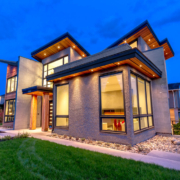
Whether you’re focused on R-values, U-factors, or simply want windows that keep your home comfortable while reducing energy costs, Vinyltek delivers quality and performance you can trust.


Confused by window ratings? Visit Vinyltek’s Metro Vancouver showrooms for clear explanations and honest guidance on choosing windows that deliver real performance.


Vinyltek Windows Doors on HGTV Celebrity IOU

How to Choose the Best Windows for Your Living Room

Your living room is where life happens. It’s where family gathers, where you entertain guests, where you relax after long days, and often the first space visitors see when entering your home. The windows you choose for this essential room affect everything from natural light and energy efficiency to comfort, views, and your home’s overall character.

After 35 years of manufacturing windows for Metro Vancouver homes, Vinyltek understands that living room windows require careful consideration. They’re not just functional elements – they’re focal points that shape how you experience your home’s most important space.

This guide will help you choose windows that transform your living room into the bright, comfortable, inviting space you envision, while addressing the practical considerations that ensure long-term satisfaction.

Understanding Your Living Room’s Unique Requirements

Light, Views, and Atmosphere

Living rooms demand more natural light than almost any other space in your home. This is where you read, work on hobbies, entertain, and spend countless hours. Adequate natural light makes the space feel larger, more inviting, and more comfortable while reducing dependence on artificial lighting.

The views from your living room windows matter enormously. Whether you’re overlooking gardens, mountains, ocean, or urban landscapes, your windows frame these vistas and connect your indoor space to the outside world. Poor window choices can compromise beautiful views or fail to minimize undesirable sightlines.

Atmosphere depends heavily on how light enters throughout the day. Morning light creates different moods than afternoon or evening light. Window orientation, size, and style all contribute to the ambiance you experience at different times.

Privacy and Exposure Considerations

Many living rooms face streets or neighboring properties, creating privacy challenges that bedroom or bathroom windows don’t typically encounter. You want abundant natural light without feeling exposed to passing traffic or nearby homes.

Ground-floor living rooms particularly require balancing openness with privacy. Large windows that flood the space with light may also flood it with unwanted visibility from outside. Window placement height, treatments, and landscaping all factor into achieving the right balance.

Upper-floor living rooms face fewer privacy concerns but may have different challenges related to heat gain, glare, or maintaining comfortable temperatures. Understanding your specific exposure helps guide window selection.

Window Orientation and Solar Considerations

South-Facing Living Rooms

South-facing living rooms receive the most consistent natural light throughout the day in the northern hemisphere. This orientation captures maximum sunlight during winter months, providing natural warmth that reduces heating costs significantly.

However, south-facing windows can cause overheating during summer months if not properly managed. Advanced Low-E coatings help control solar heat gain while maintaining light transmission, keeping spaces comfortable year-round.

The intense direct sunlight from south-facing windows can fade furniture, flooring, and artwork over time. Quality glass packages with UV-blocking properties protect your investments while allowing you to enjoy abundant natural light.

South-facing orientations work beautifully for living rooms where you want bright, cheerful spaces throughout the day. Strategic window placement and proper glass selection maximize benefits while minimizing challenges.

North-Facing Living Rooms

North-facing living rooms receive soft, diffused light that remains remarkably consistent throughout the day. This orientation never experiences harsh direct sunlight, eliminating concerns about glare or overheating.

The trade-off is reduced solar heat gain during winter months, potentially increasing heating requirements. Energy-efficient windows with excellent insulation values help offset this concern.

North-facing windows create calm, even lighting ideal for certain activities. Artists often prefer north light for its consistency and lack of harsh shadows. Living rooms serving as home offices or studios benefit from this stable illumination.

While north-facing rooms receive less dramatic natural light, larger window areas can compensate. The soft quality of northern light makes even large expanses of glass comfortable rather than overwhelming.

East and West-Facing Living Rooms

East-facing living rooms capture gentle morning sunlight perfect for beginning the day. If your family gathers in the living room for morning coffee or breakfast, this orientation provides pleasant natural light during those hours.

The morning light from east-facing windows warms rooms during cooler hours, contributing to comfort without the afternoon heat intensity that west-facing windows bring. Energy efficiency benefits from this timing of solar gain.

West-facing living rooms receive intense afternoon and evening sunlight. This creates warm, glowing spaces during times when families often gather after work and school. The lighting is perfect for evening entertaining and relaxation.

However, west-facing windows can bring significant heat gain during summer afternoons. Proper glass selection and window treatments manage this heat while preserving the beautiful evening light that makes west-facing living rooms so inviting.

Window Styles for Living Rooms

Picture Windows: Maximum Light and Views

Picture windows offer expansive, unobstructed glass that floods living rooms with natural light while framing views like artwork. These fixed windows don’t open, but their simplicity allows for larger glass areas and cleaner sightlines.

The lack of grills, muntins, or dividing rails means nothing interrupts your view. For living rooms overlooking gardens, mountains, water, or cityscapes, picture windows showcase these vistas without distraction.

Energy efficiency in picture windows can be exceptional because fixed units eliminate air leakage concerns associated with operating windows. Quality sealed units with advanced glass packages provide superior thermal performance.

Picture windows work beautifully as central focal points flanked by operable windows for ventilation. This combination provides maximum light and views while maintaining functional airflow when needed.

Casement Windows: Ventilation and Contemporary Style

Casement windows hinge on one side and swing outward using crank mechanisms. They provide unobstructed views when closed and exceptional ventilation when open, capturing breezes and directing airflow into rooms.

The clean lines of casement windows suit contemporary and transitional design aesthetics increasingly popular in Metro Vancouver homes. Their operation allows full opening of the window area, providing maximum ventilation compared to sliding window styles.

Quality casement windows like Vinyltek’s seal tightly when closed, delivering excellent energy efficiency. The crank operation compresses weatherstripping firmly against frames, creating superior seals compared to gravity-dependent systems.

Casement windows positioned to catch prevailing breezes can significantly improve natural ventilation. In Metro Vancouver’s moderate climate, this reduces reliance on air conditioning during warmer months while maintaining comfort.

Double-Hung Windows: Traditional Versatility

Double-hung windows offer traditional styling that suits many architectural styles common in Metro Vancouver. Both sashes operate independently, providing ventilation flexibility and cleaning convenience.

The ability to open both top and bottom sashes creates natural convection that circulates air effectively. This makes double-hung windows excellent choices for living rooms where air quality and temperature control matter.

Tilt-in sashes on modern double-hung windows make cleaning simple and safe, particularly important for upper-story living rooms. Maintaining clear, clean windows ensures you continue enjoying views and maximum light transmission.

The vertical proportions of double-hung windows complement traditional home styles while providing the performance characteristics modern homeowners expect. Quality engineering ensures they deliver energy efficiency rivaling any window style.

Bay and Bow Windows: Architectural Interest

Bay and bow windows extend outward from the home’s exterior, creating additional interior space while dramatically increasing glass area. They capture light from multiple angles, brightening rooms more effectively than flat window installations.

The protruding design creates natural nooks perfect for window seats, reading areas, or plant displays. These features add functionality and charm to living rooms while maximizing natural light.

Bay windows typically consist of a large central picture window flanked by angled casement or double-hung windows. Bow windows curve gracefully with multiple window units creating a rounded projection. Both styles make dramatic architectural statements.

The multiple angles of bay and bow windows capture light throughout the day regardless of sun position. Morning, afternoon, and evening light all enter from different panes, keeping spaces bright and inviting constantly.

Sliding Windows: Modern Simplicity

Sliding windows operate horizontally, making them ideal where vertical space is limited or where contemporary clean lines complement architectural design. They provide large glass areas and easy operation.

The horizontal proportions of sliding windows suit modern and mid-century architecture increasingly popular in Metro Vancouver. Their simple operation and clean profiles emphasize views rather than window mechanics.

Sliding windows work particularly well in living rooms with furniture placement that makes other window styles inconvenient. They don’t project inward or outward, preserving clearance around the window area.

Modern sliding window designs have overcome the air leakage problems that plagued older versions. Quality construction and weatherstripping create seals rivaling any window type.

Size Matters: Getting Proportions Right

Balancing Glass Area with Energy Efficiency

Larger windows obviously provide more light and better views, but they also affect energy efficiency and comfort. Finding the right balance requires considering glass performance, orientation, and your home’s overall energy characteristics.

Modern high-performance glass packages allow larger window areas without compromising energy efficiency. Triple-pane construction with Low-E coatings and gas fills provides insulation previously impossible with expansive glass areas.

The relationship between glass area and wall area affects room aesthetics and functionality. Too little glass creates dark, cave-like spaces. Too much glass can create temperature control challenges and furniture placement difficulties.

Generally, window area should represent 15-20% of floor area for balanced lighting and energy efficiency. Living rooms often benefit from slightly higher ratios given their importance and need for abundant natural light.

Ceiling Height Considerations

Standard ceiling heights around 8-9 feet allow for conventional window sizing. Taller windows capture more light and create vertical visual interest, but must be proportionate to avoid appearing awkward.

Higher ceilings in modern homes enable floor-to-ceiling or near-ceiling window installations that dramatically transform living spaces. These create indoor-outdoor connections and flood rooms with natural light.

Very tall windows should maintain appropriate width proportions – generally no more than 2-2.5 times as tall as they are wide. Excessively narrow tall windows look uncomfortable and provide limited functional light distribution.

Multiple windows stacked or arranged together can create impressive glass walls while maintaining manageable individual unit sizes. This approach combines dramatic impact with practical manufacturing and installation considerations.

Furniture and Layout Planning

Window placement must consider furniture layouts. A beautiful window becomes problematic if it prevents logical furniture placement or forces awkward room arrangements.

Living room sofas often face windows or are placed below them. Window height and position should accommodate furniture without blocking views or light. Sill heights around 24-36 inches work well for maintaining sightlines over seated furniture.

Entertainment centers and televisions require consideration when planning window placement. West-facing windows can create glare on screens during evening viewing. Strategic window positioning or treatment planning addresses these concerns.

Traffic flow through living spaces affects ideal window locations. Windows shouldn’t disrupt natural pathways or create awkward spaces that complicate room use and furniture arrangement.

Energy Performance for Living Room Comfort

Thermal Comfort Throughout Seasons

Living rooms experience significant use year-round, making comfort in all seasons essential. Windows dramatically affect how rooms feel regardless of thermostat settings.

Cold drafts near windows create discomfort during Metro Vancouver’s cool, damp months. Quality windows with excellent insulation values eliminate cold spots and maintain even temperatures throughout rooms.

Summer overheating in living rooms with significant west or south exposure can make spaces uncomfortable during afternoon and evening hours. Proper glass selection balances solar heat gain with natural light needs.

Vinyltek’s ENERGY STAR Most Efficient windows provide optimal performance for Metro Vancouver’s moderate climate, maintaining comfort year-round while reducing energy costs.

Condensation Management

Living room windows face condensation challenges common in Metro Vancouver’s humid climate. Warm interior air meeting cold glass surfaces creates moisture that can damage frames and sills.

Quality windows with warm-edge spacer systems and low U-factors keep interior glass surfaces warmer, reducing condensation formation. Multi-chamber vinyl frames provide additional thermal breaks that prevent cold transfer.

Proper ventilation in living rooms helps manage humidity levels that contribute to condensation. Windows with good air-sealing prevent cold drafts while maintaining indoor air quality through controlled ventilation.

Room heating and air circulation affect condensation formation. Living rooms should maintain consistent temperatures and air movement to minimize temperature differences that cause condensation.

Noise Reduction Considerations

Urban and Street Noise Control

Living rooms facing busy streets or in urban areas benefit enormously from windows with excellent sound reduction properties. Traffic noise, sirens, and general urban sounds can significantly impact comfort and relaxation.

Glass package selection affects sound transmission significantly. Laminated glass with acoustic interlayers provides superior noise reduction compared to standard insulated glass units.

Frame design and weatherstripping quality also impact sound transmission. Gaps that allow air infiltration also allow sound infiltration. Quality sealing systems block both effectively.

Multiple panes with different thicknesses disrupt sound wave transmission more effectively than symmetrical glass packages. This acoustic engineering consideration supplements thermal performance goals.

Peaceful Living Spaces

Noise reduction creates more restful, peaceful living environments where conversation, entertainment, and relaxation occur without constant background intrusion. Quality windows transform urban living room experiences.

The difference between standard and sound-reducing windows is dramatic in noise-affected locations. Traffic that was previously a constant presence fades to barely noticeable background.

For living rooms doubling as work-from-home spaces, noise reduction helps maintain focus and allows video conferencing without embarrassing background noise.

Sleep areas near living rooms also benefit when living room windows reduce exterior noise effectively, preventing disturbances that travel through the home.

Aesthetic Considerations and Design Harmony

Architectural Style Compatibility

Window style should harmonize with your home’s architectural character. Traditional homes suit double-hung or casement windows, while contemporary designs might call for large picture windows or minimalist sliding units.

Metro Vancouver’s housing stock includes heritage Craftsman homes, mid-century modern designs, contemporary West Coast architecture, and everything between. Each style has window traditions worth respecting.

Mixing window styles within the same home works when done thoughtfully. Living room windows can make bold design statements while maintaining compatibility with overall architectural character.

Grid patterns, frame colors, and trim details should coordinate across window types and throughout the home’s visible facades. Consistency creates polished, intentional appearances.

Interior Design Integration

Window style affects interior design possibilities significantly. Modern minimalist spaces benefit from clean-lined windows that emphasize views over frames. Traditional interiors might prefer divided-light windows adding architectural detail.

Frame colors impact room aesthetics substantially. White frames create bright, airy feels while darker frames make bold contemporary statements. Interior and exterior colors need not match on quality windows.

Window treatments depend partly on window style. Some window configurations work better with certain treatment types, affecting both function and aesthetics.

The visual weight of windows affects room balance. Large expanses of glass create focal points requiring appropriate surrounding design elements for visual harmony.

Safety and Building Code Requirements

Egress Requirements

Living rooms may require egress windows if used as sleeping areas or if bedroom access requires passing through the living room. Building codes specify minimum opening sizes for emergency escape.

Understanding egress requirements before selecting windows prevents discovering non-compliance after purchase and installation. Most areas require openings at least 5.7 square feet with minimum height and width dimensions.

Operating styles affect egress suitability. Casement windows provide full opening areas, while double-hung and sliding windows provide approximately 50% of their total area as egress space.

Emergency escape considerations extend beyond code compliance to practical ability to exit quickly if needed. Window operation should be simple enough for children and elderly family members to operate under stress.

Tempered Glass Requirements

Building codes often require tempered or laminated safety glass for windows within certain distances of floors or in doors. These requirements protect occupants from injury if glass breaks.

Large picture windows or glass doors in living rooms typically require safety glazing. Understanding these requirements ensures compliance while maintaining desired aesthetics.

Tempered glass breaks into small granular pieces rather than large dangerous shards. Laminated glass holds together even when broken, remaining in the frame rather than falling.

Quality manufacturers specify appropriate glass types for each application, ensuring code compliance without requiring homeowners to become glass experts.

The Vinyltek Advantage for Living Room Windows

Customization for Your Specific Needs

Vinyltek manufactures windows locally on Annacis Island, allowing customization that mass-market manufacturers can’t match. Your living room’s unique requirements can be accommodated through custom sizing and configurations.

Our 35+ years manufacturing windows specifically for Metro Vancouver’s climate means we understand exactly what your living room windows will face. We engineer for coastal moisture, moderate temperatures, and the rainfall patterns that define our region.

Our range of operating styles ensures you can find windows perfectly suited to your living room’s needs – whether you prioritize views, ventilation, easy cleaning, or specific aesthetic requirements.

Glass package selection through partnerships with premium suppliers like Cardinal Glass ensures optimal performance for your specific orientation, exposure, and climate control needs.

Quality That Shows

The difference between average windows and quality windows becomes obvious in daily living room use. Smooth operation, clear views, stable temperatures, and quiet interiors result from engineering and manufacturing excellence.

Our fusion-welded corners create monolithic strength that maintains weathertight seals through decades of thermal cycling. Lesser windows develop gaps at corners that compromise both performance and appearance.

Hardware quality determines whether windows continue operating smoothly after years of use or become difficult and frustrating. Marine-grade components resist corrosion in Metro Vancouver’s coastal environment.

Glass quality affects everything from clarity and light transmission to condensation resistance and energy performance. We specify premium glass because long-term satisfaction depends on it.

Comprehensive Support and Warranty

Our lifetime warranty provides peace of mind that living room windows will perform beautifully for as long as you own your home. This coverage reflects manufacturing confidence backed by decades of proven performance.

Local presence means service and support when needed. You’re not navigating distant call centers or uncertain supply chains. Parts, service, and expert guidance remain available throughout your windows’ lifetime.

Showrooms throughout Metro Vancouver allow you to see, operate, and compare window options before making decisions. Hands-on experience reveals quality differences that specifications alone can’t convey.

Making Your Decision

Assessment and Planning

Start by evaluating your current living room windows honestly. What works well? What needs improvement? Understanding existing problems guides better choices for replacements.

Consider how you actually use your living room. Do you entertain frequently? Work from home? Need space that accommodates various activities? Your lifestyle should drive window selection.

Measure carefully and photograph current conditions before consultation. This information helps professionals provide accurate recommendations and pricing.

Think about long-term plans. Windows last 30+ years, so consider not just current needs but anticipated changes in lifestyle, family composition, or home use.

Professional Consultation Value

Expert guidance helps navigate the many variables affecting living room window selection. Our team asks questions that reveal priorities you might not have consciously considered.

We can assess orientation, exposure, privacy concerns, and architectural compatibility to recommend specific solutions for your unique situation. Generic advice rarely captures individual circumstances adequately.

Professional energy modeling can show how different window options will actually perform in your specific living room. This objective analysis supplements general recommendations with hard performance data.

Installation quality affects even the best windows’ performance. Professional installation ensures proper weatherproofing, alignment, and operation that maximize your window investment.

Conclusion: Transforming Your Living Room Experience

Your living room windows shape daily experiences more than almost any other home element. They determine how light enters, how comfortable temperatures feel, how connected you are to outdoor spaces, and how your home appears from both inside and outside.

Choosing wisely means considering multiple factors simultaneously – orientation, style, size, performance, aesthetics, and practical use. It requires balancing competing priorities to find solutions that serve your specific needs best.

Quality windows engineered for Metro Vancouver’s climate and manufactured to exacting standards transform ordinary living rooms into extraordinary spaces that enhance daily life for decades.

Start Your Living Room Transformation

Visit Vinyltek’s showrooms to experience different window styles and see quality construction firsthand. Operate windows yourself to understand how different styles function and feel.

Speak with our experts about your specific living room needs. We’ll help you navigate options and find windows that perfectly suit your space, lifestyle, and budget.

Whether you’re building new, renovating extensively, or simply replacing worn-out windows, Vinyltek’s 35+ years of Metro Vancouver experience ensures you get living room windows that delight you every day for decades to come.


Obscured Glass Options from Vinyltek

This “Obscured Glass Options” document from Vinyltek showcases our range of decorative and privacy glass styles, including Delta Frost, Rain, Glue Chip, Cross Reed, and more.

It outlines each pattern’s available thickness and maximum sheet size, helping customers choose based on design and performance needs. The document also explains installation details, such as which side of the textured glass should face outward in insulated glass units.

Overall, it serves as a quick reference for selecting stylish, light-filtering glass options for Vinyltek windows and doors.


Download the document here


single slider windows with brickmould

Double-Hung vs Single-Hung Windows: Which are Better?

When choosing windows for your Metro Vancouver home, the decision between double-hung and single-hung styles affects more than just aesthetics. These two similar-looking window types offer different functionality, maintenance requirements, energy efficiency, and costs that can significantly impact your daily life and long-term satisfaction.

After 35 years of manufacturing windows for Pacific Northwest homes, Vinyltek has seen which window styles work best in different situations. While both double-hung and single-hung windows have their place, understanding the real-world differences helps you make the right choice for your specific needs.

This isn’t a simple “one is always better” situation. The best choice depends on your priorities, budget, home style, and how you actually use your windows. Let’s explore both options in detail so you can make an informed decision.

Understanding the Basic Difference

Single-Hung Windows: Simple and Traditional

Single-hung windows feature two sashes stacked vertically, but only the bottom sash moves. The top sash remains fixed in place. You open these windows by sliding the bottom sash upward, creating an opening at the bottom of the window frame.

This design has been used for decades and remains popular for its simplicity and reliability. The fixed top sash means fewer moving parts, which often translates to fewer potential problems over the window’s lifetime.

Operation is straightforward – unlock, lift the bottom sash, and secure it in the open position. No complex mechanisms or multiple moving parts to worry about. This simplicity appeals to many homeowners who value reliable, uncomplicated function.

The traditional appearance of single-hung windows suits many architectural styles, particularly heritage homes or designs emphasizing classic aesthetics. They provide the familiar vertical window proportions that define many Vancouver neighborhoods.

Double-Hung Windows: Versatility and Convenience

Double-hung windows also feature two sashes, but both move independently. You can open either the bottom sash by raising it, the top sash by lowering it, or both simultaneously for maximum ventilation.

This added functionality comes from more complex hardware and operating mechanisms. Both sashes ride on balance systems that counterweight their movement, allowing smooth operation and the ability to hold sashes at any position along the frame height.

Many modern double-hung windows feature tilt-in sashes that pivot inward for easy cleaning of exterior surfaces from inside your home. This convenience factor alone drives many homeowners toward double-hung choices, particularly for upper-story windows.

The versatility of opening options makes double-hung windows adaptable to different weather conditions and ventilation needs. You can fine-tune airflow by adjusting top and bottom sash positions independently.

Ventilation and Airflow Comparison

Single-Hung Ventilation Capabilities

Single-hung windows provide ventilation through the bottom opening only. When you raise the bottom sash, air enters from below while warm air exits through any available openings elsewhere in your home.

This bottom-only ventilation works well for many situations but limits your ability to optimize airflow patterns. You can’t take advantage of natural convection by opening both top and bottom simultaneously.

Maximum ventilation area is limited to about 50% of the window’s total size – only the bottom half can open. For rooms requiring substantial airflow, this limitation may prove restrictive compared to double-hung alternatives.

During rain, opening single-hung windows can allow water infiltration since the opening is at the bottom where rain naturally runs. This concern is particularly relevant in Metro Vancouver’s rainy climate where you often want ventilation even during precipitation.

Double-Hung Ventilation Advantages

Double-hung windows excel at creating natural airflow through convection. Open the bottom sash slightly for cool air entry and the top sash for warm air exit. This creates a natural circulation pattern that cools rooms effectively without mechanical assistance.

Maximum ventilation area reaches 100% of the window size when both sashes are fully open. This doubled capacity matters significantly in rooms requiring substantial airflow or during spring and fall when outdoor temperatures are ideal for natural cooling.

Flexibility in opening configurations adapts to different weather conditions. During light rain, you might open only the top sash, keeping the opening elevated above most water infiltration concerns.

Adjustable openings at both top and bottom allow precise airflow control. You can create gentle circulation with small openings or maximum flow with both sashes fully open, adapting moment by moment to changing conditions and preferences.

Cleaning and Maintenance Considerations

Single-Hung Cleaning Challenges

Cleaning the exterior surface of the upper sash on single-hung windows presents significant challenges. Since the top sash doesn’t move, you must clean its exterior from outside the window.

For ground-floor windows, this might mean working from a ladder or step stool. For upper stories, exterior cleaning becomes genuinely difficult or dangerous. Professional window cleaning services may be necessary for homes with single-hung windows on second or third floors.

The bottom sash on single-hung windows can typically be cleaned from inside by raising it fully and leaning out carefully. However, this still requires reaching outside, which isn’t always comfortable or safe.

Some modern single-hung windows include tilt-in bottom sashes that pivot for easier cleaning, but the fixed top sash remains challenging regardless. This partial solution addresses only half the cleaning problem.

Regular maintenance remains important for both window types, but access difficulties can cause homeowners to defer cleaning single-hung windows, allowing dirt and grime accumulation that becomes increasingly difficult to remove.

Double-Hung Cleaning Convenience

Modern double-hung windows with tilt-in sashes revolutionize window cleaning. Both sashes pivot inward, allowing you to clean both sides of both panes from inside your home without ladders, leaning out, or professional services.

This convenience isn’t just about ease – it’s about safety and practical maintenance. Homeowners are more likely to clean windows regularly when the task is safe and straightforward, leading to better-maintained windows and clearer views.

The tilt mechanism on quality double-hung windows like Vinyltek’s operates smoothly and reliably. Release the sash locks, tilt the sash inward, clean both surfaces, and return it to operating position in minutes.

For elderly homeowners or those with mobility limitations, tilt-in cleaning capability can be the deciding factor. Maintaining window cleanliness without climbing ladders or reaching outside significantly extends the years during which homeowners can manage their own home maintenance.

Upper-story windows particularly benefit from tilt-in cleaning. Second and third-floor windows become as easy to maintain as ground-floor windows, eliminating the safety concerns and costs associated with exterior cleaning of high windows.

Energy Efficiency Comparison

Potential Air Leakage Differences

Single-hung windows have fewer moving parts and fewer sealing surfaces, which theoretically means fewer potential air leakage points. The fixed top sash creates one permanently sealed surface that should never compromise.

However, in practice, energy efficiency depends more on manufacturing quality and weatherstripping design than on the number of moving sashes. Well-engineered double-hung windows can achieve the same or better energy performance as single-hung alternatives.

The balance systems required for double-hung operation do create additional penetrations through the window frame. Quality manufacturers seal these penetrations completely, but inferior products may show air leakage through balance system channels.

Weatherstripping quality and maintenance affect both window types equally. Over time, weatherstripping compresses and wears, reducing sealing effectiveness. Both single-hung and double-hung windows require periodic weatherstripping inspection and replacement.

Real-World Energy Performance

Energy ratings tell the true story better than theoretical considerations. Both single-hung and double-hung windows can achieve ENERGY STAR Most Efficient ratings when properly engineered and manufactured.

Vinyltek offers both configurations with identical energy performance because we engineer both styles with the same attention to sealing, insulation, and weatherproofing. The operating style doesn’t predetermine energy efficiency in well-designed windows.

Glass package selection impacts energy performance far more than whether one or both sashes move. Advanced Low-E coatings, gas fills, and multi-pane construction determine thermal performance regardless of operating style.

Proper installation and weatherproofing around the window frame affect performance more than the window operating style. Even the most efficient window performs poorly if installation leaves gaps allowing air infiltration around the frame perimeter.

Durability and Longevity

Single-Hung Durability Advantages

Fewer moving parts typically means fewer things that can break or wear out over time. Single-hung windows’ fixed top sash eliminates half the balance systems, locks, and weatherstripping that might eventually need service.

The simpler mechanism often translates to longer periods between required maintenance. Balance systems for the single moving sash experience less total cycling than double-hung systems where both sashes may be operated regularly.

However, this advantage diminishes with quality manufacturing. Premium double-hung windows with robust hardware and balance systems easily last 30+ years with minimal maintenance, matching or exceeding single-hung window longevity.

The fixed top sash never experiences operation wear, so its weatherstripping and seals potentially last longer than those on operating sashes. This might extend the intervals between weatherstripping replacement compared to double-hung windows.

Double-Hung Durability Realities

Quality double-hung windows demonstrate excellent long-term durability despite their added complexity. Modern balance systems and hardware are engineered for decades of reliable operation.

Vinyltek’s experience manufacturing windows in the Pacific Northwest shows that properly engineered double-hung windows perform reliably for 30+ years. The additional moving parts don’t create practical durability concerns when quality materials and engineering are employed.

Balance system design has evolved significantly over decades. Contemporary spring-loaded or block-and-tackle balance systems far outlast older weight-and-pulley designs while requiring essentially no maintenance throughout their service life.

Hardware quality determines longevity more than operating style. Marine-grade materials and corrosion-resistant finishes ensure hardware performs reliably in Metro Vancouver’s coastal environment regardless of window configuration.

Cost Comparison

Initial Purchase Price Differences

Single-hung windows typically cost 10-20% less than comparable double-hung windows. This price difference reflects simpler hardware, fewer balance systems, and somewhat less complex manufacturing.

For large window replacement projects involving numerous windows, this per-window savings can accumulate to meaningful amounts. Budget-conscious homeowners often favor single-hung windows to maximize window replacement scope within fixed budgets.

However, the absolute dollar difference per window may be modest – often $50-150 depending on window size and quality level. When considering windows’ 30+ year lifespan, this initial cost difference becomes less significant.

Premium features like advanced glass packages or upgraded hardware affect price more than the single-hung versus double-hung choice. A basic double-hung window may cost less than a premium single-hung window with triple-pane glass and advanced coatings.

Long-Term Value Considerations

Cleaning convenience from double-hung tilt-in sashes may eliminate or reduce professional cleaning costs over the window’s lifetime. If you currently pay for professional window cleaning, this recurring savings could offset the higher initial cost.

Resale value considerations favor double-hung windows in many markets. Home buyers often perceive double-hung windows as more desirable due to their cleaning convenience and ventilation flexibility.

Maintenance costs over decades shouldn’t differ significantly between quality single-hung and double-hung windows. Both require similar weatherstripping care, occasional hardware lubrication, and cleaning.

The “better value” depends on your priorities and situation. For budget-constrained projects where cleaning access isn’t challenging, single-hung windows offer excellent value. For upper-story applications or homeowners valuing convenience, double-hung windows justify their modest additional cost.

Best Applications for Each Style

When Single-Hung Windows Excel

Ground-floor applications where exterior cleaning access is straightforward make single-hung windows practical. You can easily clean the fixed top sash exterior from outside without safety concerns or significant inconvenience.

Rental properties or flip projects where initial cost minimization is paramount might favor single-hung windows. The cost savings allows upgrading more windows within fixed budgets.

Historic renovation projects may specify single-hung windows to maintain architectural authenticity. Many heritage homes originally featured single-hung windows, and matching this style preserves historical character.

Rooms where you rarely open windows might not benefit from double-hung versatility. If windows primarily provide light and views rather than ventilation, paying extra for dual-sash operation offers limited value.

Fixed transoms or decorative windows that won’t open at all can use single-hung frames cost-effectively. The fixed sash becomes an aesthetic choice rather than a functional limitation.

When Double-Hung Windows Shine

Upper-story installations strongly favor double-hung windows with tilt-in sashes. The cleaning convenience and safety benefits justify any additional cost for second-floor and above applications.

Rooms requiring flexible ventilation control benefit from double-hung versatility. Bedrooms, kitchens, and living areas where you frequently adjust airflow for comfort take full advantage of double-hung capabilities.

Elderly homeowners or those planning to age in place should seriously consider double-hung windows throughout their homes. Maintaining independence in home care becomes easier when windows don’t require risky exterior access for cleaning.

High-end renovations and new construction typically specify double-hung windows as the expected standard. Buyers in these market segments expect the convenience and flexibility double-hung windows provide.

Homes in Metro Vancouver’s rainy climate benefit from double-hung top-opening capability. Opening only the top sash during light rain provides ventilation while minimizing water infiltration concerns.

Operation and User Experience

Daily Use Considerations

Single-hung windows offer straightforward operation that anyone can master immediately. Unlock, lift the bottom sash, and lock in place. This simplicity has appeal, particularly for children or elderly family members who might struggle with complex mechanisms.

The lifting motion required to open single-hung windows can become challenging for those with limited strength or mobility. Larger windows particularly may require significant force to raise, and holding them at desired positions depends on balance system friction.

Double-hung windows provide more ergonomic operation for many users. You can open windows by lowering the top sash instead of lifting the bottom, which many find easier. The ability to choose which sash to move accommodates different physical capabilities.

Fine-tuning ventilation is simpler with double-hung windows. You can make small adjustments to either sash position, creating precisely the airflow you want. Single-hung windows limit adjustment to bottom sash position only.

Safety and Emergency Considerations

Both window types function adequately as emergency egress from bedrooms and living areas when properly sized. Building codes specify minimum opening sizes that both single-hung and double-hung windows can meet.

Double-hung windows may provide easier emergency exit in some situations since you can open either sash. If the bottom sash jams or you’re injured and unable to reach down, the top sash provides an alternative exit path.

Child safety concerns are similar for both types, though double-hung windows require securing both sashes to prevent children from opening them. Window locks and guards work equally well for both configurations.

During earthquakes or structural settling, having both sashes mobile might provide better emergency access if frames shift slightly. A jammed single moving sash completely blocks single-hung window use, while double-hung windows retain the second sash as backup.

Aesthetic and Design Considerations

Visual Appearance Differences

From the exterior, single-hung and double-hung windows look nearly identical when closed. Both feature two stacked sashes with horizontal rails creating similar visual divisions.

The visual difference appears when windows are open. Single-hung windows show asymmetric operation with only the bottom sash moved, while double-hung windows can create symmetric or varied appearances depending on which sash is opened.

Window design flexibility allows both styles to suit various architectural aesthetics. Traditional, contemporary, and transitional homes can all accommodate either single-hung or double-hung windows successfully.

Hardware visibility differs slightly between types. Double-hung windows may show tilt latches on both sashes, while single-hung windows have locks only on the bottom sash. These details are subtle and rarely affect overall appearance significantly.

Grid patterns, frame colors, and trim details affect appearance far more than the single-hung versus double-hung choice. These aesthetic elements should drive style decisions more than the operating mechanism.

Making Your Decision

Prioritizing Your Needs

Create a priority list of what matters most for your specific situation. Is initial cost the primary concern? Is cleaning convenience essential? Does ventilation flexibility matter greatly? Your priorities should guide the decision.

Consider each window location individually rather than assuming one choice for the entire house. Ground-floor windows might be single-hung while upper-story windows are double-hung, optimizing both cost and convenience.

Think about who will maintain the windows long-term. If you’re planning to age in place or have physical limitations, cleaning convenience becomes increasingly important over time.

Evaluate your actual window usage patterns honestly. Do you regularly adjust windows for ventilation, or do they remain closed most of the time? Your real behavior should influence the decision more than theoretical capabilities.

Getting Expert Guidance

Consult with window professionals who understand Metro Vancouver conditions and can provide specific recommendations based on your home’s characteristics, your usage patterns, and your budget.

Visit showrooms to operate both window types yourself. Hands-on experience reveals differences that descriptions can’t capture. Feel the operation smoothness, test the tilt mechanisms, and compare ease of use directly.

Ask about specific performance data for the windows you’re considering. Energy ratings, warranty coverage, and expected maintenance requirements matter more than the operating style when choosing between quality products.

Consider mixing window types throughout your home to optimize for each specific location’s requirements. There’s no rule requiring consistency when different rooms have different needs.

The Vinyltek Perspective

Quality Matters More Than Style

After 35 years of manufacturing both single-hung and double-hung windows for Metro Vancouver homes, we’ve learned that quality engineering and manufacturing matter far more than which operating style you choose.

Our single-hung windows perform excellently with robust hardware, quality weatherstripping, and attention to detail that ensures decades of reliable operation. For appropriate applications, they provide outstanding value.

Our double-hung windows feature smooth tilt operation, reliable balance systems, and the same construction quality that makes them worth their modest additional cost. The convenience benefits are genuine, not marketing hype.

We offer both styles because different situations genuinely call for different solutions. Neither is universally “better” – the right choice depends on your specific circumstances, priorities, and budget.

Climate-Specific Engineering

Both our single-hung and double-hung windows are engineered specifically for Pacific Northwest conditions. Salt air resistance, moisture management, and thermal performance optimized for our climate ensure excellent performance regardless of operating style.

Marine-grade hardware in both configurations resists corrosion in coastal environments. Weatherstripping materials withstand humidity and temperature cycling that characterizes our climate.

Balance systems in our double-hung windows are sealed against moisture infiltration, preventing the operational problems that plague inferior products in humid environments.

Drainage systems integrated into both window types manage the heavy rainfall our region experiences, preventing water accumulation that could cause frame damage or operational problems.

Conclusion: Choose Based on Your Needs

The single-hung versus double-hung question doesn’t have a universal answer. Both window types serve valuable purposes when properly engineered and manufactured.

Single-hung windows provide excellent value for ground-floor applications where exterior cleaning access is straightforward. Their simpler design costs less initially while delivering reliable performance for decades.

Double-hung windows justify their modest additional cost through cleaning convenience, ventilation flexibility, and enhanced user experience. Upper-story applications particularly benefit from tilt-in cleaning capability.

The most important decision isn’t which operating style to choose – it’s selecting quality windows engineered for your climate and backed by comprehensive warranties and local support. Operating style should be the final consideration after ensuring fundamental quality.

Experience Both Options

Visit Vinyltek’s showrooms to operate both single-hung and double-hung windows yourself. Feel the operation smoothness, test tilt mechanisms, and compare ease of use directly.

Speak with our experts about your specific needs and let us help you choose the right combination of window styles for your home. We’ll provide honest guidance based on your priorities rather than pushing one style over another.

Whether you choose single-hung, double-hung, or a combination of both throughout your home, Vinyltek’s quality manufacturing and lifetime warranty ensure excellent performance for decades to come.


Compare single-hung and double-hung windows at Vinyltek’s Metro Vancouver showrooms. Experience the difference quality engineering makes, regardless of operating style.


Hadden Road, West Vancouver

Why Are My Windows Sweating? Solving Condensation

You wake up on a typical rainy Vancouver morning, walk to your kitchen, and discover water droplets streaming down your windows. Or perhaps you’re sitting on your couch and feel a cold draft even though all your windows are closed. These aren’t just minor annoyances – they’re signs that something isn’t working properly, and in Metro Vancouver’s humid climate, ignoring these problems can lead to mold, increased heating bills, and even structural damage.

After 35 years of manufacturing windows for Pacific Northwest homes, Vinyltek has helped thousands of homeowners solve these exact problems. The good news? Most condensation and draft issues can be understood, addressed, and prevented with the right knowledge and approach.

This guide will help you diagnose why your windows are sweating or letting in drafts, understand what these symptoms reveal about your home and windows, and determine the best solutions for your specific situation.

Understanding Window Condensation: The Basics

What’s Actually Happening When Windows “Sweat”

Window condensation occurs when warm, moist air contacts a cool surface – in this case, your window glass. The moisture in the air changes from vapor to liquid water, creating those familiar droplets that run down the glass.

Think of it like your cold drink on a hot day. The glass becomes covered in water droplets because humid air hits the cold surface and releases its moisture. Your windows experience the same phenomenon, just in reverse during winter months.

But not all condensation is the same, and understanding where the moisture appears tells you everything about what’s causing it and whether you should worry.

Three Types of Window Condensation

Interior Condensation appears on the inside surface of your windows, facing into your room. This is the most common type Metro Vancouver homeowners experience, especially during winter months when indoor heating creates warm air that meets cold window surfaces.

Exterior Condensation forms on the outside of your windows, typically during cool nights when outdoor humidity is high. This actually indicates your windows are working well – they’re insulating so effectively that the exterior glass stays cool even when indoor temperatures are warmer.

Between-Pane Condensation shows up between glass layers in double or triple-pane windows. This is the only type that always indicates a problem – it means your window seals have failed and the insulating gas has escaped.

Each type requires completely different solutions, so correctly identifying which you’re experiencing is the crucial first step.

Why Metro Vancouver’s Climate Makes Condensation Worse

The Perfect Storm for Window Sweating

Our coastal location creates ideal conditions for window condensation. Average humidity levels frequently exceed 80%, while temperatures hover in that problematic range where it’s cold enough to create surface temperature differences but not cold enough to keep humidity levels naturally low.

The constant marine moisture means our indoor air naturally contains more water vapor than drier climates experience. When we heat our homes during fall and winter, we’re warming already-humid air, which dramatically increases its ability to carry even more moisture.

Rain-driven moisture infiltration adds to indoor humidity levels. Even well-sealed homes in Metro Vancouver deal with higher baseline humidity than similar homes in drier regions. This isn’t a defect – it’s the reality of living in a temperate rainforest.

Temperature fluctuations compound the problem. We don’t have consistently cold winters where humidity stays low. Instead, we cycle between moderate and cool temperatures with high humidity throughout, creating constant conditions favorable to condensation.

Diagnosing Your Condensation Problem

Interior Condensation: When It’s Normal

Some interior condensation is normal and doesn’t indicate problems with your windows or home. Brief condensation during cooking, after showers, or on particularly cold mornings isn’t cause for concern.

Temporary condensation that evaporates within a few hours as air circulation and heating normalize indicates normal moisture management. Your home’s systems are handling the moisture load, and your windows are simply revealing momentary humidity spikes.

Light condensation on window edges or corners can be normal, especially on colder glass near frame contact points. These areas naturally run cooler and may show condensation even when the main glass surface remains clear.

New windows often show more condensation initially because they seal so much better than old, drafty windows. Your home is now tighter and more efficient, which is excellent for energy costs but may reveal humidity issues that drafty old windows masked.

When Interior Condensation Signals Problems

Persistent condensation that never fully evaporates during the day indicates excessive indoor humidity or inadequate ventilation. This moisture needs to go somewhere, and if it’s constantly appearing on windows, it may also be promoting mold growth in less visible areas.

Heavy condensation covering entire window surfaces suggests serious humidity imbalances. You’re dealing with either excessive moisture generation, inadequate ventilation, insufficient heating, or windows that aren’t insulating well enough for your home’s conditions.

Condensation accompanied by mold or mildew growth on frames, sills, or surrounding walls indicates moisture levels that have crossed from annoying to damaging. Mold only grows in consistently moist environments, so its presence means condensation is chronic and severe.

Ice formation on interior windows during cold snaps reveals that surface temperatures are dropping below freezing. This indicates either inadequate window insulation or indoor humidity levels so high that frost forms despite reasonable window performance.

Between-Pane Condensation: Always a Problem

Moisture appearing between glass panes always indicates seal failure. The space between panes should be hermetically sealed with inert gas like argon. When seals fail, outside air enters, bringing moisture that condenses when temperatures change.

This problem won’t resolve itself. Once seals fail, the window will continue fogging between panes, and the insulating properties are permanently compromised. Glass unit replacement or full window replacement are the only solutions.

Seal failures typically occur 10-20 years after window manufacture in lower-quality windows, though premium windows with quality construction can last 30+ years without seal failures. The failure indicates either manufacturing defects or normal end-of-life for windows.

If you see this problem in relatively new windows, check your warranty coverage. Seal failures in windows less than 10 years old often indicate manufacturing quality issues and should be covered by warranty.

Understanding Window Drafts

What Causes Drafts Around Windows

Drafts occur when outside air infiltrates around or through your windows. Unlike condensation, which is a symptom visible on the window itself, drafts indicate actual gaps allowing air movement.

Common draft sources include deteriorated weatherstripping that no longer compresses to form proper seals, gaps in caulking around window frames where settling or age has created openings, poorly aligned sashes that don’t close tightly against frames, and failed seals at joints or corners where frames connect.

In older windows, the operating mechanism itself may have worn, preventing windows from closing with sufficient pressure to compress weatherstripping. Hardware adjustment or replacement can often solve these problems without full window replacement.

Frame warping from moisture exposure or age can create gaps that no amount of weatherstripping can seal. This is particularly common in wood windows exposed to our humid climate but can occur in poorly manufactured vinyl windows that lack proper reinforcement.

The Real Cost of Drafty Windows

Drafts don’t just affect comfort – they significantly impact heating costs. Even small gaps around windows can allow enough air infiltration to increase heating bills by 15-25% during Metro Vancouver’s cool, damp months.

The comfort impact extends beyond simple temperature. Drafts create uneven heating, making rooms uncomfortable even when your thermostat shows reasonable temperatures. You feel cold near windows even though the room temperature seems adequate.

Moisture infiltration often accompanies air drafts. If outside air can enter, so can wind-driven rain. This moisture can accumulate in walls, causing structural damage and mold growth that’s expensive to remediate.

Security concerns accompany severely drafty windows. Gaps large enough for significant air infiltration may also compromise window security by indicating loose or damaged frames that could be more easily forced open.

Solutions for Interior Condensation

Control Your Indoor Humidity

The first defense against interior condensation is managing humidity levels. Ideal indoor humidity during heating season ranges from 30-50%. Higher levels invite condensation, while lower levels can cause discomfort and damage to wood furnishings.

Use exhaust fans religiously when cooking or showering. These activities generate enormous amounts of moisture that must be removed quickly. Run bathroom fans for 15-20 minutes after showering, and use range hoods whenever cooking involves boiling or steaming.

Consider a dehumidifier for particularly problematic rooms or homes with consistently high humidity. Basement or main floor units can significantly reduce overall home humidity levels. Modern units with built-in humidistats automatically maintain target levels.

Avoid drying laundry indoors unless your dryer vents properly to the exterior. Drying even one load of laundry indoors can release several liters of water vapor into your home’s air, overwhelming moisture management systems.

Limit houseplant density near windows during winter months. Plants release moisture through transpiration, and concentrations of plants near windows can create localized humidity that promotes condensation.

Improve Air Circulation

Stagnant air near windows allows humidity to accumulate at cold surfaces. Improving circulation helps disperse moisture before it condenses on glass.

Keep curtains and blinds open during the day to allow warm air to flow across window surfaces. This simple step often dramatically reduces condensation by keeping glass temperatures closer to room temperatures.

Use ceiling fans year-round, reversing direction seasonally. During winter, run fans on low speed in reverse (clockwise) to push warm air down from ceilings toward cooler windows and exterior walls.

Position furniture and window treatments to avoid blocking heat vents or air returns near windows. Blocked airflow creates cold zones where condensation readily forms.

Consider installing air deflectors on heating vents to direct warm air toward window surfaces. This increased airflow raises surface temperatures and reduces condensation while improving overall comfort.

Increase Window Surface Temperature

Warmer window surfaces reduce condensation by staying above the dew point where moisture condenses from air.

Ensure your home maintains adequate heating temperatures consistently. Letting temperatures drop at night or in unused rooms often creates condensation problems that spread throughout the home as moisture migrates.

Upgrade to higher-performance windows with better insulation values. Modern triple-pane windows with Low-E coatings keep interior glass surfaces significantly warmer than older double-pane or single-pane alternatives.

Add cellular shades or insulating window treatments that create air gaps without blocking circulation entirely. Quality treatments can improve window insulation value while still allowing controlled air movement.

Consider installing storm windows over existing windows if full replacement isn’t immediately feasible. Adding an exterior storm window creates an additional insulating air layer that raises interior surface temperatures.

Solutions for Window Drafts

Weatherstripping Replacement

Weatherstripping is your window’s primary seal against air infiltration. Over time, these materials compress, harden, or deteriorate, creating gaps that allow drafts.

Inspect all weatherstripping carefully. Press it with your finger – it should spring back quickly. If it remains compressed or feels hard and inflexible, replacement is needed. Look for gaps, tears, or sections pulling away from mounting surfaces.

Replace weatherstripping with quality materials appropriate for your climate. Marine-grade EPDM rubber performs best in Metro Vancouver’s humid coastal conditions, resisting degradation from moisture and temperature cycling.

Ensure proper installation with continuous sealing around the entire window perimeter. Gaps at corners or joints compromise the entire seal’s effectiveness. Take time to achieve proper fit and secure mounting.

Test seal quality after replacement using the dollar bill test. Close a dollar bill in the window and try pulling it out. You should feel significant resistance if the seal is adequate.

Caulking and Sealing

External caulking around window frames prevents air and moisture infiltration between the frame and house structure.

Inspect caulking annually, looking for cracks, gaps, or areas where caulking has pulled away from surfaces. Even small gaps can allow significant air and moisture infiltration.

Remove old, failed caulking completely before applying new material. Applying fresh caulking over deteriorated material creates a poor seal that will fail quickly.

Use high-quality exterior caulking appropriate for our climate. Polyurethane or hybrid sealants handle our temperature and moisture ranges better than basic acrylic caulks.

Apply caulking in favorable weather conditions – temperatures above 10°C (50°F) and dry conditions. Caulking applied in cold, wet weather often fails to cure properly.

Hardware Adjustment and Repair

Properly functioning hardware ensures windows close tightly enough to compress weatherstripping and create effective seals.

Check that locks engage fully and draw sashes tightly against frames. Loose or worn locks allow gaps that create drafts even with good weatherstripping.

Adjust or replace worn hardware that no longer brings sashes into full contact with frames. Most quality window hardware includes adjustment provisions that can restore proper closure.

Lubricate moving parts to ensure smooth operation that allows full closure. Binding or sticky operation often prevents windows from closing completely, leaving gaps.

If hardware adjustment doesn’t solve draft problems, hardware replacement may be needed. Quality replacement hardware designed for your specific window type ensures proper fit and function.

When Drafts Mean Window Replacement

Sometimes drafts indicate problems beyond simple weatherstripping or hardware issues. Frame warping, structural settling, or manufacturing defects may require window replacement to solve effectively.

If multiple maintenance attempts don’t resolve drafts, the underlying problem likely requires replacement. Continuing to patch failing windows costs more over time than investing in quality replacements.

Windows over 20 years old showing draft problems often benefit more from replacement than repair. Modern windows offer such superior performance that replacement pays for itself through energy savings and improved comfort.

Consider replacement when drafts accompany other problems like operation difficulties, visible damage, or between-pane condensation. Multiple issues often indicate windows reaching end of useful life.

Between-Pane Condensation Solutions

Understanding Seal Failure

Seal failure is permanent and progressive. Once moisture enters the sealed space between panes, it will continue to fog and clear with temperature changes, but the window’s insulating properties are permanently compromised.

The inert gas that provided insulation has escaped, replaced by ordinary air with no insulating value. Your window now performs like a basic double-pane unit without the benefits you paid for.

Attempting to “fix” seal failures by drilling holes to ventilate or adding desiccant materials doesn’t restore performance. These approaches may reduce visible condensation temporarily but don’t address the fundamental insulation failure.

Glass Unit Replacement

For windows with failed seals but intact frames, glass unit replacement offers an economical solution. The entire glass package is removed and replaced with a new sealed unit while retaining existing frames.

This approach works well for relatively recent windows with quality frames showing no other problems. Frame age, condition, and quality determine whether glass replacement makes economic sense.

Glass unit replacement costs 40-60% less than full window replacement while restoring most of the original performance. However, it doesn’t address other potential window problems or upgrade performance beyond original specifications.

Ensure replacement glass units meet or exceed original specifications. Upgrading to premium glass packages with better Low-E coatings or gas fills can improve performance beyond original levels.

Full Window Replacement

When seal failures occur in older windows, full replacement often provides better value than glass unit replacement alone. The cost difference doesn’t justify keeping old frames when modern windows offer superior performance.

Contemporary windows provide dramatically better energy efficiency, operation, and durability than products from 15-20 years ago. Upgrading to current technology transforms both comfort and operating costs.

Full replacement addresses all window problems simultaneously – seal failures, drafts, operation difficulties, and outdated aesthetics. You’re investing in comprehensive improvement rather than patchwork repairs.

Vinyltek’s lifetime warranty on new windows provides peace of mind that seal failures and other problems won’t recur for decades. This warranty coverage reflects manufacturing quality and confidence in long-term performance.

Prevention: Stopping Problems Before They Start

Maintaining Optimal Humidity Levels

Year-round humidity management prevents condensation problems before they appear. Monitor humidity with inexpensive hygrometers placed throughout your home.

Run exhaust fans during and after moisture-generating activities. This simple habit prevents humidity spikes that overwhelm your home’s moisture management capabilities.

Ensure proper ventilation in high-humidity areas like bathrooms, laundry rooms, and kitchens. Adequate ventilation removes moisture at the source before it spreads throughout your home.

Consider whole-home ventilation systems like heat recovery ventilators (HRV) or energy recovery ventilators (ERV) for comprehensive moisture management. These systems exchange indoor and outdoor air while recovering heat energy, providing fresh air without excessive heat loss.

Regular Window Maintenance

Annual window maintenance prevents small problems from becoming major issues requiring expensive solutions.

Clean windows thoroughly inside and out at least twice yearly. Clean glass surfaces help you identify developing problems like seal failures or frame damage early.

Inspect and clean weatherstripping annually. Remove accumulated dirt and debris that prevent proper compression and check for wear or damage requiring replacement.

Check caulking around frames during spring and fall inspections. Small gaps caught early are easy and inexpensive to repair before they allow water infiltration.

Lubricate hardware annually to maintain smooth operation and prevent wear. Proper lubrication extends hardware life and ensures windows close properly to form good seals.

Choosing Quality Windows

When replacement becomes necessary, window quality determines whether you’ll face recurring problems or enjoy decades of trouble-free performance.

Look for comprehensive construction quality including fusion-welded corners, multi-chamber frames, and premium weatherstripping materials. These features directly impact long-term performance and durability.

Specify advanced glass packages with Low-E coatings and gas fills appropriate for our climate. Glass technology significantly impacts both condensation resistance and energy performance.

Consider warranty coverage carefully. Comprehensive lifetime warranties backed by local manufacturers provide more practical value than limited warranties from distant companies.

Choose windows engineered for coastal Pacific Northwest conditions rather than generic products adapted from other climates. Climate-specific engineering delivers superior performance in our unique environment.

When to Call the Professionals

DIY vs. Professional Solutions

Many condensation and draft solutions are suitable for homeowner implementation – humidity control, weatherstripping replacement, and caulking maintenance require no special expertise.

However, some situations demand professional assessment and service. Persistent condensation despite humidity control efforts may indicate ventilation system problems requiring HVAC expertise.

Structural issues causing frame warping or settlement affecting window operation need professional diagnosis. These problems often extend beyond windows themselves to foundation or framing concerns.

Window replacement projects benefit from professional installation ensuring proper fit, weatherproofing, and warranty coverage. Poor installation compromises even the best windows’ performance.

Getting Expert Help

Vinyltek’s local presence throughout Metro Vancouver means expert help is readily available when you need it. Our team understands Pacific Northwest condensation and draft problems intimately through 35+ years of experience.
Professional assessment can identify root causes you might miss. Sometimes condensation or drafts stem from unexpected sources that only experienced technicians recognize.

Visit our showrooms to discuss your specific problems and see solutions in action. Hands-on product experience helps you understand how different windows address common problems.

We provide honest guidance about whether repair or replacement makes more sense for your situation. Sometimes simple maintenance solves problems, while other times replacement provides better long-term value.

Conclusion: Clear Windows, Comfortable Home

Window condensation and drafts aren’t just annoying – they’re symptoms telling you something needs attention. Whether it’s excessive indoor humidity, inadequate ventilation, failing weatherproofing, or windows reaching the end of their useful life, these problems deserve proper diagnosis and solution.

Understanding what causes these issues empowers you to take appropriate action. Sometimes simple maintenance and humidity control solve the problem completely. Other times, window replacement provides the best long-term solution.

The key is addressing problems promptly rather than ignoring them. Condensation and drafts often worsen over time, and moisture problems can cause expensive structural damage if left unresolved.

With proper understanding, maintenance, and when necessary, quality replacement windows, you can enjoy clear views, comfortable temperatures, and efficient operation for decades to come.

Take Action Today

If you’re dealing with persistent condensation or drafts, don’t wait for problems to worsen. Contact Vinyltek’s experts for professional assessment and solutions tailored to your specific situation.

We’ll help you understand what’s causing your problems, explain your options clearly, and recommend solutions that make sense for your home and budget. Our 35+ years of Metro Vancouver experience means we’ve seen and solved these exact problems thousands of times.

Visit our showrooms to see how modern windows prevent condensation and drafts through superior engineering and construction. Experience the difference quality makes, and discover why thousands of Metro Vancouver homeowners trust Vinyltek to keep their homes comfortable, dry, and energy-efficient.


Stop fighting condensation and drafts. Contact Vinyltek today for expert solutions backed by 35+ years of Metro Vancouver experience and comprehensive lifetime warranties.


Vinyltek Windows Doors on HGTV Celebrity IOU

How to Tell the Quality of a Window: A Comprehensive Guide

Shopping for windows can be overwhelming. Every manufacturer claims superior quality, salespeople emphasize different features, and specifications seem designed to confuse rather than clarify. How do you actually assess window quality when you can’t see inside the frames and don’t have an engineering degree?

After 35 years of manufacturing windows in Metro Vancouver, Vinyltek has learned what truly separates quality windows from mediocre ones. More importantly, we’ve learned how homeowners can identify these differences themselves. You don’t need specialized knowledge or equipment – you just need to know what to look for and which questions to ask.

This guide will teach you how to evaluate window quality through hands-on inspection, critical questions, and understanding what specifications actually mean. Whether you’re comparing different brands or assessing windows already in your home, these insights will help you make informed decisions.

Start with What You Can See and Feel

Frame Inspection: Visual Quality Indicators

Quality reveals itself in details that manufacturers can’t easily fake. Pick up a window section or examine a display model carefully. The frame surface should be smooth and consistent without visible imperfections.

Look closely at the vinyl surface texture. Quality vinyl has a uniform appearance without discoloration, rough patches, or visible grain inconsistencies. Cheaper vinyl often shows surface irregularities that indicate inferior compounding or manufacturing processes.

Check the frame color throughout. Quality vinyl maintains consistent color from batch to batch and throughout individual pieces. Variations suggest quality control problems that likely extend beyond aesthetics.

Examine corners where frame pieces meet. Quality windows like Vinyltek’s use fusion welding that creates seamless corners looking like single pieces of material. You shouldn’t see gaps, fasteners, or obvious joint lines. Mechanical joints or visible fasteners indicate cheaper construction methods that create potential failure points.

Weight and Substance

Pick up the window or a frame section if possible. Quality windows feel substantial and solid, not hollow or flimsy. This weight comes from thicker materials, proper reinforcement, and quality glass packages.

Lightweight windows often use thinner materials that won’t stand up to years of use and weather exposure. While weight alone doesn’t guarantee quality, unusually light windows should raise questions about material thickness and reinforcement.

Feel the frame walls by pressing gently at various points. Quality frames resist flexing and feel rigid. Frames that flex easily under hand pressure won’t maintain structural integrity under wind loads or through years of thermal cycling.

Compare similar window sizes across different manufacturers if possible. Significant weight differences often reflect material quality and construction choices that affect long-term performance.

Operating Mechanisms: The Feel of Quality

Smooth Operation Test

Open and close the window several times through its full range of motion. Quality windows operate smoothly without binding, sticking, or requiring excessive force. The motion should feel controlled and even throughout.

Listen while operating the window. Grinding, scraping, or clicking sounds indicate hardware problems or poor fit. Quality windows operate quietly with only soft mechanical sounds from latches engaging.

Test resistance at different points in the operating cycle. Windows requiring significantly more force at specific points may have alignment problems or inadequate hardware. Operation should feel consistent and predictable.

Try operating the window at different speeds. Quality hardware handles both slow, controlled movement and faster operation without binding or losing control. Poor hardware may work adequately at one speed but fail at others.

Hardware Quality Assessment

Examine locking mechanisms closely. Quality hardware feels solid and substantial, not lightweight or flimsy. Locks should engage positively with audible and tactile confirmation of secure closing.

Multi-point locking systems provide superior performance compared to single-point locks. Count the number of locking points and observe how they engage. Quality systems distribute loads across multiple points simultaneously.

Check hardware materials and finishes. Quality hardware uses corrosion-resistant materials like stainless steel or marine-grade aluminum with durable finishes. Chrome-plated steel or painted finishes often indicate cheaper hardware that won’t last in coastal conditions.

Operate all hardware functions multiple times. Handles, cranks, and locks should maintain smooth operation through repeated cycles. Hardware that feels rough or inconsistent during initial testing won’t improve over time.

Glass Quality Indicators

Visual Clarity and Coatings

Look through the glass at various angles. Quality glass appears perfectly clear without distortion, waves, or color variations. These optical properties indicate manufacturing quality that extends beyond what’s immediately visible.

Low-E coatings should be barely visible – perhaps a slight tint when viewing at sharp angles. Heavy tinting or obvious color shifts suggest lower-quality coatings that may sacrifice visible light transmission.

Examine the glass edges if accessible. Quality sealed units have clean, uniform seals without visible moisture, contamination, or irregular spacing. Seal quality directly affects long-term performance and condensation resistance.

Check for any visible defects in the glass surface – scratches, chips, or embedded particles. While minor imperfections might not affect performance, they indicate quality control standards that probably extend throughout manufacturing.

Spacer System Inspection

The spacer system between glass panes reveals much about overall quality. Look at the material used – quality windows use warm-edge spacers made from insulating materials rather than aluminum spacers that conduct heat.

Observe spacer placement and uniformity. The spacing should be perfectly consistent around the entire perimeter. Variations indicate poor manufacturing control that may affect seal integrity.

Quality spacer systems integrate desiccant to manage moisture within sealed units. While you can’t see the desiccant, quality manufacturers discuss their moisture management systems openly. Reluctance to discuss these details suggests potential problems.

Check for any visible moisture or condensation between glass panes. This indicates seal failure that shouldn’t occur in new windows and suggests quality problems. In showroom displays, condensation between panes is unacceptable.

Weatherstripping and Sealing Systems

Material Quality Assessment

Examine weatherstripping material closely. Quality weatherstripping uses flexible, resilient materials like EPDM rubber that spring back when compressed. Press the weatherstripping and observe how quickly it returns to original shape.

Check weatherstripping installation. It should attach securely to the frame with no gaps, loose sections, or areas where it’s pulled away. Installation quality indicates overall attention to manufacturing detail.

Look for continuous weatherstripping around the entire perimeter. Some cheaper windows use intermittent strips that leave gaps where air and moisture can infiltrate. Continuous sealing provides superior performance.

Feel the weatherstripping texture. Quality materials feel smooth and uniform, not sticky, rough, or inconsistent. Texture variations often indicate cheaper compounds that won’t last as long.

Compression and Contact Test

Close the window and observe how weatherstripping compresses. It should compress evenly around the entire perimeter, indicating proper alignment and adequate weatherstripping thickness.

The dollar bill test provides objective assessment of seal quality. Close a dollar bill in the window, then try to pull it out. You should feel significant resistance. If the bill slides out easily, the seal is inadequate.

Test this at multiple locations around the window perimeter. Seal quality should be consistent everywhere. Variations indicate alignment problems or inadequate weatherstripping that will allow air and moisture infiltration.

Compare seal compression between different windows if possible. Quality windows maintain consistent seal contact even after repeated operation. Lesser windows may show loose seals or inconsistent compression even when new.

Frame Construction and Reinforcement

Multi-Chamber Design

If you can see a frame cross-section in showroom displays, count the chambers within the frame profile. Quality vinyl frames typically have 3-5 chambers that create thermal barriers and add structural strength.

Look at chamber layout and purpose. Sophisticated designs use chambers specifically for thermal performance, structural integrity, and drainage. Simple rectangular chambers indicate less engineering sophistication.

Ask about reinforcement within chambers. Quality windows use strategic reinforcement at stress points and in larger frame sizes. The type, placement, and extent of reinforcement reveals engineering quality.

Compare chamber designs across different manufacturers if possible. More chambers isn’t always better, but thoughtful chamber design that serves multiple purposes indicates quality engineering.

Corner Construction Quality

Examine corners on display windows closely. Fusion-welded corners like those in Vinyltek windows show no visible joint lines and look like continuous material flowing around corners.

Look for any gaps, fasteners, or discontinuities at corners. These indicate mechanical joining methods that create potential failure points for both structural integrity and weatherproofing.

Press gently on corners to test rigidity. Quality corners resist flexing and feel solid. Corners that give under hand pressure won’t maintain integrity under wind loads or through years of thermal cycling.

Ask how corners are constructed if you can’t see them clearly. Manufacturers proud of their corner construction explain it willingly. Vague answers or reluctance to discuss construction methods raises quality concerns.

Understanding Specifications and Ratings

Energy Performance Ratings

U-factor measures heat transfer through the entire window. Lower numbers indicate better insulation. For Metro Vancouver’s climate, look for U-factors below 0.30 for quality windows.

Solar Heat Gain Coefficient (SHGC) measures solar heat transmission. For our moderate climate, values between 0.25-0.35 typically provide good balance between winter solar gain and summer heat control.

Energy Rating is a Canadian metric combining multiple factors. Higher numbers are better, with quality windows typically achieving ratings above 25 for our climate zone.

ENERGY STAR certification indicates windows meet minimum efficiency standards. ENERGY STAR Most Efficient designation represents the highest performance tier. Vinyltek offers over 30 configurations meeting these stringent requirements.

Structural Performance Ratings

Wind load ratings indicate how much wind pressure windows can withstand. For coastal Metro Vancouver, look for ratings of at least 40 pounds per square foot, with higher ratings providing additional safety margin.

Water penetration resistance ratings show how well windows prevent moisture infiltration under pressure. Higher ratings indicate better weatherproofing capability for our rainy climate.

Air infiltration ratings measure how much air leaks through the window. Lower numbers are better. Quality windows achieve very low air infiltration rates that reduce drafts and energy loss.

Structural testing certifications like Miami-Dade approval indicate windows passed rigorous impact and pressure testing beyond standard requirements. These certifications demonstrate exceptional quality and durability.

Warranty Coverage: What It Reveals About Quality

Comprehensive Coverage Assessment

Read the warranty carefully before making decisions. Quality manufacturers offer comprehensive coverage because they’re confident in their products. Limited warranties often indicate quality concerns.

Lifetime warranties on frame integrity demonstrate material and manufacturing confidence. Shorter warranty periods suggest manufacturers expect problems that they don’t want to cover indefinitely.

Hardware and weatherstripping coverage matters because these components may need service over decades. Limited coverage for these items indicates manufacturers know their materials won’t last.

Glass seal warranties should cover condensation between panes from seal failure. This coverage matters most years after purchase when seal failures typically occur in inferior products.

Warranty Backing and Support

Consider who backs the warranty and how accessible they are. Local manufacturers like Vinyltek provide direct warranty support, while distant manufacturers may require navigating complex claim processes.

Research company stability and longevity. Warranties from manufacturers in business for decades have more practical value than those from newer companies without proven track records.

Ask about warranty claim processes and typical response times. Complex, slow processes make even generous warranties less valuable. Direct, responsive support indicates quality stands behind marketing claims.

Check if warranty coverage is transferable to future homeowners. Transferable warranties add value if you sell your home and demonstrate manufacturer confidence in long-term performance.

Manufacturing Location and Experience

Local vs. Distant Manufacturing

Windows manufactured in or near Metro Vancouver are designed for our specific climate challenges. Local manufacturing like Vinyltek’s facility on Annacis Island means engineers understand exactly what windows will face.

Distant manufacturing often means generic designs adapted from other climates. These windows may perform adequately but aren’t optimized for Pacific Northwest rain, humidity, and coastal conditions.

Local manufacturing provides practical service advantages. Parts availability, service response, and technical support all benefit from proximity. These factors matter greatly when you need help years after purchase.

Ask where windows are manufactured and how long the company has operated in the region. Vinyltek’s 35+ years of Pacific Northwest experience represents knowledge that can’t be replicated by newcomers.

Manufacturing Quality Standards

Ask about quality control processes during manufacturing. Quality manufacturers perform multiple inspections at various production stages rather than relying solely on final inspection.

Inquire about testing programs beyond industry minimums. Manufacturers committed to quality test extensively for real-world performance in local conditions.

Request information about material specifications and supplier relationships. Quality manufacturers like Vinyltek partner with premium suppliers like Cardinal Glass for components.

Look for certifications and third-party validations of quality. Independent testing and certification provide more credibility than self-reported quality claims.

Questions to Ask Before Buying

Critical Quality Questions

Where are your windows manufactured and how long have you been producing them? Local manufacturing and extended regional experience indicate climate-specific expertise.

What specific testing have you performed beyond industry minimums? Real commitment to quality includes extensive testing for actual performance conditions.

Can I see cross-sections of your frame construction? Quality manufacturers display their engineering proudly. Reluctance to show internal construction raises concerns.

What is your glass supplier and what specifications do you use? Premium glass suppliers and detailed specifications indicate quality commitment.

How are your corners constructed and what makes them durable? Construction methods significantly affect longevity. Detailed, confident answers indicate quality.

Service and Support Questions

What is your parts availability process if service is needed? Local inventory and direct support make warranty coverage more valuable.

How long have you been in business in this region? Longevity provides confidence that warranty promises will be honored when needed.

Can I speak with customers who purchased windows 10+ years ago? Long-term customer satisfaction predicts how your windows will perform.

What training and support do you provide to installers? Quality manufacturers ensure proper installation through comprehensive training programs.

Do you have local showrooms where I can see and operate your windows? Hands-on inspection reveals quality that specifications can’t capture.

Red Flags to Watch For

Warning Signs of Poor Quality

Be cautious if manufacturers are reluctant to discuss construction details or show frame cross-sections. Quality manufacturers display their engineering proudly.

Extremely low prices compared to competitors often indicate compromised quality somewhere. Quality materials and manufacturing cost money that can’t be avoided entirely.

Vague warranty language or limited coverage suggests manufacturers expect problems they don’t want to cover. Clear, comprehensive warranties indicate quality confidence.

Lack of local presence or support infrastructure makes warranty coverage less valuable and service more difficult.

Generic claims about “best quality” without specific supporting details indicate marketing rather than substance. Quality manufacturers provide concrete details about what makes them better.

Testing Quality Yourself

Visit showrooms and operate windows yourself rather than relying solely on sales presentations. Vinyltek’s showrooms throughout Metro Vancouver encourage hands-on inspection.

Compare multiple manufacturers directly if possible. Side-by-side comparison reveals quality differences that aren’t obvious when viewing products individually.

Ask detailed questions about specifications, construction, and performance. Knowledgeable, confident answers indicate quality. Vague or evasive responses raise concerns.

Request references from actual customers who purchased years ago. Recent customers haven’t tested long-term performance, but those living with windows for a decade provide valuable insights.

Research online reviews and feedback, but focus on detailed experiences rather than simple ratings. Specific information about long-term performance matters more than general satisfaction scores.

Special Considerations for Coastal Metro Vancouver

Salt Air and Moisture Resistance

For coastal locations, verify that all metal components use corrosion-resistant materials. Standard hardware corrodes quickly in salt air, while marine-grade components last decades.

Check that weatherstripping materials are specified for marine environments. Standard compounds degrade faster in salt air and high humidity than marine-grade materials.

Ask about drainage system design specifically for high-rainfall conditions. Generic drainage may not handle Pacific Northwest rain volume and intensity.

Verify that frame materials are completely moisture-resistant rather than moisture-tolerant. Complete resistance prevents long-term degradation in our humid climate.

Wind Load Requirements

Confirm wind load ratings appropriate for coastal exposure. Higher elevations and waterfront locations face greater wind challenges than sheltered inland areas.

Ask about testing for wind-driven rain rather than just static water testing. Combined wind and water exposure reveals problems that separate tests miss.

Verify that frame reinforcement is adequate for your specific exposure. Larger windows and higher elevations require more robust reinforcement.

Making Your Quality Decision

Prioritizing Quality Factors

Not all quality indicators matter equally. Focus first on factors affecting long-term performance: frame construction, weatherproofing systems, and hardware quality.

Energy efficiency matters significantly in our climate and affects costs throughout the window’s life. Don’t sacrifice thermal performance for other features.

Manufacturing location and company experience in Pacific Northwest conditions matters more than national brand recognition. Local expertise translates to better performance.

Warranty coverage backed by accessible local support provides practical value that distant support can’t match. Consider how claims would actually be handled.

Balancing Quality and Budget

Quality windows represent significant investments, but they’re also long-term commitments that affect your home for decades. Balance cost concerns with performance requirements.

Comparing total cost of ownership rather than just purchase price often reveals that quality windows provide better value. Lower maintenance and better energy efficiency offset higher initial costs.

Consider upgrade timing and project scope. Sometimes phasing projects allows higher quality within budget constraints rather than compromising quality across all windows at once.

Remember that window quality affects daily comfort and home value, not just energy costs. Quality windows improve quality of life in ways that simple cost analysis doesn’t capture.

Conclusion: Informed Quality Assessment

Evaluating window quality doesn’t require engineering expertise, but it does require knowing what to look for and which questions to ask. Quality reveals itself through details that manufacturers can’t easily fake.

Physical inspection shows construction quality, material selection, and attention to detail. Operating mechanisms reveal hardware quality and engineering sophistication. Specifications and ratings provide objective performance measurements when properly understood.

But perhaps most importantly, manufacturer transparency and support indicate real quality confidence. Companies proud of their quality explain it willingly and demonstrate it openly.

Experience Quality Yourself

Visit Vinyltek’s showrooms to see quality windows up close and operate them yourself. Compare our construction, materials, and engineering against any other manufacturer.

Speak with our experts who can explain what makes quality windows perform better and last longer in Metro Vancouver conditions. We’re confident that informed comparison leads to quality choices.

After 35+ years of manufacturing quality windows in the Pacific Northwest, we know that educated customers become satisfied long-term customers. We encourage you to use these quality assessment techniques when evaluating any windows, including ours.

Quality windows aren’t just purchases – they’re investments in comfort, efficiency, and home value that last for decades. Take the time to assess quality properly, and you’ll enjoy the benefits for years to come.


Learn to identify quality windows yourself. Visit Vinyltek’s Metro Vancouver showrooms for hands-on quality comparison and expert guidance.


Vinyltek Windows Doors on HGTV Celebrity IOU

Vinyltek Windows vs Others: What Sets Us Apart

When shopping for replacement windows in Metro Vancouver, you’ll encounter numerous manufacturers claiming superior quality, performance, and value. The marketing materials all look similar, the warranties sound comparable, and the price ranges overlap. So what truly differentiates one window manufacturer from another?

After 35 years of manufacturing windows specifically for the Pacific Northwest, we’ve learned that real differences aren’t found in marketing brochures – they’re revealed in engineering details, manufacturing quality, long-term performance, and genuine customer support. Let’s examine what actually sets Vinyltek apart from other window manufacturers.

This isn’t just promotional talk. These are concrete differences that impact your daily comfort, long-term costs, and overall satisfaction with your window investment.

The Foundation: Local Manufacturing and Expertise

Why Location Matters

Vinyltek manufactures windows locally on Annacis Island, just outside Vancouver. This isn’t just a convenient detail – it’s a fundamental advantage that affects every aspect of our product and service.

Local manufacturing means we design for Pacific Northwest conditions specifically. We don’t adapt generic designs created for other climates. We engineer solutions for the exact challenges Metro Vancouver homeowners face: relentless rain, coastal winds, salt air, high humidity, and temperature cycling.

Many competitors manufacture windows thousands of miles away in facilities that have never experienced our weather. They apply generic engineering solutions and hope they work in our unique environment. Sometimes they do. Often they don’t.

The difference becomes apparent within the first year. Windows designed for prairie climates may handle cold well but fail in our high humidity. Products engineered for California excel in dry heat but struggle with constant moisture. Vinyltek windows are built for exactly what they’ll face in your home.

Local manufacturing also provides tangible service advantages. When you need replacement parts, they’re available immediately from our facility, not shipped from distant warehouses with uncertain inventory. When service is required, our technicians understand our products intimately because they work with the same people who manufacture them.

35+ Years of Pacific Northwest Experience

We were the first vinyl window manufacturer in the Pacific Northwest. This historical fact matters because it represents over three decades of learning, adapting, and perfecting window design for our specific conditions.

We’ve seen how windows perform through real Metro Vancouver weather, not laboratory simulations. We’ve witnessed which designs thrive and which fail after 10, 20, or 30 years of coastal exposure. This knowledge is irreplaceable and informs every design decision we make.

Newer manufacturers lack this depth of field experience. They rely on industry standards and testing protocols that may not capture the nuances of Pacific Northwest performance. We’ve been testing windows in actual coastal conditions since the 1980s.
Consider what this means practically. When we engineer drainage systems, we know from decades of data exactly what flow rates our climate demands. When we select weatherstripping materials, we’ve watched different compounds age in real salt air and humidity. When we design hardware, we understand the cycling requirements of windows that operate year-round in our moderate climate.

This institutional knowledge can’t be purchased or replicated quickly. It’s accumulated through decades of manufacturing, service calls, customer feedback, and continuous improvement.

Engineering Excellence and Innovation

Advanced Frame Construction

Frame design separates good windows from exceptional ones, yet it’s rarely visible in finished products. The differences hide inside the frame profiles where most homeowners never look.

Vinyltek frames feature multi-chamber construction that’s optimized specifically for thermal performance and structural integrity. We don’t just add chambers randomly – each one serves a specific purpose in managing heat transfer, condensation, or structural loads.

Our fusion-welded corners create monolithic frame strength that eliminates the weakest points in conventional window construction. Many manufacturers use mechanical fasteners or simple heat staking. These methods are faster and cheaper but create potential failure points. Our fusion welding takes longer and costs more, but produces frames that perform like single pieces of material.

The chamber layout in our frames is engineered to prevent convective loops that can transfer heat even in sealed cavities. This level of thermal engineering is rare in the industry. Most manufacturers use standard chamber patterns without optimizing for thermal performance.

Frame reinforcement placement reflects decades of engineering analysis and field experience. We know exactly where wind loads and operation stresses concentrate, so we reinforce those specific areas. Generic reinforcement patterns provide some strength improvement but don’t address the actual stress patterns windows experience.
Glass Package Integration

Glass technology has advanced dramatically, but frame design must evolve to accommodate these improvements. Many manufacturers lag behind, offering modern glass in frames designed decades ago.

Vinyltek frames are engineered to accommodate the latest glass technologies, including triple-pane units with advanced Low-E coatings and gas fills. Our glazing systems provide optimal support while minimizing thermal bridging at the glass-frame interface.

We work directly with premium glass suppliers like Cardinal Glass to ensure perfect integration between frame and glass. This partnership approach yields better performance than simply ordering glass units to fit existing frame designs.

Our structural glazing system creates continuous weatherproof seals while accommodating thermal expansion in both frame and glass. This is technically challenging – glass and vinyl have different expansion coefficients that must be managed through design. Many manufacturers struggle with this, resulting in seal failures or operational problems.

The drainage integration between glass units and frame cavities is critical in our climate. Water must evacuate completely without creating pressure that could force moisture into frame cavities or building structure. Our drainage design reflects decades of refinement based on actual field performance.

Hardware Excellence

Window hardware receives less attention than it deserves. Superior hardware makes the difference between windows that operate smoothly for decades and those that become difficult or impossible to use within years.

We specify marine-grade hardware components that resist corrosion in salt air environments. Stainless steel and specially coated materials ensure long-term performance even in the harshest coastal conditions. Budget hardware shows corrosion within years in our environment.

Our multi-point locking systems distribute wind loads evenly across the frame while providing superior security. The number of locking points matters, but so does the engineering of how those points engage and distribute forces. Poor designs can actually create stress concentrations that damage frames over time.

Hardware adjustment mechanisms allow for maintenance and fine-tuning throughout the window’s life. Buildings settle, frames can shift slightly, and weatherstripping compresses over time. Quality hardware accommodates these changes through simple adjustments rather than requiring replacement.

The operating mechanisms in our windows are engineered for decades of smooth performance. Sealed bearings, continuous lubrication systems, and wear-resistant materials ensure operation remains effortless even after thousands of cycles.

Manufacturing Quality and Standards

Precision Manufacturing Processes

Manufacturing quality determines whether well-engineered designs actually deliver their intended performance. Even the best design fails if manufacturing is inconsistent or imprecise.

Our extrusion processes maintain tight tolerances that ensure consistent frame profiles. Variations of even a few thousandths of an inch can affect weatherstripping contact, glass fit, and hardware operation. We monitor and control these variables continuously.

Fusion welding quality is verified on every frame through visual inspection and dimensional checks. Weak welds compromise both structural integrity and weatherproofing. Our welding parameters are optimized specifically for our frame profiles and materials.

Glass glazing is performed in controlled environments that prevent contamination and ensure proper seal integrity. The cleanliness of glazing environments directly affects long-term seal performance. Dust, moisture, or oils can compromise seals that should last decades.

Quality control inspections occur at multiple stages throughout manufacturing. We catch problems before they become finished windows rather than relying on final inspection alone. This approach is more expensive but produces more consistent results.

Rigorous Testing Standards

Our testing program exceeds industry minimums because those minimums weren’t developed specifically for Pacific Northwest conditions. We test for the real-world performance requirements our windows will face.

Water infiltration testing includes both static and dynamic pressure conditions that simulate wind-driven rain. Standard testing often misses failure modes that only appear under specific pressure differentials common in coastal storms.

Wind load testing extends beyond structural failure points to include operational performance under load. A window that survives extreme winds structurally but can’t be opened or closed afterward hasn’t truly succeeded.

Miami-Dade certification represents one of the most demanding impact and structural testing protocols in the industry. Our Boréal series was the first vinyl window to pass these tests, demonstrating structural capabilities that exceed what’s required in our region. This over-engineering provides confidence that windows will handle whatever conditions arise.

Thermal cycling tests simulate years of seasonal temperature changes in condensed timeframes. These tests reveal problems that might not appear for years in actual use but will eventually cause failures.

Material Quality and Selection

Material selection impacts every aspect of window performance and longevity. We specify premium materials even when less expensive alternatives would pass minimum standards.

Our vinyl compounds are formulated specifically for coastal UV exposure and temperature ranges. Standard compounds can become brittle in cold weather or soften in heat. Our materials maintain consistent properties across the full temperature range our climate presents.

Weatherstripping materials are selected for long-term performance in high humidity and salt air. We use marine-grade EPDM rubber that resists degradation from environmental exposure. Cheaper materials save money initially but require replacement much sooner.

Hardware materials and coatings are specified for corrosion resistance beyond industry standards. We’ve seen too many windows with corroded hardware after just a few years of coastal exposure. Our specifications prevent these premature failures.

Glass quality matters more than many realize. We source glass from premium suppliers with proven quality control and performance records. Off-brand glass may meet specifications on paper but often shows quality variations that affect long-term performance.

Performance in Metro Vancouver Conditions

Rain and Moisture Management

Metro Vancouver’s rainfall tests window performance more severely than most climates. Our windows are engineered specifically for this challenge.

Our multi-stage water management system captures and diverts water at multiple points before it can infiltrate. Primary deflection occurs at outer surfaces, secondary drainage handles any penetrating moisture, and tertiary systems ensure complete evacuation.

Sloped sill design with integral drainage channels prevents water accumulation and ensures rapid drainage even during extreme rainfall. Flat or poorly drained sills create standing water that eventually finds paths into frames or walls.

Pressure equalization prevents water from being driven into frames by wind pressure. This engineering principle is understood theoretically by most manufacturers but implementing it effectively requires specific design details refined through experience.

Weep hole placement and sizing reflects decades of learning about drainage requirements in our specific rainfall patterns. Too few or poorly located weep holes cause drainage problems. Too many or poorly sealed holes can allow air infiltration.

Wind Resistance and Structural Integrity

Coastal wind loads demand robust structural engineering that many manufacturers underestimate. Generic designs adequate for inland conditions often fail in sustained coastal winds.

Our frame reinforcement is strategically placed based on computer modeling and field experience. We reinforce where loads actually concentrate rather than using generic reinforcement patterns.
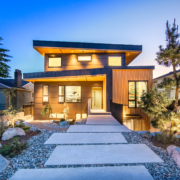
Corner construction using fusion welding creates monolithic strength superior to mechanically joined corners. This eliminates the weakest structural points in conventional window frames.

Hardware design distributes wind loads across multiple engagement points, preventing stress concentrations that could damage frames. The engineering of how loads transfer from sash to frame makes the difference between windows that thrive and those that fail in high winds.

Testing validation in actual storm conditions provides confidence that engineering calculations translate to real-world performance. We’ve witnessed our windows perform flawlessly through major Pacific storms that damaged lesser products.

Energy Efficiency Optimization

Energy efficiency in our climate requires balancing multiple factors that change seasonally. Windows optimized for heating-dominated climates often perform poorly in our moderate conditions.

Our ENERGY STAR Most Efficient windows achieve top performance ratings while maintaining the balance needed for year-round comfort. Over 30 of our product configurations meet these stringent requirements.

Low-E coating selection is optimized for our solar angles and seasonal patterns. Coatings that work well in other climates may over-restrict solar gain in winter or under-perform in summer.

Multi-chamber frame design provides superior thermal performance while maintaining structural integrity. Each chamber serves specific purposes in managing heat transfer and condensation.

Warm-edge spacer systems reduce thermal bridging at glass edges where condensation often forms. This attention to detail prevents the comfort and moisture problems that plague windows with inadequate thermal engineering.

Customer Support and Service

Lifetime Warranty Coverage

Our lifetime warranty isn’t just marketing language – it’s comprehensive coverage backed by our local presence and decades of business stability.

Frame integrity is warranted for as long as you own your home. This unlimited time coverage reflects our confidence in material quality and manufacturing excellence.

Hardware and weatherstripping are covered extensively, recognizing that these components may require service over decades of use. Many manufacturers limit coverage for these items because they know inferior materials won’t last.

Glass seal integrity is warranted against seal failure that causes condensation between panes. This coverage matters most 10-20 years after purchase when seal failures typically occur in inferior products.

The warranty is backed by our local presence and manufacturing capability. We’ve been in business over 35 years and will be here to honor our commitments. Warranties from manufacturers without local presence or business longevity provide less practical value.

Local Service and Support

When service is needed, our local presence makes all the difference. You’re not navigating distant call centers or uncertain supply chains.

Replacement parts are available immediately from our local facility. Many manufacturers require weeks for parts orders, leaving you with damaged or malfunctioning windows during that time.

Service technicians understand our products intimately because they work directly with our manufacturing team. This knowledge allows efficient diagnosis and repair that generic service providers can’t match.

Direct customer support connects you with people who understand both our products and local conditions. You’re not explaining Pacific Northwest weather to someone in a different climate zone.

Professional networks of trained installers and service providers understand our products and standards. This ecosystem ensures quality support throughout your windows’ lifetime.

Accessible Showrooms and Consultation

Our showrooms throughout Metro Vancouver provide opportunities to see, feel, and operate our windows before making decisions. This hands-on experience is invaluable for understanding quality differences.

Operating displays demonstrate smooth hardware function and solid construction. You can feel the difference between quality windows and cheaper alternatives.

Material samples show the quality of vinyl compounds, glass coatings, and hardware finishes. Visual and tactile inspection reveals quality differences that specifications don’t capture.

Knowledgeable staff provide personalized consultation based on your specific home and needs. They understand local conditions and can explain how different options will perform in your situation.

Competitive comparisons are available with honest discussion of what actually matters for performance and value. We’re confident enough in our products to have transparent conversations about alternatives.

Value Proposition: Total Cost of Ownership

Initial Investment vs. Long-Term Value

Price comparison is important, but focusing solely on initial cost often leads to poor decisions. Total cost of ownership over decades provides more meaningful comparison.

Vinyltek windows may cost somewhat more initially than budget alternatives, but this reflects quality materials, local manufacturing, and comprehensive warranty coverage. The premium is modest compared to total project costs and pays back through performance and longevity.

Minimal maintenance requirements over decades reduce lifetime costs significantly. Windows requiring frequent repairs or refinishing accumulate costs that can exceed initial savings from cheaper purchase prices.

Energy efficiency performance impacts utility costs for decades. Superior windows reduce heating and cooling costs year after year, creating cumulative savings that dwarf initial price differences.

Longevity matters enormously in total cost calculations. Windows that need replacement after 15-20 years cost far more over time than quality windows lasting 30+ years with minimal maintenance.

Performance Reliability

Consistent performance without unexpected failures provides value beyond simple cost calculations. The peace of mind from knowing your windows will perform as expected is valuable.

Our track record shows reliable performance across thousands of homes over decades. We have extensive data demonstrating what homeowners can realistically expect.

Weather resistance means protection during Pacific Northwest storms rather than discovering problems when conditions are harshest. Windows shouldn’t be a source of worry during bad weather.

Operational reliability ensures windows continue opening and closing smoothly for decades. Windows that become difficult to operate create safety concerns and reduce the natural ventilation that makes our climate so pleasant during moderate weather.

Service reliability comes from our local presence and commitment to supporting products throughout their lifetime. You’re not abandoned if problems arise years after purchase.

Real Homeowner Experiences

Performance Track Record

After 35+ years of manufacturing, we have extensive real-world performance data from actual homes, not just laboratory tests or marketing claims.

Original windows from the early years of our operation continue performing excellently in their fourth decade. This isn’t selective data – it represents typical performance across thousands of windows.

Customer satisfaction ratings consistently exceed 98% in follow-up surveys. These ratings come from actual customers dealing with real-world performance, not promotional testimonials.

Service call frequency remains remarkably low, with fewer than 1% of windows requiring weather-related service. This reliability reflects quality manufacturing and appropriate engineering for our conditions.

Referral rates show that satisfied customers recommend Vinyltek to friends and family. This word-of-mouth endorsement is earned through actual performance, not advertising.

Professional Recognition

Building professionals and contractors consistently specify Vinyltek for demanding projects. Their professional reputations depend on product performance, making their choices meaningful endorsements.

Architects appreciate the combination of performance capabilities and aesthetic flexibility. Our windows can meet demanding specifications while accommodating various design requirements.

Contractors value reliable product quality and local support. Dealing with window problems during construction projects costs time and money, making product reliability crucial.

Property managers specify Vinyltek for buildings where long-term performance and minimal maintenance are priorities. Multi-family and commercial applications demand durability that meets these requirements.

Making Your Decision

What Actually Matters

Focus on factors that impact real-world performance and long-term satisfaction rather than marketing claims or minor feature differences.

Manufacturing location and expertise in your specific climate matters more than broad national recognition. Pacific Northwest performance requires Pacific Northwest experience.

Material quality and manufacturing standards affect daily operation and lifetime durability. Specifications alone don’t capture these quality differences.

Warranty coverage matters most when you actually need it. Local presence and business stability ensure warranty promises become reality.

Service and support capability becomes important when problems arise. Local availability makes the difference between quick resolution and extended frustration.

Questions to Ask Any Manufacturer

Before making final decisions, ask these critical questions of any window manufacturer you’re considering:

Where are your windows manufactured and how long have you been producing them? Local manufacturing and extended experience in your climate are advantages that can’t be replicated easily.

What specific testing have you performed beyond industry minimums? Generic compliance may not ensure performance in Pacific Northwest conditions.

What is your service and parts availability process? Distance and complexity in support systems predict frustration when you need assistance.

Can I speak with customers who purchased windows 10+ years ago? Long-term satisfaction is the best predictor of how your windows will perform.

What is your business stability and how long have you operated in this region? Warranty coverage requires the company remain in business and accessible.

Conclusion: The Vinyltek Difference

The differences between Vinyltek and other window manufacturers aren’t subtle or theoretical – they’re concrete factors that affect your daily comfort, long-term costs, and overall satisfaction.

Local manufacturing specifically for Pacific Northwest conditions isn’t just convenient – it’s fundamental to achieving optimal performance in our unique climate. Thirty-five years of experience in Metro Vancouver provides institutional knowledge that newer or distant manufacturers simply cannot match.

Our quality standards exceed industry minimums because those minimums weren’t developed specifically for coastal conditions. Our testing program, material specifications, and manufacturing processes all reflect commitment to excellence that becomes apparent in long-term performance.

Perhaps most importantly, we’re here locally to support our products throughout their lifetime. When you need service, parts, or advice, you’re working with people who manufactured your windows and understand exactly what they face in Metro Vancouver conditions.

Experience the Vinyltek Difference

Visit our showrooms to see and feel the quality differences we’ve described. Operate our windows yourself to understand how smooth, solid, and well-engineered they truly are.

Speak with our experts about your specific needs and learn how our windows will perform in your home’s unique conditions. We provide honest, knowledgeable consultation based on decades of experience.

Compare us directly against any other manufacturer. We’re confident that informed comparison will lead you to choose Vinyltek for your window investment. After 35+ years of earning Metro Vancouver’s trust, we know what sets us apart isn’t marketing – it’s real performance, quality, and value.


Discover why thousands of Metro Vancouver homeowners have chosen Vinyltek windows. Experience the difference that local manufacturing, engineering excellence, and genuine customer support make.


Prepare Your Windows and Doors for the Fall Season

As Metro Vancouver transitions from summer’s warmth to fall’s crisp air and increasing rainfall, your windows and doors face their biggest performance test of the year. Fall preparation isn’t just about comfort – it’s about protecting your investment and ensuring your home stays warm, dry, and energy-efficient through the challenging months ahead.

After 35 years of manufacturing windows in the Pacific Northwest, Vinyltek has learned that proper fall preparation can mean the difference between a cozy winter and costly repairs. The good news? Most preparation tasks are simple, quick, and can save you hundreds of dollars in heating costs.

Let’s walk through everything you need to know to get your windows and doors ready for fall weather, from basic maintenance to knowing when it might be time for upgrades.

Why Fall Preparation Matters in Metro Vancouver

Fall in our region brings unique challenges that test window and door performance. September often delivers the last of summer’s heat, while October can bring the first serious storms of the season. November typically starts the long, wet season that defines Pacific Northwest winters.

This transition creates the perfect storm of conditions. Temperature swings stress seals and hardware. Increasing rainfall tests weatherproofing systems. Higher humidity levels challenge condensation control. Shorter days mean your windows need to maximize natural light while minimizing heat loss.

The financial impact is real. Poorly prepared windows can increase heating costs by 15-25% during fall and winter months. More importantly, moisture infiltration can cause structural damage that costs thousands to repair. A few hours of fall preparation can prevent both problems.

But there’s an upside too. Properly maintained windows and doors can actually improve your home’s comfort and efficiency compared to summer operation. Cool, dry air makes it easier to control humidity levels. Lower outdoor temperatures reduce thermal stress on materials. Reduced UV exposure gives weatherstripping and seals a chance to recover from summer’s intensity.

Essential Fall Maintenance Tasks

Exterior Inspection and Cleaning

Start your fall preparation with a thorough exterior inspection. Walk around your home and examine each window and door carefully. Look for obvious problems first – cracked glass, damaged frames, or hardware that’s clearly not functioning properly.

Pay special attention to weatherstripping around windows and doors. Summer’s heat can cause shrinkage or hardening that compromises sealing. Gently press weatherstripping to check flexibility. If it feels brittle or has obvious gaps, replacement is needed before serious fall weather arrives.

Clean exterior surfaces thoroughly using mild soap and water. Summer leaves behind a film of dust, pollen, and environmental contaminants that can trap moisture and accelerate wear. Don’t forget to clean the tracks where windows and doors operate – debris here can prevent proper closing and create gaps in weatherproofing.

For quality vinyl windows like Vinyltek’s, this cleaning process is straightforward. Vinyl surfaces clean easily without special products or treatments. The smooth surfaces don’t harbor dirt or contaminants that can be difficult to remove.

Interior Preparation Tasks

Interior preparation is equally important but often overlooked. Check all window and door locks to ensure they’re engaging properly. Loose or misaligned hardware can prevent complete closure, creating gaps that allow air and moisture infiltration.

Test window operation by opening and closing each window completely. Listen for unusual sounds that might indicate worn hardware or binding frames. Feel for excessive resistance that could mean weatherstripping is compressed or hardware needs lubrication. Properly maintained vinyl windows should operate smoothly with minimal effort.

Examine interior trim and casing around windows and doors. Look for signs of moisture infiltration – discoloration, soft spots, or visible mold growth. These problems indicate weatherproofing failures that need immediate attention before fall rains begin.

Clean interior glass surfaces thoroughly and inspect for condensation problems. Summer humidity can reveal inadequate ventilation or insulation issues that will become worse during fall and winter. Address these problems now while weather conditions make repairs easier.

Weatherstripping: Your First Line of Defense

Understanding Weatherstripping Condition

Weatherstripping is your window and door’s primary defense against air and moisture infiltration. Even small gaps can have huge impacts on comfort and energy efficiency. A gap just 1/16 inch wide around a typical window is equivalent to having a hole the size of a baseball in your wall.

Check weatherstripping condition using both visual inspection and the tactile test. Look for obvious cracking, shrinkage, or separation from the frame. Run your hand along weatherstripping to feel for hard spots or areas that have lost their compression. Good weatherstripping should feel flexible and spring back when compressed.

The dollar bill test provides an objective measurement of seal quality. Close a dollar bill in the window or door, then try to pull it out. If it slides out easily, the seal isn’t tight enough. You should feel significant resistance when pulling the bill free. Test multiple locations around the frame – sealing can vary significantly from spot to spot.

Don’t ignore small problems hoping they’ll stay small. Weatherstripping degradation accelerates once it starts. A small gap in September can become a major leak by December. Early attention prevents bigger problems and higher costs later.

When to Replace Weatherstripping

Most weatherstripping lasts 5-10 years under normal conditions, but Metro Vancouver’s climate can accelerate wear. High humidity, temperature cycling, and UV exposure all contribute to deterioration. Quality matters too – premium weatherstripping lasts longer and performs better than bargain alternatives.

Replace weatherstripping if you find:

  • Visible cracking or splitting in the material
  • Hard spots that don’t compress properly
  • Gaps between weatherstripping and frame
  • Sections that have pulled away from mounting surfaces
  • Obvious shrinkage that creates gaps at corners or joints

For Vinyltek windows, replacement weatherstripping is readily available and designed specifically for our frames. This ensures proper fit and optimal performance. Generic weatherstripping may seem cheaper initially, but poor fit often means poor performance and early replacement.

Hardware Maintenance and Adjustment

Lubrication for Smooth Operation

Window and door hardware works hard during fall and winter months. Thermal cycling can cause binding, while increased humidity can accelerate wear. Proper lubrication prevents these problems and extends hardware life significantly.

Use appropriate lubricants for different components. Light machine oil works well for hinges and pivot points. White lithium grease is better for gear mechanisms and heavy-duty applications. Avoid petroleum-based products on rubber components – they can cause swelling and deterioration.

Apply lubricant sparingly to moving parts. Too much lubrication attracts dirt and debris that can cause more problems than it solves. Work moving parts through their full range of motion after lubrication to distribute lubricant evenly and identify any remaining binding or resistance.

Pay special attention to multi-point locking systems on doors and casement windows. These mechanisms have multiple moving parts that must work in coordination. A problem with one component can affect the entire system’s performance and security.

Adjustment for Optimal Performance

Hardware adjustment ensures optimal operation and weatherproofing performance. Doors and windows can settle slightly over time, affecting alignment and seal contact. Small adjustments now prevent bigger problems during storm season.

Check door alignment by observing the gaps around the frame when closed. Gaps should be consistent on all sides – typically 1/8 inch or less for exterior doors. Uneven gaps indicate the door has shifted and needs adjustment.

Window sash alignment affects both operation and weatherproofing. Casement windows should close evenly against weatherstripping around the entire perimeter. Double-hung windows should align properly in their tracks without binding or excessive gaps.

Most modern hardware allows for minor adjustments without special tools. However, significant alignment problems may indicate structural settling that requires professional attention. Don’t attempt major adjustments without understanding the underlying cause.

Drainage System Maintenance

Weep Hole Inspection and Cleaning

Weep holes are small openings in window frames that allow moisture drainage. They’re essential for preventing water accumulation that can cause rot, mold, and structural damage. Unfortunately, they’re also easily overlooked during routine maintenance.

Locate weep holes along the bottom of window frames – they typically appear as small slots or holes. Use a small wire or pipe cleaner to clear any debris that might block drainage. Common blockages include leaves, spider webs, and paint from previous maintenance work.

Test weep hole function by pouring a small amount of water into the window track. Water should drain quickly through weep holes rather than pooling in the track. Slow drainage or standing water indicates blockage that needs immediate attention.

Never seal or permanently block weep holes, even if you think they’re letting in cold air. These openings are essential for moisture management and attempting to seal them often creates much bigger problems. If you’re concerned about air infiltration, check weatherstripping condition instead.

Sill and Track Cleaning

Window sills and door tracks accumulate debris throughout the summer that can cause drainage problems and prevent proper closure. Fall cleaning prevents these materials from decomposing and causing odors or biological growth.

Remove all loose debris from tracks and sills using a vacuum cleaner with a brush attachment. Follow up with damp cloth cleaning to remove residual dirt and organic matter. Pay attention to corners and crevices where debris tends to accumulate.

Inspect tracks for damage while cleaning. Look for cracks, chips, or worn areas that might affect window operation or weatherproofing. Small problems can often be repaired easily, while major damage may require professional attention or replacement.

Clean and inspect drainage channels in sliding doors carefully. These areas are prone to blockages that can cause water backup and infiltration. Ensure channels slope properly toward exterior drainage points and aren’t blocked by debris or settled material.

Energy Efficiency Optimization

Thermal Performance Assessment

Fall is the perfect time to assess your windows’ thermal performance before heating season begins. Temperature differences between indoor and outdoor air make heat loss visible and measurable.

On a cool fall day, use your hand to feel for air movement around windows and doors. Cold drafts indicate seal failures that will become worse as temperatures drop further. Note the location and severity of any problems for prioritized repair.

Infrared thermometers provide objective measurements of surface temperatures around windows. Cold spots on interior surfaces indicate thermal bridging or insulation failures. These areas often develop condensation problems once heating season begins.

Consider the age and condition of your windows when evaluating thermal performance. Windows over 15-20 years old may not meet current energy efficiency standards, even when properly maintained. Upgrading to modern high-performance windows can provide significant energy savings and improved comfort.

Window Treatments and Accessories

Window treatments can significantly improve thermal performance and comfort during fall and winter months. The right treatments reduce heat loss while maintaining natural light and views.

Cellular shades provide excellent insulation value while maintaining light control flexibility. The air pockets in cellular construction create thermal barriers that reduce heat transfer. Motorized options make operation convenient even for hard-to-reach windows.

Heavy curtains or drapes add thermal mass and create insulating air layers when closed. However, they can also trap moisture against windows if not properly managed. Ensure adequate ventilation behind treatments to prevent condensation problems.

Storm doors provide an additional barrier against air infiltration and add security benefits. Modern storm doors with low-emissivity glass can improve overall door system performance significantly. Ensure proper installation and weatherstripping for maximum benefit.

Identifying Upgrade Opportunities

Signs It’s Time for Replacement

While maintenance can extend window and door life significantly, there comes a time when replacement provides better value than continued repair. Fall assessment helps identify windows and doors that won’t survive another demanding season.

Major seal failures are often beyond economical repair. If you can see moisture between glass panes in double or triple-pane windows, the sealed unit has failed and needs replacement. Temporary fixes rarely work long-term and often make problems worse.

Frame damage from rot, corrosion, or impact often indicates replacement is needed. Structural integrity is essential for weatherproofing and security performance. Attempting to repair severely damaged frames usually costs more than replacement while providing inferior performance.

Operation problems that persist despite maintenance may indicate worn components that can’t be economically repaired. Windows that bind, stick, or won’t close properly can’t provide adequate weatherproofing or security. Replacement often costs less than extensive repair work.

Benefits of Modern Windows and Doors

Modern high-performance windows offer significant advantages over older products, even those that are well-maintained. Technology advances in materials, manufacturing, and design have dramatically improved performance capabilities.

Energy efficiency improvements can reduce heating costs by 20-40% compared to windows from the 1990s or earlier. ENERGY STAR certified products meet strict efficiency requirements and often qualify for utility rebates or tax credits.

Comfort improvements include better temperature consistency, reduced drafts, and improved noise reduction. Modern windows eliminate cold spots and reduce temperature swings that make heating systems work harder. Sound reduction is particularly valuable in urban environments.

Maintenance reduction is a major benefit of quality modern windows. Vinyltek’s lifetime warranty demonstrates confidence in long-term performance with minimal maintenance requirements. This translates to lower lifetime costs and greater convenience.

Professional Support and Services

When to Call the Experts

Some fall preparation tasks require professional expertise or specialized tools. Attempting complex repairs without proper knowledge can make problems worse and void warranties. Know when to call for help.

Structural problems with frames or mounting systems need professional assessment. These issues can affect building envelope integrity and require expertise in construction techniques and building codes. DIY repairs often create liability and safety concerns.

Glass replacement requires specialized tools and techniques, especially for energy-efficient multi-pane units. Improper installation can compromise performance and safety. Professional installation often includes warranties that protect your investment.

Vinyltek’s service network provides expert support for all aspects of window and door maintenance and repair. Our technicians understand the specific requirements of Pacific Northwest conditions and have access to genuine replacement parts.

Maintenance Planning and Scheduling

Professional maintenance services can handle complex tasks while ensuring nothing important is overlooked. Annual or bi-annual service visits provide peace of mind and often identify problems before they become expensive repairs.

Service agreements typically include comprehensive inspection, cleaning, lubrication, and minor adjustments. Professional technicians have the experience to spot problems that homeowners might miss and the tools to address them properly.

Fall is an excellent time to schedule professional maintenance because problems can be addressed before weather conditions make repairs difficult or expensive. Planning ahead also ensures service availability when you need it most.

Seasonal Comfort Optimization

Humidity Control Preparation

Fall marks the beginning of heating season, which typically reduces indoor humidity levels significantly. While this can improve comfort, sudden changes can affect both occupants and building materials.

Monitor humidity levels using inexpensive digital hygrometers placed throughout your home. Ideal levels range from 30-50% during heating season. Levels below 30% can cause discomfort and damage to wood furnishings. Levels above 50% can encourage mold growth and condensation problems.

Prepare humidification systems before they’re needed. Clean and inspect humidifiers, replace filters, and test operation. Whole-house systems integrated with heating equipment provide the most consistent results but require professional service.

Quality windows with proper weatherstripping help maintain stable humidity levels by preventing unwanted air exchange. This makes mechanical humidity control more effective and reduces energy waste.

Natural Light Maximization

Shorter fall and winter days make natural light more valuable for both psychological and energy benefits. Clean windows and proper maintenance maximize light transmission while maintaining energy efficiency.

Clean interior and exterior glass surfaces thoroughly to remove summer’s accumulated film. Even thin layers of dirt can reduce light transmission by 10-15%. Professional cleaning may be worthwhile for hard-to-reach windows.

Trim vegetation that has grown to block windows during the summer growing season. Deciduous plants that provided welcome summer shade may now block valuable winter sun. Strategic pruning can optimize both seasonal benefits.

Consider the orientation and shading of your windows when planning landscape maintenance. South-facing windows provide valuable solar heat gain during fall and winter, while north-facing windows should be optimized for consistent natural light.

Emergency Preparedness

Storm Readiness

Metro Vancouver’s fall and winter storms can be severe and arrive with little warning. Proper preparation prevents damage and ensures your family’s safety and comfort during extended power outages or extreme weather events.

Inspect and secure any exterior elements that could become projectiles in high winds. This includes patio furniture, decorations, and temporary structures. Remove or secure items that could damage windows if blown about.

Ensure you have materials and tools needed for emergency repairs. This includes plastic sheeting, duct tape, plywood, and basic tools. Having these items readily available can prevent small problems from becoming major damage during storms.

Know how to safely shut off utilities if necessary. Water leaks around windows can create electrical hazards if they reach outlets or switches. Gas leaks are possible if high winds damage exterior connections or vent systems.

Backup Plans and Alternatives

Consider backup heating and lighting options in case of extended power outages. Portable heaters, battery-powered lights, and emergency communications equipment can make outages more manageable and safe.

Plan for temporary window or door protection if major damage occurs during storms. Having plywood and fasteners pre-cut and ready can save valuable time during emergency conditions. Know which family members can safely install temporary protection.

Establish relationships with emergency repair services before you need them. Window and door failures during storms create urgent safety and security concerns that require immediate professional response. Having reliable contractors identified in advance saves critical time.

Conclusion: Investing in Fall Preparation

Fall preparation is one of the best investments you can make in your home’s comfort, efficiency, and value. A few hours of maintenance and inspection can prevent thousands of dollars in repairs while ensuring optimal performance throughout the challenging months ahead.

The tasks we’ve outlined are manageable for most homeowners and provide immediate benefits. Clean windows improve natural light. Proper weatherstripping reduces drafts and energy costs. Well-maintained hardware ensures security and smooth operation. Functioning drainage prevents moisture damage.

But perhaps most importantly, fall preparation gives you confidence that your windows and doors are ready for whatever Pacific Northwest weather delivers. You can enjoy the season’s beauty without worrying about comfort, efficiency, or unexpected repairs.

Get Professional Support

If you discover problems during your fall preparation, or if you’re ready to upgrade to modern high-performance windows, Vinyltek’s experts are ready to help. Our 35+ years of Pacific Northwest experience means we understand exactly what your windows and doors face during our challenging seasons.

Visit our showrooms to see the latest in window and door technology, or contact our experts for personalized advice on your specific preparation needs. With proper preparation and quality products, you can look forward to a comfortable, efficient fall and winter season.

Remember, the best time to prepare for fall weather is before it arrives. Don’t wait for the first storm to discover problems with your windows and doors. Take action now to ensure your home is ready for the season ahead.


Make this fall the most comfortable yet with properly prepared windows and doors. Contact Vinyltek’s experts for professional advice, quality products, and reliable service throughout Metro Vancouver.


How Vinyltek Windows Handle Rain, Wind, and Coastal Conditions

Metro Vancouver’s coastal location presents unique challenges that test window performance year-round. From Pacific storms that bring driving rain and fierce winds to the constant presence of salt-laden air, our windows must withstand conditions that would defeat lesser products. For over 35 years, Vinyltek has engineered windows specifically for these demanding Pacific Northwest conditions.

As the first vinyl window manufacturer in the Pacific Northwest, we didn’t just adapt existing designs – we created solutions from the ground up to handle what nature throws at coastal homes. Our windows don’t just survive in Metro Vancouver’s climate; they excel in it.

Let’s explore how Vinyltek windows are specifically engineered to handle rain, wind, and coastal conditions that define life in beautiful British Columbia.

Understanding Metro Vancouver’s Climate Challenges

The Perfect Storm of Conditions

Metro Vancouver sits at the convergence of ocean, mountains, and temperate rainforest. This creates a unique microclimate that challenges building materials like nowhere else in Canada.

Consider the moisture extremes alone. Annual rainfall averages 1,200-1,400mm, with humidity levels frequently exceeding 80%. Coastal fog and mist create constant moisture exposure that never truly ends. Temperature fluctuations then cause condensation challenges that test even the best-designed windows.

Wind patterns add another layer of complexity:

  • Pacific storm systems bringing sustained winds up to 70+ km/h
  • Channeling effects from mountain valleys intensifying wind loads
  • Seasonal wind direction changes affecting different building exposures
  • Gusting patterns that create dynamic pressure loads

But it’s the coastal environmental factors that separate our climate from inland regions. Salt air corrosion attacks metal components with relentless persistence. UV exposure is intensified by water reflection, creating a double assault on materials. Temperature cycling between ocean-moderated lows and inland highs stresses components in ways that standard testing doesn’t capture.

Urban pollution combines with the marine environment to create contamination that’s both corrosive and persistent. These conditions demand windows engineered specifically for coastal performance, not generic products adapted from other climates.

Vinyltek’s Rain Defense System

Advanced Water Management Design

Rain infiltration is the leading cause of window failure in our climate. It’s not just the volume of rain that matters – it’s the relentless nature of Pacific Northwest precipitation combined with wind-driven moisture that creates the real challenge.

Vinyltek windows employ multiple defense layers, starting with our sloped sill design. Our window sills feature precise slopes engineered to direct water away from the building envelope. The minimum 15-degree slope prevents standing water, while integral drainage channels guide water to exterior. We’ve learned that raised barriers prevent back-flow during wind-driven rain, and continuous slope eliminates low spots where water could collect.

But sill design is just the beginning. Vinyltek frames use a cascading water management system that would impress naval architects:

  • Primary deflection at the outermost frame surface
  • Secondary channels capture any penetrating moisture
  • Tertiary drainage system ensures complete water evacuation
  • Pressure equalization prevents water from being forced inward

This isn’t over-engineering – it’s the result of 35 years of learning what works in real Pacific Northwest storms.

Weatherstripping and Seal Technology

Every window manufacturer talks about sealing, but few understand what it really takes to keep Pacific Northwest weather outside where it belongs.

Our windows feature a dual-seal system that provides redundant protection. Primary weatherstrip provides the initial moisture barrier, but we’ve learned that single-point failures can be catastrophic in coastal conditions. That’s why our secondary seal backs up the primary system if compromise occurs. Continuous sealing around the entire window perimeter ensures no weak points, while compression seals maintain contact under all conditions.

Material selection makes all the difference. We use marine-grade EPDM rubber that resists salt air corrosion. UV-stabilized compounds prevent degradation from sun exposure that can turn rubber brittle and ineffective. Flexible materials maintain seal integrity through temperature cycling that would crack lesser compounds. Our replaceable design allows maintenance without window replacement – because we know that even the best seals eventually need refreshing.

The difference becomes apparent after the first major storm. Lesser windows show signs of moisture infiltration, while Vinyltek windows remain completely dry inside.

Glass-to-Frame Sealing

Structural Glazing System Our advanced glass integration creates weatherproof seals:

  • Continuous structural glazing eliminates potential leak points
  • Pressure-equalized glazing cavity prevents moisture infiltration
  • Drainage system removes any moisture that might penetrate
  • Thermal barriers prevent condensation at glass-frame interface

Wind Load Engineering Excellence

Structural Design for Coastal Winds

Pacific Northwest wind loads demand exceptional structural engineering. Standard window designs that work fine in prairie conditions simply can’t handle the dynamic, gusting winds that characterize our coastal storms.

Vinyltek windows incorporate multiple reinforcement strategies that distribute loads intelligently. Multi-chamber frame construction spreads wind loads evenly across the entire frame structure. We place strategic internal reinforcement at high-stress points – locations we’ve identified through decades of field experience and engineering analysis. Fusion-welded corners create monolithic frame strength that eliminates the weak points found in mechanically joined frames.

Our frame profiles are engineered to optimize strength-to-weight ratios. This isn’t just about making windows lighter – it’s about achieving maximum structural performance while maintaining the thermal efficiency that energy-conscious homeowners demand.

Our rigorous testing exceeds standard requirements:

  • Wind load testing to 60+ pounds per square foot
  • Cycling tests simulate decades of wind stress
  • Combination testing with simultaneous wind and water exposure
  • Field verification in actual coastal installations

The result? Windows that don’t just survive Pacific storms – they continue operating smoothly after decades of exposure.

Hardware Engineering for Wind Resistance

Multi-Point Locking Systems Our hardware distributes wind loads across the entire frame:

  • Multiple locking points engage simultaneously for maximum strength
  • Adjustable strike plates ensure perfect alignment under load
  • Marine-grade hardware materials resist corrosion from salt exposure
  • Continuous weatherstrip contact maintained under wind pressure

Operating Hardware Durability

  • Sealed bearing systems prevent moisture infiltration
  • Stainless steel components resist coastal corrosion
  • Heavy-duty operators handle increased wind loads
  • Lifetime lubrication systems reduce maintenance requirements

Coastal Environment Protection

Salt Air Resistance

Coastal air carries salt that rapidly corrodes standard materials. We’ve seen beautiful windows destroyed by salt air within just a few years of installation – a heartbreaking waste that proper material selection easily prevents.

Vinyltek addresses this challenge comprehensively through smart material choices. Vinyl frames are completely immune to salt air corrosion. No coating can wear off, no base metal can corrode, no protective layer can fail. We pair this with stainless steel and marine-grade aluminum hardware that laughs at salt exposure. Corrosion-resistant fasteners and mounting systems ensure every connection point remains solid for decades.

Our design features work with material selection to create comprehensive protection:

  • Smooth surfaces prevent salt accumulation
  • Drainage design rapidly removes salt-laden moisture
  • Accessible cleaning points allow salt removal maintenance
  • Sealed cavities prevent salt infiltration into frame interior

The difference is dramatic. Drive through any coastal neighborhood and compare windows. You’ll see aluminum frames pitted with corrosion, steel hardware stained with rust, and wood frames showing salt damage. Vinyltek windows installed in the same conditions look fresh and new decades later.

UV Protection and Stability

Coastal UV exposure is intensified by reflection from water surfaces:

UV-Stabilized Materials

  • Advanced PVC compounds resist UV degradation
  • Integral color won’t fade or chalk over decades
  • Weatherstrip materials stabilized against UV breakdown
  • Hardware finishes tested for coastal UV exposure

Thermal Stability

  • Engineered thermal expansion coefficients prevent binding
  • Flexible sealing systems accommodate thermal cycling
  • Frame design prevents stress concentration at joints
  • Hardware adjustment accommodates seasonal movement

Advanced Engineering Features

Pressure Equalization Technology

Modern coastal windows must handle complex pressure differentials:

Pressure Equalization Chambers Vinyltek windows incorporate sophisticated pressure management:

  • Multiple pressure zones prevent driving forces on seals
  • Drainage systems operate under all pressure conditions
  • Equalization ports sized for optimal performance
  • Screen systems prevent debris infiltration

Dynamic Pressure Response

  • Flexible sealing systems respond to pressure changes
  • Frame design accommodates pressure-induced movement
  • Hardware operates smoothly under pressure loading
  • Glass systems designed for dynamic pressure loads

Thermal Performance in Coastal Climate

Coastal conditions create unique thermal challenges:

Condensation Control Our energy-efficient designs prevent condensation issues:

  • Warm-edge spacer systems reduce thermal bridging
  • Multi-chamber frames eliminate cold spots
  • Proper vapor barriers prevent moisture accumulation
  • Ventilation features manage humidity differentials

Insulation Performance

  • Superior U-factors maintain comfort during temperature swings
  • Thermal breaks prevent heat transfer through frame
  • Advanced glass packages optimize solar heat gain
  • Consistent thermal performance regardless of weather conditions

Real-World Performance Data

Decades of Proven Performance

After 35+ years of manufacturing windows for Metro Vancouver, we don’t rely on laboratory predictions. Our performance data comes from real homes, real storms, and real coastal conditions.

Consider our storm survival record. Vinyltek windows have successfully weathered major windstorms including the devastating 2006 Hanukkah Eve storm that left hundreds of thousands without power. They’ve handled record rainfall events without infiltration failures. Freeze-thaw cycles numbering in the thousands haven’t compromised their operation. Salt spray exposure measured in decades hasn’t degraded their appearance or function.

Our customer satisfaction metrics tell the real story:

  • Fewer than 1% of windows require weather-related service calls
  • Original windows from the 1990s still performing flawlessly
  • Consistent operation regardless of age or exposure
  • Customer satisfaction ratings exceeding 98%

These aren’t cherry-picked statistics – they represent the performance of thousands of windows across Metro Vancouver’s most challenging coastal locations.

Field Testing Results

Water Infiltration Testing

  • Zero water infiltration under standard test conditions
  • Superior performance under extreme test protocols
  • Long-term exposure tests confirm continued performance
  • Field installations validate laboratory test results

Wind Load Performance

  • Miami-Dade certification demonstrates extreme wind resistance
  • Coastal installation data confirms design calculations
  • No structural failures in documented storm events
  • Maintained operation after extreme weather exposure

Specific Solutions for Common Coastal Challenges

Saltwater Spray Protection

Homes near the waterfront face the ultimate test. Direct salt spray exposure can destroy unprepared windows within years, not decades.

Our protective design features start with surfaces designed for easy salt removal. We eliminate horizontal surfaces where salt can accumulate and create concentrated corrosion. Drainage systems flush away salt-contaminated water before it can cause damage. Materials selection eliminates salt-sensitive components entirely – because the best defense against salt damage is prevention.

Maintenance becomes surprisingly simple. A freshwater rinse removes salt accumulation effectively. Annual inspection identifies any maintenance needs before they become problems. Replacement parts remain readily available for wear items. Professional service support stands ready when needed, though decades of experience show it’s rarely required.

The peace of mind this provides is invaluable. Waterfront homeowners can enjoy their spectacular views without worrying about their windows degrading under salt spray assault.

Storm Water Management

Pacific storms can overwhelm standard drainage systems in minutes. We’ve witnessed supposed “100-year storms” twice in the past decade, proving that designing for average conditions isn’t enough.

Our enhanced drainage capacity handles extreme water volumes that would back up standard systems. Oversized drainage channels prevent bottlenecks during peak flow. Multiple drain points ensure that if one becomes blocked, others continue functioning. Positive drainage prevents standing water accumulation that can find its way into the smallest gaps.

But we plan for the worst-case scenarios too. Backup drainage systems activate during extreme events when primary systems reach capacity. Pressure relief systems prevent catastrophic failure that could cause structural damage. Water diversion features protect the building structure itself. Rapid recovery after storm passage means normal operation resumes quickly.

The result is windows that handle whatever Pacific weather delivers.

Installation Considerations for Coastal Performance

Critical Installation Details

Proper installation is crucial for coastal performance:

Weatherproofing Integration

  • Seamless integration with building envelope systems
  • Flashing details designed for Pacific Northwest conditions
  • Sealant selection appropriate for coastal exposure
  • Thermal expansion accommodation in mounting systems

Quality Control Standards

  • Local manufacturing ensures installation support
  • Trained professionals understand coastal requirements
  • Inspection protocols verify performance-critical details
  • Warranty coverage includes installation-related issues

Maintenance for Coastal Conditions

Preventive Maintenance Program

Coastal conditions require specific maintenance attention:

Regular Inspection Schedule

  • Quarterly exterior cleaning to remove salt accumulation
  • Annual hardware lubrication with marine-grade lubricants
  • Bi-annual weatherstrip inspection and cleaning
  • Drainage system verification after major storms

Simple Maintenance Procedures

  • Fresh water rinse removes salt and environmental contaminants
  • Mild soap solution cleans stubborn deposits
  • Hardware adjustment maintains optimal operation
  • Weatherstrip cleaning preserves sealing performance

Long-Term Performance Maintenance

Component Replacement Schedule

  • Weatherstrip replacement every 15-20 years
  • Hardware service every 10-15 years
  • Drainage system cleaning as needed
  • Glass seal inspection every 20+ years

Professional Service Support Vinyltek’s local presence ensures:

  • Readily available replacement parts
  • Experienced service technicians
  • Understanding of coastal performance requirements
  • Lifetime warranty support

Innovation Driven by Coastal Conditions

Continuous Improvement Process

Our coastal location drives continuous innovation:

Field Performance Feedback

  • Customer experiences guide product development
  • Environmental monitoring informs design improvements
  • Long-term performance data validates engineering decisions
  • Emerging challenges prompt proactive solutions

Advanced Testing Programs

  • Accelerated aging tests simulate decades of coastal exposure
  • Combination testing replicates real-world conditions
  • New material evaluation for improved performance
  • Collaboration with suppliers on advanced technologies

The Vinyltek Advantage in Coastal Conditions

Local Expertise and Understanding

Climate-Specific Engineering Our 35+ years in Metro Vancouver have taught us:

  • Which design details matter most for coastal performance
  • How materials behave in long-term coastal exposure
  • What maintenance requirements are realistic for homeowners
  • Where standard designs fail in Pacific Northwest conditions

Proven Track Record

  • Thousands of successful coastal installations
  • Decades of performance data in local conditions
  • Customer satisfaction in the most demanding environments
  • Professional recognition for coastal performance excellence

Manufacturing Quality for Coastal Durability

Superior Manufacturing Standards

  • Precise tolerances ensure proper drainage function
  • Quality control inspections verify coastal performance features
  • Material specifications exceed standard requirements
  • Assembly processes optimize long-term durability

Local Production Advantages

  • Understanding of local code requirements and best practices
  • Readily available service and replacement parts
  • Reduced transportation exposure to potential damage
  • Direct customer feedback integration into manufacturing process

Conclusion: Engineered for Excellence in Coastal Conditions

Living in Metro Vancouver means accepting the challenges that come with our spectacular coastal location. Rain, wind, and salt air are part of life here, but they don’t have to compromise your home’s comfort, efficiency, or durability.

Vinyltek windows aren’t just built to survive coastal conditions – they’re engineered to excel in them. Our 35+ years of experience, combined with continuous innovation and rigorous quality standards, have created windows that turn Metro Vancouver’s climate challenges into performance advantages.

From our advanced water management systems to our wind-resistant structural design, every aspect of Vinyltek windows reflects our deep understanding of what it takes to succeed in the Pacific Northwest. Our lifetime warranty isn’t just a promise – it’s a reflection of our confidence in how our windows perform in real-world coastal conditions.

Experience Coastal Performance Excellence

Visit our showrooms to experience the difference that coastal-specific engineering makes. See the water management features in action, feel the solid construction that withstands Pacific storms, and learn how proper design eliminates the maintenance headaches that plague inferior windows in our climate.

Contact our coastal performance experts for a consultation tailored to your home’s specific exposure and challenges. We’ll help you understand how Vinyltek windows can protect your home while enhancing comfort and efficiency, regardless of what Pacific weather brings your way.

With Vinyltek windows, you’re not just buying windows – you’re investing in proven coastal performance that will protect and serve your home for decades to come.


Discover how 35 years of Pacific Northwest expertise creates windows that excel in Metro Vancouver’s challenging coastal conditions. Experience the Vinyltek difference at our local showrooms.


windows with window weep

Wood vs. Vinyl Windows: Learn the Difference

When selecting windows for your Metro Vancouver home, the choice between wood and vinyl represents one of the most important decisions you’ll make. Both materials have their place in the window market, but understanding the fundamental differences will help you make the right choice for your home’s specific needs, climate challenges, and long-term goals.

At Vinyltek, we’ve been manufacturing high-performance vinyl windows for over 35 years, and we’ve seen how window materials perform in the Pacific Northwest’s demanding climate. While wood windows have traditional appeal, vinyl consistently delivers superior value, performance, and longevity for modern homeowners.

Let’s explore the key differences between these materials and discover why vinyl has become the preferred choice for discerning Metro Vancouver homeowners.

Material Fundamentals: Understanding the Basics

Wood Windows: Traditional Beauty with Modern Challenges

Wood windows have been used for centuries, offering natural beauty and traditional craftsmanship. Modern wood windows typically feature:

  • Solid wood construction or engineered wood composites
  • Natural grain patterns and warm aesthetic appeal
  • Traditional joinery methods with modern hardware
  • Multiple coating options for weather protection

However, wood’s organic nature makes it vulnerable to moisture, temperature changes, and biological threats that are particularly challenging in Metro Vancouver’s coastal climate.

Vinyl Windows: Engineered Performance

Vinyl windows are manufactured from polyvinyl chloride (PVC), a synthetic material specifically engineered for building applications. Vinyltek’s vinyl windows feature:

  • Multi-chamber frame construction for superior insulation
  • Fusion-welded corners for structural integrity
  • Integrated color that won’t fade or require refinishing
  • Weather-resistant design optimized for coastal conditions

As the first vinyl window manufacturer in the Pacific Northwest, we’ve perfected vinyl window design for our specific regional challenges.

Performance in Metro Vancouver’s Climate

Moisture Resistance: A Critical Factor

Metro Vancouver’s high humidity and frequent rainfall create the ultimate test for window materials.

Wood Window Challenges

  • Natural wood absorbs moisture, leading to swelling, warping, and potential rot
  • Paint and stain finishes require regular maintenance to prevent water infiltration
  • Joints and seams can open due to wood movement, compromising weather seals
  • Even treated wood remains vulnerable to moisture-related damage over time

Vinyl’s Moisture Advantage

  • Completely moisture-resistant material won’t absorb water or humidity
  • Sealed construction prevents moisture infiltration into frame cavities
  • No risk of rot, decay, or structural degradation from water exposure
  • Maintains dimensional stability regardless of humidity levels

The difference becomes particularly apparent after 10-15 years, when wood windows often show signs of moisture damage while vinyl windows continue performing like new.

Temperature Stability and Thermal Performance

Wood’s Variable Performance Wood expands and contracts significantly with temperature changes, potentially affecting:

  • Window operation and hardware alignment
  • Seal integrity around glass and weatherstripping
  • Overall frame stability and structural soundness
  • Energy efficiency as gaps develop over time

Vinyl’s Consistent Performance Modern vinyl formulations provide:

  • Predictable thermal expansion and contraction
  • Superior energy efficiency through multi-chamber construction
  • Stable operation regardless of seasonal temperature swings
  • Maintained seal integrity throughout the window’s lifespan

Maintenance Requirements: The Reality Check

Wood Window Maintenance Demands

Wood windows require extensive ongoing maintenance to preserve their appearance and performance:

Regular Maintenance Schedule

  • Every 3-5 years: Complete repainting or re-staining required
  • Annual inspection: Check for signs of moisture damage, rot, or pest infiltration
  • Seasonal adjustments: Hardware may need adjustment due to wood movement
  • Immediate repairs: Address any paint failure or wood damage promptly

Long-Term Maintenance Costs Over a 30-year period, wood window maintenance can cost thousands of dollars per window, including:

  • Professional painting and refinishing services
  • Wood repair or replacement due to rot or damage
  • Hardware replacement due to wood movement stress
  • Weather stripping and seal replacement

Vinyl’s Minimal Maintenance Reality

Vinyl windows offer virtually maintenance-free operation:

Simple Cleaning Protocol

  • Soap and water cleaning maintains like-new appearance
  • No special treatments or coatings required
  • Resistant to staining, fading, and environmental contamination
  • Annual cleaning is typically sufficient for optimal appearance

Minimal Service Requirements

  • Occasional hardware lubrication
  • Weatherstripping inspection and replacement every 10-15 years
  • Professional service available but rarely needed
  • Lifetime warranty coverage provides peace of mind

The maintenance difference alone often justifies choosing vinyl over wood for busy homeowners.

Durability and Lifespan Comparison

Wood Window Longevity Factors

Wood window lifespan depends heavily on:

  • Quality of original construction and materials
  • Consistency of maintenance schedule
  • Exposure to moisture and weather extremes
  • Local pest activity and environmental factors

Well-maintained wood windows can last 30+ years, but this requires diligent care and significant ongoing investment.

Vinyl’s Proven Durability

Vinyltek’s experience demonstrates vinyl’s superior longevity:

  • Consistent performance: Original vinyl windows still operating smoothly after 30+ years
  • Weather resistance: No degradation from UV exposure, moisture, or temperature extremes
  • Structural integrity: Fusion-welded construction maintains frame stability indefinitely
  • Hardware compatibility: Stable frames reduce stress on operating hardware

The key difference: vinyl windows maintain their performance without requiring ongoing maintenance investment.

Energy Efficiency Comparison

Thermal Performance Advantages

Wood’s Insulation Properties While wood provides natural insulation, modern wood windows face challenges:

  • Solid wood frames can develop gaps and cracks over time
  • Traditional construction methods may create thermal bridges
  • Moisture-related movement can compromise seal integrity
  • Energy efficiency may degrade without proper maintenance

Vinyl’s Engineered Efficiency Modern vinyl windows excel in energy performance:

  • Multi-chamber construction creates multiple thermal barriers
  • Consistent frame stability maintains seal integrity
  • ENERGY STAR Most Efficient ratings available in 30+ configurations
  • Energy performance remains constant throughout the window’s lifespan

Advanced Glass Integration

Glass Package Compatibility

  • Wood frames: May limit glass thickness options due to structural constraints
  • Vinyl frames: Engineered to accommodate advanced glass technologies including triple-pane units with gas fills

The result: vinyl windows consistently achieve better energy ratings and maintain those ratings over time.

Cost Analysis: Initial Investment and Total Ownership

Upfront Cost Comparison

Wood Window Pricing

  • Higher initial material and manufacturing costs
  • Premium for custom sizing and finishing options
  • Specialized installation requirements may increase labor costs
  • Quality wood windows often cost 2-3 times more than comparable vinyl

Vinyl Window Value

  • Lower initial investment leaves budget for other home improvements
  • Consistent pricing across standard and custom configurations
  • Efficient installation reduces project costs
  • Superior value at every price point

Total Cost of Ownership

When calculating 30-year ownership costs:

Wood Windows

  • High initial investment
  • Ongoing maintenance costs ($300-500 per window every 3-5 years)
  • Potential repair and replacement costs
  • Energy efficiency may decline over time

Vinyl Windows

  • Moderate initial investment
  • Minimal maintenance costs (under $50 per window over 30 years)
  • No refinishing or major repair requirements
  • Consistent energy efficiency throughout lifespan

The total cost advantage strongly favors vinyl windows for most homeowners.

Aesthetic Considerations and Design Flexibility

Traditional Wood Appeal

Wood windows offer undeniable aesthetic advantages:

  • Natural grain patterns and warm appearance
  • Traditional craftsmanship and historical authenticity
  • Custom staining and painting options
  • Heritage home compatibility

Modern Vinyl Aesthetics

Contemporary vinyl windows have overcome early aesthetic limitations:

Color and Finish Options Vinyltek’s aesthetic choices include:

  • Multiple color options that won’t fade or require refinishing
  • Textured finishes that replicate wood grain appearance
  • Hardware options in various finishes and styles
  • Clean, contemporary lines that complement modern architecture

Design Flexibility

  • Custom sizing and configurations available
  • Multiple operating styles from casements to sliders
  • Architectural details and decorative elements
  • Integration with various home styles and materials

While wood maintains an aesthetic edge for traditional applications, vinyl offers sufficient design flexibility for most architectural styles.

Environmental Impact and Sustainability

Wood’s Environmental Profile

Renewable Resource Benefits

  • Wood is a renewable, biodegradable material
  • Sustainable forestry practices can minimize environmental impact
  • Carbon sequestration during tree growth phase

Environmental Concerns

  • Harvesting impact on forest ecosystems
  • Energy-intensive finishing and treatment processes
  • Regular maintenance requires additional chemical treatments
  • Shorter effective lifespan may increase replacement frequency

Vinyl’s Sustainability Advantages

Manufacturing Efficiency Vinyltek’s local production offers environmental benefits:

  • Reduced transportation requirements compared to distant manufacturing
  • Efficient extrusion processes minimize material waste
  • Energy-efficient production methods
  • Recycling programs for manufacturing waste

Lifecycle Benefits

  • Longer lifespan reduces replacement frequency
  • No ongoing chemical treatments required
  • Superior energy efficiency reduces home energy consumption
  • Full recyclability at end of service life

Local Environmental Impact

  • Eliminates need for periodic refinishing chemicals
  • Reduces maintenance-related waste and disposal
  • Local manufacturing supports regional economy
  • Proven performance reduces premature replacement needs

Security and Safety Considerations

Frame Strength and Security

Wood Frame Vulnerabilities

  • Potential weakening due to moisture damage or aging
  • Joints may loosen over time affecting security
  • Paint failure can mask structural problems
  • Variable strength depending on wood species and quality

Vinyl Frame Advantages

  • Consistent structural integrity throughout lifespan
  • Fusion-welded corners create strong, secure frames
  • No degradation from moisture or environmental exposure
  • Compatible with advanced locking and security hardware

Safety Performance

Impact Resistance Vinyltek’s Boréal series demonstrates vinyl’s safety capabilities:

  • First vinyl window to pass Miami-Dade impact testing
  • Superior structural performance under extreme conditions
  • Consistent performance regardless of age or weather exposure
  • No brittleness or degradation that could compromise safety

Professional Installation and Service

Installation Considerations

Wood Window Challenges

  • Heavier weight requires more complex handling
  • Moisture protection critical during installation
  • Finishing work may be required on-site
  • Specialized knowledge needed for proper installation

Vinyl Installation Advantages

  • Lighter weight facilitates safer, more efficient installation
  • Pre-finished frames ready for immediate use
  • Weather-resistant construction protects during installation
  • Local manufacturing support ensures proper installation guidance

Long-Term Service Support

Wood Window Service Reality

  • Specialized knowledge required for maintenance and repair
  • Custom components may be difficult to source
  • Refinishing requires skilled craftspeople
  • Service availability may be limited

Vinyl Service Advantages

  • Local manufacturing ensures parts and service availability
  • Standard components facilitate efficient service
  • Simple maintenance procedures reduce service needs
  • Comprehensive warranty coverage provides peace of mind

Making the Right Choice for Your Home

When Wood Might Be Appropriate

Wood windows may be suitable for:

  • Heritage homes where historical accuracy is paramount
  • Homeowners who prioritize traditional aesthetics above all other factors
  • Properties where maintenance requirements can be consistently met
  • Specific architectural applications where wood is required by design standards

Why Vinyl Excels for Most Applications

For the majority of Metro Vancouver homeowners, vinyl offers superior value:

Performance Advantages

  • Superior moisture resistance for coastal climate
  • Consistent operation regardless of weather conditions
  • Better long-term energy efficiency
  • Proven durability in Pacific Northwest conditions

Economic Benefits

Practical Benefits

  • Virtually maintenance-free operation
  • Local manufacturing and service support
  • Wide range of aesthetic options
  • Proven track record of customer satisfaction

The Vinyltek Advantage: 35 Years of Excellence

Local Expertise and Experience

Our 35+ years in Metro Vancouver have taught us what works in our unique climate. We’ve seen how different materials perform over decades, not just in laboratory tests.

Climate-Specific Design

  • Engineering optimized for Pacific Northwest conditions
  • Understanding of local weather challenges and requirements
  • Proven performance data from thousands of satisfied customers
  • Continuous improvement based on real-world feedback

Quality and Innovation

Manufacturing Excellence Our quality standards ensure every window meets our rigorous requirements:

  • Advanced multi-chamber frame construction
  • Precision manufacturing for optimal performance
  • Quality control inspections at every stage
  • Leading-edge glass technology from premium suppliers

Comprehensive Support

Customer Service Commitment

  • Expert consultation to match windows to your specific needs
  • Professional installation support and guidance
  • Lifetime warranty coverage and local service support
  • Ongoing customer relationship throughout window lifespan

Conclusion: The Clear Choice for Modern Homeowners

While wood windows offer traditional beauty, vinyl windows deliver superior performance, value, and peace of mind for modern Metro Vancouver homeowners. The difference becomes more pronounced over time, as vinyl maintains its performance while wood requires increasing maintenance investment.

Vinyltek’s vinyl windows combine the latest engineering advances with 35+ years of Pacific Northwest expertise. Our ENERGY STAR Most Efficient products, comprehensive warranties, and local manufacturing support provide unmatched value for your window investment.

The choice between wood and vinyl isn’t just about initial appearance – it’s about long-term performance, maintenance requirements, energy efficiency, and total value. When you consider all factors, vinyl consistently emerges as the smarter choice for today’s homeowners.

Experience the Difference

Visit our showrooms throughout Metro Vancouver to see and feel the quality difference. Compare the smooth operation, examine the construction details, and learn why thousands of homeowners have chosen Vinyltek vinyl windows over traditional alternatives.

Contact our experts today for a consultation tailored to your home’s specific needs. We’ll help you understand how vinyl windows can enhance your home’s comfort, efficiency, and value while eliminating the maintenance burden of traditional wood windows.

With Vinyltek’s lifetime warranty and proven track record, you can invest with confidence in windows that will serve your home beautifully for decades to come.


Discover why vinyl has become the preferred choice for discerning Metro Vancouver homeowners. Experience Vinyltek’s superior quality, performance, and value at our local showrooms.


House Penticton Street Vancouver

Vinyl Windows vs Fiberglass (2025 Guide)

Windows vs Fiberglass: Why Vinyl Wins for Metro Vancouver Homes

When choosing replacement windows for your Metro Vancouver home, you’ll inevitably encounter the vinyl versus fiberglass debate. While both materials have their place in the window market, vinyl consistently emerges as the superior choice for Pacific Northwest homeowners. After 35 years of manufacturing windows specifically for BC’s unique climate, Vinyltek has seen firsthand why vinyl outperforms fiberglass in virtually every category that matters to homeowners.

Let’s examine the facts and discover why vinyl windows represent the smartest investment for your home’s comfort, efficiency, and long-term value.

Understanding the Materials: Vinyl vs Fiberglass

Vinyl windows are constructed from polyvinyl chloride (PVC), a proven building material that has dominated the North American window market for decades. Fiberglass windows, made from glass fibers held together with resin, represent a smaller segment of the market despite aggressive marketing claims.

The fundamental difference lies not just in materials, but in manufacturing expertise and real-world performance. Vinyltek was the first vinyl window manufacturer in the Pacific Northwest, giving us unmatched experience in optimizing vinyl window performance for our specific climate conditions.

Cost Comparison: Vinyl Delivers Superior Value

Initial Investment

When comparing upfront costs, vinyl windows offer significant advantages:

  • Lower material costs: Vinyl production is more efficient and cost-effective than fiberglass manufacturing
  • Reduced installation expenses: Vinyl windows are lighter and easier to install, reducing labor costs
  • No premium pricing: Fiberglass often carries a 30-50% price premium without proportional performance benefits
  • Better value at every price point: Quality vinyl windows deliver performance comparable to premium fiberglass at fraction of the cost

The price difference becomes even more pronounced when you consider the total cost of ownership. Vinyl’s lower initial investment combined with minimal maintenance requirements creates substantial long-term savings.

Long-Term Value Proposition

Vinyl windows excel in lifetime value calculations. While fiberglass manufacturers tout longevity, they can’t match vinyl’s proven track record in the Pacific Northwest. Vinyltek’s lifetime warranty demonstrates our confidence in vinyl’s durability – a warranty we can offer because we’ve seen vinyl windows perform flawlessly for decades in Metro Vancouver’s challenging climate.

Consider this: a quality vinyl window that costs 40% less initially and requires virtually no maintenance over 30 years delivers far superior value than a fiberglass window that costs significantly more upfront and may require periodic refinishing or repair.

Durability and Performance: Vinyl’s Proven Advantage

Climate Resilience in the Pacific Northwest

Metro Vancouver’s marine climate presents unique challenges that favor vinyl construction:

Moisture Resistance

  • Vinyl is inherently moisture-resistant and won’t absorb water like wood or composite materials
  • No risk of rot, decay, or structural degradation from humidity
  • Sealed frame construction prevents moisture infiltration
  • Proven performance in coastal environments with high humidity levels

Temperature Stability

  • Modern vinyl formulations handle temperature fluctuations without warping or cracking
  • Thermal expansion coefficients are well-understood and accounted for in design
  • No brittleness in cold weather or softening in heat
  • Maintains structural integrity through countless freeze-thaw cycles

Fiberglass, while marketed as durable, lacks vinyl’s extensive real-world performance data in Pacific Northwest conditions. After 35 years in business, we’ve seen how materials perform over decades, not just in laboratory tests.

Structural Integrity Over Time

Vinyl’s durability advantages become clear when examining long-term performance:

  • Consistent operation: Vinyl windows maintain smooth operation throughout their lifespan
  • Frame stability: Multi-chamber vinyl construction resists warping and sagging
  • Hardware longevity: Vinyl’s stability reduces stress on hardware components
  • Seal integrity: Flexible vinyl maintains better seals around glass and weatherstripping

Energy Efficiency: Where Vinyl Excels

Thermal Performance Advantages

Modern vinyl window design offers superior energy efficiency through innovative construction:

Multi-Chamber Technology Advanced vinyl frames feature multiple chambers that create thermal barriers. Vinyltek’s engineering maximizes these chambers for optimal insulation performance, often exceeding the thermal efficiency of fiberglass frames.

Thermal Break Properties Vinyl naturally provides excellent thermal separation between interior and exterior environments. Unlike fiberglass, which can conduct heat through its glass fiber content, vinyl offers consistent insulation properties throughout the frame.

ENERGY STAR Performance Vinyltek offers ENERGY STAR Most Efficient windows in over 30 product configurations, proving that vinyl can achieve the highest energy efficiency ratings available.

Real-World Energy Savings

Energy efficiency isn’t just about ratings – it’s about real-world performance in your home. Vinyl windows deliver measurable benefits:

  • Lower heating costs: Superior insulation reduces heat loss during Vancouver’s cool, damp months
  • Reduced cooling expenses: Excellent thermal properties keep homes comfortable during warmer periods
  • Consistent performance: Energy efficiency doesn’t degrade over time like some materials
  • Quick payback: Energy savings typically recover window costs within 8-12 years

Maintenance Requirements: Vinyl’s Clear Victory

Minimal Upkeep Needs

One of vinyl’s greatest advantages is its virtually maintenance-free operation:

No Painting Required Vinyl color is integral to the material, eliminating the need for periodic repainting. Fiberglass windows often require refinishing every 10-15 years to maintain appearance and protection.

Simple Cleaning

  • Soap and water cleaning keeps vinyl windows looking new
  • No special cleaners or treatments required
  • Resistant to staining and discoloration
  • Easy removal of common contaminants like salt spray and urban pollutants

Hardware Maintenance

  • Occasional lubrication of moving parts is the primary maintenance requirement
  • Quality hardware designed specifically for vinyl windows lasts decades
  • No frame maintenance required means focus stays on hardware care
  • Professional service support available when needed

Fiberglass Maintenance Reality

Despite marketing claims about low maintenance, fiberglass windows require more care than advertised:

  • Surface degradation: UV exposure can break down resin binders over time
  • Refinishing needs: Many fiberglass windows require periodic coating renewal
  • Repair complexity: Damage to fiberglass frames often requires professional repair
  • Higher service costs: Specialized knowledge needed for fiberglass maintenance

Aesthetic Options and Customization

Color and Finish Variety

Modern vinyl windows offer extensive aesthetic options that rival any material:

Color Selection Vinyltek’s color options include both classic and contemporary choices, with colors that won’t fade or chalk over time. Advanced vinyl formulations maintain color integrity throughout the window’s lifespan.

Texture Options

  • Smooth finishes for contemporary homes
  • Textured surfaces for traditional aesthetics
  • Wood-grain patterns that replicate natural materials
  • Custom color matching available for unique projects

Hardware Choices

  • Multiple finish options from brushed nickel to oil-rubbed bronze
  • Traditional and contemporary handle styles
  • Security hardware options for enhanced protection
  • Coordinated accessories for complete aesthetic integration

Design Flexibility

Vinyl’s manufacturing advantages enable greater design flexibility:

  • Custom sizing: Vinyl can be fabricated to exact specifications without material waste
  • Complex shapes: Curved and angled windows are easier to produce in vinyl
  • Integration options: Vinyl works well with various siding and trim materials
  • Architectural compatibility: Suitable for everything from heritage homes to modern designs

Installation Advantages of Vinyl Windows

Easier Installation Process

Vinyl windows offer significant installation advantages:

Weight Considerations Vinyl windows are substantially lighter than fiberglass alternatives, making installation safer and more efficient. This weight advantage translates to lower installation costs and reduced risk of installation damage.

Flexibility During Installation

  • Vinyl’s slight flexibility allows for easier fitting in imperfect openings
  • Adjustments can be made without special tools or techniques
  • Less risk of cracking or damage during handling
  • Forgiving material works well with standard installation practices

Professional Installation Support Vinyltek’s local manufacturing means our installation partners receive direct factory support and training, ensuring optimal installation quality.

Environmental Considerations: Vinyl’s Sustainability Story

Manufacturing Impact

Modern vinyl production has significant environmental advantages:

Local Manufacturing Our Annacis Island facility eliminates long-distance shipping, reducing carbon footprint compared to fiberglass windows often manufactured far from Metro Vancouver.

Energy Efficiency

  • Lower production energy requirements than fiberglass manufacturing
  • Efficient extrusion processes minimize waste
  • Recycling programs for manufacturing waste
  • Longer lifespan reduces replacement frequency

Recyclability Vinyl windows are fully recyclable at end of life. The material can be reprocessed into new products, supporting circular economy principles.

Lifecycle Environmental Benefits

The environmental impact extends beyond manufacturing:

  • Longevity reduces replacement needs: 30+ year lifespan minimizes environmental impact of frequent replacements
  • Energy savings reduce emissions: Efficient windows lower home energy consumption
  • Local service reduces transportation: Regional manufacturing and service minimize shipping requirements
  • Material efficiency: Advanced manufacturing techniques maximize material utilization

Quality and Warranty Comparison

Manufacturing Standards

Vinyltek’s quality standards exceed industry norms:

Rigorous Testing

  • Miami-Dade impact certification demonstrates exceptional durability
  • Extensive weather testing in Pacific Northwest conditions
  • Quality control inspections at every manufacturing stage
  • Performance validation through decades of field experience

Warranty Protection Our lifetime warranty reflects confidence in vinyl’s performance. This comprehensive coverage includes:

  • Frame integrity for lifetime of home ownership
  • Hardware functionality and operation
  • Weatherstrip performance and sealing
  • Manufacturing defect protection

Fiberglass Warranty Reality

While fiberglass manufacturers offer warranties, the reality often differs:

  • Limited coverage: Many exclusions and conditions apply
  • Shorter terms: Actual coverage periods often shorter than advertised
  • Service challenges: Fewer qualified service providers available
  • Manufacturer stability: Newer companies may not honor long-term warranties

The Professional Recommendation: Why Experts Choose Vinyl

Industry Experience Speaks

With over 35 years in the Pacific Northwest window market, we’ve seen materials come and go. Vinyl has consistently delivered superior performance, value, and customer satisfaction. This isn’t theoretical – it’s based on hundreds of thousands of window installations across Metro Vancouver.

Contractor Preferences

  • Installation professionals prefer vinyl for its workability and reliability
  • Service technicians find vinyl windows easier to maintain and repair
  • Building professionals specify vinyl for consistent performance
  • Insurance companies recognize vinyl’s durability with favorable coverage terms

Homeowner Satisfaction Customer feedback consistently favors vinyl windows for:

  • Performance reliability: Consistent operation year after year
  • Value delivery: Superior performance per dollar invested
  • Service support: Local manufacturing enables responsive service
  • Peace of mind: Proven track record eliminates uncertainty

Real-World Performance in Metro Vancouver

Climate-Specific Advantages

Metro Vancouver’s unique climate conditions highlight vinyl’s advantages:

Coastal Environment Resilience

  • Salt air resistance prevents corrosion and degradation
  • High humidity tolerance maintains performance and appearance
  • Wind load resistance proven through decades of storms
  • Rain infiltration resistance protects home structure

Urban Environment Durability

  • Pollution resistance maintains appearance and function
  • Noise reduction properties improve urban living comfort
  • Low maintenance requirements suit busy lifestyles
  • Proven performance in high-density housing applications

Case Studies in Performance

After 35 years of installations, we have extensive performance data showing vinyl’s superiority:

  • Longest-lasting installations: Original vinyl windows still performing after 30+ years
  • Lowest callback rates: Fewer service calls than alternative materials
  • Highest satisfaction scores: Consistent customer satisfaction over decades
  • Best warranty claims experience: Minimal warranty claims demonstrate quality

Making the Right Choice for Your Home

Decision Factors Favoring Vinyl

When evaluating window materials, consider these vinyl advantages:

Financial Benefits

  • Lower initial investment leaves budget for other home improvements
  • Minimal maintenance costs over lifetime
  • Better energy efficiency reduces utility bills
  • Higher return on investment compared to premium alternatives

Performance Benefits

  • Proven durability in Pacific Northwest conditions
  • Superior energy efficiency options available
  • Consistent operation throughout lifespan
  • Excellent weather resistance and structural integrity

Practical Benefits

  • Local manufacturing ensures parts and service availability
  • Easier handling reduces project complexity
  • Wide variety of styles and colors available
  • Professional support throughout ownership

Professional Consultation Value

Our expert team helps you navigate window choices based on:

  • Your home’s specific requirements and challenges
  • Local building codes and energy efficiency incentives
  • Budget considerations and financing options
  • Long-term performance expectations and warranty coverage

Conclusion: Vinyl’s Proven Superiority

The vinyl versus fiberglass debate isn’t really a debate at all when you examine the facts. Vinyl windows offer superior value, proven performance, lower maintenance requirements, and better environmental impact. Most importantly, vinyl has a track record of success in Metro Vancouver’s specific climate conditions.

Fiberglass may sound impressive in marketing materials, but vinyl delivers real-world results. After 35 years of manufacturing windows for Pacific Northwest homes, we’ve seen which materials truly perform over decades of use.

Visit our showrooms to experience the difference quality vinyl windows make. Feel the smooth operation, examine the construction quality, and learn why professional installers and satisfied homeowners choose vinyl over alternatives.

Don’t let marketing hype influence your decision. Choose the material with proven performance, superior value, and local manufacturing support. Choose vinyl windows from Vinyltek – the choice that’s served Metro Vancouver homeowners successfully for over three decades.

Contact us today to discover how vinyl windows can enhance your home’s comfort, efficiency, and value. With our lifetime warranty and decades of experience, we’re confident vinyl is the right choice for your home.


Experience the vinyl advantage at Vinyltek. Visit our Metro Vancouver showrooms to see why vinyl windows consistently outperform fiberglass in the real world, not just in laboratory tests.


Are Glasses for Windows Different? Understanding Window Glass Types and Technologies

When shopping for new windows, you might wonder: “Isn’t glass just glass?” The answer is a resounding no. Window glass technology has evolved dramatically over the past few decades, and understanding the differences can mean the difference between a comfortable, energy-efficient home and one that struggles with temperature control, noise, and high energy bills.

At Vinyltek, we’ve been working with leading-edge glass technology for over 35 years, partnering with industry leaders like Cardinal Glass to bring Metro Vancouver homeowners the most advanced window glass options available. Let’s explore the fascinating world of window glass and how different types can transform your home’s performance.

The Evolution of Window Glass

From Single to Triple: The Pane Revolution

Single-Pane Glass (Pre-1970s) The original window glass was simply a single sheet of glass in a frame. While it let in light and kept out the elements, it offered minimal insulation and poor energy efficiency.

Double-Pane Glass (1970s-1990s) The introduction of double-pane windows revolutionized home comfort. Two sheets of glass separated by an air space provided significantly better insulation than single-pane alternatives.

Triple-Pane Glass (1990s-Present) Modern triple-pane windows add a third sheet of glass and additional air space, creating even better insulation and performance. Many of Vinyltek’s ENERGY STAR Most Efficient windows feature triple-pane construction.

The Air Between: Gas Fills Matter

The space between glass panes isn’t just empty air. Modern windows use specially selected gases:

Air Fill Standard air provides basic insulation but has limitations for optimal energy performance.

Argon Gas This noble gas is denser than air, providing better insulation properties. Argon is colorless, odorless, and completely safe.

Krypton Gas Even denser than argon, krypton offers superior insulation but at a higher cost. It’s often used in thinner spaces where maximum performance is needed.

Low-E Coatings: The Invisible Game Changer

What is Low-E?

Low-Emissivity (Low-E) coatings are microscopically thin layers of metallic particles applied to glass surfaces. These coatings are virtually invisible but dramatically improve window performance by:

  • Reflecting heat back to its source
  • Allowing visible light to pass through
  • Blocking harmful UV rays
  • Improving energy efficiency by up to 50%

Types of Low-E Coatings

Hard Coat (Pyrolytic)

  • Applied during glass manufacturing while glass is hot
  • More durable but slightly less efficient
  • Good for harsh climates like Metro Vancouver’s coastal conditions

Soft Coat (Sputtered)

  • Applied after glass manufacturing in a vacuum chamber
  • Higher performance but requires protection within sealed units
  • Offers superior energy efficiency

Selective Low-E

  • Advanced coatings that can be tuned for specific performance characteristics
  • Optimized for different climates and orientations

Climate-Specific Low-E Selection

In Metro Vancouver’s moderate climate, the right Low-E coating balances:

  • Heat retention during cool months
  • Solar heat control during warmer periods
  • Maximum visible light transmission year-round

Specialty Glass Technologies

Tempered Glass: Safety First

Tempered glass is heated and rapidly cooled during manufacturing, making it:

  • 4-5 times stronger than regular glass
  • Breaks into small, relatively harmless pieces if damaged
  • Required by building codes in certain locations (doors, large windows, bathrooms)

Laminated Glass: Security and Sound Control

Laminated glass consists of two glass sheets bonded with a plastic interlayer:

  • Remains intact even when broken
  • Excellent sound reduction properties
  • Enhanced security against break-ins
  • UV protection from the interlayer

Impact-Resistant Glass

For ultimate protection, impact-resistant glass combines laminated construction with special testing:

  • Withstands high winds and flying debris
  • Vinyltek’s Boréal series was the first vinyl window to pass Miami-Dade impact testing
  • Essential for coastal areas exposed to severe weather

Obscure Glass: Privacy with Light

Various patterns and textures provide privacy while maintaining light transmission:

  • Rain glass with water-like patterns
  • Frosted glass for bathrooms and privacy areas
  • Textured glass for decorative applications

Advanced Glass Technologies

Smart Glass

Electrochromic glass can change from clear to tinted with electrical current:

  • User-controlled privacy and light control
  • Automatic adjustment based on sunlight levels
  • Integration with home automation systems

Self-Cleaning Glass

Photocatalytic coatings break down organic dirt when exposed to UV light:

  • Reduces maintenance requirements
  • Particularly useful for hard-to-reach windows
  • Water sheets off more easily during rain

Acoustic Glass

Specially designed for noise reduction:

  • Different glass thicknesses reduce sound transmission
  • Laminated construction dampens vibrations
  • Essential for homes near busy streets or airports in Metro Vancouver

The Science of Thermal Performance

Understanding Heat Transfer

Window glass affects three types of heat transfer:

Conduction Heat moving through solid materials. Multiple panes and gas fills reduce conductive heat loss.

Convection Air circulation carrying heat. Sealed units prevent convective loops between panes.

Radiation Heat traveling as infrared energy. Low-E coatings control radiant heat transfer.

Performance Ratings Explained

Understanding these ratings helps you choose the right glass:

U-Factor

  • Measures overall heat transfer through the entire window
  • Lower numbers indicate better insulation
  • Glass type significantly impacts U-factor performance

Solar Heat Gain Coefficient (SHGC)

  • Measures solar heat transmission through glass
  • Balanced SHGC is crucial in Metro Vancouver’s climate
  • Proper selection prevents overheating while allowing beneficial solar gain

Visible Transmittance (VT)

  • Percentage of visible light passing through glass
  • Higher numbers mean more natural light
  • Must be balanced with energy performance needs

Choosing the Right Glass for Metro Vancouver

Climate Considerations

Metro Vancouver’s marine west coast climate requires glass that handles:

High Humidity

  • Condensation-resistant glass packages
  • Proper spacer systems to prevent moisture infiltration
  • Warm-edge technology to reduce cold spots

Moderate Temperatures

  • Balanced Low-E coatings for year-round comfort
  • Appropriate SHGC for passive solar heating
  • Sufficient insulation for cool, damp periods

Variable Weather

  • Durable coatings that withstand moisture and temperature changes
  • Impact resistance for storm protection
  • UV protection for interior furnishings

Application-Specific Recommendations

Living Areas

  • Triple-pane with argon fill
  • High-performance Low-E coating
  • Maximum visible light transmission

Bedrooms

  • Sound-reducing laminated glass options
  • Privacy considerations for ground-floor rooms
  • Optimal insulation for comfort

Bathrooms

  • Tempered glass for safety
  • Obscure glass for privacy
  • Moisture-resistant options

South-Facing Windows

  • Solar control Low-E coatings
  • Balanced SHGC to prevent overheating
  • UV protection for furnishings

The Vinyltek Glass Advantage

Premium Supplier Partnerships

Our partnerships with industry leaders like Cardinal Glass ensure access to:

  • Latest coating technologies
  • Consistent quality and performance
  • Comprehensive warranties and support

Local Expertise

With over 35 years in Metro Vancouver, we understand which glass technologies work best in our unique climate:

  • Optimal Low-E selection for Pacific Northwest conditions
  • Proper spacer systems for high-humidity environments
  • Sound control solutions for urban noise

Quality Assurance

Our rigorous quality control ensures every glass unit meets our standards:

  • Factory-sealed units prevent moisture infiltration
  • Precision manufacturing for optimal performance
  • Comprehensive testing including extreme weather conditions

Common Glass Myths Debunked

Myth: “Thicker Glass is Always Better”

Reality: Glass thickness affects specific properties, but multiple thin panes with proper gas fills often outperform single thick panes for energy efficiency.

Myth: “You Can’t See the Difference with Low-E Coatings”

Reality: While Low-E coatings are nearly invisible, their impact on comfort and energy bills is immediately noticeable.

Myth: “Triple-Pane Windows Are Too Heavy”

Reality: Modern frame designs easily accommodate triple-pane glass, and Vinyltek’s engineering ensures smooth operation.

Myth: “All Low-E Coatings Are the Same”

Reality: Different coatings optimize for different climates and applications. Professional selection is crucial.

Making the Right Choice: Professional Guidance

Assessment Factors

Choosing the right glass involves considering:

  • Your home’s orientation and shading
  • Local climate and weather patterns
  • Noise levels and privacy needs
  • Energy efficiency goals
  • Budget considerations

Expert Consultation

Our experienced team can help you navigate glass options by:

  • Evaluating your home’s specific needs
  • Explaining performance trade-offs
  • Recommending optimal glass packages
  • Providing detailed specifications and warranties

Installation and Maintenance Considerations

Proper Installation

Even the best glass performs poorly if improperly installed:

  • Sealed units require precise fitting
  • Proper flashing and weatherproofing
  • Quality frames that support glass weight

Long-Term Maintenance

Modern window glass is designed for minimal maintenance:

  • Quality seals prevent moisture infiltration
  • Durable coatings resist degradation
  • Lifetime warranties provide peace of mind

The Future of Window Glass

Emerging Technologies

The window glass industry continues innovating:

  • Vacuum-insulated glazing for ultimate performance
  • Integrated photovoltaic cells for energy generation
  • Advanced smart glass with wireless control

Sustainability Focus

Environmental considerations drive development:

  • Recyclable glass components
  • Reduced manufacturing energy requirements
  • Longer-lasting products reducing replacement needs

Conclusion: Glass Makes the Difference

Yes, glasses for windows are dramatically different from each other and from ordinary glass. The right glass technology can transform your home’s comfort, energy efficiency, and value. From basic double-pane units to advanced triple-pane packages with specialized coatings, each option offers unique benefits.

At Vinyltek, we’re committed to helping Metro Vancouver homeowners understand and access the best glass technologies available. Our showrooms feature working displays where you can experience the difference quality glass makes.

Whether you’re building new or considering window replacement, the glass you choose will impact your home’s performance for decades. Don’t settle for basic glass when advanced technologies can provide superior comfort, efficiency, and value.

Contact us today to explore how the right glass technology can enhance your home. With our expertise, quality products, and lifetime warranties, we’ll help you make the perfect choice for your Metro Vancouver home.


Discover the difference advanced glass technology makes. Visit Vinyltek’s showrooms to experience our premium glass options and learn why not all window glass is created equal.


Should You Replace 20-Year-Old Vinyl Windows?

Your vinyl windows have served you well for two decades, but lately you’ve been wondering: is it time for an upgrade? It’s a question many Metro Vancouver homeowners face as their windows reach the 20-year mark. The answer isn’t always straightforward, but understanding what to look for can help you make an informed decision.

At Vinyltek, we’ve been manufacturing windows in the Pacific Northwest for over 35 years, and we’ve seen how window technology has evolved dramatically. Let’s explore whether your 20-year-old windows are still serving your home’s needs or if it’s time to consider replacement.

The 20-Year Window: What’s Changed Since 2005?

Technology Advances

The window industry has undergone significant innovations in the past two decades:

Glass Technology

  • Low-E Coatings: Modern coatings are far more advanced, offering better heat retention and UV protection
  • Gas Fills: Triple-pane windows with argon or krypton gas fills provide superior insulation
  • Spacer Systems: Warm-edge spacers reduce heat transfer and condensation

Frame Engineering

  • Multi-Chamber Designs: Today’s vinyl frames have more chambers for better insulation
  • Reinforcement Systems: Improved structural integrity and longevity
  • Fusion Welding: Better corner construction prevents air and water infiltration

Hardware Improvements

  • Advanced Locking Systems: Enhanced security and weather sealing
  • Smoother Operation: Better balance systems and hardware materials
  • Durability: Components designed to last longer with less maintenance

Energy Efficiency Standards

ENERGY STAR requirements have become more stringent since 2005. Windows that were considered efficient 20 years ago may no longer meet today’s standards. Current ENERGY STAR windows can be 20-40% more efficient than models from two decades ago.

Signs Your 20-Year-Old Windows Need Replacement

Performance Issues

Rising Energy Bills If you’ve noticed steadily increasing heating and cooling costs despite consistent usage, your windows may be losing their efficiency. Older seals deteriorate, and glass coatings can degrade over time.

Drafts and Cold Spots Feel for air movement around your windows on windy days. If you notice drafts, the weatherstripping or seals may have failed. Cold spots near windows during winter indicate poor insulation performance.

Condensation Problems While some condensation is normal, excessive moisture between glass panes indicates seal failure. Interior condensation on windows during cold weather suggests inadequate insulation.

Difficulty Operating Windows that stick, bind, or require excessive force to open and close have likely experienced hardware wear or frame warping. In Metro Vancouver’s humid climate, this is common in older windows.

Visual and Structural Concerns

Frame Discoloration While quality vinyl doesn’t fade significantly, 20-year-old windows may show yellowing or chalking, especially on south-facing exposures.

Visible Wear on Hardware Corroded, loose, or broken hardware not only affects operation but can compromise security and weather sealing.

Water Damage Signs Look for water stains, wood rot, or mold around window frames. This indicates water infiltration that can lead to structural damage.

Single or Double Pane Glass If your 20-year-old windows are single-pane or basic double-pane without Low-E coatings, they’re significantly less efficient than modern alternatives.

The Case for Keeping Your Windows

Quality Construction Factors

Not all 20-year-old windows need immediate replacement. Consider these factors:

Original Quality High-quality vinyl windows from reputable manufacturers can last 30+ years with proper maintenance. If your windows were premium products when installed, they may still have life left.

Maintenance History Well-maintained windows with regular cleaning, weatherstripping replacement, and hardware lubrication can perform well beyond 20 years.

Climate Exposure Windows on protected sides of your home may age better than those facing harsh weather or intense sun exposure.

When Maintenance Might Suffice

Minor Issues

  • Weatherstripping replacement
  • Hardware adjustment or lubrication
  • Caulking renewal around frames
  • Glass cleaning and seal inspection

Cost Considerations If your windows are functioning adequately and you’re planning other major renovations, it might make sense to defer window replacement until those projects are complete.

The Financial Equation: Replacement vs. Repair

Energy Savings Calculation

Modern ENERGY STAR certified windows can reduce energy costs by 15-30% compared to 20-year-old models. For an average Metro Vancouver home, this translates to $200-500 annually in savings.

Payback Period With energy savings and potential utility rebates, quality replacement windows typically pay for themselves in 8-15 years through reduced energy costs alone.

Home Value Impact

New windows provide excellent return on investment:

  • Immediate Value: Quality windows improve curb appeal and home aesthetics
  • Market Appeal: Energy-efficient windows are attractive to buyers
  • ROI: Window replacement typically returns 70-80% of investment in home value

Long-term Maintenance Costs

Twenty-year-old windows often require increasing maintenance:

  • Weatherstripping replacement every 2-3 years
  • Hardware repairs and adjustments
  • Potential frame repairs or painting
  • Glass replacement if seals fail

New windows with lifetime warranties eliminate these ongoing costs and concerns.

Modern Window Benefits You’re Missing

Comfort Improvements

Temperature Consistency Modern triple-pane windows maintain more consistent indoor temperatures, eliminating cold spots and reducing HVAC cycling.

Noise Reduction Advanced glass packages significantly reduce outside noise – important for Metro Vancouver homes near busy streets or flight paths.

UV Protection Today’s Low-E coatings block up to 99% of harmful UV rays, protecting furniture, flooring, and artwork from fading.

Security and Safety Features

Enhanced Locking Systems Modern multi-point locks provide better security than older hardware.

Impact Resistance Quality modern windows like Vinyltek’s Boréal series have passed rigorous impact testing, including Miami-Dade certification.

Emergency Egress Newer windows often feature easier operation for emergency situations.

Smart Home Integration

Modern windows can integrate with home automation systems for:

  • Automated opening and closing
  • Security system integration
  • Climate control optimization

Metro Vancouver Climate Considerations

Weather Challenges

Our Pacific Northwest climate presents unique challenges for aging windows:

High Humidity Coastal moisture can accelerate seal degradation and hardware corrosion in older windows.

Temperature Fluctuations Frequent freeze-thaw cycles stress older seals and weatherstripping.

Wind and Rain Coastal storms test window durability. Older windows may develop leaks that newer designs would prevent.

Local Building Trends

Metro Vancouver’s focus on energy efficiency and sustainability makes window upgrades particularly valuable:

  • Building Codes: New construction standards emphasize efficiency
  • Utility Incentives: BC Hydro and other utilities offer rebates for efficient windows
  • Property Values: Energy-efficient homes command premium prices

Making the Decision: A Practical Framework

Assessment Checklist

Rate your current windows on these factors (1-5 scale):

Performance

  • Energy efficiency and comfort (drafts, cold spots)
  • Operation ease (opening, closing, locking)
  • Noise reduction effectiveness
  • Condensation control

Condition

  • Frame appearance and integrity
  • Hardware function and security
  • Glass clarity and seal integrity
  • Weatherstripping condition

Economics

  • Annual energy costs
  • Maintenance frequency and costs
  • Home value considerations
  • Available upgrade budget

The Vinyltek Advantage

If you decide replacement is right for your home, consider these Vinyltek benefits:

Local Expertise Our 35+ years in Metro Vancouver means we understand exactly what your windows face in our climate.

Quality Assurance Our rigorous quality control ensures every window meets our high standards, backed by lifetime warranties.

Sustainability Local manufacturing on Annacis Island reduces environmental impact while supporting the local economy.

Product Range From energy-efficient casements to elegant sliding doors, we offer solutions for every home and budget.

Professional Assessment: Getting Expert Input

What to Expect

A professional window assessment should include:

  • Detailed inspection of frames, glass, and hardware
  • Energy efficiency evaluation
  • Cost-benefit analysis for your specific situation
  • Recommendations based on your home’s unique needs

Questions to Ask

When consulting with window professionals:

  1. What specific performance issues do you see with my current windows?
  2. How much energy savings can I expect with new windows?
  3. What warranty and service support do you provide?
  4. How do your products perform specifically in Metro Vancouver’s climate?

The Verdict: When 20 Years Means It’s Time

While every situation is unique, most 20-year-old vinyl windows benefit from replacement, especially if you’re experiencing:

  • Noticeable energy efficiency decline
  • Operating difficulties or hardware failure
  • Comfort issues like drafts or noise
  • Visible wear or damage

The combination of energy savings, comfort improvements, and home value enhancement typically makes window replacement a smart investment for 20-year-old windows.

Next Steps: Your Window Replacement Journey

Ready to explore your options? Visit our showrooms throughout Metro Vancouver to experience the difference modern windows can make. Our experts can assess your current windows and help you understand:

  • Which of our ENERGY STAR Most Efficient products best suit your needs
  • Expected energy savings and payback periods
  • Financing options and available rebates
  • Installation timeline and process

Contact us today for a free consultation. After 35+ years of helping Metro Vancouver homeowners, we’re here to ensure your next windows serve you well for decades to come.


Don’t let 20-year-old windows hold your home back. Discover how Vinyltek’s Canadian-made, ENERGY STAR certified windows can improve your comfort, reduce your energy bills, and enhance your home’s value for years to come


Understanding Window Ratings: Decoding ENERGY STAR Labels and CSA Standards

When shopping for new windows, you’ve likely encountered a maze of ratings, certifications, and technical specifications. ENERGY STAR labels, CSA standards, U-factors, SHGC ratings – it can feel overwhelming. But understanding these ratings is crucial for making an informed decision that will impact your home’s comfort and energy bills for decades to come.

As Canada’s first vinyl window manufacturer in the Pacific Northwest, Vinyltek has been helping Metro Vancouver homeowners navigate these standards for over 35 years. Let’s break down what these ratings really mean and why they matter for your home.

What Are Window Performance Ratings?

Window performance ratings are standardized measurements that help you compare the energy efficiency and performance of different windows. Think of them as a nutrition label for your windows – they provide objective, measurable data about how well a window will perform in your home.

These ratings are particularly important in British Columbia’s climate, where we deal with everything from heavy rainfall to strong coastal winds. The right window ratings ensure your home stays comfortable year-round while keeping energy costs down.

ENERGY STAR: Your Guide to Efficiency

What is ENERGY STAR?

ENERGY STAR is a joint program between the Government of Canada and the United States Environmental Protection Agency. For windows to earn the ENERGY STAR label, they must meet strict energy efficiency guidelines set by these agencies.

In Canada, ENERGY STAR certified windows must meet specific performance criteria for different climate zones. British Columbia falls into multiple zones, but most of Metro Vancouver is in Zone 2, which has moderate heating requirements.

ENERGY STAR Most Efficient

Beyond the standard ENERGY STAR certification, some windows qualify for the “ENERGY STAR Most Efficient” designation – the highest level of energy performance. At Vinyltek, we’re proud to offer ENERGY STAR Most Efficient products in over 30 of our window options, setting the standard for performance and sustainability.

Key ENERGY STAR Ratings Explained

U-Factor (U-Value)

  • Measures how well a window prevents heat from escaping
  • Lower numbers are better (typically 0.20 to 0.40 for quality windows)
  • For Zone 2 (Metro Vancouver), ENERGY STAR windows must have a U-factor of 1.40 or lower

Solar Heat Gain Coefficient (SHGC)

  • Measures how much solar heat passes through the window
  • Ranges from 0 to 1, with lower numbers meaning less heat gain
  • In our climate, you want enough solar gain for natural warming but not so much that you overheat in summer

Energy Rating (ER)

  • A Canadian-specific measurement that combines U-factor and SHGC
  • Higher numbers are better (typically 25-40+ for efficient windows)
  • Takes into account both heat loss and solar heat gain

CSA Standards: Safety and Performance Assurance

What is CSA?

The Canadian Standards Association (CSA) develops standards for product safety, performance, and quality. For windows, CSA standards ensure that products can withstand Canada’s diverse and challenging climate conditions.

Key CSA Standards for Windows

CSA A440 Series These standards cover different aspects of window performance:

  • A440.1: Determines air leakage, water penetration resistance, and wind load resistance
  • A440.2: Covers energy performance testing methods
  • A440.3: Sets performance grades for windows and doors

Performance Grades CSA standards classify windows into different performance grades:

  • Residential (R): For most homes, withstands moderate weather conditions
  • Commercial (C): For larger buildings, higher performance requirements
  • Architectural (AW): Highest performance grade, suitable for high-rise buildings and extreme conditions

At Vinyltek, our windows are engineered to exceed CSA standards, ensuring they can handle Metro Vancouver’s wind, rain, and temperature fluctuations with ease.

Reading the Labels: A Step-by-Step Guide

When you see an ENERGY STAR label on a window, here’s how to decode it:

The ENERGY STAR Label

  1. ENERGY STAR Logo: Confirms the window meets efficiency requirements
  2. Climate Zone: Shows which Canadian climate zones the window is certified for
  3. Manufacturer Information: Company name and model details
  4. Performance Ratings: U-factor, SHGC, and Energy Rating numbers

The NFRC Label

You might also see a National Fenestration Rating Council (NFRC) label, which provides additional performance data:

  • U-Factor: Heat transfer rate
  • SHGC: Solar heat gain
  • Visible Transmittance (VT): How much visible light passes through
  • Air Leakage (AL): How much air passes through (lower is better)
  • Condensation Resistance (CR): Resistance to condensation formation

Why These Ratings Matter in Metro Vancouver

Climate Considerations

Metro Vancouver’s marine west coast climate presents unique challenges:

  • High humidity: Good condensation resistance is crucial
  • Moderate temperatures: Balanced U-factor and SHGC optimize comfort
  • Frequent rain: Superior water penetration resistance prevents damage
  • Coastal winds: High wind load resistance ensures durability

Energy Cost Savings

With British Columbia’s rising energy costs, efficient windows can significantly impact your utility bills. A window upgrade from older, inefficient windows to ENERGY STAR certified Vinyltek windows can reduce heating and cooling costs by 15-30% annually.

Comfort Improvements

Proper window ratings translate to real comfort benefits:

  • Reduced drafts and cold spots
  • Better temperature consistency throughout your home
  • Less condensation and moisture issues
  • Improved noise reduction from traffic and city sounds

Vinyltek’s Commitment to Superior Ratings

Exceeding Standards

At Vinyltek, we don’t just meet standards – we exceed them. Our commitment to quality means:

  • ENERGY STAR Most Efficient ratings on over 30 product options
  • CSA performance grades that exceed minimum requirements
  • Rigorous testing including Miami-Dade impact structural and cyclic pressure tests
  • Leading-edge glass technology from top suppliers like Cardinal Glass

Local Manufacturing Advantage

Being manufactured locally on Annacis Island gives us a unique advantage in understanding and optimizing for BC’s climate. Our sustainability initiatives include designing windows specifically for our regional conditions, reducing the need for over-engineering that might be required for products designed for different climates.

Making the Right Choice for Your Home

Questions to Ask

When evaluating windows, consider these questions:

  1. Does the U-factor meet ENERGY STAR requirements for your zone?
  2. Is the SHGC appropriate for your home’s orientation and shading?
  3. What CSA performance grade do you need for your location and building height?
  4. Does the manufacturer offer local support and warranty service?

Professional Consultation

While understanding ratings is important, there’s no substitute for professional expertise. Our team has over 35 years of experience helping Metro Vancouver homeowners choose the right windows for their specific needs. Contact us for a free consultation where we can:

  • Assess your current windows’ performance
  • Recommend optimal ratings for your home’s specific conditions
  • Explain how different options will impact your comfort and energy bills
  • Provide detailed product specifications for our complete window lineup

The Bottom Line

Understanding window ratings empowers you to make informed decisions about one of your home’s most important components. ENERGY STAR and CSA standards provide reliable benchmarks for comparing products, but remember that the highest-rated window isn’t necessarily the best choice for every situation.

The key is finding the right balance of performance characteristics for your specific home, climate, and budget. With Vinyltek’s lifetime warranty and our track record of manufacturing windows that stand the test of time in Pacific Northwest conditions, you can be confident that our ENERGY STAR certified windows will deliver superior performance for as long as you own your home.

Ready to explore your options? Visit one of our showrooms throughout Metro Vancouver to see and feel the quality difference that proper ratings and superior manufacturing make. Our experts are ready to help you decode the numbers and find the perfect windows for your home.


For over 35 years, Vinyltek has been Metro Vancouver’s trusted source for high-performance vinyl windows and doors. Our Canadian-made, ENERGY STAR certified products combine superior ratings with local expertise to deliver unmatched value for BC homeowners.


How Sunlight and UV Rays Penetrate Through Old Windows

Your home’s windows are the gateway between your interior spaces and the outside world, but when it comes to older windows, that gateway might be letting in more than just natural light. Understanding how sunlight and harmful UV rays penetrate through aging windows can help you make informed decisions about protecting your home, belongings, and family’s health.

The Science of Light Transmission Through Glass

Sunlight consists of three main types of radiation: visible light, infrared radiation (heat), and ultraviolet (UV) radiation. While we welcome natural light into our homes, not all solar radiation is beneficial. UV rays, though invisible to the naked eye, can cause significant damage over time.

Standard glass, particularly in older windows, offers limited protection against UV radiation. Regular clear glass typically blocks only about 25% of UV-A rays and virtually no UV-B rays. This means that up to 75% of harmful UV-A radiation can pass directly through your windows, bringing potential damage into your living spaces.

How Old Windows Fail to Protect Your Home

Single-Pane Glass Vulnerabilities

Most homes built before the 1980s feature single-pane windows that provide minimal UV protection. These windows were designed primarily for basic weather protection and natural light transmission, without consideration for UV filtering or energy efficiency.

Single-pane glass allows significant amounts of both UV-A and UV-B radiation to enter your home. UV-A rays, which make up about 95% of UV radiation reaching Earth’s surface, penetrate deeper into materials and cause long-term damage. UV-B rays, though less prevalent, are more intense and cause immediate damage to surfaces.

Deteriorating Window Seals and Frames

As windows age, their seals deteriorate and frames may warp or crack. These structural issues create additional pathways for light and UV radiation to enter your home at unintended angles. Compromised seals also reduce the effectiveness of any existing UV-blocking treatments on the glass.

Wooden frames, common in older homes, can shrink and expand with temperature changes, creating gaps that allow direct sunlight to stream through areas that should be sealed. Metal frames may corrode over time, similarly compromising the window’s integrity.

The Hidden Damage UV Rays Cause in Your Home

Furniture and Flooring Degradation

UV radiation is a primary cause of fading and deterioration in home furnishings. Leather furniture, fabric upholstery, and carpeting are particularly susceptible to UV damage. The molecular bonds in dyes and materials break down under UV exposure, causing colors to fade and materials to become brittle.

Hardwood floors suffer significant damage from prolonged UV exposure. The wood’s natural lignin breaks down under UV radiation, causing discoloration and weakening of the wood fibers. This damage is often irreversible and can substantially reduce your home’s value.

Artwork and Photograph Protection

Valuable artwork, family photographs, and collectibles face constant threat from UV radiation streaming through old windows. Museums spend millions on UV-filtering glass specifically to protect their collections, yet many homeowners unknowingly expose their treasured items to the same damaging radiation.

Paper-based items are especially vulnerable. Photographs fade, documents become brittle, and books deteriorate when exposed to UV light over time. The damage occurs gradually but is cumulative and permanent.

Interior Temperature and Energy Costs

While not directly related to UV rays, the solar heat gain through old windows significantly impacts your home’s comfort and energy efficiency. Single-pane windows allow substantial heat transfer, forcing your cooling system to work harder during summer months and increasing energy costs.

The greenhouse effect created by sunlight streaming through windows can raise interior temperatures by 10-15 degrees Fahrenheit in direct sunlight areas, creating uncomfortable hot spots and uneven temperatures throughout your home.

Health Implications of UV Exposure Indoors

Skin Damage Risk

Many people assume they’re protected from UV damage while indoors, but old windows can expose you to significant UV radiation. UV-A rays can penetrate glass and still cause skin damage, premature aging, and potentially increase skin cancer risk with prolonged exposure.

This is particularly concerning for home offices, reading nooks, or any area where you spend extended periods near windows. The UV exposure may be less intense than direct outdoor exposure, but it’s still cumulative over time.

Eye Protection Concerns

Extended exposure to UV radiation indoors can contribute to eye strain and potentially increase the risk of cataracts and other eye conditions. This is especially relevant for children who may spend considerable time playing near sunny windows.

Modern Window Solutions for UV Protection

Low-E Coatings and Advanced Glass Technology

Modern windows incorporate Low-E (low-emissivity) coatings that significantly reduce UV transmission while maintaining visible light clarity. These microscopic metallic coatings can block up to 99% of harmful UV rays while allowing natural light to illuminate your home.

Double and triple-pane windows with Low-E coatings provide superior protection compared to single-pane alternatives. The multiple glass layers and specialized coatings work together to filter out harmful radiation while maintaining energy efficiency.

Laminated and Tempered Glass Options

Laminated glass, which consists of two glass panes with a protective interlayer, naturally blocks up to 99% of UV radiation. Originally developed for automotive applications, laminated glass is increasingly popular in residential windows for its UV-blocking properties and added security benefits.

Tempered glass, while primarily designed for safety, also offers some UV protection benefits compared to standard glass, though not to the extent of laminated or Low-E coated options.

Identifying UV Damage in Your Home

Visual Inspection Techniques

Look for telltale signs of UV damage throughout your home. Faded areas on furniture, flooring, or window treatments that correspond to direct sunlight patterns indicate UV penetration. Uneven fading, where items closer to windows show more damage than those farther away, clearly demonstrates the impact of solar radiation.

Check for color differences in flooring where furniture has been moved or rugs have been repositioned. These protected areas will show the original color compared to UV-exposed areas.

Professional Assessment Options

Window and energy efficiency professionals can perform UV transmission tests on your existing windows to quantify the amount of harmful radiation entering your home. These assessments can help prioritize which windows need immediate attention and estimate potential damage prevention benefits.

Protecting Your Home Until Window Replacement

Temporary UV Protection Measures

While planning for window replacement, several temporary measures can help reduce UV damage. UV-blocking window films can be applied to existing windows, though their effectiveness varies and they may not be suitable for all glass types.

Strategic placement of furniture and artwork away from direct sunlight can minimize damage. Using UV-filtering window treatments during peak sunlight hours provides additional protection, though this reduces natural light benefits.

Landscaping and External Shading

Exterior shading through awnings, trees, or other landscaping elements can reduce the amount of direct sunlight reaching your windows. While not eliminating UV penetration through glass, these measures reduce overall solar radiation intensity.

The Long-Term Benefits of Modern Window Upgrades

Comprehensive Protection and Energy Savings

Replacing old windows with modern, UV-blocking alternatives provides comprehensive protection for your home’s interior while delivering substantial energy savings. The combination of UV protection, improved insulation, and reduced solar heat gain creates a more comfortable and cost-effective living environment.

Modern windows can reduce UV transmission by up to 99% while maintaining the natural light that makes homes bright and welcoming. This protection extends the life of your furnishings, flooring, and personal belongings while creating a healthier indoor environment.

Investment Protection and Home Value

Quality window replacements protect your interior investments while potentially increasing your home’s market value. The preservation of flooring, furniture, and fixtures through UV protection maintains their condition and extends their lifespan, representing significant long-term savings.

Energy-efficient windows also appeal to environmentally conscious buyers and can contribute to better home energy ratings, making your property more attractive in the real estate market.

Conclusion: Taking Action Against UV Damage

Understanding how sunlight and UV rays penetrate through old windows empowers you to make informed decisions about protecting your home and health. The gradual nature of UV damage means that action taken today prevents years of cumulative harm to your belongings and living spaces.

Modern window technology offers effective solutions that balance natural light benefits with comprehensive UV protection. By upgrading to contemporary windows with advanced glass coatings and multi-pane construction, you can enjoy bright, comfortable interiors while safeguarding everything inside your home.

Vinyltek specializes in energy-efficient windows that provide superior UV protection while maintaining the natural light you love. Our window systems incorporate the latest Low-E coating technology and advanced glass options to block up to 99% of harmful UV rays. Contact our experts to learn how modern windows can protect your home’s interior while reducing energy costs and improving comfort year-round.


cleanbc logo

Guide to CleanBC Rebates & Window Replacement

British Columbia homeowners have access to substantial rebates through the CleanBC Better Homes program when upgrading to energy-efficient windows and doors. These rebates can help offset the cost of window replacement while delivering long-term benefits including reduced heat loss, lower energy bills, and improved home comfort year-round.

Energy-efficient windows are one of the most impactful upgrades BC homeowners can make, particularly given the province’s varied climate conditions. By taking advantage of available rebates, homeowners can invest in quality window replacements that pay dividends through reduced heating and cooling costs while contributing to BC’s clean energy goals.

Learn more: CleanBC Better Homes Rebates

CleanBC Better Homes & Home Renovation Rebate Program (Core Program)

The core CleanBC Better Homes program offers rebates for window and door replacements through a tiered system designed to encourage high-performance installations.

Rebate Structure

Tier 2 Rebates (Currently Available):

  • $100 per window or door
  • Maximum rebate: $2,000 per home
  • Performance requirement: U-Factor ≤ 1.22 W/m²·K

Note: Tier 1 rebates were phased out after September 30, 2022

Eligibility Requirements

To qualify for core program rebates, homeowners must meet specific criteria:

Utility Requirements: Must be a customer of BC Hydro, FortisBC, or participating municipal utility

Property Types: Eligible homes include detached houses, mobile homes, and row homes

Geographic Restrictions: Homes within Vancouver city limits are not eligible for Tier 2 rebates

The core program provides accessible rebates for most BC homeowners looking to upgrade their windows and doors with energy-efficient alternatives.

Program details: Window and Door Replacement Rebates

CleanBC Better Homes Energy Savings Program (Income-Qualified)

The income-qualified program offers significantly higher rebates for eligible households, making energy-efficient window upgrades more accessible for lower-income families.

Enhanced Rebate Structure

Premium Rebate Rates:

  • Up to $950 per window or door
  • Maximum total rebate: $9,500 per home

Eligibility and Process

Income Requirements: Households must qualify for Income Level 1 or 2 as defined by the program

Pre-Approval Mandatory: All income-qualified participants must receive approval before beginning work

Quote Submission: Contractors must submit project quotes before installation begins

This program ensures that energy efficiency improvements remain accessible regardless of household income levels, with substantially higher rebate amounts to offset installation costs.

Income-qualified program: Energy Savings Program Rebates

Common Requirements & How to Ensure Window Eligibility

Both rebate programs share core requirements that determine product and installation eligibility.

Product Performance Standards

U-Factor Requirement: All eligible windows and doors must have a U-Factor ≤ 1.22 W/m²·K

Certification Requirements: Products must be certified by one of the following recognized testing organizations:

  • CSA (Canadian Standards Association)
  • Intertek
  • Labtest
  • QAI (Quality Assurance International)
  • NFRC (National Fenestration Rating Council)
  • NAMI (North American Manufacturers Institute)
  • Keystone

Installation Requirements

Contractor Licensing: All installations must be completed by licensed BC contractors with valid GST numbers

Thermal Boundary: Replacements must occur between heated and unheated spaces to qualify for rebates

Product Exclusions: Skylights are not eligible for rebates

Bay Windows: Count as one rough opening regardless of the number of individual window units

These requirements ensure that rebated installations meet professional standards and deliver genuine energy efficiency improvements.

Complete requirements: Current Program Requirements

Application Process & Deadlines

Successfully claiming CleanBC rebates requires careful attention to application procedures and timing requirements.

Critical Timeline

Application Deadline: Rebate applications must be submitted within 6 months of the installation invoice date

Required Documentation

Financial Records: Paid invoice showing completion of work

Product Verification: Manufacturer labels from installed windows and doors

Installation Proof: Photographs documenting completed installation

Submission Process

Applications can be submitted through your utility provider or directly through the CleanBC Better Homes website. The online portal streamlines the submission process and provides application status updates.

Maintaining organized records throughout your window replacement project ensures smooth rebate processing and prevents delays or rejections due to missing documentation.

Apply for rebates: CleanBC Better Homes Application Portal

Bonus Rebates & Combining Upgrades

CleanBC offers additional rebate opportunities for homeowners completing multiple energy efficiency improvements.

Available Bonus Programs

Two-Upgrade Bonus: Receive an additional $300 when completing two or more eligible home upgrades in the same rebate period

Home Energy Improvement Bonus: Earn up to $2,000 in additional rebates by achieving specific EnerGuide score improvements through your upgrades

Important Limitations

Program Stacking: Core program and income-qualified program rebates cannot be combined for the same project

Timing Considerations: Bonus rebates may have specific timing requirements and documentation needs

Strategic planning of multiple home improvements can maximize rebate benefits while creating comprehensive energy efficiency gains throughout your home.

Bonus programs: CleanBC Better Homes and Home Renovation Rebate Programs

Tips & Best Practices for Window Replacement

Successful rebate claims require attention to detail throughout the window replacement process.

Product Selection

Choose windows and doors with clearly documented U-Factor ratings from certified testing organizations. Verify that your selected products meet the ≤ 1.22 W/m²·K requirement before purchase.

Contractor Selection

Work exclusively with licensed BC contractors who understand CleanBC requirements and maintain current GST registration. Experienced contractors can help navigate program requirements and ensure proper documentation.

Documentation Management

Maintain comprehensive records including product specifications, installation photos, and all financial documentation. Organize these materials immediately after project completion to ensure timely rebate submission.

Pre-Installation Planning

For income-qualified programs, complete all pre-approval requirements before beginning work. This prevents costly delays and ensures rebate eligibility.

Summary Comparison Table

Program Feature Core Program (Tier 2) Income-Qualified Program
Rebate Amount $100 per window/door Up to $950 per window/door
Maximum Rebate $2,000 per home $9,500 per home
Pre-Approval Required No Yes
Income Requirements None Level 1 or 2 qualification
Vancouver Eligibility No Yes
U-Factor Standard ≤ 1.22 W/m²·K ≤ 1.22 W/m²·K
Application Deadline 6 months post-installation 6 months post-installation
Contractor Requirements Licensed BC contractor Licensed BC contractor

Conclusion

CleanBC rebates make energy-efficient window replacement more affordable while delivering lasting benefits through reduced energy costs and improved home comfort. Taking advantage of these programs requires careful attention to eligibility requirements, proper product selection, and thorough documentation.

Vinyltek offers multiple window and door options that meet CleanBC performance standards, ensuring rebate eligibility while delivering superior energy efficiency:

  • Boreal Casement & Awning Windows: High-performance windows designed for BC’s climate conditions
  • Primera Series Single Hung & Slider: Versatile window solutions combining efficiency with classic styling
  • EuroTwist Tilt & Turn: European-engineered windows offering exceptional performance and functionality
  • Complete Product Range: Comprehensive selection of rebate-eligible windows and doors

Our experienced team understands CleanBC requirements and can guide you through product selection, rebate eligibility verification, and proper installation procedures. Contact Vinyltek for expert consultation and professional installation that maximizes your rebate benefits while delivering long-term energy savings and comfort improvements.


a house that is passive house and net zero energy certified

The Cost of Quality: Investing in Long-Term Window and Door Performance

The True Price of Going Cheap

When faced with window and door replacement costs, many homeowners gravitate toward the lowest bid, viewing these essential home components as mere barriers between inside and outside. This shortsighted approach often leads to a costly cycle of repairs, replacements, and regret that far exceeds the initial savings.

Quality windows and doors represent one of the most significant long-term investments in your home’s performance, comfort, and value. While premium products command higher upfront costs, they deliver decades of reliable service, energy savings, and peace of mind that budget alternatives simply cannot match. In British Columbia’s demanding climate, the difference between quality and compromise becomes apparent within the first few seasons.

The real question isn’t whether you can afford quality windows and doors—it’s whether you can afford not to invest in them.

1. Understanding Total Cost of Ownership

Smart homeowners look beyond sticker prices to evaluate total cost of ownership over a product’s entire lifecycle. This comprehensive approach reveals the hidden expenses that make cheap windows and doors incredibly expensive investments.

Initial Purchase Price represents only the beginning of your investment. While budget windows might cost 40-60% less than premium alternatives, they often require complete replacement within 10-15 years compared to 25-30 years for quality products. When amortized over their useful life, premium windows frequently cost less per year than their cheaper counterparts.

Energy Performance impacts your utility bills for decades. High-quality windows with superior insulation values and Low-E coatings can reduce heating and cooling costs by 15-25% annually. Over a 25-year lifespan, these savings often exceed the entire purchase price of the windows. Budget windows with poor thermal performance create ongoing energy penalties that compound monthly.

Maintenance and Repair Costs escalate quickly with inferior products. Quality windows feature robust hardware, superior weatherstripping, and durable finishes that maintain performance with minimal intervention. Cheap alternatives often require hardware replacement, seal repairs, and refinishing within 5-7 years, creating ongoing expenses that erode initial savings.

Replacement Frequency multiplies all costs over time. Homeowners who choose budget windows typically face complete replacement twice during the period when quality windows continue performing reliably. This doubles installation costs, disposal fees, and disruption to your home and routine.

2. Material Quality and Manufacturing Standards

The foundation of long-term window and door performance lies in material selection and manufacturing precision. Understanding these differences helps explain why quality products command premium prices and deliver superior value.

Frame Materials determine structural integrity and thermal performance. Premium vinyl formulations resist UV degradation, temperature cycling, and impact damage that destroy cheaper alternatives within years. High-quality vinyl maintains color stability and structural strength for decades, while budget materials become brittle, discolored, and prone to cracking.

Glass and Glazing Systems represent the most critical performance component. Quality manufacturers use precisely engineered Low-E coatings, optimal gas fills, and advanced spacer systems that maintain insulation values throughout the product’s life. Cheap windows often use inferior coatings that degrade quickly, single-pane glass, or poorly sealed units that lose insulating gas within years.

Hardware and Operating Systems separate reliable products from problematic ones. Premium windows feature stainless steel hardware, precision-engineered operators, and multi-point locking systems designed for decades of smooth operation. Budget alternatives use plated steel hardware that corrodes, plastic components that break, and single-point locks that compromise security and weather sealing.

Manufacturing Tolerances ensure proper fit and performance. Quality manufacturers maintain strict dimensional tolerances, perfect corner joints, and consistent glazing installation. These precision standards prevent air leaks, water infiltration, and operational problems that plague poorly manufactured products. Budget manufacturers often accept wider tolerances that create performance problems from day one.

3. Performance Standards and Certifications

Third-party certifications and performance standards provide objective measures of quality that separate marketing claims from verified performance. These standards become crucial when evaluating long-term value propositions.

ENERGY STAR® Certification requires rigorous testing and ongoing quality assurance that ensures rated performance throughout the product’s life. Certified products must meet strict U-factor, Solar Heat Gain Coefficient, and air leakage standards that are independently verified. Non-certified products may claim similar performance but lack the testing and quality controls that guarantee results.

NAFS (North American Fenestration Standard) ratings verify structural performance under extreme weather conditions. Products achieving higher NAFS ratings demonstrate superior resistance to wind loads, water penetration, and air infiltration that directly impact long-term durability. Budget products often skip this expensive testing, leaving performance claims unverified. Learn more about Vinyltek’s commitment to safety, security, and durability standards.

CSA (Canadian Standards Association) certification ensures products meet Canadian building codes and climate requirements. This certification process includes factory inspections, quality system audits, and ongoing testing that maintains consistent performance. Uncertified products may not meet local code requirements and could create liability issues during home sales.

Manufacturer Warranties reflect confidence in long-term performance. Quality manufacturers offer comprehensive warranties covering materials, manufacturing defects, and insulated glass units for 15-25 years. Budget manufacturers typically provide limited warranties of 5-10 years with numerous exclusions that leave homeowners responsible for common failure modes. Discover how long quality vinyl windows actually last and what warranties really mean.

4. Installation Quality and Professional Standards

Even the highest quality windows and doors fail to deliver promised performance without proper installation. The installation process represents a critical investment that determines whether your products achieve their designed lifespan and performance levels.

Professional Installation Standards ensure products perform as designed. Certified installers understand proper flashing techniques, insulation requirements, and adjustment procedures that optimize performance and longevity. DIY installations or unqualified contractors often create air leaks, water infiltration, and operational problems that void warranties and compromise performance. Learn about Vinyltek’s professional installation process and why proper installation matters.

Flashing and Weatherproofing protect your home’s structure while ensuring window performance. Quality installations use integrated flashing systems, proper sealants, and vapor barriers that prevent moisture infiltration for decades. Poor installations create leak paths that damage framing, insulation, and interior finishes while reducing window performance.

Insulation and Air Sealing around window and door openings dramatically impacts energy performance. Professional installations include proper insulation techniques, expansion foam application, and air barrier continuity that eliminate thermal bridges and air leaks. Inadequate installation details can reduce window performance by 30-50%, negating investments in high-quality products.

Adjustment and Commissioning ensure optimal operation from the start. Professional installers properly adjust hardware, verify weatherstrip contact, and test all operating functions. This attention to detail prevents premature wear and ensures decades of smooth operation. Discover the complete window replacement process from consultation to final installation.

5. Energy Efficiency Returns on Investment

Energy efficiency improvements deliver measurable returns that often justify premium window and door investments within their first decade of service. Understanding these returns helps quantify the value of quality products.

Heating Cost Reductions in BC’s climate provide the largest energy savings. Quality windows with U-factors below 0.30 can reduce heating costs by 15-20% compared to standard double-pane windows. In homes heated with electricity or propane, these savings can exceed $500-800 annually, providing payback periods of 8-12 years on premium window investments.

Cooling Cost Benefits become increasingly important as BC summers grow hotter. Windows with optimized Solar Heat Gain Coefficients reduce air conditioning loads and improve comfort during heat waves. While cooling savings may be smaller than heating reductions, they provide valuable summer comfort and help justify investments in quality products.

Utility Rebates and Incentives often offset premium costs for qualifying products. BC Hydro, FortisBC, and local utilities offer rebates for ENERGY STAR® certified windows that meet specific performance criteria. These incentives can reduce effective costs by $100-300 per window, making quality products more accessible.

Home Value Appreciation from quality windows and doors provides long-term financial benefits. Real estate professionals consistently rank window and door upgrades among the top improvements for resale value, with quality installations recovering 70-85% of their cost at sale while improving marketability and buyer appeal.

6. Durability and Maintenance Considerations

Long-term performance depends on product durability and maintenance requirements that vary dramatically between quality levels. Understanding these differences helps predict lifecycle costs and satisfaction levels.

Weather Resistance determines how products age in BC’s challenging climate. Quality windows feature UV-stable materials, corrosion-resistant hardware, and robust weatherstripping that maintains performance through decades of rain, snow, and temperature cycling. Budget products often show visible aging within 5-7 years and require ongoing maintenance to remain functional.

Hardware Longevity affects daily operation and security. Premium hardware systems use stainless steel components, precision bearings, and advanced lubricants that ensure smooth operation for 20-30 years. Cheap hardware begins binding and sticking within years, creating frustration and security concerns that require expensive repairs or replacement.

Finish Durability impacts appearance and protection. Quality vinyl formulations maintain color stability and surface integrity for decades, while cheap alternatives fade, chalk, and become brittle. Wood and aluminum products with quality finishes resist weathering and maintain appearance with minimal maintenance. Explore Vinyltek’s style options including our wood-look DoubleNature series that delivers authentic aesthetics without maintenance concerns.

Seal and Gasket Performance determines air and water infiltration resistance. Quality products use advanced weatherstripping materials and compression seals that maintain elasticity and sealing performance throughout temperature extremes. Budget seals often harden and crack within years, creating drafts and leaks that compromise comfort and efficiency. Learn about essential window components and how quality sealing systems work.

7. The Hidden Costs of Poor Quality

Budget windows and doors create numerous hidden costs that accumulate over time, often exceeding the initial savings within their first decade of service.

Increased Energy Bills from poor thermal performance compound monthly. A home with budget windows consuming an extra $100 monthly in heating and cooling costs faces $12,000 in additional energy expenses over 10 years—often exceeding the entire cost of quality window replacement.

Comfort Issues create ongoing frustration and additional costs. Cold drafts near windows require supplemental heating, while poor solar control necessitates additional cooling or window coverings. These comfort problems reduce livability and often prompt premature replacement decisions.

Condensation and Moisture Problems from poorly performing windows can damage interior finishes, promote mold growth, and compromise indoor air quality. Addressing these moisture issues often requires expensive remediation that far exceeds window upgrade costs.

Security Vulnerabilities from cheap hardware and poor construction create safety risks and potential insurance issues. Multi-point locking systems and impact-resistant glazing provide security benefits that single-point locks and standard glass cannot match.

Noise Infiltration through poorly sealed windows reduces living quality and may require additional sound-dampening measures. Quality windows with proper sealing and advanced glazing systems provide superior acoustic performance that improves daily comfort. Discover how new windows can significantly reduce outside noise and enhance your home’s tranquility.

8. Making the Investment Decision

Choosing quality windows and doors requires evaluating your priorities, timeline, and financial capacity to make informed decisions that align with your long-term goals.

Timeline Considerations affect investment strategies. Homeowners planning to stay in their homes for 15+ years receive maximum benefit from quality products, while those planning shorter stays might prioritize features that enhance resale value. However, even short-term owners benefit from improved comfort and energy savings.

Budget Allocation Strategies can make quality products more accessible. Phased replacement programs allow homeowners to upgrade high-priority areas first while spreading costs over multiple years. Financing options often make premium products affordable while energy savings help offset monthly payments.

Performance Priorities should align with your climate and home characteristics. South and west-facing exposures benefit most from advanced solar control, while homes in windy locations need superior air sealing. Working with experienced professionals helps identify the most important features for your specific situation.

Future-Proofing Considerations become increasingly important as energy codes tighten and climate conditions change. Quality products that exceed current standards provide buffer against future requirements while ensuring continued performance as conditions evolve.

9. Vinyltek’s Commitment to Quality

Vinyltek’s approach to window and door manufacturing reflects our understanding that homeowners deserve products that perform reliably for decades, not years. Our commitment to quality begins with material selection and extends through every aspect of design, manufacturing, and support.

Premium Materials form the foundation of our products. We use only virgin vinyl compounds with advanced UV stabilizers, precision-engineered glazing systems with lifetime warranties on insulated glass units, and stainless steel hardware designed for decades of reliable operation. These material choices ensure consistent performance throughout our products’ service lives. Explore our comprehensive window selection and door options to see our commitment to premium materials.

Manufacturing Excellence maintains strict quality standards that exceed industry norms. Our ISO-certified facilities employ statistical process control, automated precision welding, and comprehensive testing protocols that ensure every window and door meets our exacting standards before leaving the factory. Learn more about Vinyltek’s quality philosophy and manufacturing standards.

Performance Testing validates our quality claims through independent third-party verification. All Vinyltek products undergo rigorous NAFS testing, ENERGY STAR® certification, and ongoing quality audits that ensure consistent performance. Our test reports are available to help you make informed decisions based on verified data rather than marketing claims.

Comprehensive Warranties reflect our confidence in long-term performance. Our industry-leading warranties cover materials, manufacturing, and insulated glass units for up to 25 years, providing peace of mind that extends far beyond installation. This warranty coverage demonstrates our commitment to standing behind our products throughout their service lives.

Conclusion – Quality as Investment Strategy

The decision between quality and compromise in windows and doors ultimately determines whether you invest in your home’s future or simply postpone inevitable problems. While premium products require higher initial investment, they deliver superior performance, lower lifecycle costs, and greater satisfaction that justify their cost many times over.

Quality windows and doors provide measurable returns through reduced energy costs, enhanced comfort, improved security, and increased home value. More importantly, they eliminate the frustration, expense, and disruption associated with premature replacement cycles that plague budget alternatives.

Ready to invest in quality that lasts? Contact Vinyltek today to explore our comprehensive selection of premium windows and doors designed for BC’s demanding climate. Our experienced team will help you evaluate options, understand performance benefits, and develop an investment strategy that delivers maximum value for your specific needs.

Our product lines include the Boréal series for superior performance, Primera single-hung and slider windows for efficiency and simplicity, innovative EuroTwist tilt-and-turn windows for modern functionality, DoubleNature windows that combine wood aesthetics with vinyl performance, and Silensia patio doors for quiet, smooth operation.

Schedule your consultation to discover how quality products can transform your home’s performance, comfort, and value for decades to come. Visit our contact page to connect with our team, or learn more about our company and commitment to quality. At Vinyltek, we don’t just sell windows and doors—we provide long-term solutions that enhance your quality of life.


A home Maximizing Natural Light that used Strategic Window Placement Tips

How Energy-Efficient Windows Can Cut Your Cooling Costs

Why Windows Matter More Than Your Thermostat

While most homeowners focus on upgrading their HVAC systems to combat rising summer temperatures, they’re overlooking the biggest culprit in unwanted heat gain: their windows. According to the U.S. Department of Energy, up to 76% of summer heat entering your home comes through glazing, making windows the primary battleground in your fight against soaring cooling costs.

The good news? Upgrading to energy-efficient windows can reduce your cooling expenses by 10-25% annually, with some high-performance installations delivering even greater savings. In British Columbia, where summer temperatures are climbing and utility rates continue to rise, the right windows can pay for themselves within 5-8 years while dramatically improving your home’s comfort.

1. Where the Heat Sneaks In

Understanding how heat enters your home is crucial for making informed window choices. Heat transfer through windows occurs in two primary ways:

Solar Heat Gain represents the largest source of unwanted summer heat. When sunlight strikes your windows, energy passes through the glass and converts to heat inside your home. This radiant energy can raise indoor temperatures by several degrees, forcing your air conditioning to work overtime.

Conductive and Convective Transfer happens when outdoor heat moves through window materials and frames. Poor insulation values allow exterior temperatures to directly influence your interior climate, creating hot spots near windows and uneven cooling throughout your home.

Two key metrics govern these heat transfer mechanisms: Solar Heat Gain Coefficient (SHGC) and U-value. SHGC measures how much solar radiation passes through your windows, while U-value indicates the rate of heat conduction through the window assembly. For detailed insights into optimizing these values, check out our comprehensive guide on What Is Solar Heat Gain Coefficient and Why It Matters.

2. Performance Metrics to Watch

When shopping for energy-efficient windows, three critical numbers determine your cooling performance:

U-Value measures thermal conductivity, with lower numbers indicating better insulation. For BC’s climate, look for U-values between 0.20-0.30 for optimal year-round performance. Windows with U-values above 0.35 will struggle to maintain comfortable indoor temperatures during summer heat waves.

Solar Heat Gain Coefficient (SHGC) ranges from 0 to 1, with lower values blocking more solar heat. For south and west-facing windows in BC, target SHGC values between 0.25-0.35 to minimize unwanted heat gain while preserving natural light.

Visible Transmittance (VT) measures how much light passes through while blocking heat. High-performance windows achieve VT values of 0.40-0.60, ensuring bright interiors without the thermal penalty.

ENERGY STAR® ratings provide standardized benchmarks for Canadian climates, while National Association of Fenestration and Glazing (NAFS) ratings ensure structural performance under local weather conditions. These certifications guarantee your windows will perform as advertised in BC’s unique climate challenges. Learn more about selecting the right efficiency ratings in our guide to Which Windows Are Most Energy Efficient?

3. Glass Technologies That Keep the Sun at Bay

Modern glazing technologies have revolutionized window performance, offering sophisticated solutions for heat control:

Low-E Coatings represent the most effective advancement in window technology. These microscopically thin metallic layers selectively filter solar radiation, blocking infrared heat while allowing visible light to pass through. Summer-optimized Low-E coatings can reduce heat gain by 40-70% compared to clear glass, dramatically lowering cooling loads.

Double vs. Triple Glazing creates insulating air spaces that reduce both conductive heat transfer and solar gain. While double glazing offers excellent performance for most BC applications, triple glazing provides superior comfort in extreme exposures or high-performance builds. The additional pane increases thermal resistance while providing extra surface area for advanced Low-E coatings.

Inert Gas Fills between glass panes enhance insulation performance. Argon gas, denser than air, reduces convective heat transfer within the glazing cavity. Krypton gas offers even better performance in narrow spaces, though at higher cost. These fills can improve overall window performance by 5-15%.

Dynamic and Reflective Options serve high-exposure façades facing intense sun. Reflective coatings bounce solar radiation away from your home, while electrochromic (smart) glass can adjust tint levels based on conditions. These specialized solutions work best for challenging orientations where standard Low-E coatings need additional support.

4. Frame & Spacer Choices

Window frames and spacers play crucial roles in overall thermal performance, often accounting for 20-30% of total heat transfer:

Thermal Breaks interrupt heat conduction through frame materials. Vinyl frames naturally provide excellent thermal resistance, while thermally-broken aluminum frames use insulating strips to reduce heat transfer. Wood composite frames offer good insulation but require more maintenance in BC’s wet climate.

Multi-Chamber Vinyl Profiles create multiple air spaces within the frame, similar to double glazing but for the frame itself. These chambers dramatically reduce conductive heat gain while providing structural strength. High-performance vinyl frames feature 3-5 chambers for optimal thermal performance.

Warm-Edge Spacers separate glass panes with low-conductivity materials, reducing heat transfer around glazing edges. Traditional aluminum spacers create thermal bridges that allow heat to bypass insulating glass. Modern warm-edge spacers use foam, fiberglass, or hybrid materials to maintain consistent temperatures across the entire window unit.

For detailed comparisons of frame materials and their thermal performance, explore our analysis of Vinyl vs. Aluminum Windows.

5. Smart Design & Installation

Even the most efficient windows lose effectiveness without proper design and installation:

Orientation and Shading significantly impact cooling loads. South-facing windows receive intense summer sun, while west-facing glazing captures afternoon heat when outdoor temperatures peak. Architectural overhangs, awnings, and landscape shading can reduce solar heat gain by 65-80% during peak hours.

Airtight Installation prevents infiltration that bypasses window performance. Proper flashing, weatherstripping, and insulated rough opening details ensure your windows perform as designed. Even small air leaks can double effective heat gain, negating investments in high-performance glazing.

Strategic Placement maximizes natural light while minimizing heat gain. Smaller windows on south and west exposures reduce cooling loads, while larger north-facing windows provide consistent illumination without thermal penalty. For comprehensive guidance on balancing light and heat, review our tips for Strategic Window Placement for Natural Light.

6. Operational Strategies for Immediate Savings

Maximize your window investment with smart operational practices:

Night-Flush Ventilation takes advantage of cool evening temperatures. Awning and casement windows provide superior ventilation compared to sliding styles, allowing you to flush hot air from your home when outdoor temperatures drop. This strategy can reduce next-day cooling loads by 20-40%.

Window Coverings provide additional heat control. Interior blinds and shades can reduce solar heat gain by 45-60%, while exterior awnings and shutters achieve 80% reductions. Light-colored coverings reflect heat more effectively than dark materials.

Low-Profile Screens maintain ventilation while reducing glare and heat. High-performance screen materials can block 20-30% of solar heat while preserving views and airflow. Retractable screens offer flexibility for seasonal adjustments.

7. Cost-Benefit Snapshot

Understanding the financial benefits helps justify window investments:

Retrofit Applications in BC typically achieve payback periods of 6-10 years, depending on existing window condition and chosen performance level. Homes with single-pane windows see the fastest returns, while properties with older double-pane units require longer payback periods.

New Construction projects can specify high-performance windows for minimal incremental cost. The upgrade from standard to high-performance glazing typically adds 10-15% to window costs while delivering lifetime energy savings that far exceed the initial investment.

Utility Bill Examples using BC Hydro’s summer rates show potential savings of $200-600 annually for typical homes. A 2,000-square-foot home replacing single-pane windows with ENERGY STAR® certified units can reduce cooling costs by $400-800 per year, depending on exposure and usage patterns.

8. Upgrade Path & Next Steps with Vinyltek

Energy-efficient windows represent one of the most impactful investments you can make in your home’s comfort and operating costs. By focusing on low SHGC values, proper U-values, and quality installation, you can dramatically reduce cooling expenses while improving year-round comfort.

The key takeaways for beating summer heat:

  • Prioritize Low-E coatings and appropriate SHGC values for your climate
  • Choose frames with thermal breaks and multi-chamber construction
  • Invest in professional installation with proper air sealing
  • Combine high-performance windows with smart operational strategies

Vinyltek’s extensive lineup of energy-efficient windows and doors delivers the performance you need for BC’s climate. Our vinyl window systems feature multi-chamber profiles, advanced Low-E coatings, and warm-edge spacers that work together to minimize heat gain while maximizing comfort.

Ready to reduce your cooling costs and improve your home’s comfort? Contact Vinyltek today to schedule a consultation with our energy efficiency experts. Visit our showroom to see and feel the difference that high-performance windows can make in your home’s battle against summer heat.

Take Action Today: Book your free consultation to discover how much you can save with energy-efficient windows tailored to your home’s specific needs and orientation.


PNW Window

Choosing Windows in the Pacific Northwest

Selecting the right windows for your home in the Pacific Northwest (PNW) is critical. Unlike many regions, the PNW presents unique environmental challenges that demand windows designed for resilience, efficiency, and durability. With heavy rainfall, high humidity, coastal salt exposure, and notable seasonal temperature swings, homeowners need window systems that can handle it all — without compromising on comfort, aesthetics, or energy savings.


Understanding PNW Climate Challenges

Rainfall and Moisture Management

The PNW is known for its wet climate, especially during the fall and winter months. This creates constant moisture exposure, which can lead to mold, rot, or frame warping if windows are not properly sealed and constructed. Proper drainage, weatherstripping, and multi-point locking systems play key roles in keeping water out.

Temperature Swings and Seasonal Performance

Though winters are generally mild, cold snaps do occur, and summer temperatures can climb unexpectedly. Homeowners need windows with excellent thermal insulation to maintain indoor comfort and control energy bills across seasons.

Salt Air Exposure Near Coastal Areas

In coastal communities, salt-laden air accelerates material degradation. Salt can corrode metal components and stain or weaken poorly protected frames. Materials and hardware must be carefully selected for corrosion resistance.

For more on these challenges, see Vinyltek’s guide: Window Selection Guide for Homeowners in BC.


Best Window Materials for the PNW

Why Vinyl Outperforms Wood and Aluminum in Moisture Resistance

Vinyl windows are non-porous and do not absorb moisture, making them an excellent choice for damp environments. Unlike wood, vinyl will not swell, crack, or rot, and unlike aluminum, it does not conduct cold, reducing condensation.

Energy Efficiency and Insulation Properties

Modern vinyl window systems are built with multi-chambered frames, Low-E glazing, and insulated spacers, providing outstanding thermal performance. These features help homes meet or exceed local energy standards, and they reduce heating and cooling demands year-round.

Durability and Maintenance Needs

Vinyl windows require minimal maintenance — no painting, sanding, or sealing. Occasional cleaning and inspection are usually sufficient to keep them performing for decades. For details on lifespan, see How Long Do Vinyl Windows Last? A Complete Guide.


Recommended Window Styles for PNW Homes

Casement and Awning Windows for Superior Sealing

Casement and awning windows are among the best choices for the PNW. Their compression seals close tightly against wind and rain, making them highly weather-resistant. Awning windows are particularly useful in rainy conditions, as they can remain open slightly for ventilation without letting water in. Learn more in Casement or Awning Windows: Which Are Better?.

Tilt-and-Turn Windows for Flexibility and Ventilation

Tilt-and-turn windows offer two functions: they swing inward like a door for full ventilation or tilt inward at the top for gentle airflow. This European design is gaining popularity in the PNW for its superior airtightness, security, and flexible use. See details in Advantages of Tilt Turn Windows.

Single-Hung and Slider Windows for Cost-Effective Solutions

For projects prioritizing budget, single-hung and sliding windows provide good performance with simpler mechanisms. While they may not seal as tightly as casement or tilt-and-turn windows, modern designs with weatherstripping and double-pane glazing make them a solid choice for many homes.


Energy Efficiency and Glazing Technologies

Importance of Double vs. Triple Glazing

Double-glazed windows are the standard, but triple glazing offers enhanced insulation and noise reduction, ideal for cold or noisy environments. Homeowners should weigh upfront costs against long-term energy savings. See The Benefits of Double Glazing vs Triple Glazing.

Low-E Coatings, Argon/Krypton Gas Fills, and Thermal Breaks

Low-emissivity (Low-E) coatings reflect heat back into the room, while argon or krypton gas between panes improves thermal resistance. Thermal breaks in the frame further reduce heat transfer, improving overall window performance.

How to Meet BC and WA Energy Codes and Access Rebates

BC and Washington have stringent energy codes, and many municipalities offer rebates for high-efficiency upgrades. Working with a knowledgeable window provider ensures products meet these standards and helps homeowners qualify for financial incentives. For an overview, read Why Choosing Energy Efficient Windows is a Smart Investment.


Design Considerations for PNW Architecture

Maximizing Natural Light in a Cloudy Climate

With frequent overcast skies, maximizing daylight is essential. Large window openings, paired with high-performance glazing, bring in more natural light without sacrificing efficiency.

Framing Mountain, Ocean, and Forest Views

The PNW’s natural beauty — mountains, coastlines, and forests — calls for window designs that highlight these views. Picture windows or multi-panel configurations can open up sightlines while maintaining performance.

Blending Modern and Traditional Home Styles

From West Coast contemporary to craftsman homes, window selections should complement architectural details. Minimalist frames suit modern builds, while classic grille patterns or wood-look finishes match traditional designs.


Maintenance and Longevity

How to Extend Window Life in Damp Environments

In the PNW, constant moisture can challenge even the best windows. Choosing vinyl frames is a great start, but homeowners should also ensure proper installation with flashing and caulking to direct water away. Regular upkeep helps windows resist mold, mildew, and corrosion.

Cleaning, Sealing, and Inspecting Windows Regularly

Routine maintenance is simple but essential. Clean frames and glass with mild soap and water, clear drainage channels, check weatherstripping, and inspect for small cracks or seal failures. Pay extra attention after storms or winter freezes. For tips, see A Guide to Maintaining Your Vinyl Windows for Longevity.

When to Repair vs. Replace

If windows show condensation between panes, sticking mechanisms, or drafts despite sealing, it may be time to consider replacement rather than repair. Read How to Decide Between Window Replacement & Repair to understand when replacement makes sense.


Conclusion: Why Choose Vinyltek

Vinyltek has been designing and manufacturing windows specifically for Pacific Northwest conditions for over 30 years. Our product lines — like Boreal Casement & Awning Windows, EuroTwist Tilt & Turn Windows, and Primera Single Hung & Slider Windows — combine energy efficiency, durability, and design flexibility, all backed by trusted local expertise.

We also offer high-performance doors, including folding and stacking systems that complement our window offerings.

Explore Vinyltek’s full window and door collections, or contact us for advice on selecting the right solutions for your PNW home.


How Large Can a Glass Sliding Door Be?

When it comes to creating seamless indoor-outdoor living spaces, glass sliding doors are the ultimate architectural feature. Whether you’re planning a new construction project or considering a renovation, understanding the possibilities and limitations of large glass sliding doors can help you make informed decisions that maximize both aesthetics and functionality.

Standard Glass Sliding Door Sizes

Before exploring the extremes of what’s possible, let’s establish the baseline. Standard sliding glass doors typically measure 80 inches (6 feet 8 inches) in height with widths ranging from 60 to 72 inches. However, these dimensions represent just the starting point for what modern engineering and manufacturing can achieve.

Standard sliding glass doors can range from 60 to 144 inches wide and 80 to 96 inches tall, with configurations available in 2, 3, or 4-panel systems. The height flexibility allows for accommodation of different ceiling heights, while width variations depend on your space requirements and design goals.

Panel Configurations and Their Sizes

Two-Panel Doors: The most common residential choice

  • Standard widths: 60″, 72″, and 96″ inches
  • Standard two-panel sliding glass doors are about 72 inches wide and 80 inches tall

Three-Panel Doors: Ideal for larger openings

  • Standard three-panel doors measure 108 inches wide and 80 inches tall
  • Common sizes are 80 inches tall and either 82 inches or 96 inches in width

Four-Panel Doors: For expansive luxury installations

  • Standard four-panel doors measure 192 inches wide and 80 inches tall
  • Perfect for creating wall-to-wall glass coverage

Pushing the Boundaries: Maximum Sizes Achievable

The question “how large can a glass sliding door be?” doesn’t have a simple answer because it depends on several engineering and practical factors. However, recent innovations have pushed the boundaries significantly.

Record-Breaking Dimensions

Some manufacturers are achieving remarkable sizes:

  • Giant lift-slide doors can be made up to 400kg per leaf, with heights of 3.4m and widths of 2.5m (maximum of 8.8m² per sliding leaf)
  • Stacker lift-slide doors can be made up to 14m wide
  • One example is a 6.5m tall glass sliding door weighing 1.4 tonnes in a single panel

In Australia, standard sliding door heights range from 2100mm to 2400mm, with widths ranging from 1500mm for single doors to over 6000mm for multi-panel units. Custom sliding door sizes can extend from 1500mm to over 6000mm for larger multi-panel units.

Custom Solutions Beyond Standard Limits

Custom sliding glass doors allow homeowners to specify exact dimensions, particularly useful when you want more than four panels, need to integrate adjoining windows, or require bifolding or telescoping doors. Custom options include transforming an entire wall into wall-to-wall and floor-to-ceiling glass.

Engineering Considerations for Large Glass Doors

Creating oversized glass sliding doors involves complex engineering considerations that go far beyond simple measurements.

Structural Support Requirements

Door manufacturers typically have deflection criteria, with limits often being the lesser of L/720 and 1/4″ for dead and live loads. For very large installations:

  • Manufacturers generally limit deflection to 1/8″ live load and the lesser of 1/4″ total load or L/720
  • Once spans over doors exceed approximately 15 feet, headers are usually steel
  • Some automatic door manufacturers have limitations of 3/8″ maximum lateral movement

The National Glass Association’s GANA Glazing Manual provides industry-standard guidelines for proper installation and structural requirements.

Weight and Glass Thickness Considerations

As doors get larger, weight becomes a critical factor:

  • A sliding glass door system might have a maximum limit of 330 pounds
  • Once glass swing doors reach 9 feet, they require thicker glass or door pulls to limit deflection and stabilize the door
  • Glass thicknesses up to ¾ inch and even beyond are increasingly common for larger installations

Automation for Very Large Doors

Very tall, large, or heavy doors may require automation to move easily, as even highly engineered systems are affected by gravity. The automated 6.5m tall door weighing 1.4 tonnes is operated via a dead man switch for safety.

Practical Limitations to Consider

While engineering can achieve remarkable sizes, several practical factors may limit your project:

Site Access and Installation

Weight restrictions on access roads to your project site will limit the type of transport that can be used as well as the weight of glass that can be installed. You also need to consider how oversized glass doors will get to their openings.

Environmental Factors

  • Minimal windows can be installed in extreme locations with high wind loads, however, if there’s no access to a cliffside location, you won’t be able to install large glass units there
  • Climate considerations for thermal expansion and contraction
  • Seismic requirements in earthquake-prone areas

Cost Implications

Larger sizes come with higher price tags due to increased glass requirements. A 40-foot door costs over $50,000, and custom solutions require additional investment in structural modifications.

Material and Frame Considerations

The choice of frame material significantly impacts the maximum achievable size:

Frame Materials

  • Aluminum: Excellent strength-to-weight ratio for large spans
  • Steel: Maximum structural support for the largest installations
  • Vinyl: Some systems have defined maximum widths, such as vinyl systems limited to 19.5 feet
  • Wood: Beautiful but with structural limitations for very large sizes

Glass Options

Modern glass technology enables larger sizes through:

  • Laminated safety glass for strength
  • Low-E glass that blocks harmful UV rays
  • Insulated or double-pane glass for increased energy efficiency
  • Structural glazing for minimal frame visibility

All glass doors must use safety or tempered glass as required by the International Building Code (IBC), which is designed not to break into sharp, jagged pieces in case of an accident.

Planning Your Large Glass Door Project

Key Steps for Success

  1. Early Consultation: Work with designers and owners early on a project to ensure a door system solution that meets aesthetic and budgetary requirements while avoiding late-stage value engineering

  2. Professional Assessment: Engage structural engineers familiar with large glass installations

  3. Code Compliance: Ensure compliance with International Building Code requirements for safety glazing

  4. Manufacturer Coordination: Clear upfront communication with manufacturers can save weeks of time, improve client satisfaction, and reduce liability risks

  5. Permit and Code Review: Ensure compliance with local building codes and safety requirements

Future-Proofing Your Investment

If you have any desire to add a larger or custom-built sliding glass door to your home, it’s better to do so now than to replace it in a couple years to avoid extra repairs. Consider:

  • Structural provisions for future expansion
  • Technology integration for automation
  • Maintenance accessibility for large systems

The Bottom Line

So, how large can a glass sliding door be? The answer is: remarkably large, with proper engineering and planning. Modern lift-slide systems can achieve widths up to 14 meters and individual panels up to 8.8m², while maintaining smooth operation and energy efficiency.

The key to successful large glass door projects lies in understanding that size is just one factor in a complex equation involving structural engineering, site logistics, budget considerations, and long-term performance requirements. With Vinyltek’s expertise in premium door and window solutions, even the most ambitious glass door projects can become reality.

Whether you’re dreaming of a modest patio enhancement or a dramatic architectural statement, the possibilities for large glass sliding doors continue to expand as technology and engineering capabilities advance. The question isn’t just how large your glass door can be—it’s how perfectly it can integrate with your vision for seamless indoor-outdoor living.

Related Resources

For more information about glass door regulations and industry standards:


Ready to explore the possibilities for your space? Contact Vinyltek today to discuss your large glass sliding door project and discover what’s possible with our premium solutions and expert installation services.


a home that recently replaced old windows with new ones

Are Custom Windows Worth It? A Complete Guide to Making the Right Choice

When it comes to replacing or upgrading your home’s windows, you’re faced with an important decision: should you go with standard, off-the-shelf options or invest in custom windows? Custom windows are specifically manufactured to meet your exact specifications, dimensions, and design preferences, rather than being produced in predetermined sizes and styles like standard windows. While many homeowners initially consider custom windows for their unique aesthetic appeal, the benefits extend far beyond just looks.

At Vinyltek, we understand that choosing the right windows is one of the most important decisions you’ll make for your home’s comfort, efficiency, and value.

Understanding whether custom windows are worth the investment requires weighing several key factors, from performance and longevity to cost and home value impact. Let’s explore what makes custom windows special and when they represent a smart investment for your home.

Tailored Fit and Aesthetics

One of the most compelling reasons homeowners choose custom windows is their ability to perfectly fit non-standard openings. Whether you’re dealing with an older home with irregular window sizes, pursuing a specific architectural vision, or working around unique structural elements, custom windows eliminate the compromises that come with trying to force standard sizes into spaces they weren’t designed for.

This perfect fit delivers significant benefits beyond just aesthetics. Custom windows designed for unique architectural styles—whether you’re restoring a Victorian home, building a modern minimalist design, or creating a rustic farmhouse look—allow you to maintain authentic design integrity. You’re not limited to whatever styles happen to be available in standard sizes; instead, you can specify the exact proportions, materials, and details that complement your home’s character.

The visual consistency that comes with custom windows is particularly valuable during renovations or when replacing windows throughout your home. Rather than dealing with slightly different sizes or having to modify your home’s structure to accommodate standard windows, custom options ensure seamless integration with your existing architecture while giving you complete design control over the final result.

Energy Efficiency and Performance

Custom windows offer significant advantages when it comes to energy efficiency and overall performance. Unlike standard windows that come with predetermined glazing and insulation options, custom windows allow you to select advanced features specifically suited to your climate and energy goals. This might include triple-pane glass, specialized low-E coatings, gas fills between panes, or advanced frame materials designed for superior thermal performance.

The ability to optimize your windows for regional climate needs can result in substantial long-term savings on energy bills. According to the Department of Energy, energy-efficient windows could save homeowners up to 30% on their annual energy bills. Homes in colder climates can benefit from custom windows designed with enhanced insulation properties, while those in hot, sunny regions can specify glazing that blocks heat gain while still allowing natural light. This targeted approach to energy efficiency often delivers better results than one-size-fits-all standard options.

Over time, these energy efficiency improvements translate into real financial benefits. While the upfront cost may be higher, the monthly savings on heating and cooling costs can help offset the initial investment, making custom windows a smart long-term financial decision for many homeowners.

Quality and Longevity

Custom windows typically represent a step up in both craftsmanship standards and material quality compared to mass-produced alternatives. Because they’re manufactured to specific requirements rather than produced at high volume, custom windows often receive more attention to detail during the manufacturing process.

This attention to quality extends to the materials and components used. Custom window manufacturers frequently offer access to premium materials, advanced hardware, and superior weatherstripping that may not be available in standard product lines. The result is windows that not only perform better initially but maintain that performance over many years of use.

The enhanced durability that comes with quality materials and craftsmanship means reduced need for repairs and replacements over the life of your windows. This longevity makes custom windows particularly attractive for homeowners who plan to stay in their homes long-term or who want to minimize ongoing maintenance concerns.

Increased Home Value

Well-designed, high-performance custom windows can significantly boost your property’s value, particularly in competitive real estate markets where unique features and quality craftsmanship stand out. Potential buyers often recognize and appreciate the benefits of custom windows, from their aesthetic appeal to their energy efficiency and durability.

The visual impact of custom windows—especially those that enhance your home’s architectural character or provide striking design elements—can create strong first impressions that translate into higher perceived value. Additionally, buyers increasingly prioritize energy efficiency, making custom windows with advanced performance features particularly attractive selling points.

In many cases, the increased home value from quality custom windows can offset a significant portion of the initial investment, making them not just a quality-of-life improvement but a sound financial decision as well.

Cost Considerations

The higher upfront cost of custom windows compared to standard options is often the primary concern for homeowners considering this investment. Custom windows typically cost significantly more due to the specialized manufacturing process, premium materials, and detailed craftsmanship involved.

However, understanding when this investment pays off is crucial to making an informed decision. The combination of energy savings, reduced maintenance costs, and increased home value often justifies the higher initial expense, particularly for homeowners who plan to stay in their homes for several years or more.

Several factors influence custom window pricing, including the materials selected, the level of customization required, the size and complexity of the windows, and any special performance features. Working with an experienced manufacturer can help you understand these cost drivers and find ways to achieve your goals while managing expenses effectively.

Choosing the Right Manufacturer

The success of your custom window investment depends heavily on working with a reputable manufacturer who can deliver on both quality and service. Not all custom window providers offer the same level of expertise, materials, or support, making careful selection crucial.

When evaluating potential manufacturers, look for companies with strong warranties that demonstrate confidence in their products, responsive customer support that will be there when you need assistance, positive reviews from past customers, and an impressive portfolio of completed projects similar to your needs. The right manufacturer will work with you to understand your specific requirements and help you make informed decisions about materials, features, and design elements.

Are Custom Windows Worth It?

Custom windows represent a significant investment that delivers substantial benefits in the right circumstances. They’re particularly valuable when you need to fit non-standard openings, want to maintain or enhance your home’s architectural character, prioritize energy efficiency and performance, or are looking for features that will increase your home’s value.

Custom windows are typically a smart investment when you’re planning to stay in your home long enough to realize the energy savings and value benefits, when standard options can’t meet your specific needs or aesthetic goals, or when you’re undertaking a renovation where quality and design consistency are priorities.

At Vinyltek, we specialize in delivering custom window solutions that combine superior quality, outstanding performance, and beautiful aesthetics. Our comprehensive line of custom windows is designed to meet the unique needs of every homeowner, whether you’re looking for energy efficiency, architectural authenticity, or modern performance features. With our commitment to craftsmanship, premium materials, and customer satisfaction, Vinyltek custom windows represent an investment in both your home’s immediate comfort and its long-term value.

Ready to explore how custom windows can transform your home? Contact Vinyltek today to discuss your specific needs and discover the perfect custom window solution for your project.

Old Windows vs. New Windows: What You Need to Know

Windows are more than just architectural features—they are central to a home’s comfort, energy performance, and long-term value. Aging windows often go unnoticed until issues like drafts, condensation, or escalating energy bills surface. The difference between older windows and today’s high-performance models isn’t just cosmetic; it’s structural, functional, and economic.

Over the past two decades, window technology has advanced significantly. Where older windows prioritized basic functionality, modern designs integrate advanced materials and engineering to improve thermal insulation, durability, and overall efficiency. Whether you’re dealing with a drafty living room or trying to modernize the aesthetic of your home, upgrading your windows can deliver measurable improvements across comfort, cost, and style.


Energy Efficiency: Then and Now

Older windows, particularly those with single-pane glass or outdated aluminum frames, offer minimal insulation. Heat escapes easily in the winter and enters without resistance in the summer. Even with double-pane units from decades past, breakdowns in seal integrity often render them only marginally better than single-pane options.

New window systems use advanced glazing technologies to enhance insulation. Dual- or triple-pane units are filled with inert gases like argon to minimize thermal transfer. Low-emissivity (low-E) coatings reflect infrared light, helping to regulate indoor temperatures by keeping heat in during winter and out during summer. Frames are now built with thermal breaks—barriers within the frame that disrupt heat flow—to prevent energy loss.

These features reduce the workload on HVAC systems, leading to lower energy bills and a smaller environmental footprint. Modern windows aren’t just passive architectural elements—they actively contribute to energy efficiency.


Air and Water Sealing

Drafts and leaks are among the most common problems with aging windows. Over time, weatherstripping degrades, frames warp, and gaps develop around the sash or frame. These flaws allow outdoor air and moisture to infiltrate the home, leading to discomfort, water damage, and even mold growth.

In contrast, today’s window systems incorporate precision engineering to eliminate these vulnerabilities. Multi-chambered frames, advanced compression seals, and fusion-welded corners ensure a tight, durable fit. Drainage systems are integrated into the design to manage water efficiently and prevent intrusion during heavy rain or wind-driven storms.

These advancements not only improve the home’s comfort but also protect interior finishes and insulation materials from long-term damage due to moisture.


Security and Hardware

Security standards have changed dramatically since many older windows were installed. Traditional windows often rely on simple latch mechanisms that can be pried open with minimal force. Frames may also become warped over time, compromising the integrity of the locking system and creating potential entry points.

Modern windows address these weaknesses through stronger materials and more advanced locking systems. Multi-point locks secure the sash at several locations along the frame, making forced entry significantly more difficult. Reinforced vinyl and composite frames enhance resistance to break-ins without compromising design.

Contemporary mechanisms like tilt-and-turn systems also offer added safety. These dual-function designs allow for inward tilting for ventilation while maintaining a secure perimeter. In the fully open turn position, the window provides ample access—ideal for cleaning or emergency egress. This combination of flexibility and robust security is now a standard expectation, not a premium feature.


Aesthetics and Customization

The aesthetic limitations of older windows are immediately apparent in many homes. Chunky frames, fogged glass, and outdated grilles can detract from curb appeal and clash with modern renovations. Color options were often limited, and materials like aluminum or aging wood fail to meet today’s visual or performance standards.

New windows are designed to integrate seamlessly with both contemporary and traditional architecture. Sleek, low-profile frames maximize glass area while minimizing visual bulk. A wide range of exterior and interior finishes, from neutral tones to woodgrain laminates, allows for tailored design decisions. Grille patterns, hardware styles, and even frame shapes can now be fully customized to match any aesthetic goal.

This level of personalization ensures that window replacements don’t just improve performance—they elevate the visual value of the entire property.


Long-Term Value and Maintenance

Maintaining older windows can be both costly and time-consuming. Wooden frames require regular sanding, sealing, and painting to prevent rot and weather damage. Aluminum windows, while less maintenance-intensive, often suffer from corrosion and poor insulation over time.

In contrast, modern vinyl and composite windows offer long-term durability with minimal upkeep. High-quality vinyl is resistant to moisture, UV rays, and temperature fluctuations. It won’t warp, peel, or require repainting. Composite materials provide additional strength while mimicking the appearance of wood without the associated maintenance burden.

These materials are not only more reliable over the long term—they also come with extensive warranties, adding peace of mind and preserving the value of your investment.


Noise Reduction and Comfort

Older windows do little to block external noise. Single-pane designs and thin frames provide minimal sound insulation, allowing street traffic, construction, and neighborhood activity to penetrate indoor spaces. This can be especially disruptive in urban environments or high-density residential areas.

Modern window systems are engineered with acoustic performance in mind. Multi-pane glazing, often with varying glass thicknesses, reduces sound transmission significantly. Gas-filled chambers between panes dampen vibrations, while insulated frames and tight seals eliminate gaps where noise could seep through.

The result is a noticeable improvement in interior comfort. New windows create quieter, more peaceful environments—supporting better sleep, concentration, and overall quality of life.


Why Upgrading Matters

Upgrading from old to modern windows offers a long list of tangible benefits: improved energy efficiency, better weather sealing, enhanced security, modern aesthetics, low maintenance, and superior sound insulation. These improvements not only boost daily comfort but also protect your home and reduce long-term operating costs.

When you’re ready to make the transition, Vinyltek offers a full range of high-performance window and door solutions tailored to the demands of modern living. From advanced Boreal casement and awning windows to versatile EuroTwist tilt-and-turn models, every product is built with precision and engineered for lasting performance. Whether you’re replacing a single window or planning a full-home upgrade, Vinyltek provides durable, efficient, and stylish solutions you can count on.

Explore the full lineup at vinyltek.com and take the first step toward a better home environment.


vancouver

Window Selection Guide for Homeowners in BC

Choosing the right windows is a critical decision for homeowners in British Columbia. Windows are not just aesthetic elements; they play a central role in energy efficiency, comfort, and long-term home maintenance. With BC’s varying climate zones and architectural diversity, selecting windows tailored to regional conditions can prevent long-term issues such as condensation, heat loss, and structural degradation.

BC homes span everything from ultra-modern builds in Vancouver to traditional cottages in the Okanagan or coastal communities. Each area brings different requirements for performance, particularly in terms of managing moisture, temperature swings, and wind loads. Understanding how these variables affect window performance is the first step in making an informed investment.


Understanding BC’s Climate and Its Impact on Windows

British Columbia’s geography creates a wide range of climate conditions. The coastal regions, including Vancouver Island and the Lower Mainland, experience high rainfall, moderate temperatures, and salt-laden air. Interior regions like Kelowna or Kamloops deal with more extreme seasonal changes, including hot summers and freezing winters.

In coastal environments, moisture resistance is critical. Windows must seal tightly to prevent water intrusion, which can lead to mold, rot, and structural issues. Materials must also withstand humidity and salt exposure without corroding or warping.

In the interior, insulation becomes the primary concern. Windows need to provide strong thermal barriers to keep warm air in during the winter and block out excessive heat during the summer. This makes options like double or triple glazing, along with low-emissivity coatings, essential for long-term efficiency and comfort.


Energy Efficiency Standards in British Columbia

British Columbia has taken a leadership role in building energy efficiency through the BC Energy Step Code. This performance-based standard outlines progressive steps for buildings to achieve higher energy efficiency, aiming for net-zero ready construction. For homeowners, this means window performance is no longer optional — it’s regulated.

Windows significantly impact a building’s overall thermal performance. To meet higher Step Code levels, windows must offer strong insulation and air tightness. This is where ENERGY STAR® certified windows come into play. These products are independently tested to meet or exceed federal energy efficiency guidelines. For BC’s climate, selecting ENERGY STAR® windows rated for the Northern Climate Zone ensures optimal year-round performance.

Installing windows that exceed minimum standards may also qualify for rebates or incentives through provincial and utility-run programs, adding long-term financial benefit to energy savings.


Window Styles That Work Best in BC

The design of a window can enhance not just a home’s appearance but also its efficiency and livability. BC’s climate and architectural diversity support a range of window styles, each with its own strengths:

  • Casement and Awning Windows – These windows open outward and seal tightly when closed, offering excellent energy efficiency and ventilation control. Casement windows are ideal for taller openings, while awnings work well in wide, short spaces — both handle rain-prone climates effectively. Explore Vinyltek’s Boreal Casement and Awning Windows

  • Single Hung and Single Slider Windows – A popular choice for traditional homes, especially in urban or multi-family settings. Their simple design supports easy maintenance and reliable function. View Vinyltek’s Single Hung/Slider Options

  • Tilt and Turn Windows – European-style versatility with dual opening modes: tilt for ventilation, or swing open for full access. This design offers high insulation performance and ease of cleaning, making it well-suited to BC’s variable conditions. Discover Vinyltek’s EuroTwist Tilt and Turn Windows

When selecting a window style, consider factors like airflow needs, how much of the view you want preserved, and ease of access for cleaning and operation — especially in multistory homes or coastal locations where buildup can occur faster.


Materials Matter: Choosing the Right Frame and Glazing

The material used in window frames plays a significant role in performance, maintenance, and longevity.

  • Vinyl: The most popular choice in BC due to its affordability, energy efficiency, and low maintenance. High-quality vinyl resists moisture, doesn’t warp, and offers good insulation. Vinyltek specializes in engineered vinyl frames that meet BC’s rigorous demands.

  • Aluminum: Known for strength and durability, aluminum frames are ideal for modern aesthetics. However, they conduct heat more readily, making thermal breaks essential for energy efficiency.

  • Wood: Offers classic beauty and excellent insulation but requires consistent maintenance to protect against BC’s moisture-rich climate.

When it comes to glazing, the choice between double and triple glazing should depend on your region. Coastal areas can typically perform well with high-quality double glazing paired with low-emissivity coatings and gas fills. In colder interior zones, triple glazing enhances insulation and reduces condensation, especially in homes aiming for higher BC Energy Step Code compliance.

Explore Vinyltek’s Boreal Plus DoubleNature series for high-performance triple-glazed options.


Installation Quality and Why It Matters

Even the best windows will underperform if not installed correctly. Professional installation ensures that the window integrates tightly with the building envelope, preventing drafts, moisture intrusion, and energy loss.

Signs of poor installation include drafts, visible gaps, water stains around the window, or difficulty in opening and closing. Over time, these issues can lead to rot, mold, and costly structural repairs. Hiring certified installers and reputable suppliers is essential to protect your investment and maintain long-term performance.


Conclusion: Where to Find Reliable, BC-Ready Windows

British Columbia’s varied climate demands more from windows than just good looks. From thermal efficiency and moisture control to proper installation and material selection, every detail matters.

Vinyltek has been manufacturing high-performance windows and doors in BC since 1986. With products tailored for local conditions and an in-house team ensuring quality at every step, Vinyltek is a trusted choice for builders, developers, and homeowners.

Explore our full range of windows and doors to find solutions that meet the demands of your home and climate. For questions or custom specifications, reach out to our team or locate a dealer near you.


cracked window

How to Fix a Cracked House Window | Repair or Replace

Cracked windows are a common issue in residential properties, whether due to environmental stress, accidental impact, or aging materials. While some homeowners may be tempted to ignore a small crack, the implications of leaving it unaddressed can quickly escalate.

A cracked window compromises the insulation of your home, leading to increased energy bills as heated or cooled air escapes. Beyond energy loss, cracked glass poses a safety risk—especially if the window is in a high-traffic area or subject to further stress. Visually, a crack can detract from the overall appearance of your home, reducing both curb appeal and property value.

Addressing the issue promptly—whether through a repair or replacement—is essential for maintaining the safety, efficiency, and appearance of your home.


Assessing the Damage

Before deciding on how to proceed, it’s important to understand the type of crack and the severity of the damage. Cracks in window glass typically fall into three categories:

  • Stress Cracks: These originate from the edge of the glass and are caused by sudden temperature changes or structural movement. They often occur in insulated or double-pane windows.

  • Impact Cracks: These result from direct force, such as a ball or other object hitting the window. They usually create a starburst pattern and are generally not repairable.

  • Pressure Cracks: Rare but serious, pressure cracks form due to drastic changes in pressure and are commonly seen in insulated glass units (IGUs). They often appear as curved or bow-shaped lines.

Determining whether a crack is repairable depends on several factors. Small, superficial cracks (especially in single-pane glass) may be sealed or patched. However, larger cracks, especially those that compromise the integrity of insulated or tempered glass, often require full replacement. If the crack affects the window’s frame or seal, replacement becomes the more reliable solution.


Temporary Fixes for Minor Cracks

When a crack is minor and doesn’t immediately compromise the window’s structure, temporary fixes can provide a short-term solution. These methods are not intended to last indefinitely but can help stabilize the situation until a more permanent repair or replacement can be arranged.

  • Using Clear Nail Polish or Adhesive Resin: For hairline cracks, applying layers of clear nail polish or a commercial glass adhesive resin can prevent the crack from spreading. The area must be thoroughly cleaned before application, and the substance should be allowed to dry and cure fully.

  • Applying Tape or a Plastic Film: Clear packing tape or shrink-wrap window insulation kits can seal the crack, block air drafts, and reduce the risk of further damage. This is particularly useful during colder months when immediate replacement might be delayed.

While these temporary measures can slow the progression of a crack, they do not restore the window’s original strength or insulation. They should be considered stopgap solutions, not substitutes for proper repairs.


Permanent Repair Options

If the damage to the window is beyond a superficial crack, it’s time to consider a permanent fix. There are several levels of repair depending on the extent of the damage and the type of window:

  • Glass-Only Replacement: If the window frame is intact and the damage is limited to the glass pane, replacing just the glass is a cost-effective option. This approach works well for single-pane or removable insulated units.

  • Sash Replacement: In cases where the sash (the part of the window that holds the glass and moves) is damaged, replacing the entire sash can restore functionality and efficiency without changing the full frame.

  • Entire Window Replacement: For windows with extensive damage, poor insulation, or signs of age and wear, replacing the entire unit is often the best long-term solution. New windows offer improved energy performance, updated aesthetics, and increased home value.


Tools and Materials Needed

For homeowners opting to attempt a minor crack repair, having the right tools and materials is essential. Below is a list of commonly needed items for a basic DIY window crack fix:

  • Clear nail polish or glass adhesive resin

  • Razor blade or utility knife

  • Glass cleaner and lint-free cloth

  • Painter’s tape or packing tape

  • Safety gloves and eye protection

  • Disposable drop cloth or plastic sheeting

Safety should be a top priority. Always wear gloves to protect against sharp edges and eye protection to avoid injury from glass shards or chemicals. Ensure the area is well-ventilated, especially when using adhesives. Dispose of any glass fragments and used materials according to local safety regulations.


Step-by-Step Guide to DIY Crack Repair

If the crack is minimal and located in a single-pane glass, a DIY approach can provide a temporary fix. Here’s a simplified process:

  1. Cleaning the Area

    Use a glass cleaner to remove dust and debris from the cracked area. Dry thoroughly with a lint-free cloth.

  2. Applying Resin or Adhesive

    Apply a thin layer of clear nail polish or glass adhesive resin along the crack using a brush or applicator. Spread evenly to cover the full length of the crack.

  3. Letting it Cure and Inspecting the Result

    Allow the adhesive to dry completely, following product-specific curing times. Once dry, use a razor blade to gently scrape off any excess material. Inspect to ensure the crack is sealed and has not spread further.

While this process can buy some time, it won’t restore the full structural integrity or insulating capacity of the window.


When to Call a Professional

DIY repairs are only suitable for superficial cracks. If you notice any of the following, it’s time to consult a professional:

  • Signs of Structural Issues: Cracks that reappear or continue to spread may indicate shifting frames or foundational problems.

  • Complex Window Designs: Double-pane, tempered, or specialty windows require precise handling and sealed unit replacement, which are not feasible as DIY tasks.

  • Warranty and Insurance Considerations: Attempting to fix the window yourself may void warranties or affect insurance claims. A professional assessment ensures the work meets code and warranty standards.

Having a trusted window contractor assess the situation ensures your home’s safety, energy performance, and resale value are preserved.


Choosing the Right Replacement Windows

When a crack requires full window replacement, it’s an opportunity to upgrade your home’s performance and appearance. Today’s window options are designed not only for clarity and durability but also for superior energy efficiency and style.

  • Benefits of Modern Energy-Efficient Windows

    Contemporary windows often feature double or triple glazing, low-emissivity (Low-E) coatings, and argon gas fills—all of which improve insulation and reduce heating and cooling costs. Properly installed energy-efficient windows help maintain indoor comfort year-round and contribute to a lower carbon footprint.

  • Style Options to Match Home Aesthetics

    Replacement windows come in a range of styles, from casement and awning to single-hung, sliders, and European-style tilt-and-turn. These options allow homeowners to maintain architectural consistency while enhancing functionality.

  • Importance of High-Quality Window Products

    Not all windows are created equal. Quality construction, certified performance ratings, and durable materials determine how well your windows will stand the test of time. Choosing well-engineered products ensures you’re investing in longevity, energy savings, and peace of mind.


Conclusion

Cracked windows can compromise more than just appearance—they can affect safety, insulation, and long-term property value. While small cracks might be temporarily managed with DIY solutions, larger or persistent damage usually calls for professional intervention or full replacement.

For homeowners seeking reliable, high-performance replacement options, Vinyltek offers a comprehensive line of energy-efficient windows built for West Coast climates. Whether you’re replacing a single unit or upgrading your entire home, Vinyltek’s products deliver proven durability, clean design, and exceptional performance.

Explore Vinyltek’s range of windows and doors to find a solution that meets your needs—and protects your home for the long haul.


How to Remove Sliding Windows: A Step-by-Step Guide

Whether you’re replacing old windows, performing maintenance, or upgrading to more energy-efficient models, knowing how to properly remove sliding windows is an essential skill for homeowners and contractors alike. This comprehensive guide will walk you through the process safely and efficiently.

When You Might Need to Remove Sliding Windows

Before diving into the removal process, it’s important to understand when window removal is necessary. Common scenarios include window replacement due to damage, upgrading to energy-efficient models, performing structural repairs, or accessing areas behind the window for maintenance work.

Safety First: Essential Precautions

Window removal involves working with glass and potentially heavy materials, so safety should always be your top priority. Always wear safety glasses and work gloves to protect against glass shards. Ensure you have adequate help, as windows can be surprisingly heavy and awkward to handle. Work from a stable ladder or platform when dealing with upper-story windows, and consider the weather conditions before beginning your project.

Tools and Materials You’ll Need

Gather these essential tools before starting: a screwdriver set (both Phillips and flathead), a pry bar or putty knife, a utility knife, pliers, a hammer, and a reciprocating saw for stubborn installations. You’ll also need drop cloths to protect surrounding areas, painter’s tape, and a container for screws and small hardware pieces.

Step-by-Step Removal Process

Preparing the Work Area

Start by clearing the area around the window both inside and outside your home. Remove any window treatments, furniture, or decorations that might interfere with the work. Lay down drop cloths to protect flooring and catch any debris that might fall during the removal process.

Removing the Window Sashes

Most sliding windows consist of two sashes that slide horizontally past each other. Begin by fully opening the window to access both sashes. Look for the sliding panel first, as this is typically easier to remove. Lift the bottom of the sliding sash slightly while pulling the bottom toward you – many sliding windows have a tilt feature that allows the sash to pop out of the top track.

For the stationary panel, you’ll need to remove the stops or trim pieces that hold it in place. These are usually secured with screws or small nails. Carefully remove these pieces, keeping track of their orientation for reinstallation if needed. Once the stops are removed, the stationary sash should lift out similar to the sliding panel.

Dealing with the Window Frame

After removing both sashes, you’ll be left with the window frame. The approach here depends on whether you’re replacing just the sashes or the entire window unit. If you’re keeping the frame, simply clean it thoroughly and inspect for any damage that needs repair.

For complete window replacement, you’ll need to remove the frame itself. This involves carefully cutting through any caulking or sealant around the exterior perimeter with a utility knife. Remove the interior trim pieces first, then locate and remove the screws or nails securing the frame to the rough opening. The frame should then lift out, though you may need to use a pry bar for stubborn installations.

Handling Stubborn Windows

Some older windows or those that haven’t been removed in years may present additional challenges. If paint has sealed the window shut, carefully score along the paint lines with a utility knife before attempting removal. For windows with broken sash cords or damaged hardware, you may need to remove additional components before the sashes will come free.

If you encounter a window that seems permanently stuck, resist the urge to force it. Instead, take time to identify what’s holding it in place – there may be hidden screws, additional stops, or weatherstripping that needs to be addressed first.

What to Do After Removal

Once you’ve successfully removed your sliding window, take time to inspect the rough opening for any damage, rot, or insulation issues. This is an excellent opportunity to address any problems before installing your new window. Clean the opening thoroughly and check that it’s square and level – these factors will significantly impact the performance of your new window.

Store the removed window components safely if you plan to reinstall them, or dispose of them properly according to your local regulations. Many areas have specific requirements for disposing of windows, especially older units that may contain lead paint.

When to Call the Professionals

While many homeowners can successfully remove sliding windows themselves, certain situations warrant professional help. If you’re dealing with very large windows, upper-story installations, or windows that are part of a structural wall, it’s best to consult with a professional contractor. Additionally, if you discover any structural issues during the removal process, stop work and seek expert advice.

At Vinyltek, we understand that window projects can be complex, and we’re here to help whether you’re tackling a DIY removal or need professional installation services. Our team has the experience and tools to handle any window project safely and efficiently.

Final Tips for Success

Take your time during the removal process – rushing often leads to damaged components or injury. Document the removal process with photos, especially the hardware and trim pieces, to make reinstallation easier. Keep all screws and hardware organized in labeled containers, and don’t hesitate to ask for help when handling heavy or awkward window components.

Remember that proper window removal is just the first step in a successful window replacement project. Taking care during this phase will make the installation of your new windows much smoother and ensure years of reliable performance.

Whether you’re upgrading to energy-efficient vinyl windows or simply maintaining your current setup, following these steps will help you complete your sliding window removal project safely and successfully.


home with triple glazed windows

How to Remove Screens in Casement Windows

Window screens serve a functional and practical purpose in residential and commercial settings. They allow fresh air to flow into your space while keeping insects, debris, and even small animals outside. For casement windows, screens are especially critical because these windows open outward, and the screen is mounted inside the window frame.

Over time, screens may need to be removed for cleaning, maintenance, or replacement. Removing them properly helps preserve the screen frame and ensures a snug fit upon reinstallation. Mishandling can lead to bent frames or torn mesh, reducing the effectiveness of the screen.

Understanding Casement Window Screens

Casement window screens differ significantly from those used in sliding or single-hung windows. Casement windows swing outward, meaning the screens are installed on the interior side of the window. This inside-mount design makes access for removal easier but requires care and a clear method to avoid damage.

Typically, these screens are framed in lightweight aluminum or vinyl and are secured in place by spring clips or tabs. Because the screen is flush with the frame, removal must be precise to prevent bending or warping.

Tools You Might Need

Removing a casement window screen doesn’t require a lot of tools, but having the right ones on hand will help prevent damage and make the process smoother:

  • Flathead screwdriver – Useful for gently prying out the screen if it’s snug.

  • Gloves – Protect your hands from sharp screen edges or frames.

  • Soft cloth or microfiber towel – Helpful for wiping down the screen once removed.

  • Mild soap and water – For screen cleaning if you’re performing maintenance.

  • Vacuum with brush attachment – Optional, for cleaning dust from the frame.

Step-by-Step Guide to Removing Casement Window Screens

Step 1: Open the Casement Window Fully

Begin by cranking the casement window open as far as it will go. This gives you full access to the screen from the inside and prevents interference from the sash or window hardware.

Step 2: Locate the Screen Tabs or Plungers

Look closely at the edges of the screen. Most casement screens are held in place with small spring-loaded plungers or tabs along the frame. These are designed to compress inward to release the screen from the window frame.

Step 3: Gently Compress and Release the Screen

Using your fingers—or a flathead screwdriver if needed—gently compress the plungers or tabs inward. This should free the screen on one side. Slowly tilt the screen forward into the room.

Step 4: Remove Screen Carefully Without Bending the Frame

With one side loose, grasp the screen by the frame and lift it out slowly. Support the frame along its length to avoid bending or twisting. Place the screen on a flat, clean surface if you’re planning to clean or store it.

Common Issues and Troubleshooting

Screen Feels Stuck or Won’t Budge

If the screen is stuck, check for paint, dirt buildup, or warped edges around the frame. Use a flathead screwdriver gently around the corners to loosen the screen. Avoid using excessive force that can damage the frame.

Tabs Are Broken or Missing

If the spring tabs are broken or missing, screen removal becomes more difficult. In these cases, carefully work around the edge with a flat tool to release the frame. Consider replacing broken hardware afterward to ensure the screen can be securely reinstalled.

Frame Bends During Removal

A bent frame is usually the result of uneven pressure or using too much force. If the screen bends, it may not sit correctly when reinstalled. You may need to gently reshape the frame or replace the screen if it’s no longer square.

Cleaning and Maintenance Tips

Cleaning the Screen After Removal

Once the screen is removed, take the opportunity to clean it thoroughly. Use a soft brush or vacuum with a brush attachment to remove loose dust and debris. For deeper cleaning, rinse the screen with mild soap and water using a soft cloth or sponge. Let it dry completely before reinstalling to avoid moisture buildup on your window frame.

Checking for Damage Before Reinstallation

Before placing the screen back, inspect the mesh and frame for any signs of wear, including holes, tears, or bent corners. Damaged screens can let pests in and reduce ventilation effectiveness. If the frame is warped or the screen is loose, it may be time for a replacement.

When to Replace Instead of Remove

Signs Your Screen Needs Replacing

If the mesh is frayed, the frame is bent beyond reshaping, or the mounting tabs are broken, it’s better to replace the screen than attempt repairs. Older screens may also suffer from UV damage, leading to brittleness and loss of structural integrity.

Matching New Screens to Your Window Model

Always ensure the replacement screen is compatible with your window brand and model. Exact measurements and hardware alignment are critical for a proper fit. If you’re replacing a screen on a casement window, consider ordering from the original manufacturer or a trusted supplier who offers made-to-fit solutions.

Conclusion: Trust Vinyltek for Quality Windows

Vinyltek casement windows are designed with durability, ease of maintenance, and user convenience in mind. Their Casement & Awning Windows feature high-performance materials and precision construction, making tasks like screen removal straightforward and damage-free when done properly.

If you’re experiencing difficulty with your window screens or need replacements, Vinyltek offers a full line of customizable window solutions and expert support. Contact us to learn more or to explore upgrade options tailored to your space.


energy efficient wndows

How to Measure for Replacement Windows

Measuring for replacement windows isn’t just about getting the dimensions right—it’s about ensuring your new windows function properly, seal efficiently, and contribute to your home’s energy performance. Accurate measurements are essential to avoid air leaks, water intrusion, and costly installation delays.

Many homeowners make the mistake of measuring from the wrong reference points or assuming their window openings are perfectly square. Others may forget to measure depth or overlook structural issues in the frame. Taking a methodical approach from the start can prevent these errors and ensure a smooth replacement process.


Understanding Window Frame Components

Before taking any measurements, it’s important to understand the basic components of a window frame. These are the points from which all dimensions should be taken, and knowing them will help you communicate clearly with window suppliers and installers.

  • Head: The top horizontal section of the window frame. It spans across the top ends of the vertical jambs and supports the upper sash.

  • Jambs: The vertical sides of the window frame. These run from the sill up to the head and form the left and right boundaries of the opening.

  • Sill: The bottom horizontal component of the window frame. This part supports the lower sash and spans the base of the jambs.

When measuring, always take your dimensions from the surface of these components—not from any interior trim, parting strips, or decorative casing. This ensures your measurements reflect the actual window opening and not the decorative finishes.


Step-by-Step Guide to Measuring Windows

Step 1: Measure the Width

Use a tape measure to determine the width of the window opening at three key points: the top, middle, and bottom. Always measure between the inner surfaces of the vertical jambs. Avoid measuring from any trim, parting beads, or stops—these are not part of the structural frame and will skew your results. Record all three measurements and use the smallest value when ordering your replacement window. This ensures the window will fit even in slightly out-of-plumb openings.

Step 2: Measure the Height

Next, measure from the top of the window opening to the high point of the sill—again at three locations: the left edge, center, and right edge. Use the smallest of these three height measurements for your order. Measuring to the highest point of the sill ensures your new window will fit properly without forcing or gaps.

Step 3: Measure the Depth

Depth is measured from the inside surface of the interior stop to the inside surface of the exterior stop. This excludes any parting strips or pulleys from older windows. A minimum of 3-1/4 inches is typically required to accommodate most replacement window frames. If your window opening doesn’t meet this depth, you may need to consider alternative installation options or different window styles.

Step 4: Check for Square

Measure diagonally from the top-left corner to the bottom-right, and then from the top-right to the bottom-left. The two measurements should be within 1/4 inch of each other. If there’s a greater discrepancy, your frame is not square. In this case, you may need to adjust your smallest width measurement slightly to account for the misalignment and ensure a proper fit.


Recording and Reviewing Measurements

Once you’ve taken all necessary measurements, record them clearly and label each one according to the window it corresponds to. Maintain a separate sheet or digital document for each window opening, noting width, height, depth, and any squareness adjustments.

If you encounter inconsistencies, structural concerns, or damaged framing during the process, it’s best to consult a professional. Proper assessment early on helps avoid complications during installation and ensures the longevity and performance of your replacement windows.


Inspecting the Window Frame Condition

Before finalizing measurements or ordering new windows, inspect the existing window frames for structural integrity. Look for signs of rot, moisture damage, brittle wood, or mold. Press a screwdriver into various points along the sill and jambs—soft spots are a red flag.

Structural damage, if ignored, can compromise the performance of your new windows and lead to further deterioration. If the frame is not sound, repairs or full-frame replacement may be necessary before installation can proceed. Always address these issues to ensure a secure, weather-tight fit for your replacement windows.


Selecting the Right Replacement Windows

Once accurate measurements are taken and the frame condition is confirmed, it’s time to choose a replacement that fits both dimensionally and functionally. Match your window type—such as casement, slider, or tilt-and-turn—to the architectural needs of your space.

Energy efficiency should be a top priority. Modern replacement windows offer improved insulation, UV protection, and better seals. This can result in reduced energy bills, improved indoor comfort, and a stronger resale value for your home.


Partnering with Vinyltek for Expert Solutions

Measuring for replacement windows is a critical step that affects installation quality, window performance, and long-term value. If you want to ensure a flawless fit and maximum efficiency, consider working with a trusted manufacturer.

Vinyltek offers a wide range of high-performance, energy-efficient windows designed for precise installation and lasting durability. From casement and awning windows to tilt-and-turn designs, our products are engineered for modern homes and built to exacting standards.

Visit our window product page or contact us to find the right replacement solution for your project.


Vinyltek & Long Life Windows: 30+ Years of Trusted Partnership

In the window and door industry, a successful product doesn’t stop at manufacturing—it’s equally dependent on skilled installation and dependable service. That’s why strategic partnerships are critical. Over three decades ago, Vinyltek aligned with Long Life Windows, and this relationship has grown into one of the most trusted collaborations in the BC home improvement market.

Long Life Windows is a premier window installation company based in Vancouver, known for their precise craftsmanship and customer-first approach. They’ve chosen to work exclusively with Vinyltek products, ensuring that homeowners receive consistent quality from fabrication through to final installation. Learn more about Long Life Windows.


How the Partnership Began

The partnership between Vinyltek and Long Life started with a shared goal: to provide homeowners with a seamless, high-quality window solution backed by exceptional service. Both companies recognized early on that aligning manufacturing with expert installation could create a better experience and a more reliable product outcome.

From the beginning, this wasn’t just a business agreement—it was a collaboration grounded in mutual respect, aligned values, and a commitment to long-term success. That alignment laid the groundwork for a lasting relationship.


Complementary Expertise

Vinyltek specializes in designing and manufacturing high-performance vinyl windows and doors engineered for the unique demands of the Pacific Northwest. Our focus is on durability, thermal performance, and modern aesthetics.

Long Life complements this with over 30 years of installation expertise, ensuring each product is fitted to the highest standard. Their exclusive use of Vinyltek windows means they understand every detail of our systems—from casement and awning models to advanced tilt-and-turn solutions.

Together, this partnership bridges precision engineering with flawless execution. The result is a level of consistency and homeowner satisfaction that’s difficult to replicate with disconnected suppliers and installers.


Commitment to Quality Over Decades

A partnership spanning more than 30 years is only possible when both sides are unwavering in their commitment to quality. Vinyltek and Long Life have each maintained high standards that complement and reinforce one another. This mutual consistency has not only sustained the partnership but allowed it to grow in both reputation and impact.

Both companies invest heavily in product and process innovation. At Vinyltek, that means continuously refining our window and door systems for better energy efficiency, sound control, and durability. At Long Life, it means ongoing training and meticulous installation practices to ensure every unit performs exactly as engineered.

The result has been long-term customer satisfaction. Over the years, homeowners throughout the Lower Mainland have shared positive feedback about the seamless experience—from first consultation to final installation. It’s a direct reflection of two companies working in lockstep with a shared vision for excellence.


Exclusive Installation of Vinyltek Products

Long Life’s decision to install only Vinyltek windows is a testament to their confidence in our products. This exclusivity has created a streamlined process where both teams understand every dimension, tolerance, and performance feature of each system we manufacture.

For homeowners, this exclusivity translates into several key advantages. First, it ensures consistent product performance—there are no compatibility issues or surprises during installation. Second, expert fitting becomes standard, not the exception, as Long Life’s crews have extensive experience with every Vinyltek model. And third, it allows for more cohesive service and warranty support, giving customers added peace of mind.


Evolving Together with Industry Trends

Over three decades, the window and door industry has changed significantly, with evolving demands in aesthetics, energy efficiency, noise reduction, and environmental sustainability. Both Vinyltek and Long Life have stayed ahead by not just adapting, but leading in innovation.

Vinyltek has developed advanced products like the EuroTwist Tilt and Turn system and the energy-efficient DoubleNature window line, designed to exceed modern building codes and performance standards. In parallel, Long Life has fine-tuned its installation techniques to meet increasingly rigorous building envelope requirements.

This shared ability to anticipate and respond to market changes ensures that homeowners benefit from solutions that are not only current but built to last.


What Homeowners Gain from the Partnership

The collaboration between Vinyltek and Long Life simplifies the entire window replacement process for homeowners. With product manufacturing and installation handled by two deeply aligned companies, the experience is more efficient, transparent, and dependable.

Homeowners benefit from having a single, coordinated solution—from the moment they select their windows to the final day of installation. That alignment reduces delays, minimizes errors, and ensures all systems are installed exactly as intended.

Equally important is the peace of mind that comes with consistent quality control. Every product is built to perform, and every installation is executed with precision. The result is a lasting improvement in energy efficiency, noise control, durability, and curb appeal.


Conclusion: Vinyltek’s Commitment to Trusted Partnerships

At Vinyltek, we believe that great products are only as good as the people who install them. That’s why our 30+ year partnership with Long Life Windows remains a cornerstone of our success in British Columbia.

Their commitment to professionalism, detail, and customer care mirrors our own, and together we deliver outcomes that homeowners can trust. Long Life’s exclusive use of Vinyltek products further strengthens that bond, providing homeowners with a reliable and proven solution from end to end.

To learn more about how this partnership can benefit your next home project, visit Long Life Windows or explore our range of Vinyltek windows and doors today.


Cortizo Folding Glass Doors –

Common Patio Door Problems

Patio doors serve as both a functional element and an architectural feature in residential and commercial spaces. They offer seamless access to outdoor areas, provide natural light, and contribute to the building’s energy efficiency. However, because patio doors endure frequent use and are exposed to environmental elements, they are prone to a unique set of problems. These issues can begin as minor inconveniences but often lead to greater inefficiencies, increased energy costs, or compromised security if left unaddressed.

Understanding the most common patio door problems allows homeowners and property managers to identify issues early and take the appropriate steps—whether through routine maintenance or full replacement.


1. Sticking or Hard-to-Slide Doors

Problem Overview:

Difficulty opening or closing a patio door is usually the first sign that something is wrong. What starts as a subtle resistance often worsens, leading to a door that grinds, jerks, or even becomes immobile.

Root Causes:

  • Debris in the track such as dirt, leaves, or pet hair

  • Worn or corroded rollers, especially in coastal or high-humidity environments

  • Misalignment due to house settling or shifting over time

  • Lack of lubrication, resulting in excess friction between the track and rollers

Solution:

Begin by thoroughly cleaning the tracks and applying a silicone-based lubricant. Inspect the rollers for wear or deformation. If adjusting the rollers doesn’t restore smooth operation, they may need to be replaced. For high-performance systems like the Celesta Multi-Stack, it’s important to maintain manufacturer-specified clearances and tolerances to avoid long-term damage.


2. Misalignment and Uneven Gaps

Problem Overview:

An uneven gap between the door and the frame, difficulty locking, or visual signs of tilt often point to misalignment. This not only affects operation but also allows unwanted air and water infiltration.

Root Causes:

  • Structural settling of the home

  • Improper installation

  • Warped or flexed door frames

Solution:

Use a level to confirm alignment. Adjusting the rollers can often correct a misaligned door. If the door frame itself is out of square, more extensive repair—or even full door replacement—may be necessary. Realignment is especially important for doors like tilt-and-turn systems or multi-panel doors where precision is critical.


3. Locking Issues and Security Failures

Problem Overview:

A patio door that doesn’t lock securely poses an immediate security risk. In many cases, the lock mechanism appears to engage but fails to secure the door.

Root Causes:

  • Misaligned latch and strike plate

  • Worn internal lock components

  • Loose or stripped screws

  • Deformation of the locking system over time

Solution:

Check for alignment between the latch and strike plate, then tighten all fasteners in the locking system. In some cases, replacing the strike plate or lock cylinder may be required. For doors like the Silensia that offer enhanced acoustic insulation, proper sealing and lock engagement are critical to performance.


4. Drafts and Air Leaks

Problem Overview:

Air infiltration around a closed patio door compromises comfort and increases heating or cooling costs. Over time, these leaks can contribute to moisture issues and even mold growth.

Root Causes:

  • Compressed, brittle, or missing weatherstripping

  • Warped door frames creating gaps

  • Poorly sealed or misaligned door panels

Solution:

Replace weatherstripping as soon as it shows signs of wear. For more persistent air leakage, inspect the frame and sash alignment and consider resealing or realigning the door. In severe cases, upgrading to a door system with enhanced thermal performance—like those in the Boreal Series—may be warranted.


5. Condensation Between Glass Panes

Problem Overview:

Condensation trapped inside a double- or triple-pane patio door indicates that the insulating seal has failed. This reduces thermal efficiency and impairs visibility.

Root Causes:

  • Deteriorated edge seals

  • Manufacturing defects

  • Age-related breakdown of the glazing unit

Solution:

Unlike surface condensation, internal fogging cannot be wiped away. This is a sign that the glass unit has lost its insulating properties. Depending on the construction of the door, the insulated glass unit may be replaceable, or the entire panel may need to be replaced.


6. Damaged or Deteriorating Weatherstripping

Problem Overview:

Weatherstripping helps prevent drafts, water ingress, and pests from entering through gaps around the door. Once it deteriorates, performance drops sharply.

Root Causes:

  • Age and normal wear

  • UV damage from sunlight exposure

  • Repeated compression during door operation

Solution:

Inspect seals periodically. Replace weatherstripping that’s torn, flattened, or no longer flexible. Use materials compatible with your door type to ensure a proper seal.


7. When Repairs Aren’t Enough

Problem Overview:

Repeated adjustments, recurring air leaks, or visible structural issues often indicate that repair is no longer cost-effective.

When to Consider Replacement:

  • Glass failure or fogging between panes

  • Consistent difficulty with operation despite multiple adjustments

  • Warped frames that prevent proper sealing

  • Security issues due to aged locking mechanisms

  • Outdated doors lacking modern energy-efficient features

Solution:

Replacing an outdated or failing patio door with a modern, thermally efficient unit—such as a Vinyltek tilt-and-turn system or a multi-panel sliding configuration—offers immediate improvements in function, comfort, and energy performance.


Conclusion

Patio doors experience wear from both daily use and environmental exposure. While routine maintenance like cleaning, lubricating, and adjusting rollers can solve many common problems, others require more substantial repairs—or full replacement. Ignoring these signs can compromise comfort, security, and efficiency over time.

Vinyltek offers high-performance patio door systems designed to minimize common issues and maximize long-term durability. Our full range of patio doors is engineered for reliability, energy efficiency, and smooth operation in all seasons.

salesperosn

Top Ten Questions To Ask Your Window Salesperson

Investing in new or replacement windows is a significant decision that impacts energy efficiency, comfort, aesthetics, and long-term value. With so many options available, knowing the right questions to ask your window salesperson can help you make an informed choice and avoid costly mistakes. Below are ten essential questions every homeowner should ask before making a purchase.


1. What Materials Are the Window Frames Made Of?

Window frames are available in a variety of materials, each with its own strengths and weaknesses:

  • Vinyl: Known for its affordability, energy efficiency, and low maintenance. Vinyl does not rot, peel, or require painting, making it ideal for long-term performance.

  • Wood: Offers natural beauty and great insulation but requires regular upkeep to avoid rot or insect damage.

  • Aluminum: Lightweight and durable, but less energy-efficient due to high thermal conductivity. Often used in commercial applications or specific architectural designs.

  • Composite: Made from a mix of materials (often wood and polymers), composite frames aim to offer the best of both worlds but typically come at a higher price point.

For most homeowners prioritizing thermal performance, durability, and ease of maintenance, vinyl is often the most practical option.


2. What Is the Energy Efficiency Rating of These Windows?

Energy efficiency is a key factor in reducing heating and cooling costs. When discussing performance, make sure to ask about:

  • U-Factor: Measures the rate of heat transfer. Lower values mean better insulation.

  • Solar Heat Gain Coefficient (SHGC): Indicates how much solar radiation passes through the glass. A lower SHGC helps keep interiors cooler in sunny climates.

  • ENERGY STAR® Certification: Indicates the window meets or exceeds efficiency guidelines for your climate zone.

High-performance windows often include features such as low-emissivity (Low-E) coatings, gas fills (argon or krypton), and multiple glazing layers.


3. What Are the Available Window Styles?

Different window styles offer different benefits in terms of ventilation, space, functionality, and aesthetics. Make sure to ask which styles are available and appropriate for your specific needs:

  • Casement Windows: Hinged at the side and open outward, ideal for full ventilation and tight sealing.

  • Awning Windows: Hinged at the top and open outward, offering ventilation even during light rain.

  • Slider Windows: Open horizontally by sliding one pane over the other. Great for spaces with limited exterior clearance.

  • Single-Hung Windows: Feature a fixed upper sash and a movable lower sash. Simple, cost-effective, and easy to operate.

  • Tilt-and-Turn Windows: Open inward in two ways—tilting at the top for ventilation or swinging in like a door for full access. Offer superior functionality and modern design.

Each style has its ideal application, and your salesperson should guide you based on your layout and priorities. Explore Vinyltek’s range of window styles here.


4. How Durable Are These Windows in Our Local Climate?

Local weather conditions should inform your window choices. Ask how the products perform in your specific environment:

  • Heavy Rain: Look for engineered drainage systems and sealed frames to prevent leaks.

  • Coastal Winds: Reinforced frames and secure locking systems are essential in high-wind zones.

  • Extreme Temperatures: Frames and glazing must resist warping or thermal loss in both hot and cold climates.

A quality window system is designed to maintain performance and structural integrity regardless of environmental stress. Vinyltek’s Boreal series is an excellent example of a product line built for durability across all seasons.


5. What Kind of Glass Options Are Offered?

Glass is more than just a transparent barrier. Its composition directly affects comfort, efficiency, and even security. Key options include:

  • Double or Triple Glazing: Multiple glass panes improve insulation and noise reduction.

  • Low-E (Low-Emissivity) Coatings: Microscopic layers of metal on the glass surface that reflect heat, enhancing thermal performance.

  • Gas Fills: Argon or krypton gas inserted between panes reduces thermal transfer more effectively than air.

Ask about combinations tailored to your climate and comfort needs. Vinyltek offers a wide range of insulated glass options across product lines like EuroTwist.


6. What Security Features Are Included?

Security should be a core component of any window system. When speaking with your salesperson, ask about:

  • Multi-Point Locking Systems: Secure the window at multiple points along the frame, making it significantly harder to force open.

  • Impact-Resistant Glass: Especially important for ground-floor windows or homes in storm-prone areas. Laminated glass can resist break-ins and flying debris.

  • Child Safety Features: Options such as vent locks or tilt restrictors help prevent accidental falls and injuries.

Prioritize systems that integrate security into the core design. Vinyltek’s Tilt-and-Turn windows are a standout example of form meeting function, offering robust locking mechanisms without compromising aesthetics.


7. What Are the Warranty Terms?

Window warranties can vary widely between manufacturers, so it’s essential to understand the details:

  • Coverage Period: Ask how long the warranty lasts and whether it covers different components (glass, frame, hardware) for different durations.

  • Transferability: If you sell your home, can the warranty transfer to the new owner? This can add value during resale.

  • What’s Covered: Determine whether the warranty covers defects in materials, workmanship, or performance — and what’s excluded (e.g., improper installation or maintenance).

Vinyltek offers comprehensive warranties that reflect confidence in their craftsmanship. It’s worth reviewing specific warranty documentation for each product line before purchase.


8. How Is Installation Handled?

Even the highest-quality window will underperform if it’s not installed correctly. Clarify these points with your salesperson:

  • Installation Team: Are the installers factory-trained employees or third-party subcontractors? Direct employees typically ensure higher accountability and consistency.

  • Lead Times: Ask how soon installation can be scheduled after ordering. This can vary by season or demand.

  • Post-Installation Inspection: Will there be a follow-up to ensure the windows are installed properly and functioning as expected?

A professional, detail-oriented installation team is key to long-term performance. Vinyltek works with trusted installers who are trained specifically on their systems for precise fitting and finish.


9. What Maintenance Is Required?

Even low-maintenance windows require occasional care to ensure longevity and optimal performance. Ask your salesperson about:

  • Cleaning: Are the surfaces, tracks, and glass coatings easy to clean? Tilt-in features can simplify interior access for multi-story homes.

  • Lubrication: Moving parts such as hinges and locks may require periodic lubrication. Check if recommended products or schedules are provided.

  • Inspections: Regular visual checks for seal failures, condensation, or damage help catch issues early.

Vinyl windows, such as those in Vinyltek’s Boreal Plus DoubleNature™ series, are built for minimal maintenance without sacrificing performance.


10. Can I See Customer Reviews or Past Projects?

A reputable window provider should have a portfolio of satisfied customers. Request:

  • Customer Reviews: Verified reviews on platforms like Google, Houzz, or company websites can provide insight into product satisfaction and service quality.

  • Project Photos or Case Studies: Real-life installations help you visualize how certain styles and finishes look in homes like yours.

  • Referrals or Testimonials: Speaking with past clients can be especially helpful for larger or custom projects.

This step ensures that your purchase is based not just on product specs, but also on real-world performance and customer experience.

Summary

Asking the right questions is essential to choosing windows that meet your needs in performance, appearance, and value. From frame materials to installation practices, informed decisions start with direct, specific inquiries.

For homeowners seeking durability, energy efficiency, and modern design, Vinyltek offers a full range of high-performance windows and doors. Explore product lines such as:

With decades of local experience and an unwavering focus on quality, Vinyltek is your trusted partner in transforming your space with confidence.


Celesta Multistack patio doors

Why Your Windows Are Losing Heat and How to Stop It

Energy efficiency in the home is more than a sustainability measure, it directly impacts comfort, utility costs, and overall building performance. As homeowners seek ways to lower energy bills and reduce their environmental footprint, identifying sources of heat loss becomes essential.

Windows are a major factor in this equation. While they provide natural light and ventilation, they can also be one of the largest sources of heat loss in a home. Understanding how and why windows lose heat is the first step toward improving energy efficiency and reducing long-term costs.


Common Reasons Windows Lose Heat

Poor Insulation and Single-Pane Glass

Older windows, particularly those with single-pane glass, offer minimal insulation. Without modern insulating features like double or triple glazing, heat easily escapes during colder months, forcing heating systems to work harder.

Air Leaks and Gaps in the Frame

Even the most advanced window can be ineffective if there are air leaks. Cracks around the frame or poorly sealed edges allow warm air to escape and cold air to enter, undermining indoor climate control.

Age and Material Degradation

Over time, window materials such as wood, vinyl, or seals can deteriorate. This aging process can lead to warping, shrinking, or cracking, which in turn compromises the thermal performance of the window.

Improper Installation

Incorrect installation can result in gaps, misalignment, or a poor seal between the window and the wall. These flaws make it easier for heat to escape and prevent the window from performing as intended.


Signs Your Windows Are Costing You Energy

Recognizing the warning signs of inefficient windows can help prevent further energy loss and rising utility expenses. Some of the most common indicators include:

Drafts and Temperature Fluctuations Near Windows

If you feel a noticeable draft or a drop in temperature when standing near a window, it’s a clear sign that warm air is escaping and cold air is seeping in.

Rising Energy Bills

A consistent increase in heating costs during colder months can often be traced back to energy inefficiencies in your windows. Heating systems must work overtime to maintain indoor temperatures when windows fail to retain heat.

Condensation Between Panes

Moisture or fogging between the layers of glass in double- or triple-pane windows often indicates a failed seal. This compromises the insulating gas layer, reducing the window’s ability to retain heat.

Cold Glass Surfaces

Touching the interior glass and feeling a cold surface—even when the heat is on—is a strong sign that the window is not providing adequate insulation.


Solutions to Improve Window Efficiency

Addressing heat loss through windows doesn’t always mean immediate replacement. A range of solutions can improve thermal performance depending on your needs and budget.

Weatherstripping and Sealing

Applying weatherstripping around window frames and sealing any gaps can significantly reduce drafts and air leakage, improving energy retention.

Insulated Window Treatments

Thermal curtains, cellular shades, and window films can act as additional barriers, helping to trap heat indoors and block cold air from entering.

Adding Storm Windows or Inserts

Storm windows or interior inserts create an extra layer of insulation. They are particularly useful for older homes with single-pane windows.

Replacing Windows with Energy-Efficient Models

For long-term performance, replacing outdated windows with energy-efficient alternatives is often the most effective solution. Modern options feature advanced glazing, gas fills, and improved frame materials that dramatically reduce heat loss.


Choosing Energy-Efficient Window Upgrades

When replacing windows, it’s important to understand the features that contribute to energy efficiency. Choosing the right upgrades can make a substantial difference in thermal performance and energy savings.

Features to Look For

Energy-efficient windows typically include double or triple glazing, which adds layers of insulation. Low-emissivity (low-E) coatings help reflect heat back into the home, reducing heat loss. Inert gas fills, such as argon or krypton between panes, enhance insulation by minimizing heat transfer.

Understanding U-Factor and SHGC Ratings

The U-factor measures how well a window prevents heat from escaping; lower values indicate better insulation. The Solar Heat Gain Coefficient (SHGC) measures how much solar radiation passes through; a lower SHGC is ideal for warm climates, while a higher value may be preferable in colder regions to maximize passive heat gain.

Benefits of Modern Framing Materials

Advancements in window frame technology offer improved thermal performance. Materials like high-quality vinyl reduce heat transfer, resist warping, and maintain their integrity over time—contributing to long-term energy savings and durability.


Summary

Upgrading to energy-efficient windows is a strategic investment in your home’s performance, comfort, and value. Whether you’re addressing drafts, lowering energy bills, or modernizing aging windows, the right solution starts with high-performance materials and design.

Vinyltek offers a wide range of windows designed with energy efficiency at the core. From casement and awning windows to tilt-and-turn systems and multi-glazed units, each product is engineered for superior thermal performance and lasting durability. Explore the full range of Vinyltek windows to find tailored upgrades that match your home’s needs and energy goals.


bay windows

What Are Bay Windows?

Bay windows are window assemblies that project outward from the main walls of a building, forming a bay or alcove inside. Typically consisting of three or more panels set at angles, they create a multi-dimensional shape that extends beyond the exterior wall. These windows are valued for their ability to combine aesthetic appeal with functional benefits.

Widely used in residential architecture, bay windows have remained a popular feature in both traditional and modern homes. Their versatility and ability to enhance both exterior and interior design have made them a go-to solution for homeowners looking to increase natural light and add architectural interest.


Design and Structure of Bay Windows

Bay windows come in several common configurations, each offering unique visual and spatial characteristics. The most popular is the three-panel bay, which includes a large fixed center window flanked by two smaller angled windows. Other configurations include box bays, which project at a 90-degree angle, and oriel windows, which are typically supported by brackets on upper floors rather than extending to the ground.

Standard angles for bay windows range from 30 to 45 degrees, although custom angles can be used to match architectural requirements. These angles not only affect the visual profile but also influence how much light enters and how much floor space is added inside.

From the interior, bay windows create additional room that can be used for seating or storage. From the exterior, they add visual depth and architectural detail, breaking up flat surfaces and contributing to a more dynamic façade.


Benefits of Bay Windows

Natural Light: One of the primary benefits of bay windows is the increased natural light. With multiple glass panels set at angles, they allow light to enter from different directions throughout the day.

Interior Space: Bay windows extend beyond the wall, adding valuable square footage. This can be used for built-in seating, storage, or simply to make a room feel more open.

Curb Appeal: Architecturally, bay windows add character and depth to a home’s exterior. They can serve as a focal point, enhancing the overall visual appeal of the property.

Ventilation: When outfitted with operable windows such as casement or single-hung units, bay windows also offer improved airflow and cross-ventilation.

Bay windows are highly versatile and fit seamlessly into a variety of rooms. In living rooms, they are often used to frame exterior views, provide additional seating, or introduce more daylight into a primary gathering area. In kitchens and dining areas, bay windows can function as cozy breakfast nooks or offer a pleasant space for casual meals.

Many homeowners incorporate bay windows into reading nooks or create custom bench seating beneath the windows, maximizing both function and charm. These applications take advantage of the additional space and natural light, turning otherwise unused corners into practical and inviting features.

By extending beyond the wall, bay windows also change the geometry of a room, often making it appear larger and more open. This architectural shift can enhance flow, define separate zones within open-concept layouts, or simply add a touch of architectural refinement.


Material and Style Options

Bay windows can be constructed from various frame materials, each offering its own advantages. Vinyl is a popular choice due to its durability, low maintenance, and energy efficiency. Wood provides a warm, traditional aesthetic but requires more upkeep. Aluminum frames offer slim profiles and strength but may be less energy efficient unless thermally broken.

The window units used in bay configurations typically include a combination of fixed picture windows and operable types such as casement or single hung windows. Casement windows are often chosen for their unobstructed views and superior ventilation, while single hung windows provide a more classic look and are space-saving.

Glazing is another key factor in performance. Double or triple glazing enhances thermal insulation and sound reduction. Low-E coatings and gas fills can further improve energy efficiency, helping to maintain indoor comfort and reduce heating and cooling costs.

Considerations Before Installation

Installing bay windows involves more than swapping out a flat window. Because they project outward from the home, they often require structural reinforcements such as a load-bearing header or a support system beneath the window to ensure long-term stability. This is especially true for larger or multi-story installations.

Permits and local building codes may also play a role. Homeowners should verify zoning regulations, especially if the installation alters the building’s footprint or affects exterior walls. Professional consultation is strongly recommended to assess feasibility and ensure compliance with all requirements.

Maintenance should also be factored in. Depending on the materials chosen, cleaning and upkeep may vary. Vinyl frames, for example, require minimal maintenance and resist moisture and UV damage, making them an excellent choice for long-term durability.


Summary

Bay windows are a valuable architectural upgrade, offering increased natural light, enhanced interior space, and improved curb appeal. Whether incorporated into a living area, kitchen, or reading nook, they significantly elevate both the form and function of a space.

For homeowners seeking high-performance window solutions, Vinyltek offers a wide range of products suitable for bay window configurations. Our casement and awning windows, single hung and single slider units, and tilt-and-turn windows provide exceptional energy efficiency, durability, and design flexibility. Explore Vinyltek’s full window collection to find the right fit for your next project.

a window with low-e coating

10 Benefits of a Spring Window Replacement

Spring is a natural time for homeowners to take on improvement projects — and few upgrades offer as many benefits as replacing old, inefficient windows. Whether you’re addressing drafts, improving energy performance, or simply updating your home’s exterior, spring provides the optimal window of opportunity for installation and long-term value.

In this post, we outline ten clear advantages of scheduling your window replacement in spring — from energy savings and comfort to aesthetics and resale value.


1. Optimal Weather Conditions

Spring offers the most stable and favorable weather for window replacement. Unlike winter’s freezing temperatures or summer’s intense heat, spring provides the moderate conditions that ensure a smoother installation process and optimal performance of sealants and materials.

Why It Matters:

  • Sealant Performance: Caulking and other sealants used during installation cure best in temperatures between 5°C and 25°C — typical of spring. Extreme cold or heat can compromise adhesion, reducing long-term durability.

  • Reduced Moisture Risks: Spring’s lower precipitation rates, compared to the rainy fall or winter, mean fewer delays and lower chances of water exposure during installation.

  • Comfort During Installation: Installers work more efficiently and safely in temperate conditions, which translates to faster turnaround and cleaner job sites.

For homeowners, spring’s predictability reduces the chance of weather-related disruptions, ensuring a stress-free upgrade experience.


2. Increased Energy Efficiency Before Summer

Replacing your windows in spring gives you a head start on energy savings before the warmer months drive up cooling costs. Older windows often leak conditioned air, causing HVAC systems to work harder, especially in the summer.

Benefits of Upgrading Now:

  • Lower Cooling Costs: High-performance glass and tight seals prevent warm air from entering, helping keep interiors cool without overusing air conditioning.

  • Improved Thermal Breaks: Modern windows, like those in Vinyltek’s Boreal Series Casement & Awning Windows, offer superior insulation and advanced thermal breaks to reduce heat gain.

  • UV Protection: Energy-efficient glass blocks harmful ultraviolet rays, protecting interior furnishings and flooring from fading.

Getting ahead of summer heat by replacing windows in spring leads to immediate, measurable savings — especially for homes with aging or inefficient windows.


3. Enhanced Home Comfort

Comfort inside your home is directly tied to the performance of your windows. Drafts, uneven temperatures, and condensation are common symptoms of outdated windows that no longer perform as they should.

How New Windows Improve Comfort:

  • Consistent Indoor Temperatures: Better insulation and airtight seals eliminate cold spots and hot zones in your home.

  • Reduced Drafts: New framing systems and multi-pane glazing significantly reduce air infiltration.

  • Condensation Control: High-quality windows are engineered to minimize interior condensation, reducing the risk of mold and window frame damage.

For example, windows from Vinyltek’s Primera Series are designed to provide airtight, energy-conscious performance, making indoor spaces more comfortable year-round.

4. Boosted Curb Appeal

Spring is the season of renewal, and replacing your windows is one of the fastest ways to upgrade the appearance of your home. New windows instantly enhance curb appeal, giving your home a clean, updated look that matches the fresh feel of the season.

Key Advantages:

  • Modern Aesthetic: Clean lines, slim frames, and updated designs help modernize your home’s exterior.

  • Customization Options: Today’s windows come in a variety of colors, grid styles, and finishes to complement any architectural style.

  • Increased Perceived Value: Visually appealing upgrades can influence buyers and neighbors alike, making your home stand out.

Vinyltek’s DoubleNature™ windows combine wood-look aesthetics with the durability of vinyl, making them an excellent choice for those looking to enhance their home’s exterior with warmth and texture — without ongoing maintenance.


5. Improved Natural Light

Modern windows are designed to maximize the amount of natural light entering your home, transforming interior spaces into brighter, more inviting environments. Strategic placement and larger glass areas help make rooms feel more open, increasing comfort and functionality.

How New Windows Deliver More Light:

  • Larger Glass Surface: Slimmer frames and larger panes create uninterrupted views and let more daylight in.

  • Low-E Glass Options: Advanced coatings allow natural light while reducing glare and heat transfer.

  • Custom Configurations: Choose from a variety of styles — such as casement or picture windows — to optimize light flow in every room.

Products like Vinyltek’s EuroTwist Tilt & Turn Windows offer flexible ventilation options without compromising the expansive views and light entry homeowners are looking for.


6. Better Ventilation

Spring is the perfect time to let fresh air in. New windows are designed with ventilation and ease of use in mind, allowing homeowners to make the most of the milder temperatures without sacrificing security or energy efficiency.

Ventilation Improvements:

  • Multi-Function Openings: Features like tilt-and-turn or awning configurations allow precise control over airflow.

  • Ease of Operation: Smooth-operating hardware makes it simple to open and close windows as needed — no more struggling with stuck frames or broken latches.

  • Improved Air Circulation: Replacing older, painted-shut, or poorly functioning windows promotes healthier indoor air quality.

Vinyltek’s Casement & Awning Windows are ideal for catching spring breezes, offering strong ventilation performance in a clean, contemporary package.


7. Early Preparation for Summer Heat

Window replacement in spring allows homeowners to get ahead of the seasonal rush and enjoy full benefits before the summer heat intensifies. Waiting until summer not only risks scheduling delays but also results in higher cooling costs during the hottest months.

Why Timing Matters:

  • Avoid Summer Backlogs: Contractors often book up quickly as summer approaches. Spring installation offers more flexibility and faster turnaround.

  • Reduced Stress: Planning ahead prevents the disruption of last-minute renovations during peak temperatures.

  • Immediate Energy Savings: New, energy-efficient windows begin working right away, keeping interior spaces cooler as outdoor temperatures climb.

Choosing to upgrade now ensures your home is ready for summer comfort without the hassle of mid-season construction.


8. Noise Reduction

Modern window designs are engineered not just for thermal insulation, but also for noise control. Whether you live near traffic, schools, or construction zones, replacing your windows can dramatically reduce unwanted external noise.

Key Features:

  • Multi-Pane Glazing: Double or triple-pane windows with air or gas-filled layers significantly dampen sound transmission.

  • Tighter Seals: New windows close more securely, minimizing air gaps that let sound in.

  • Acoustic Glass Options: Some designs include laminated glass specifically built to reduce decibel levels.

Vinyltek’s Tilt & Turn windows not only offer superior ventilation and energy performance but also provide excellent acoustic insulation, making them a strong choice for urban or high-traffic environments.


9. Increase in Property Value

Investing in high-performance window replacements adds measurable value to your home, both functionally and financially. Quality windows enhance energy ratings, improve aesthetics, and are a major selling point in today’s real estate market.

Value-Adding Aspects:

  • Energy Efficiency Ratings: Modern windows improve a home’s overall energy profile, which is increasingly important to buyers.

  • Updated Visual Appeal: First impressions matter, and new windows signal a well-maintained property.

  • Durability and Low Maintenance: Vinyltek windows are built for long-term performance with minimal upkeep, appealing to cost-conscious buyers.

Whether you’re preparing to sell or investing in long-term comfort, upgraded windows represent a strong return on investment.


10. Scheduling Advantages

Spring is an ideal time to schedule window replacement due to greater contractor availability and milder installation conditions. As summer approaches, demand spikes and lead times extend.

Benefits of Acting Early:

  • Shorter Wait Times: Installers can often accommodate preferred scheduling windows before peak season hits.

  • Faster Project Turnaround: Mild conditions allow for more efficient installations, avoiding weather-related delays.

  • Seasonal Promotions: Some suppliers offer spring incentives or packages ahead of the busy summer rush.

By acting in spring, homeowners can take advantage of better timelines and smoother installation processes.


Why Spring is the Smart Time to Choose Vinyltek

Spring window replacement offers clear, measurable advantages — from energy savings and increased comfort to curb appeal and home value. Vinyltek’s line of high-performance windows is engineered for the Pacific Northwest, delivering long-lasting value, sleek design, and energy efficiency across a range of styles and configurations.

Explore our most popular options:

Make the most of the season — contact Vinyltek to learn how a spring window replacement can redefine your home’s comfort, performance, and style.


Best Windows for Soundproofing

In today’s fast-paced world, noise pollution has become a major concern for homeowners. Whether you live in a bustling city, near a busy road, or in a noisy suburban neighborhood, unwanted sound can significantly impact your comfort and well-being. Excessive noise disrupts sleep, reduces concentration, and affects overall quality of life.

One of the most effective ways to combat noise pollution is by investing in soundproof windows. The right windows can block external sounds, creating a peaceful and quiet indoor environment. However, not all windows offer the same level of sound insulation. The materials, construction, and installation of your windows play a crucial role in determining their effectiveness in reducing noise.

Understanding the key factors that influence window soundproofing will help you make an informed decision when upgrading your home’s windows.


Factors That Affect Window Soundproofing

Achieving effective soundproofing requires more than just installing any window. Several factors influence how well a window can block or reduce external noise:

1. Glass Thickness and Type

The thickness and type of glass used in a window have a direct impact on its soundproofing capabilities. Thicker glass provides better noise reduction by absorbing and deflecting sound waves. Laminated glass, which consists of multiple layers with a sound-dampening interlayer, is particularly effective in blocking noise compared to standard single-pane glass.

2. Multi-Pane vs. Single-Pane Windows

Single-pane windows offer minimal noise insulation because sound waves can easily pass through a single layer of glass. In contrast, double-pane and triple-pane windows significantly reduce noise transmission by creating additional barriers for sound to pass through. The air or gas-filled space between the panes further enhances insulation, making multi-pane windows a superior choice for soundproofing.

3. Window Seals and Framing Materials

A well-sealed window frame is essential for soundproofing. Even the best glass will not perform well if there are gaps around the frame allowing sound to leak through. High-quality weatherstripping and airtight seals help eliminate these gaps, preventing noise infiltration. Additionally, the framing material plays a role—vinyl and composite frames are more effective at dampening sound than traditional aluminum frames, which can amplify noise.

By considering these key factors, homeowners can select windows that provide optimal soundproofing while also improving energy efficiency and comfort. In the next section, we’ll explore the best types of windows specifically designed to minimize noise intrusion.


Best Window Types for Soundproofing

Not all windows provide the same level of noise reduction. The design, materials, and construction of a window determine how well it can block or absorb sound. Below are the best window types for soundproofing and why they are effective.

Laminated Glass Windows: Benefits of Sound-Dampening Interlayers

Laminated glass is one of the most effective solutions for noise reduction. It consists of multiple layers of glass with a sound-dampening interlayer—usually made of polyvinyl butyral (PVB) or ethylene-vinyl acetate (EVA). This interlayer absorbs sound vibrations, preventing them from passing through the window.

Key benefits of laminated glass windows:

  • Blocks a significant amount of external noise, making them ideal for urban areas.
  • Also enhances security by making the glass more impact-resistant.
  • Provides additional UV protection, reducing fading of interior furnishings.

Triple-Pane Windows: How Multiple Layers Enhance Noise Reduction

Triple-pane windows take soundproofing to the next level by incorporating three layers of glass with gas-filled spaces in between. These additional layers create more barriers for sound waves, significantly reducing noise transmission.

Why triple-pane windows are effective for noise reduction:

  • The extra glass layer increases sound insulation compared to double-pane windows.
  • The gas-filled spaces (typically argon or krypton) further reduce sound transmission.
  • Offers excellent energy efficiency in addition to soundproofing.

Tilt-and-Turn Windows: Better Sealing for Noise Reduction

Tilt-and-turn windows, such as the EuroTwist Tilt-and-Turn Windows from Vinyltek, provide superior soundproofing due to their unique sealing mechanism. When closed, these windows form an airtight seal, preventing noise leaks.

Advantages of tilt-and-turn windows for soundproofing:

  • Their tight compression seal blocks more noise than traditional windows.
  • Dual-opening functionality allows for controlled ventilation while maintaining noise reduction.
  • Provides excellent thermal insulation in addition to soundproofing.

By choosing one of these high-performance window types, homeowners can significantly reduce unwanted noise, improving comfort and indoor tranquility. However, even the best windows need proper installation to achieve their full soundproofing potential.


How Window Installation Affects Soundproofing

Even the most advanced soundproof windows will not perform effectively if they are not installed correctly. Proper installation ensures an airtight seal, preventing sound from leaking through gaps or poorly fitted frames.

Importance of Professional Installation

Professional window installation is crucial for maximizing soundproofing performance. Experienced installers ensure:

  • Windows are perfectly aligned and sealed to eliminate gaps.
  • Proper insulation materials are used around the frame.
  • The best mounting techniques are applied to minimize sound vibrations.

Hiring a professional ensures that the window functions as designed and provides the expected noise reduction benefits.

Common Mistakes That Reduce Effectiveness

Poor installation can compromise even the highest-quality soundproof windows. Common mistakes that reduce effectiveness include:

  • Gaps or air leaks: Even small gaps around the frame allow noise to enter.
  • Improper sealing: Using low-quality sealants or not applying them correctly reduces sound insulation.
  • Using the wrong frame material: Some frames, like aluminum, conduct sound more than vinyl or composite options.

Retrofit Options for Existing Windows

For homeowners who aren’t ready to replace their windows completely, there are retrofit solutions to improve soundproofing:

  • Acoustic window inserts: Secondary glass panels that can be installed over existing windows.
  • Better weatherstripping: Replacing old weatherstripping with high-quality, airtight seals.
  • Soundproof curtains or window films: Though not as effective as new windows, these can help reduce some noise.

By ensuring proper installation and considering retrofit options, homeowners can maximize the effectiveness of their soundproof windows.


Vinyltek’s Soundproof Window Solutions

At Vinyltek, we offer high-performance windows designed to provide superior noise reduction while enhancing energy efficiency and durability. Our advanced window designs, quality materials, and expert craftsmanship ensure that homeowners can enjoy a quieter and more comfortable indoor environment.

Here are some of our best window options for soundproofing:

Boreal Casement & Awning Windows: Sealed Design for Superior Soundproofing

Casement and awning windows provide excellent noise reduction due to their compression-sealed design. When closed, the sash presses tightly against the frame, creating an airtight barrier that prevents sound leaks.

Key soundproofing benefits:

  • Multi-chambered vinyl frames enhance insulation and reduce sound transmission.
  • Compression-sealed design eliminates gaps where noise can enter.
  • Dual or triple-pane glass options for enhanced soundproofing performance.

EuroTwist Tilt-and-Turn Windows: Exceptional Sealing and Dual-Function Opening

The EuroTwist Tilt-and-Turn window is one of the best choices for soundproofing due to its dual-sealing system. Unlike traditional windows, tilt-and-turn models close tightly in two different positions, providing better noise insulation.

Why they stand out for noise reduction:

  • Superior airtight seal when fully closed, minimizing sound infiltration.
  • High-performance glass options for improved acoustic insulation.
  • European-style engineering for better durability and functionality.

Boreal Plus DoubleNature: Thick Glass Options for Maximum Noise Reduction

For homeowners looking for the highest level of soundproofing, Boreal Plus DoubleNature windows are an excellent choice. These windows come with thicker glass options and advanced insulation technology to effectively block external noise.

Soundproofing advantages:

  • High-performance glazing reduces sound penetration.
  • Multi-pane configurations for maximum noise reduction.
  • Durable frame construction with superior sealing properties.

Vinyltek’s range of soundproof windows ensures that homeowners can find the perfect solution for their needs, whether in a busy urban setting or a suburban neighborhood with moderate noise pollution.


Summary

Choosing the right windows can make a significant difference in reducing unwanted noise and improving indoor comfort. Factors such as glass thickness, multi-pane designs, and airtight sealing all play a crucial role in achieving optimal soundproofing.

Vinyltek offers industry-leading soundproofing solutions, utilizing advanced technology and high-quality materials to create windows that effectively block noise while enhancing energy efficiency. Whether you need casement, tilt-and-turn, or specialty noise-reducing windows, Vinyltek has the right product to meet your needs.

For expert recommendations on noise-reducing windows, contact Vinyltek today and find the perfect solution for a quieter home.


What is a Pane of Glass?

A pane of glass is a single sheet of glass that is typically used in windows and doors. It can be installed alone or as part of a multi-pane system within a window or door frame. Glass panes play a critical role in the functionality, insulation, and aesthetics of residential and commercial buildings.

The type of glass pane used in a window significantly affects energy efficiency, soundproofing, security, and durability. Whether in a single-pane setup or part of a modern multi-pane system, the choice of glass directly impacts a building’s comfort and performance.


Understanding a Glass Pane

A glass pane is a fundamental component of any window or door. It serves as a barrier between the indoors and outdoors while allowing natural light to enter a space. The term “pane” refers to a single sheet of glass, but modern window designs often incorporate multiple panes for enhanced benefits.

There are three main types of glass panes used in window systems:

Single-Pane Glass

A single-pane window consists of one sheet of glass. This was once the standard in window construction but is now considered outdated due to its poor insulation and energy inefficiency. Single-pane windows allow heat and cold to pass through easily, leading to higher energy costs and less comfortable indoor environments.

Double-Pane Glass

A double-pane window contains two sheets of glass separated by a spacer filled with air or an insulating gas like argon. This design significantly improves thermal insulation, reducing heat transfer and making indoor spaces more energy-efficient. Double-pane windows are now the industry standard for residential and commercial buildings seeking better insulation and noise reduction.

Triple-Pane Glass

Triple-pane windows take insulation to an even higher level. These consist of three sheets of glass with two gas-filled spaces in between. They are ideal for extreme climates, providing superior thermal efficiency, soundproofing, and security. While more expensive, they offer long-term energy savings and enhanced indoor comfort.


Types of Glass Panes

Not all glass panes are the same. Different types of glass provide unique benefits depending on the application and specific needs of a building.

Laminated Glass

Laminated glass consists of two or more sheets of glass bonded with a plastic interlayer. This design makes it shatter-resistant, improving safety and security. In case of breakage, the glass remains in place, reducing the risk of injury and preventing intrusions. Laminated glass is commonly used in hurricane-prone areas, skylights, and high-security buildings.

Tempered Glass

Tempered glass is heat-treated to increase strength and durability. It is designed to break into small, less dangerous pieces instead of sharp shards. This makes it a safer option for applications such as sliding doors, storefronts, and high-traffic areas where accidental impacts may occur.

Low-E (Low Emissivity) Glass

Low-E glass is coated with a thin, transparent layer that reflects heat while still allowing natural light to pass through. This type of glass helps regulate indoor temperatures, keeping spaces cooler in summer and warmer in winter. It also reduces UV exposure, protecting furniture and flooring from sun damage.


The Role of Glass Panes in Windows and Doors

Glass panes are more than just a visual element—they directly impact a home’s energy efficiency, comfort, and security.

Energy Efficiency

Multi-pane glass windows, especially those with Low-E coatings and insulating gas fills, help reduce heat loss in the winter and heat gain in the summer. This minimizes the need for artificial heating and cooling, leading to lower energy bills and a reduced carbon footprint.

Soundproofing

Thicker and multi-pane glass windows offer better sound insulation. Homes located near busy roads, airports, or urban centers benefit from double or triple-pane glass, which significantly reduces outside noise levels.

Security and Safety

Tempered and laminated glass add an extra layer of security. These options make windows and doors more resistant to break-ins and accidental damage. Laminated glass, in particular, provides an effective deterrent against forced entry while also reducing the risk of injury in case of breakage.


Choosing the Right Glass Pane for Your Needs

Selecting the right glass pane depends on multiple factors, including climate, security needs, and budget.

For Energy Efficiency

If reducing energy bills and maintaining indoor comfort is a priority, double or triple-pane windows with Low-E coatings and argon gas fills are the best choices. These windows help maintain a stable indoor temperature and enhance overall efficiency.

For Noise Reduction

Homeowners in noisy environments should opt for triple-pane or laminated glass. These options effectively block out external noise, creating a quieter and more peaceful living space.

For Security and Safety

Laminated or tempered glass is the best option for those concerned about safety. These types of glass reduce the risk of injury in case of breakage and provide additional protection against break-ins.


Vinyltek’s High-Performance Glass Solutions

Vinyltek offers a range of high-quality windows and doors designed with advanced glass technology to maximize efficiency, security, and durability.

Energy-Efficient Windows

Vinyltek’s Boreal Casement & Awning Windows and EuroTwist Tilt & Turn Windows feature double or triple-pane glass with Low-E coatings, ensuring excellent insulation and energy savings.

Durable and Secure Glass Options

For enhanced security, Vinyltek provides tempered and laminated glass options in Single Hung & Single Slider Windows and DoubleNature Boreal Plus Windows.

Doors with Premium Glass Technology

Vinyltek’s Silensia Patio Doors and Tilt & Turn Doors are built with high-performance glass panes for superior insulation, soundproofing, and security.


Conclusion

A pane of glass is more than just a transparent barrier—it affects energy efficiency, noise control, and security. Choosing the right type of glass can significantly enhance a home’s comfort and performance.

Vinyltek offers industry-leading window and door solutions featuring advanced glass technology to meet various needs. Whether you’re looking for energy efficiency, noise reduction, or enhanced security, Vinyltek provides high-performance glass panes that deliver exceptional results.

Explore Vinyltek’s full range of windows and doors to find the perfect solution for your home.


Why Windows Should Be a Top Priority When Renovating Your New Home

When renovating a home, every detail matters—from flooring to fixtures. However, one of the most impactful yet often overlooked aspects is window selection. Windows are more than just openings to the outside; they significantly influence energy efficiency, home comfort, and overall aesthetics. Prioritizing high-quality windows in your renovation plan can enhance both functionality and long-term savings.


1. Energy Efficiency & Cost Savings

How Modern Windows Improve Insulation and Reduce Energy Bills

Windows play a major role in a home’s insulation. Outdated or poorly insulated windows allow heat to escape in the winter and let unwanted heat in during the summer. Modern, energy-efficient windows use advanced materials, such as low-emissivity (Low-E) glass and multi-chambered vinyl frames, to minimize thermal transfer and improve overall insulation.

Impact on Heating and Cooling Costs

Properly insulated windows reduce the strain on HVAC systems, leading to lower energy consumption. Homes with inefficient windows often experience heat loss, causing heating costs to rise. Similarly, in warm months, non-insulated windows let in excessive heat, leading to higher cooling expenses. Investing in high-performance windows can lead to substantial long-term savings on energy bills.

Energy-Efficient Window Options Available

When selecting windows for your renovation, consider options designed for superior energy performance, such as:

  • Casement and Awning Windows – These windows seal tightly when closed, preventing air leaks. Boreal Casement and Awning Windows are an excellent choice for maximizing insulation.
  • Tilt and Turn Windows – Offering a dual-function design, EuroTwist Tilt and Turn Windows provide exceptional airtightness and ventilation control.
  • Triple-Glazed and Low-E Glass Options – Advanced glass technology enhances thermal efficiency and UV protection.

2. Natural Light & Home Comfort

Benefits of Increased Natural Light for Mood and Health

Natural light has a profound impact on a home’s ambiance and the well-being of its occupants. It improves mood, boosts productivity, and contributes to better sleep cycles. Maximizing natural light can make spaces feel more open, inviting, and energy-efficient by reducing the need for artificial lighting during the day.

How Window Placement Affects Ventilation and Airflow

Strategic window placement improves cross-ventilation, allowing fresh air to circulate throughout the home. Proper ventilation enhances indoor air quality and prevents moisture buildup, reducing the risk of mold growth. Large, operable windows such as Single Hung and Slider Windows offer ease of use and help regulate airflow effectively.


3. Aesthetic Appeal & Property Value

The Impact of Window Styles on Curb Appeal

Windows play a major role in defining a home’s exterior appearance. The right window style can enhance the architectural character of a house, making it look modern, classic, or contemporary, depending on the design. Large, sleek windows create an open and airy feel, while traditional grid designs evoke a timeless charm. Choosing high-quality windows with durable frames and clean lines ensures a polished, lasting aesthetic.

How Upgrading Windows Can Increase Property Value

Renovations that improve both function and style tend to yield the highest return on investment (ROI). Upgrading to energy-efficient, visually appealing windows can significantly boost property value. Homebuyers prioritize features that reduce energy costs and require minimal maintenance, making modern, high-performance windows a major selling point. Additionally, well-designed windows contribute to a strong first impression, helping homes stand out in competitive real estate markets.

Matching Window Designs with Home Architecture

To maintain a cohesive aesthetic, window choices should align with the home’s architectural style:

  • Modern Homes – Large, minimalist windows with slim frames, such as Tilt and Turn Windows, emphasize clean lines and expansive views.
  • Traditional Homes – Classic options like Single Hung and Slider Windows complement traditional designs while offering modern efficiency.
  • Rustic or Wood-Inspired Homes – Boreal Plus DoubleNature Windows replicate the warmth of natural wood with the durability of vinyl, providing a perfect blend of style and resilience.

4. Security & Noise Reduction

How Modern Window Designs Enhance Home Security

Security is a crucial consideration in any home renovation. Older windows with weak frames and outdated locks pose a security risk. Modern windows incorporate reinforced multi-point locking systems, impact-resistant glass, and strong vinyl frames to deter break-ins. Options like Casement and Awning Windows feature secure locking mechanisms that seal tightly, providing an added layer of protection.

Features That Improve Noise Insulation for a Quieter Home

Noise pollution can disrupt daily life, especially in urban or high-traffic areas. Upgrading to sound-insulated windows can make a significant difference in creating a peaceful indoor environment. Features that enhance noise reduction include:

  • Triple-pane glass – Reduces external noise penetration.
  • Insulated vinyl frames – Minimize sound vibrations.
  • Tight-sealing designs – Prevent outside noise from leaking in.

For maximum noise control, homeowners can opt for high-performance windows like EuroTwist Tilt and Turn Windows, which offer excellent insulation against both temperature and sound.


5. Durability & Low Maintenance

Advances in Window Technology That Improve Longevity

Modern windows are designed to withstand environmental stressors while maintaining performance for decades. Technological advancements in window materials and construction have significantly improved durability. Features such as fusion-welded vinyl frames, multi-chambered profiles, and impact-resistant glass help ensure long-term structural integrity. Unlike older window models that may warp, crack, or fade over time, today’s high-performance windows offer exceptional resilience against wear and tear.

Weather-Resistant and Low-Maintenance Material Options

Homeowners looking for long-lasting windows should prioritize materials that resist damage from moisture, UV exposure, and temperature fluctuations. Vinyl windows, in particular, are an excellent choice due to their:

  • Superior weather resistance – Vinyl does not rot, corrode, or require repainting, unlike wood or metal.
  • Minimal maintenance – A simple wipe-down keeps them clean, eliminating the need for frequent upkeep.
  • Energy-efficient design – Insulated frames and advanced glass options improve thermal performance.

Options such as Boreal Casement and Awning Windows and Boreal Plus DoubleNature Windows combine durability with aesthetic appeal, offering homeowners a long-term investment with minimal maintenance.


Summary: Choosing the Right Windows with Vinyltek

Investing in high-quality windows is one of the most impactful decisions in a home renovation. Windows influence energy efficiency, aesthetics, security, and comfort—making them a critical component of any upgrade. Vinyltek offers a wide range of premium window options, engineered for superior performance in insulation, durability, and style.

Why Vinyltek Windows Stand Out:

  • Energy Efficiency – Advanced Low-E glass and multi-chambered frames reduce heating and cooling costs.
  • Durability – Weather-resistant materials ensure longevity with minimal upkeep.
  • Customizable Designs – A variety of styles, from modern Tilt and Turn Windows to traditional Single Hung and Slider Windows, match any home aesthetic.

By prioritizing top-tier windows like those from Vinyltek, homeowners can enjoy long-term benefits, including improved energy efficiency, enhanced security, and a visually appealing home. Explore Vinyltek’s full range of windows to find the perfect fit for your renovation project.